

Best known as the Blue Poppy or Tibetan Blue Poppy, Meconopsis baileyi (syn. Meconopsis betonicifolia) has probably the clearest blue of any flower and is one of my absolute favourites. Living on acid soil in the damp north west of the country is a great advantage to growing these gems as they undoubtedly do better in Scotland and are very tricky to grow in the lighter soils of the south and on limestone. The biggest aid to understanding the growing conditions for any plant is to find out from where it originates, in the case of meconopsis the fact they are from the Himalayas is a good guide.


The Blue Poppies.
The plants that are generally referred to as “blue poppies” are the hybrids and cultivars of Meconopsis baileyi, most of the cultivars are in different shades of blue with a white form (alba) occurring as well as an attractive violet form. It is worth remembering that all meconopsis are short lived perennials or monocarpic in that they die after flowering. One of the benefits of this is that many are prolific seed producers and one of the great joys is raising them from your own seed, they may not come true especially if you are growing several types but you can finish up with some excellent plants.

Meconopsis baileyi along with M. Lingholm is now available from most mainstream suppliers due to their popularity with the general public, you have to go to a specialist grower for the more unusual cultivars.

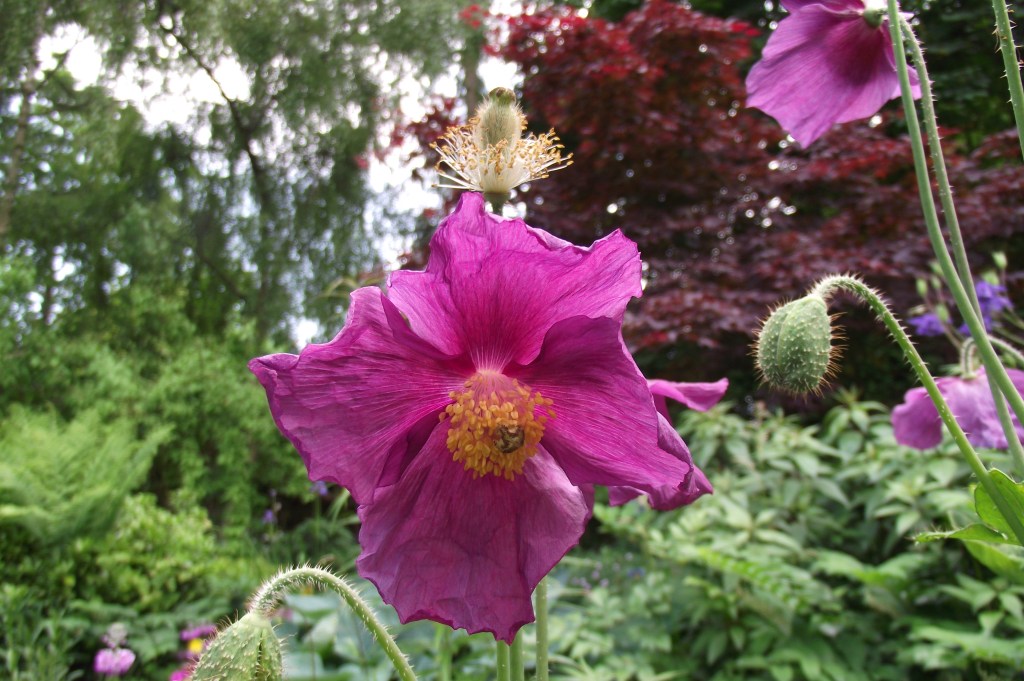


A distinctive garden cultivar, Meconopsis “Crarae” gets its name from the large numbers that are grown at Crarae Gardens, Argyle. These plants are infertile so can only be propagated by division. This photo was taken at Crarae and is the only one that is not from my garden.


Meconopsis grandis is a “traditional blue poppy”, a wild hybrid, it readily produces seed from which it can be easily raised. All Meconopsis seed is best sown as fresh as possible under cold glass in January to March, in fact I find the seed of all hardy perennials is best treated this way. Sowing in pots outside is quite common but I prefer to have the containers protected from birds, animals and the weather.
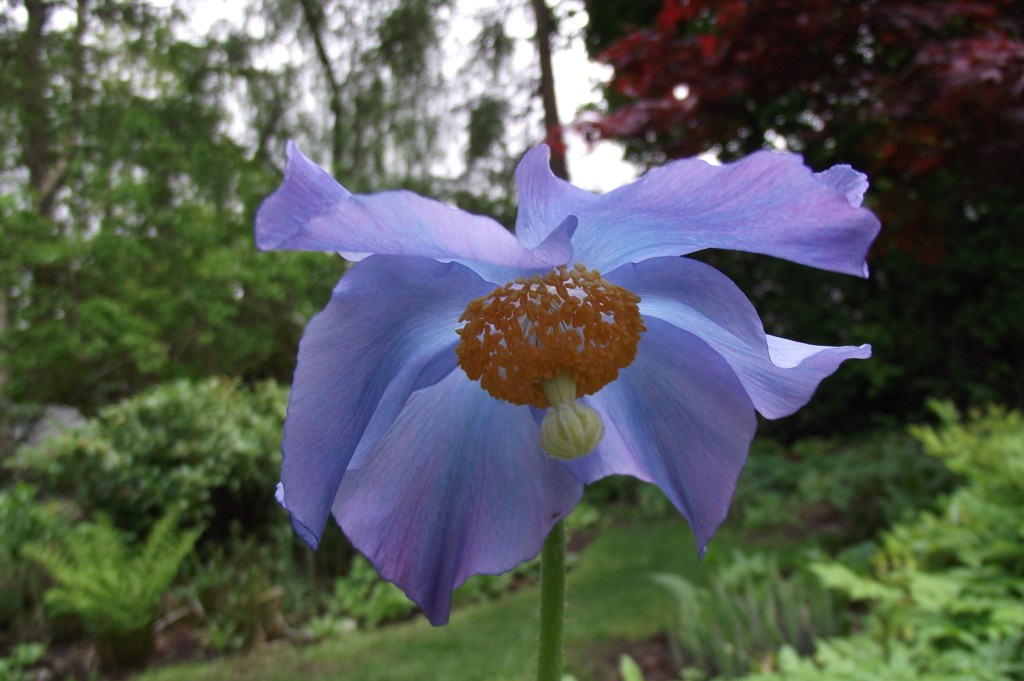
Another excellent fertile blue poppy, exceptionally strong grower, as with all blue poppies they need plenty of space to grow well.
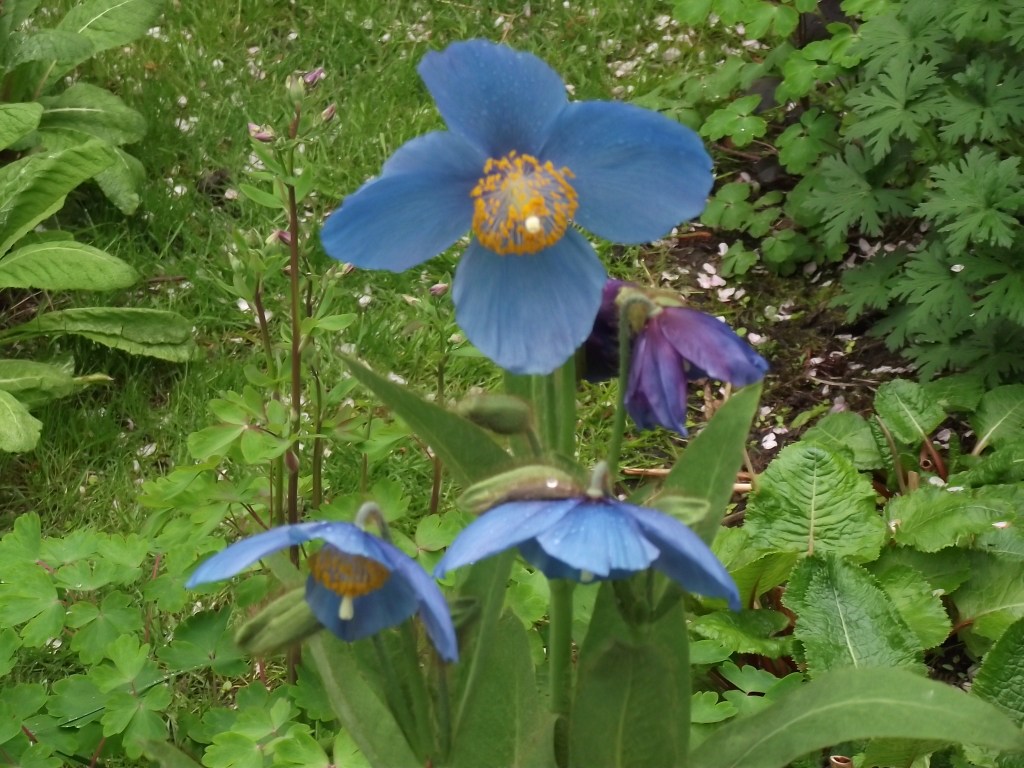
The last of my blue poppies, there are many more although, with the odd exception, most are infertile cultivars. Lingholm is another strong grower and like most I have mentioned can be propagated by seed or division.
The ” Paniculatas”
This group is made up of principally three species, Meconopsis superba, which unfortunately I have never grown, Meconopsis napaulensis and Meconopsis paniculata however, as with all meconopsis, there is tremendous variation in both form and colour. They are all monocarpic and can take a couple of years to flower but have the benefit of producing wonderful evergreen rosettes as well as oodles of seed. Meconopsis regia seen in cultivation is generally accepted to be a form of M.napaulensis.


Meconopsis regia
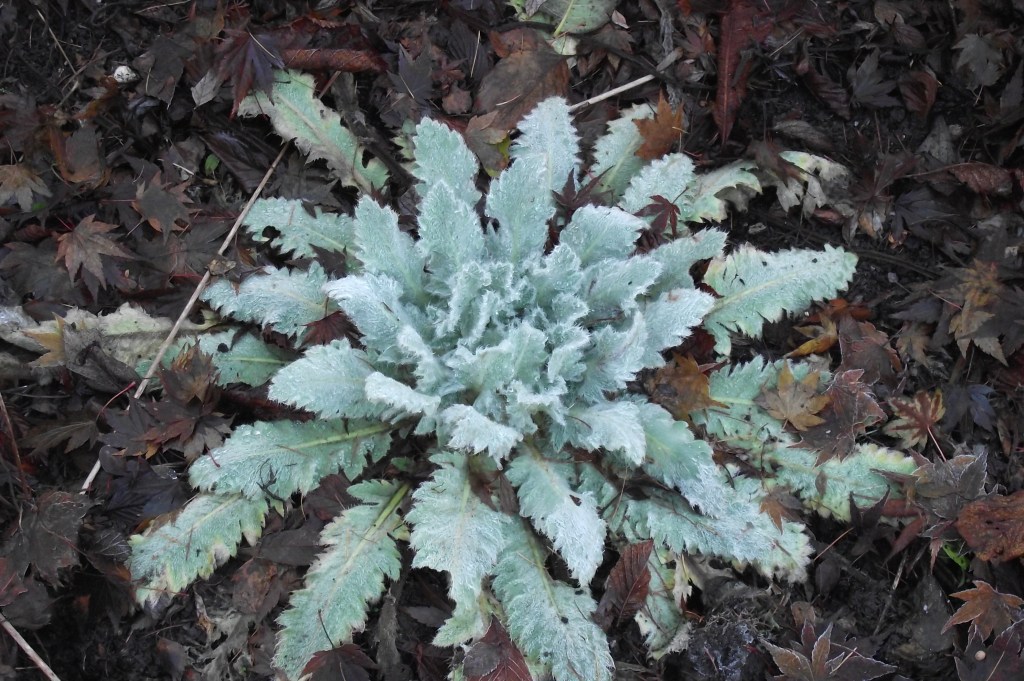
Here a couple of pictures of winter rosettes, the fact that the leaves are very often quite hairy means they are subject to winter damp rot although I have always managed without protection with very few fatalities.

The plant I had always wanted to grow is Meconopsis paniculata Ghunsa Form a spectacular paniculata with golden hairy rosettes so please excuse all the pictures.
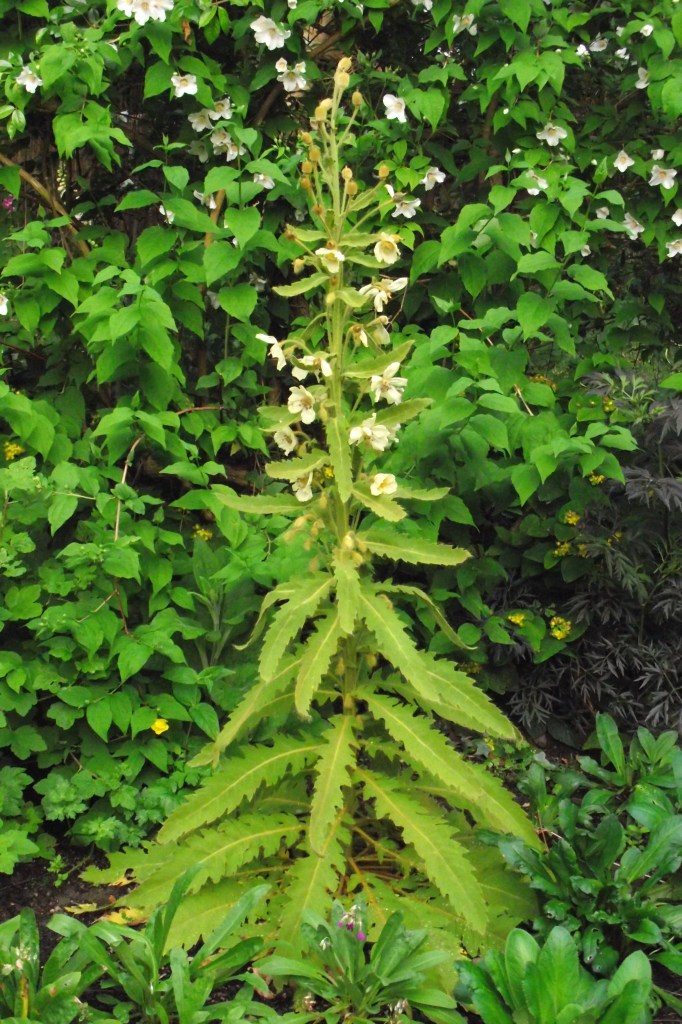


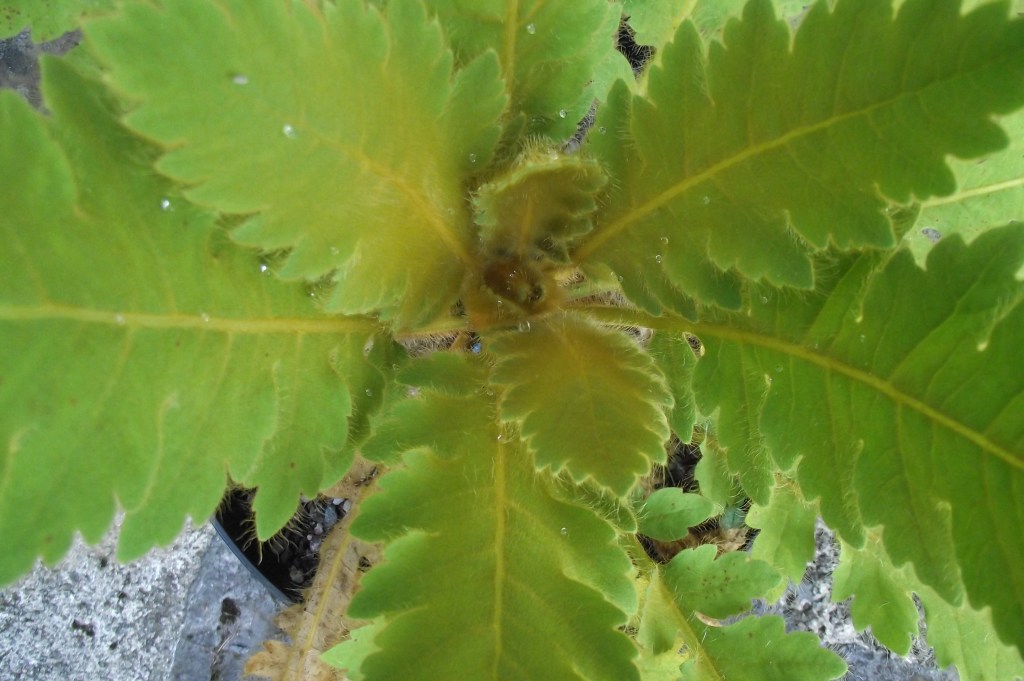

The “spiny” meconopsis. Meconopsis horridula group.
Unfortunately I can’t guarantee that these pictures are totally accurate, the plants are all grown from seed and identification can be a little difficult as there is tremendous variation even within the species. All these plants are often sold under the name Meconopsis horridula. They are monocarpic and set plenty of seed.


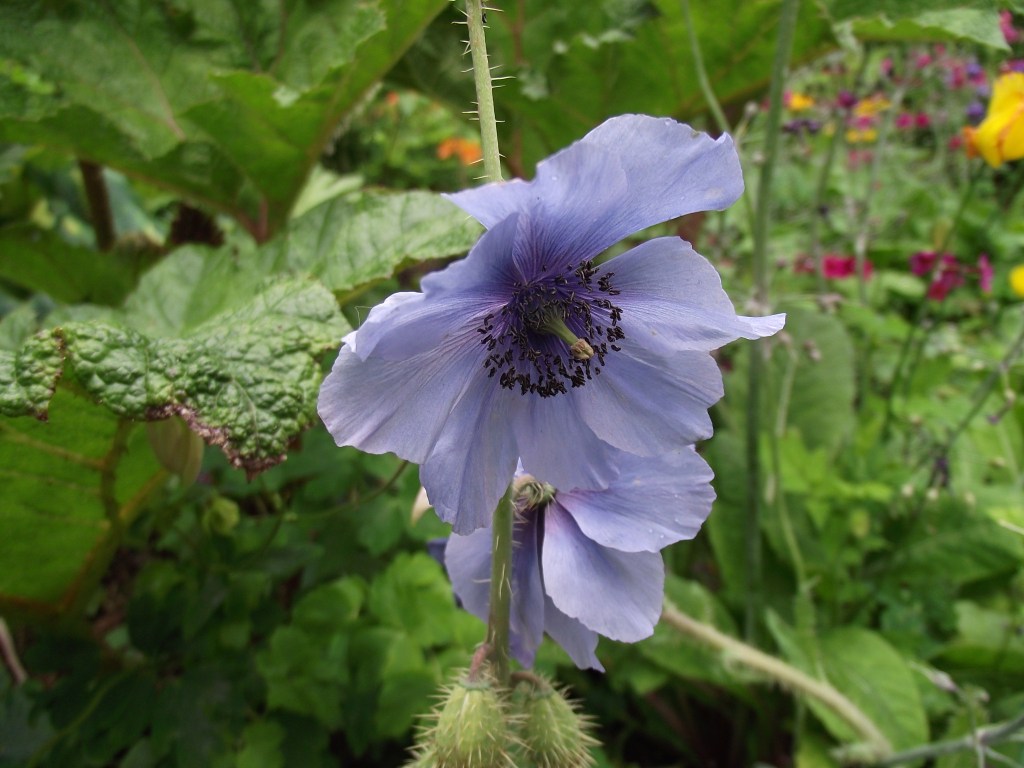
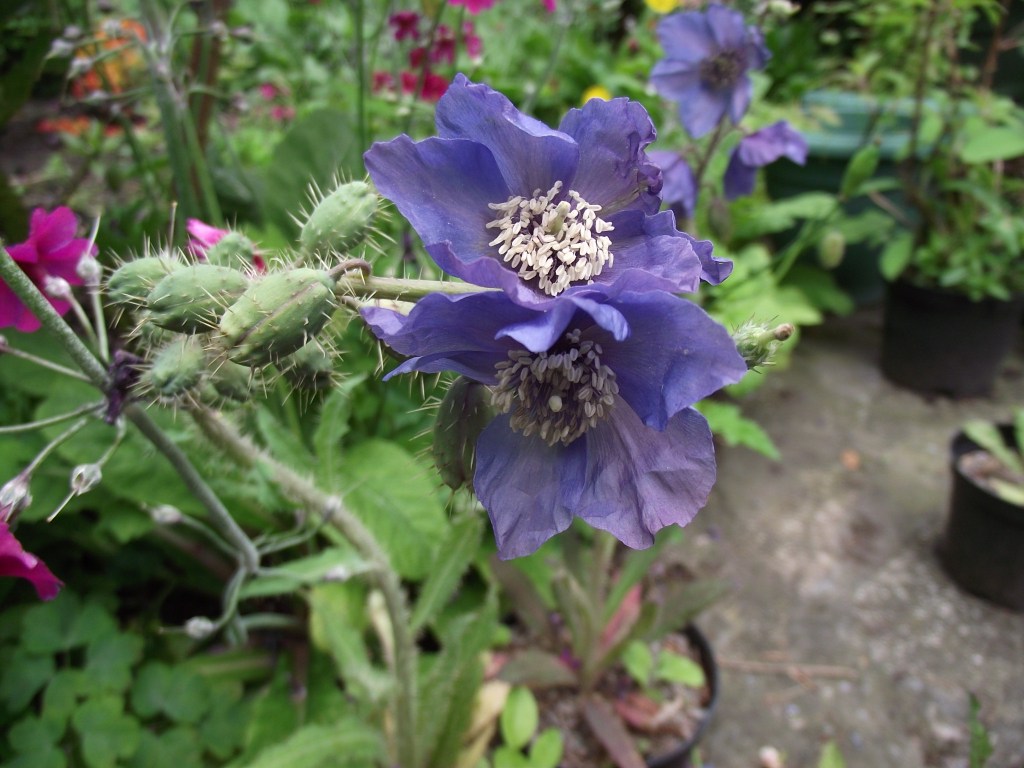

After much deliberation I have decided that this is Meconopsis latifolia, a rather rare relative of Meconopsis horridula. Raised from seed, even if it actually isn’t latifolia it’s still a nice plant.
Miscellaneous Meconopsis.
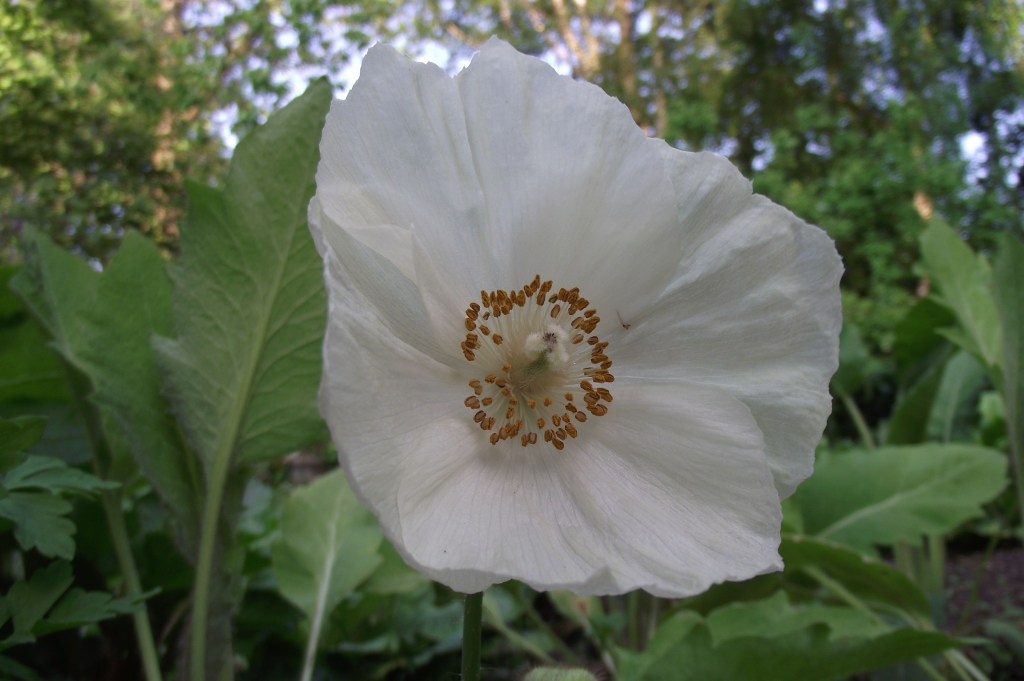
Like many people I have a job to see where some plants sit in the meconopsis hierarchy, unfortunately the only picture I have of this beautiful plant doesn’t show its soft green leaves plus I think it should have a sulphur yellow flower, let’s face it I’m not even sure it actually is pseudointegrifolia, this is the problem you get with promiscuous poppies!
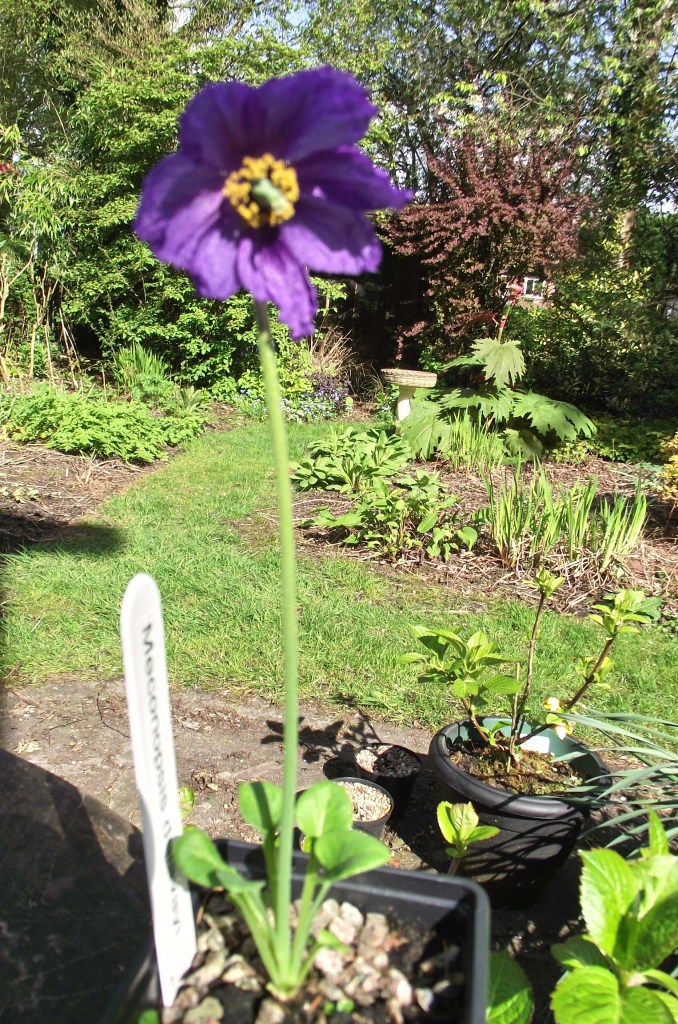
A rather weedy looking plant, the only one I have managed to raise, although no different from those I have seen pictured in the wild. Just to be awkward Meconopsis delavayi is a lime lover.

This is what happens when it all goes wrong, Meconopsis x sarsonii when the flower buds have been damaged by frost and/or damp.
Blue poppies are big feeders I grow them on fairly heavy rich soil with added grit and peat, yes peat, for best results.


 A Plantsman's World