
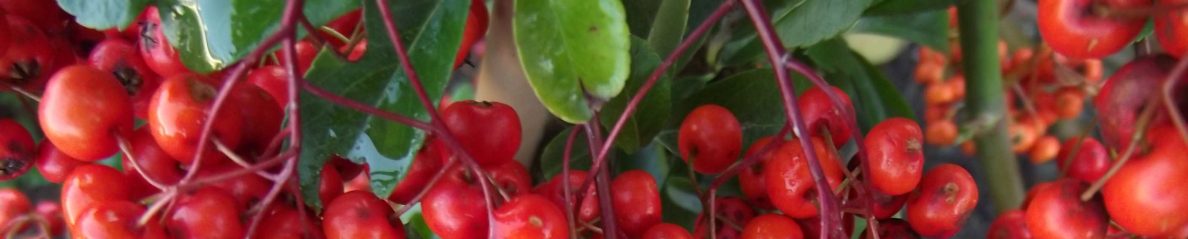


Nomocharis

Nomocharis are beautiful members of the lily family from China, Tibet and Burma which I have found best suited to my “woodland” area where they have done well in a rich moist well drained soil in dappled shade. They are quite rare and to buy the bulbs can be costly, the plants that I had were grown from seed and flowered in their second year.
Omphalodes
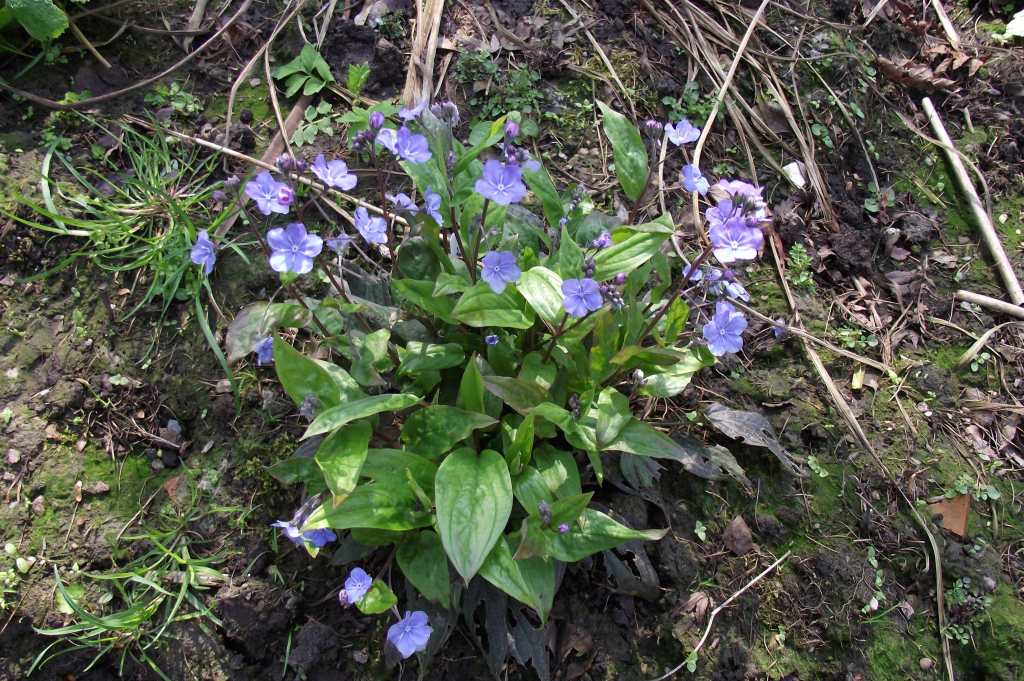
Omphalodes cappadocica is a useful ground-cover for a shady damp spot in the garden. Although it does like moist soil, along with most plants, it doesn’t appreciate winter waterlogging. The cultivar ‘Cherry Ingram’ has larger than the specie flowers carried over the attractive semi-evergreen leaves.
Paeonia

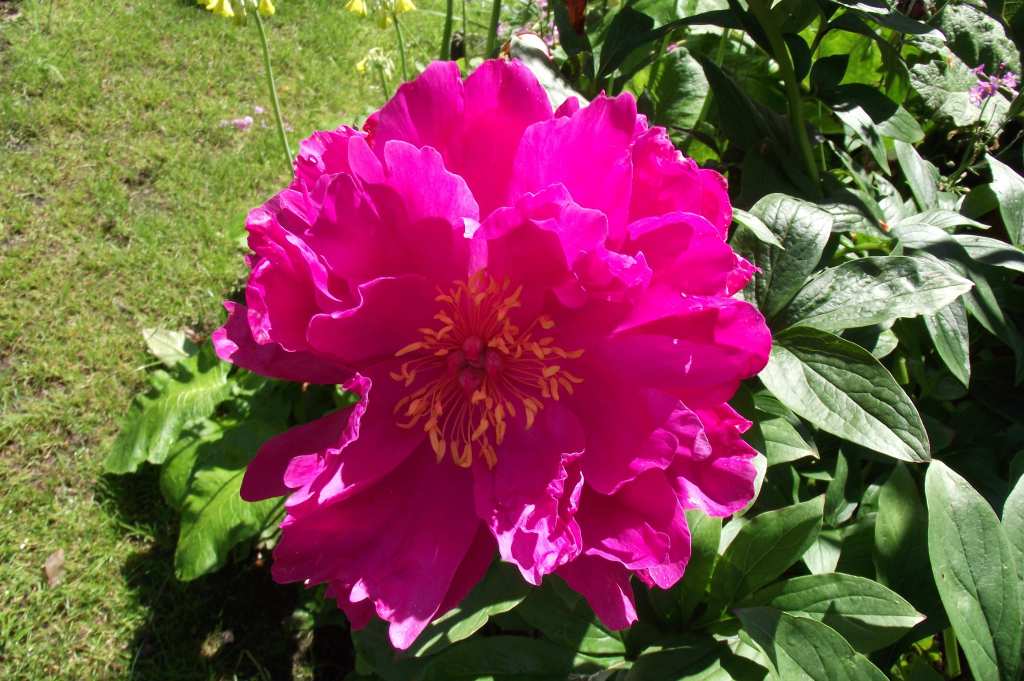

Peonies can be split into two main groups, the herbaceous paeonies for the border and the tree peonies which are really shrubs. Herbaceous peonies such as ‘Rubra Flore Plena’ make excellent border plants and are to be seen in many cottage gardens. They are slow growing but the spectacular blooms in spring and early summer are worth waiting for. Tree peonies generally flower earlier than the border varieties and make excellent plants for the back of a large border or as spot plants in a lawn. Although the flowers are over quite quickly the attractive feathery foliage makes a perfect foil for other flowers. In my experience the herbaceous plants don’t like being moved and new plantings take a while to establish.
Papaver


Poppies are probably familiar to everyone ranging from the common field poppy, Papaver rhoeas to the big blowsy cultivars of Papaver orientale the Oriental Poppy. Annuals such as P.rhoeas, P.commutatum (Ladybird Poppy) and P.somniferum the Opium Poppy are best sown direct in the spring. The perennials, cottage garden stalwarts, are raised from seed in the usual way or purchased as plugs or plants.
Parnassia

The large leaved Grass of Parnassus is a rare plant in both cultivation and the wild mine being grown from society seed. Because they come from the wetlands of SE United States they are obvious candidates for planting in a water garden environment. A close relative of the Grass of Parnassus, Parnassia palustris, which was once a feature of UK wetlands but is now in decline.
Penstemon

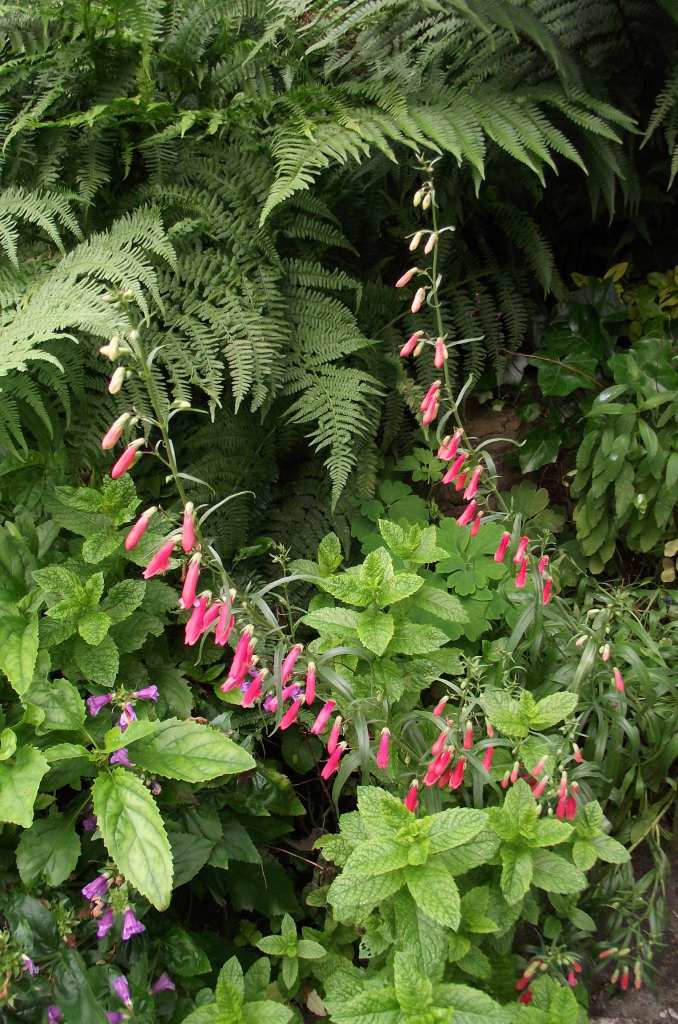


Penstemons are an American native which have become very much part of the herbaceous border in relatively recent years due to the efforts of the plant breeders probably the best known strain being the Pensham cultivars raised by Edward Wilson in the village of Pensham near Pershore, Worcestershire. Plants are not too fussy on soil type but need to be in a sunny spot. They are semi-evergreen and are best cut down to about 6″ above ground level in March to avoid a proliferation of woody stems, coincidentally this is also an ideal time for planting out. Cultivars are bought as plants or plugs whilst there are several species which can be raised from seed.
Persicaria
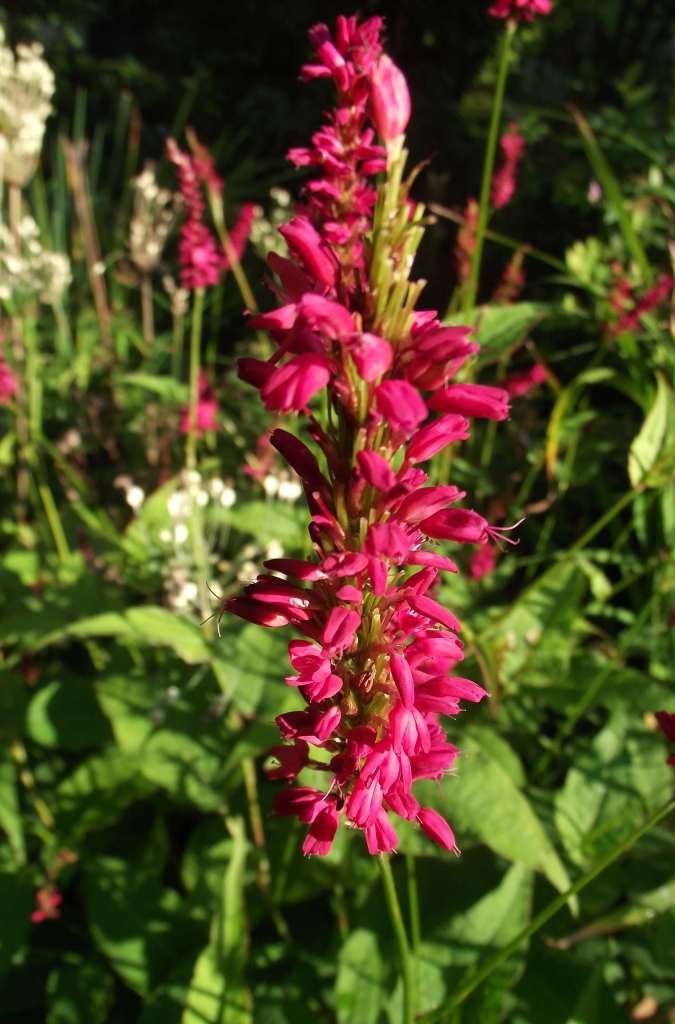
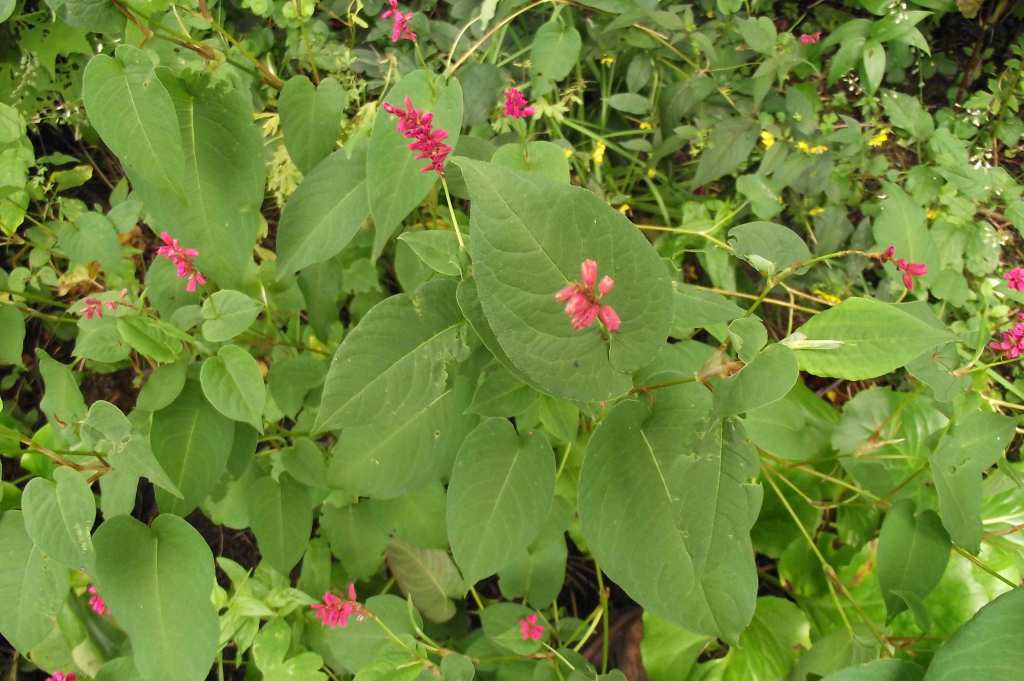

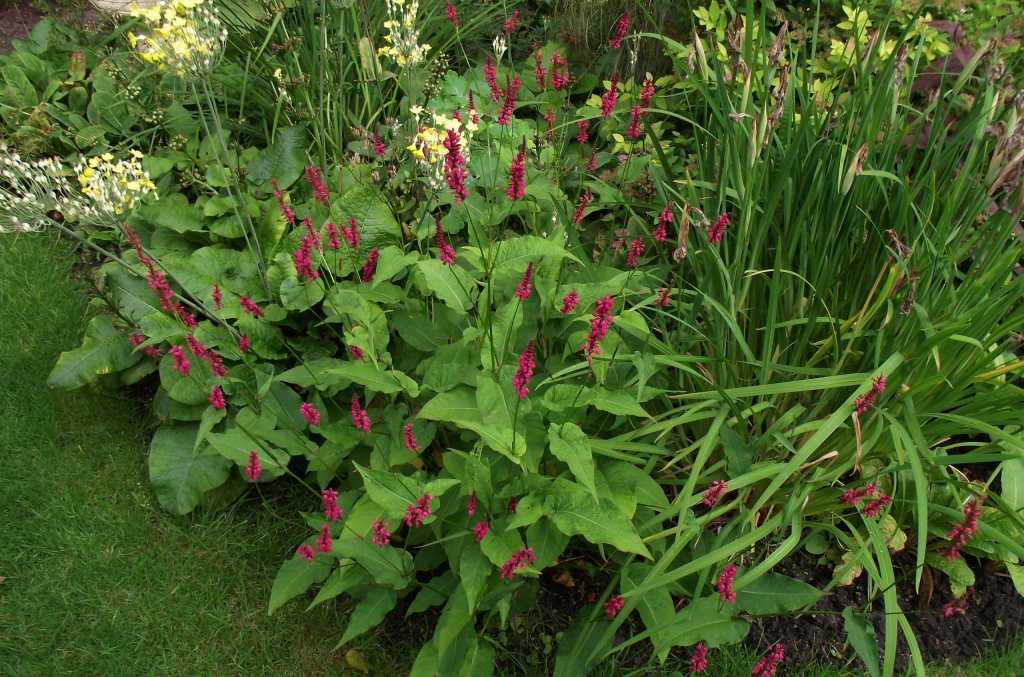
The genus Persicaria, sometimes known as Red Bistort hails from the Himalayan regions. Those I have grown have been a useful addition to the front of the border where they need plenty of room to contain their robust rather sprawling habit. Mainly semi-evergreens several also give a brief period of attractive autumn colour. The variety ‘Inverleith’ is smaller and not as robust as the specie plant making it more suitable for the less spacious garden.
Phlox
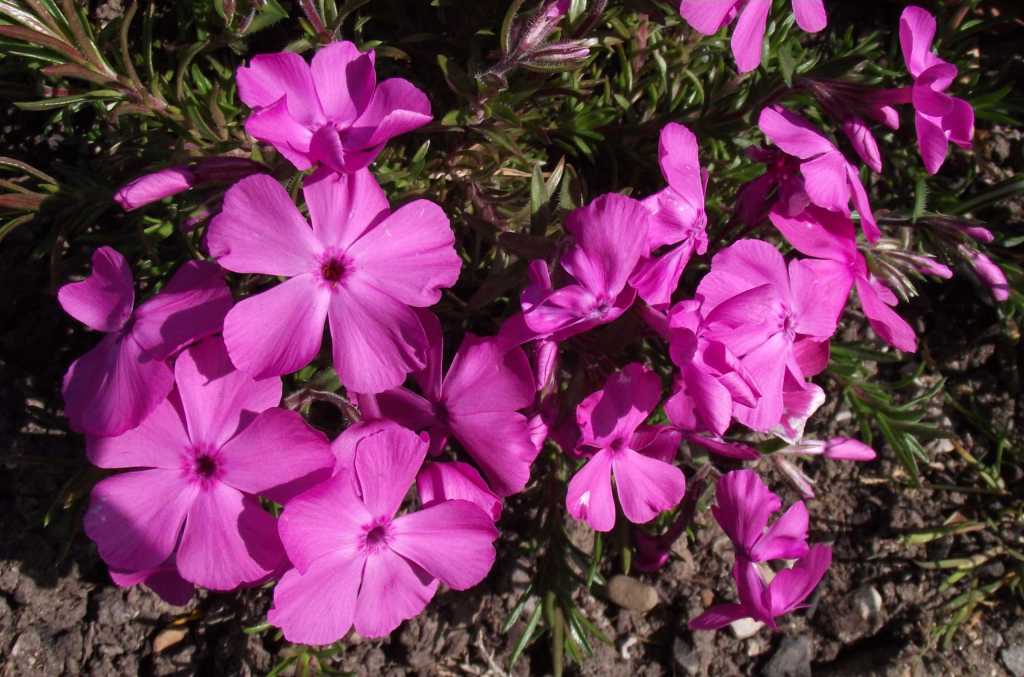


Phlox can be divided into two main types, the well-known herbaceous plant, Phlox paniculata and its cultivars, stalwart of the cottage garden and cut-flower section of autumn gardening shows, and the cultivars of P.subulata the low growing plant for the rock garden. Herbaceous phlox are easy to grow in sun or part-shade in virtually any soil types but as they are plants from the woodland edge prefer a rich moist soil to do there best. The rock phlox are typical alpine plants doing best in a well drained soil in full sun. it is worth noting that many varieties of both types are scented.
Physaria
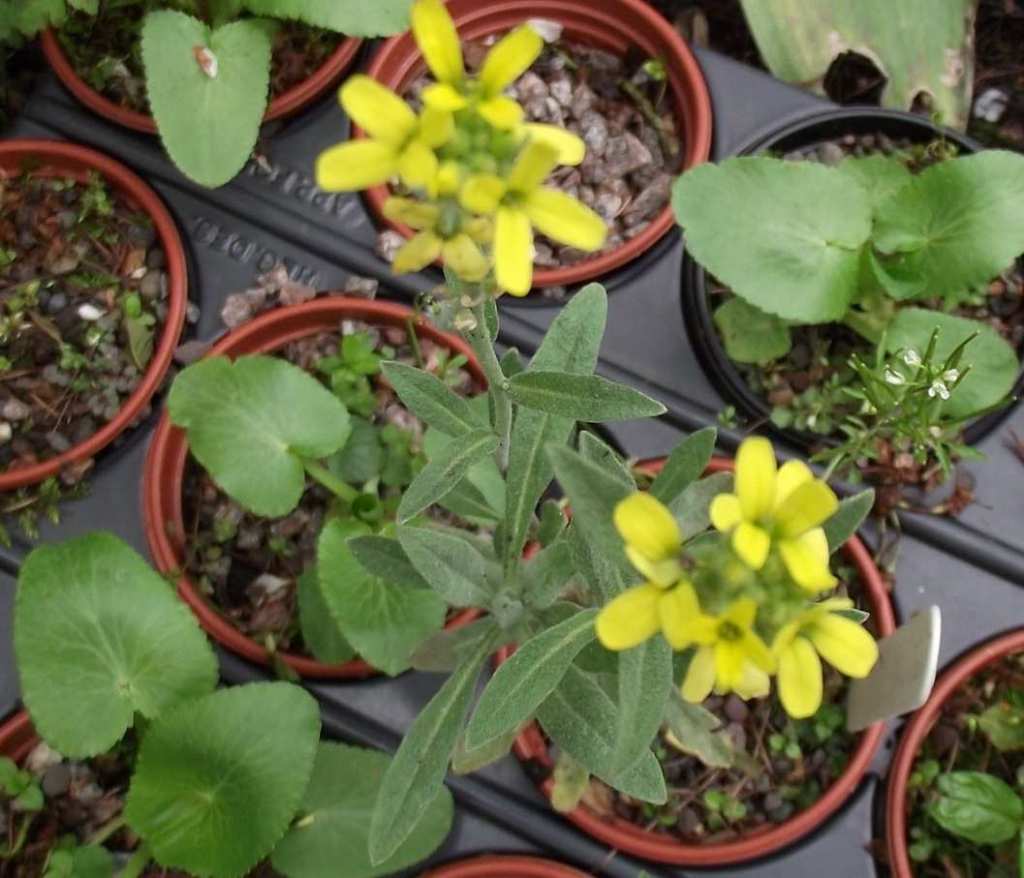
A real oddity Physaria didymocarpa or twinpod, an American member of the mustard family grown from a lucky-dip seed distribution out of curiosity. I rather liked the combination of the greyish leaves and yellow flowers.
Pulmonaria
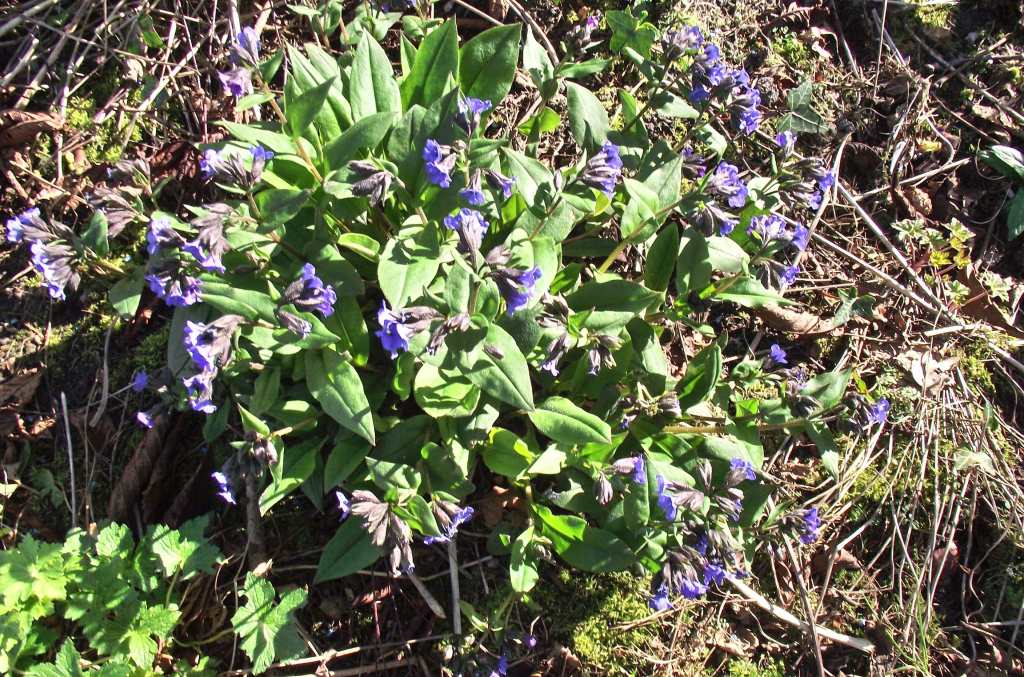
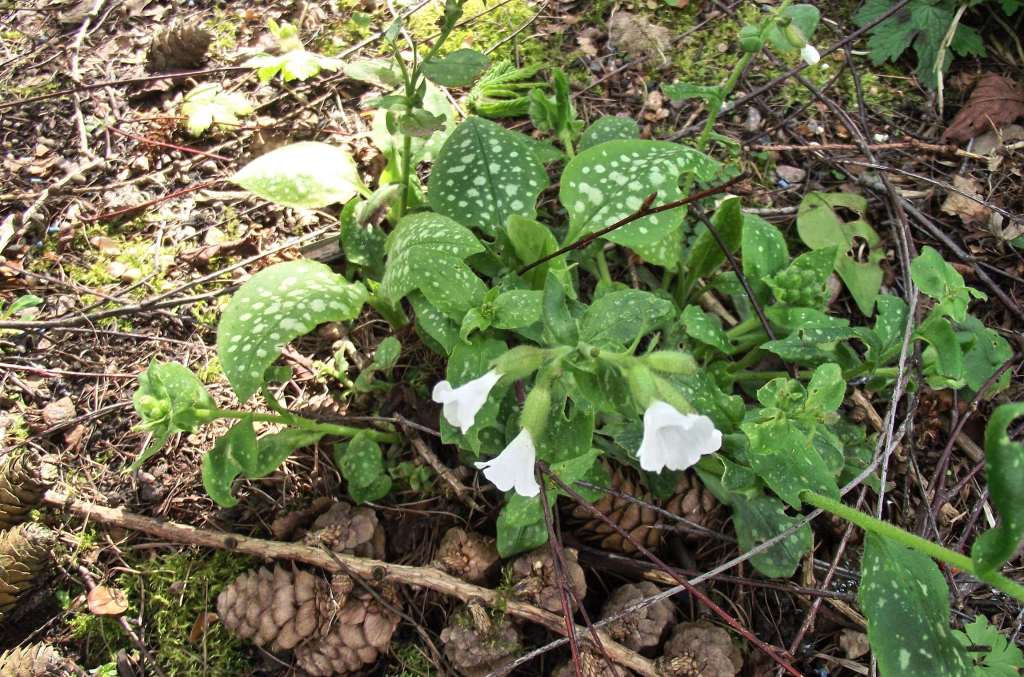


Pulmonaria, Lungworts have emerged from obscurity in recent times due to the efforts of the plant breeders who have developed a great range of variety in both flower and leaf colour. Ideal shade plants they flower early in the spring and thrived in the rich moist soil of my “woodland” garden.
Pulsatilla

The Pasque Flower, P. vulgaris is related to the buttercup and was once known as Anemone pulsatilla. This rather beautiful spring-flowering plant comes from Europe where it is found growing in calcareous upland meadows but is a rare sight growing wild in this country due to the erosion of its habitat. Grows best in rock garden conditions in a well drained gritty soil in full sun. Easy from seed but it does not take well to transplanting once established.
 A Plantsman's World
Rick, I feel like I’m thumbing through a beautifully illustrated gardening book.
LikeLike
Thank you, I really appreciate your comment.
LikeLiked by 1 person