Odds and Sods

Here are some photos of plants I missed earlier from the old garden and some from the new.

Dahlias
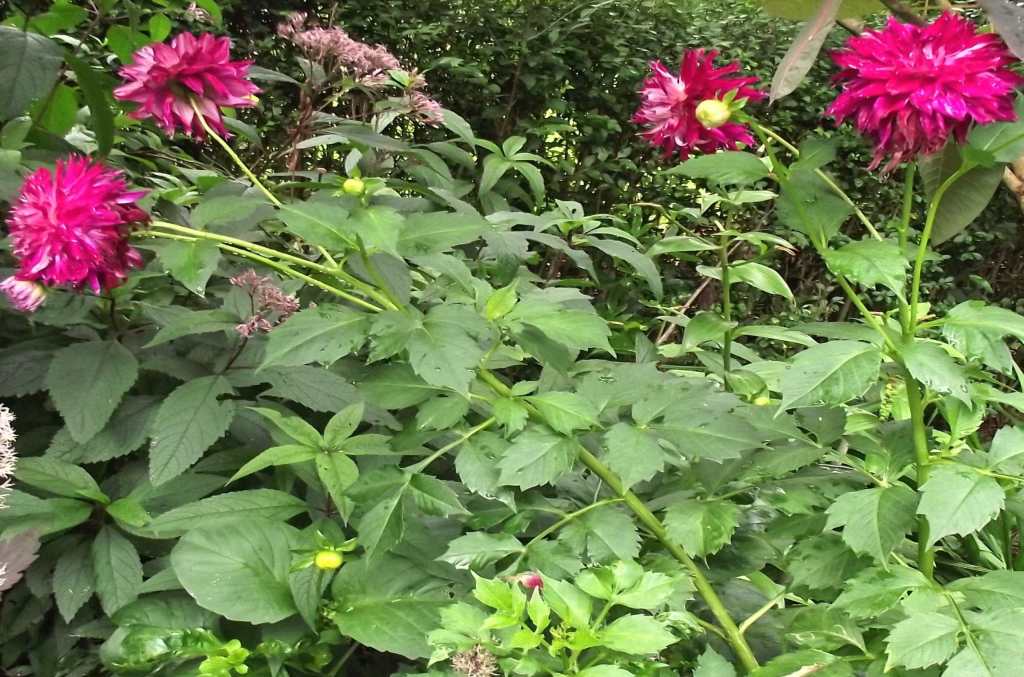
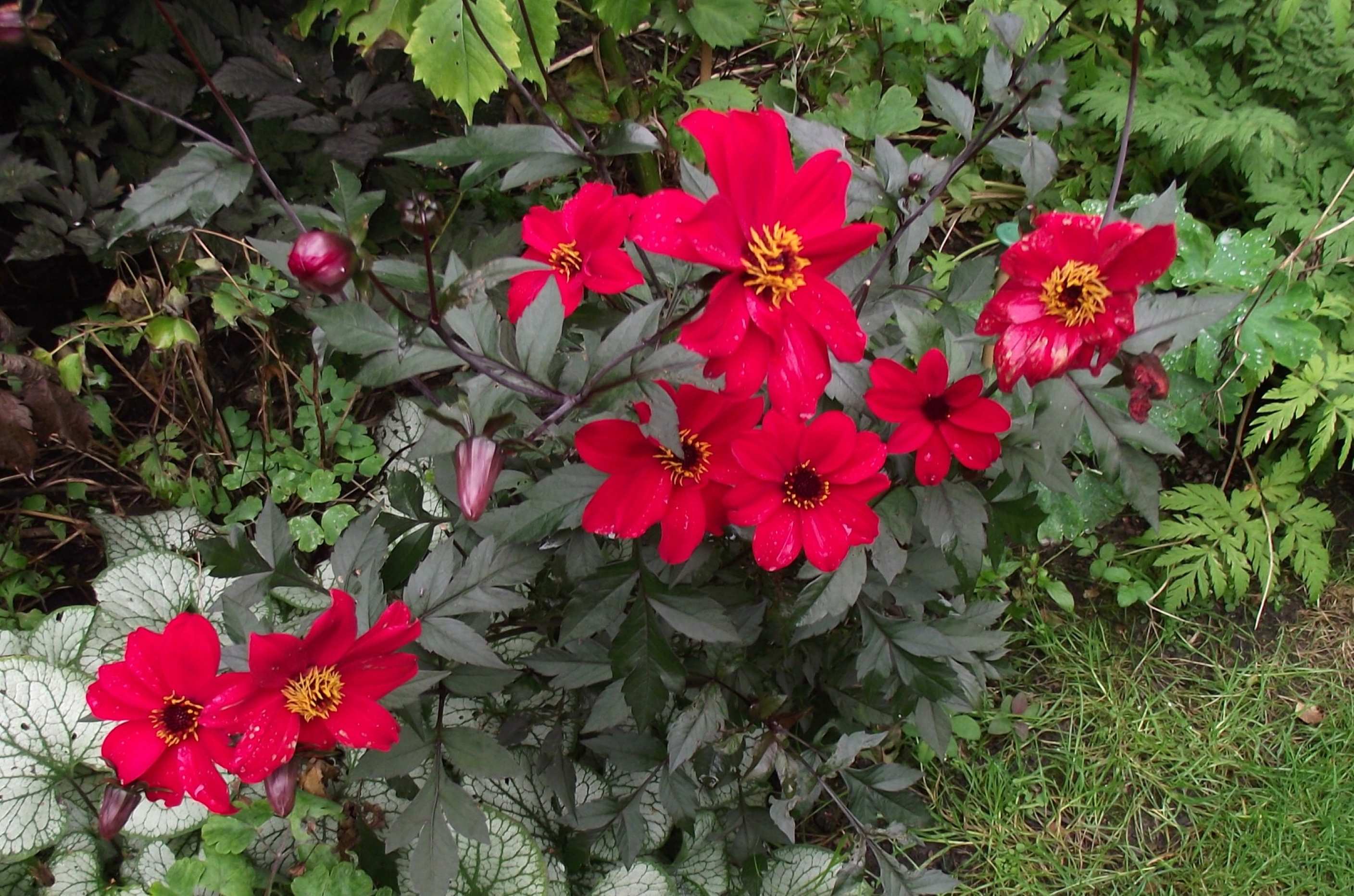
Everybody is familiar with dahlias, so no more needs writing. Probably the camera but the colour of ‘Mel’s Orange Marmalade’ looks decidedly off and ‘Cafe au Lait’ is looking definitely droopy. I used to raise ‘Bishop of Llandaff’ and his children from seed and they were the only dahlias I actually engaged with, dahlias are not really a favourite. My father used to love his dahlias as well as growing giant delphiniums, every year the tubers were lifted carefully, cleaned, dusted with sulphur and stored in the cellar in tomato boxes and every year half of them rotted off. I was hoping that one year everything would be perfect but it never was.

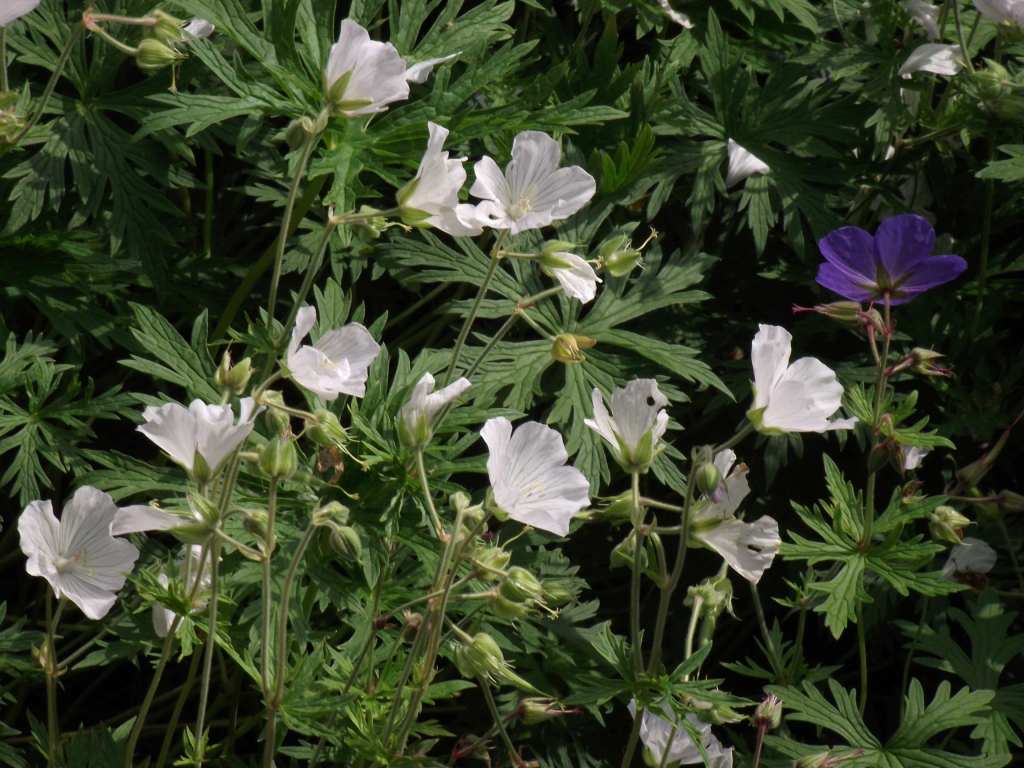
A couple of new Geraniums
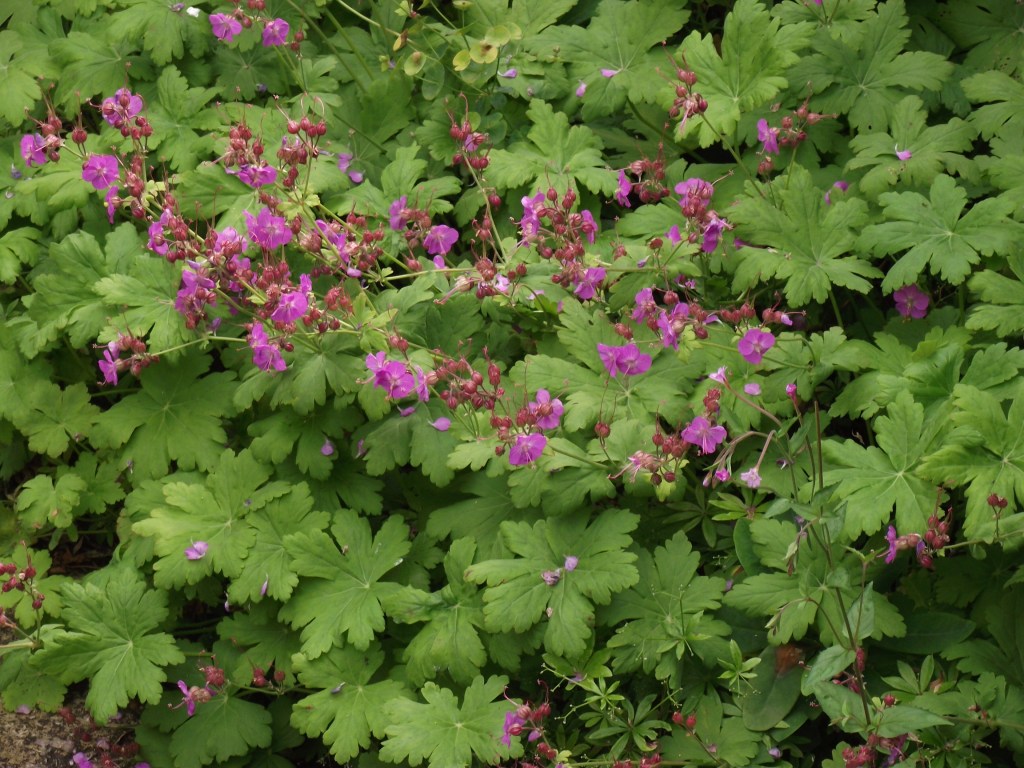
‘Ingwersen’s Variety’ was grown from seed last year whilst ‘Galactic’ has been in the garden for a few years now, but I lost the label and have only recently been able to re-identify it by chance.

Canna lilies from tropical America, have been in cultivation for many years and consequently there are many cultivars in a range of vibrant colours available. I grew several in pots for a couple of years but ceased when I decided to no longer have winter heat in my tunnel. Note the use of plastic containers, I had so many that it would have cost a fortune to do otherwise, plus the weight factor when moving them around, although I did buy a sack-truck in later years.
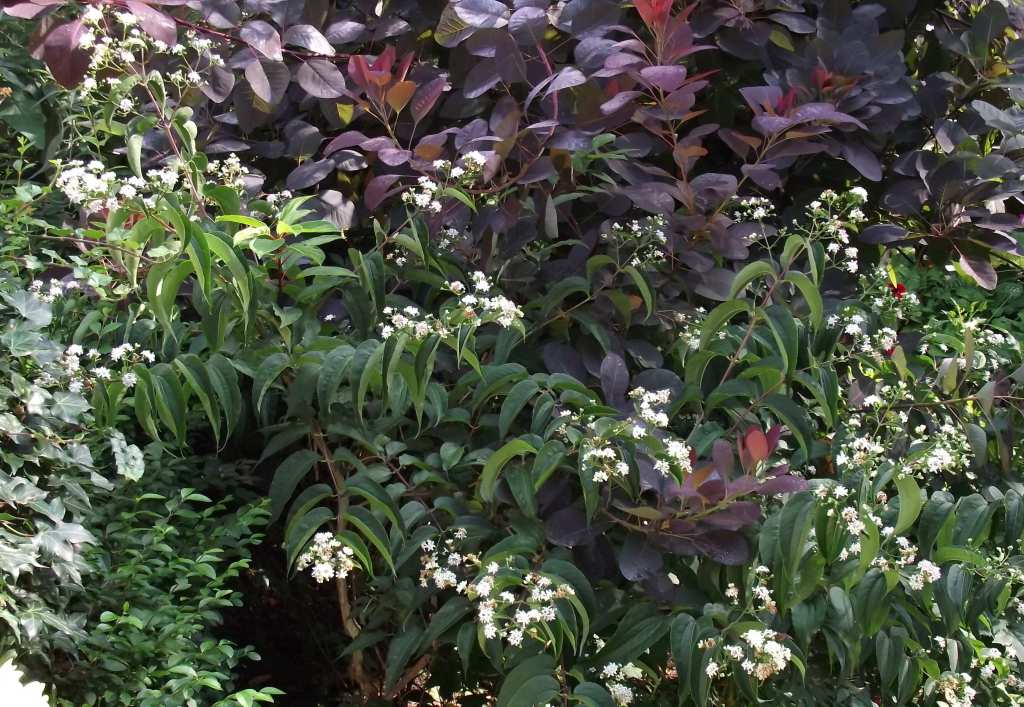
I have no recollection of taking this photograph, although Heptacodium miconioides is certainly a worthy subject. A vigorous tall shrub from China with peeling bark, its scented flowers appear late in the year lasting well into October, which makes it an ideal subject for the woodland garden. There is also the benefit that it sets plenty of seed. Sometimes known as ‘Seven son flower of Zhejiang’

I bought this when T&M were advertising this new ‘Incrediball’ hydrangea and it is still going strong in a very large container in my new garden. Flowers reliably every year although they are not attaining the size that they should which is probably down to me. I am going to hard prune it this winter to see what happens.
The shoo-fly plant or apple of Peru used to be quite widely grown for bedding schemes but seems to have gone out of favour. It is an extremely fast growing large annual rapidly attaining anything from 3 to 6 feet. The purple flowers die leaving a lantern shaped calyx which can be used in dried flower arrangements. It has a habit of appearing out of the blue, which is exactly what the pictured plant did.

Trees,climbers,shrubs and other random plants. (Part 9)

Further pictures and jottings from the archives.

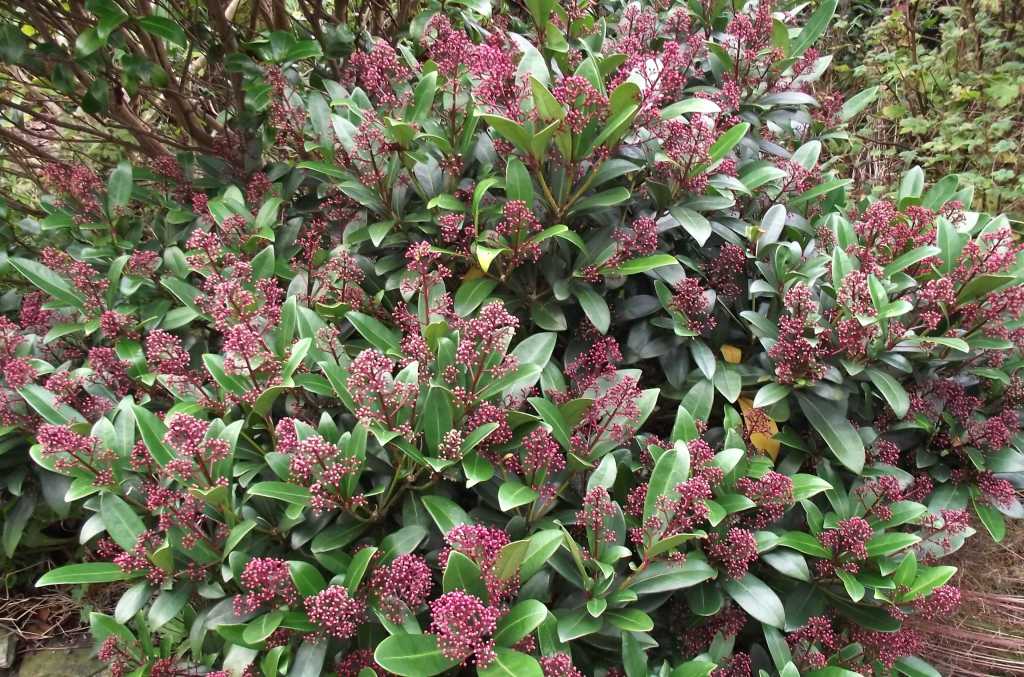
Skimmia

Small evergreen shrubs, very popular with garden centres as they carry their coloured buds through the winter and flower in the spring making an attractive package for containers. Like many similar shrubs a cool root run in acid soil is best in dappled shade. Although they will look good for one season in a container there is absolutely no substitute for a position in a suitable border.

Sophora

Not a very impressive picture, Sophora microphylla ‘Sun King’ is a large shrub which flowers through winter into spring, definitely for a well drained sheltered spot in full sun. My specimen never really attained its potential as it just wasn’t in the right spot.

Sorbus (Rowan)

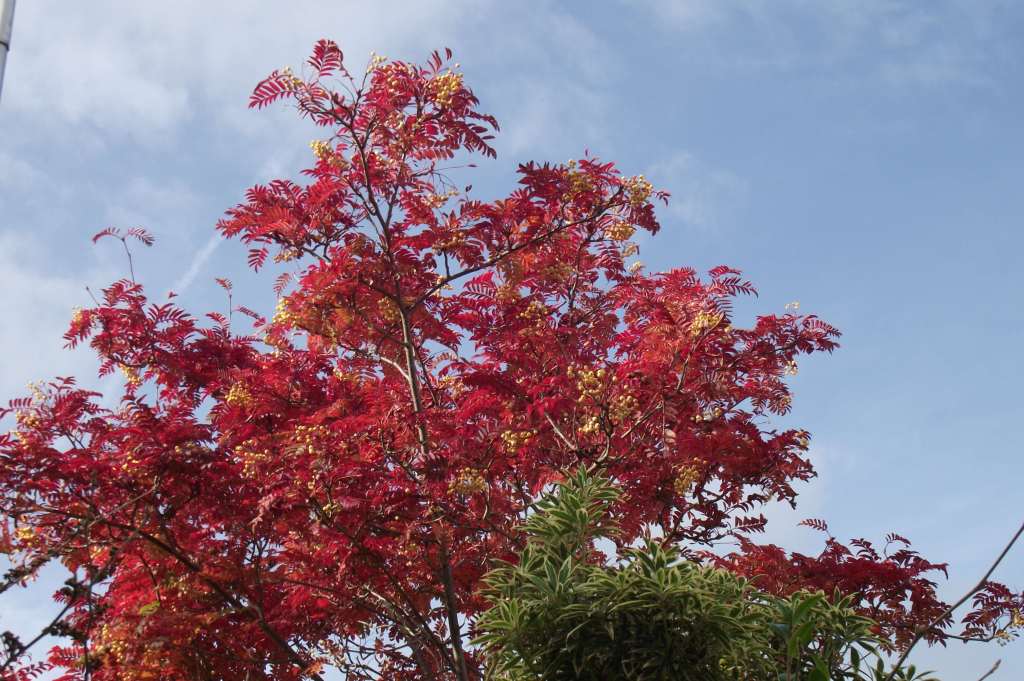
Rowans are my favourite medium sized trees for the smaller garden, in fact my favourite trees altogether so I was doubly blessed as ‘Joseph Rock’ is my favourite rowan. Also known as the mountain-ash, the rowan is steeped in both Nordic and Celtic folklore and figures in local superstition to this day. Sorbus is distributed throughout the northern hemisphere and into N.Africa and can be found growing in most soils and even out of mountain crevices it is also pollution tolerant. Although Joseph Rock has yellow/white berries, red is the more common colour by far, it’s just that I am rather partial to the contrast between the berries and the red autumn foliage colour. What more can I say about this rewarding member of the rose family?!

Spiraea

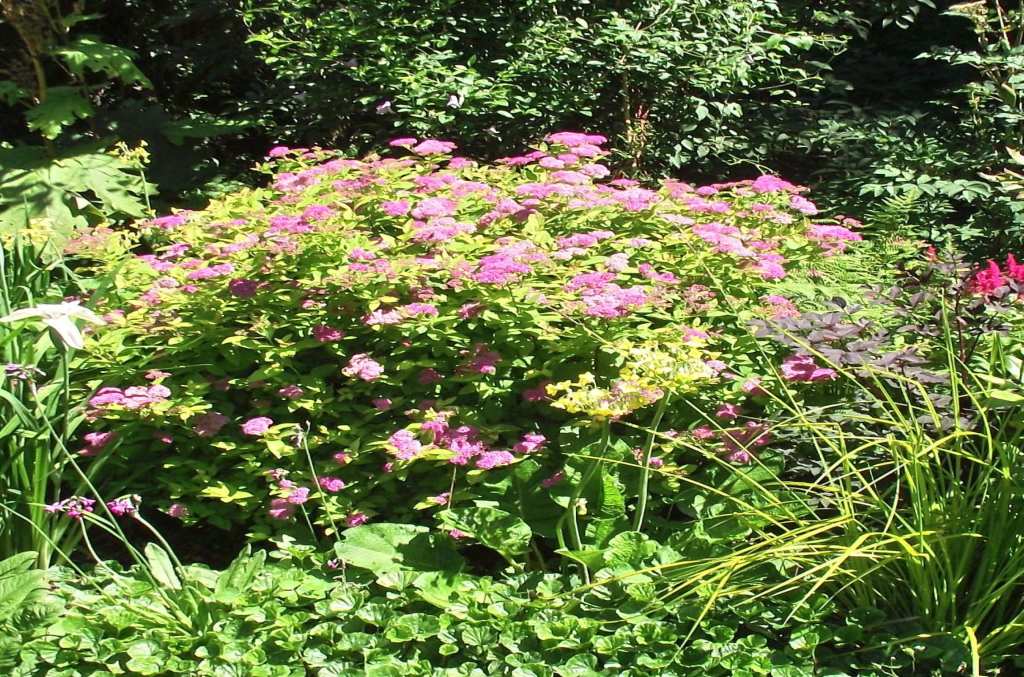
Another one of those sources of confusion between the botanical and common names arises here, many people will think of the attractive plumes of the spirea growing in the damp areas of the garden but, in fact, they are astilbes botanically not spiraeas. Spiraeas are a genus of deciduous leaved shrubs which are members of the rose family and found throughout the northern hemisphere in most soil types. Spiraea japonica ‘Golden Princess’ is an outstanding plant which I found many years ago. I believe that it evolved as a naturally occurring cross, basically nature doing its own thing. The plant I have now, is nowhere near as robust as the original and I am almost tempted to think that there is some sort of reversion going on or perhaps I should try it in another spot.

Syringia

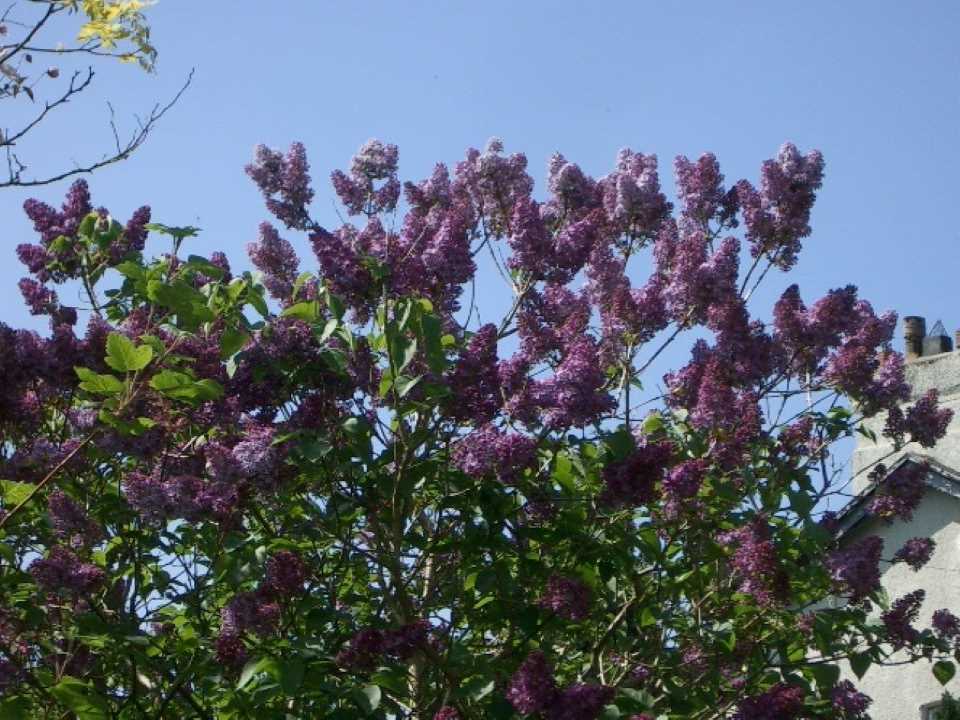
The wild or common lilac is the plant from which all modern cultivars have been bred. Easy to grow, a common sight for as long as I can remember, the heavily scented purple flowers were very popular with other than my superstitious mum who wouldn’t have them in the house. I first remember a white flowered variety appearing but now there are all sorts of variations ranging from reds, doubles (French lilac) and patio plants as the breeders have developed them for the domestic market. Despite this I still regard them as a one trick pony, aside from the scented flowers, and I have to say the scent is really something, the rest of the year the shrub itself is rather uninspiring.

Viburnum

Viburnum plicatum f. tomentosum ‘Mariesii’

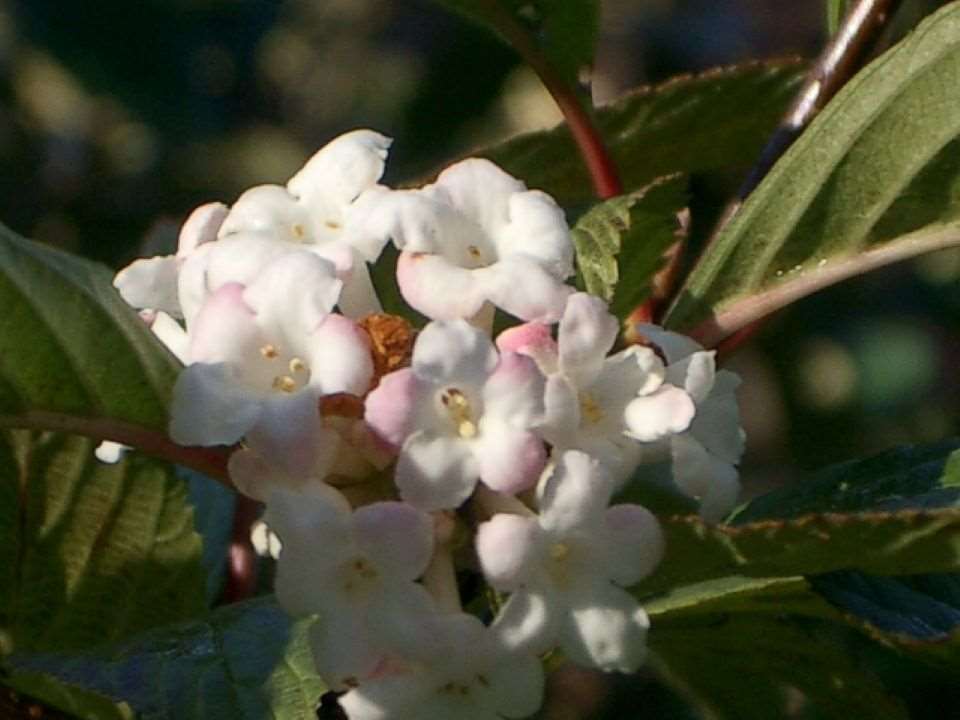
There is only one thing I can criticise with V.plicatum and that is it isn’t evergreen, nevertheless it still ranks as my all-time favourite shrub. Mine also had the advantage of being adjacent to a similar size specimen of Berberis thunbergii f. atropurpurea which was a perfect foil. The tiered branches of V.plicatum give it a pyramid shape, covered by a profusion of white flowers followed by red/black berries, what’s not to like? Although V.plicatum is not an evergreen in some ways it is perhaps a blessing as another species the evergreen V.tinus is very susceptible to Viburnum beetle attack which can severely damage the appearance of the plant, and being an evergreen, is much more difficult to rectify. Another fine viburnum is Viburnum x bodnantse ‘Dawn’, the original plant was bred at Bodnant Gardens in North Wales, the improved cultivar ‘Dawn’ being developed later. This remarkable plant flowers on bare wood anytime throughout the winter emitting a powerful sweet scent, which is why it is often recommended to plant near to the house to take advantage. Viburnum rhytidophyllum is a bold architectural plant but unfortunately I found the foliage interesting but a bit too coarse for my taste so I did actually uproot it, probably better off in a much bigger garden. Overall the Viburnum genus has provided me with two remarkable but totally diverse specimens. (Viburnum tinus photo’ taken in local park.)