Just Pictures
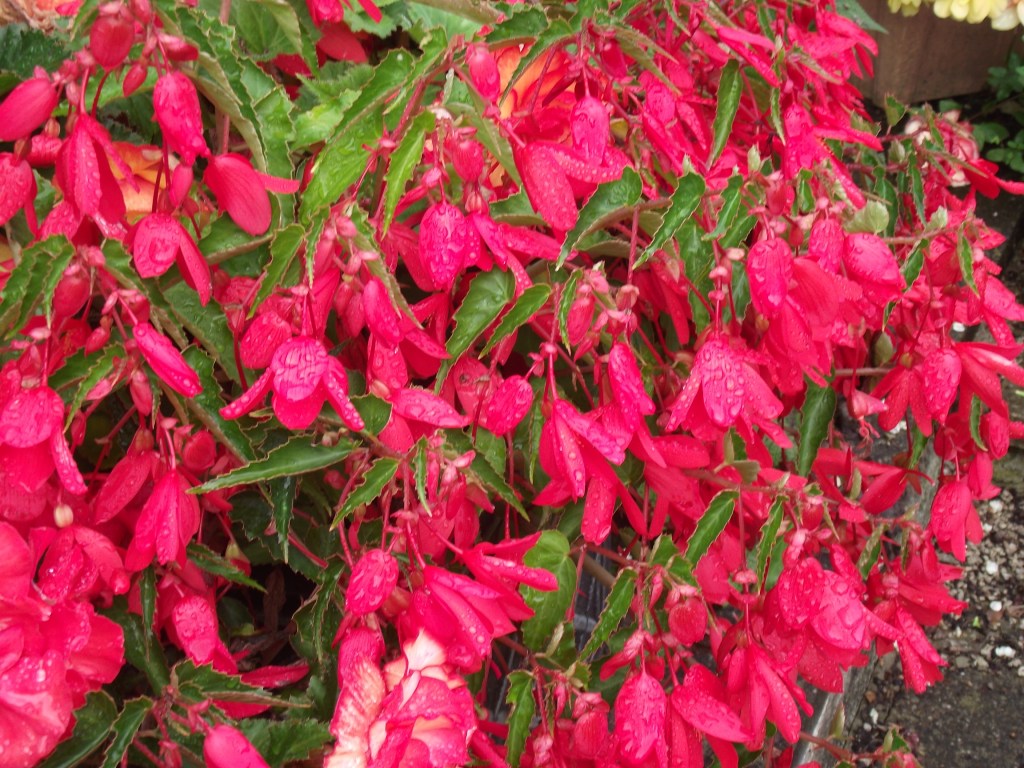


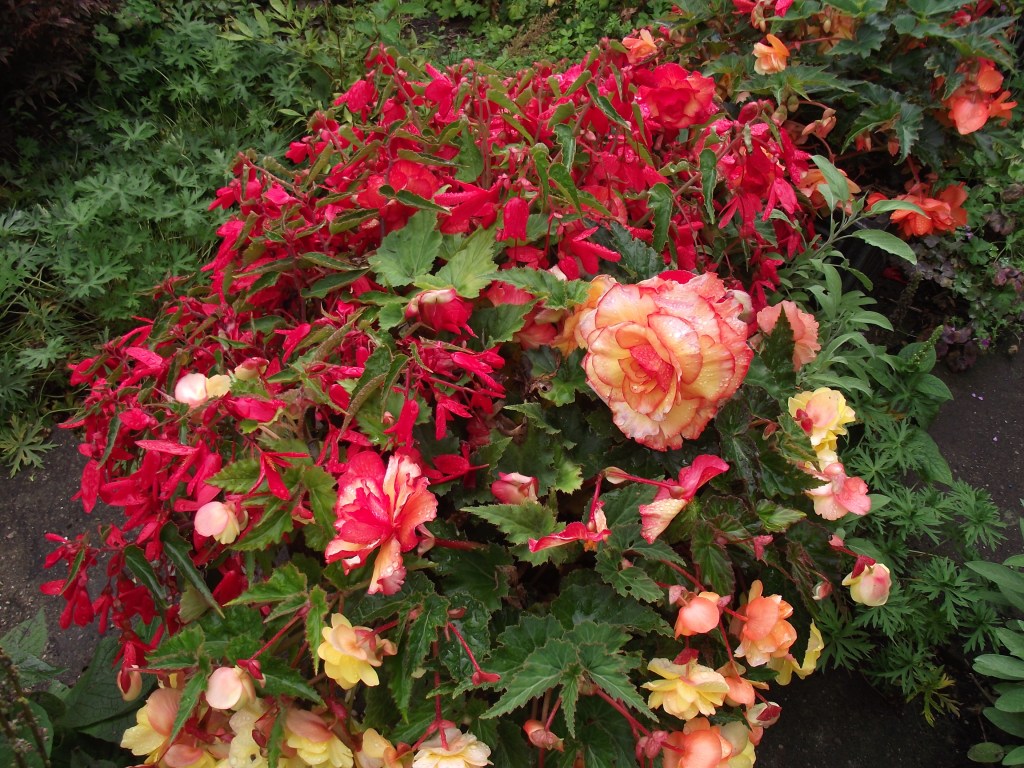

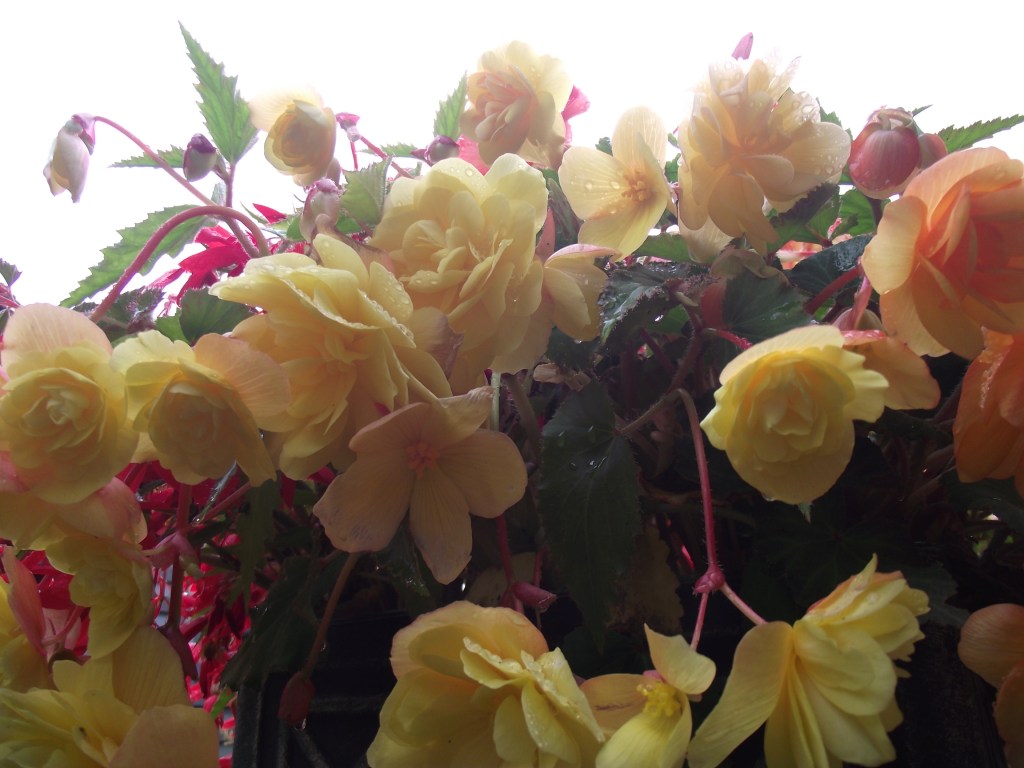

A retrospective of the photographs from my last garden plus a few meanderings based on my own experience and a love of all things Asiatic.
Just Pictures


Calistemon
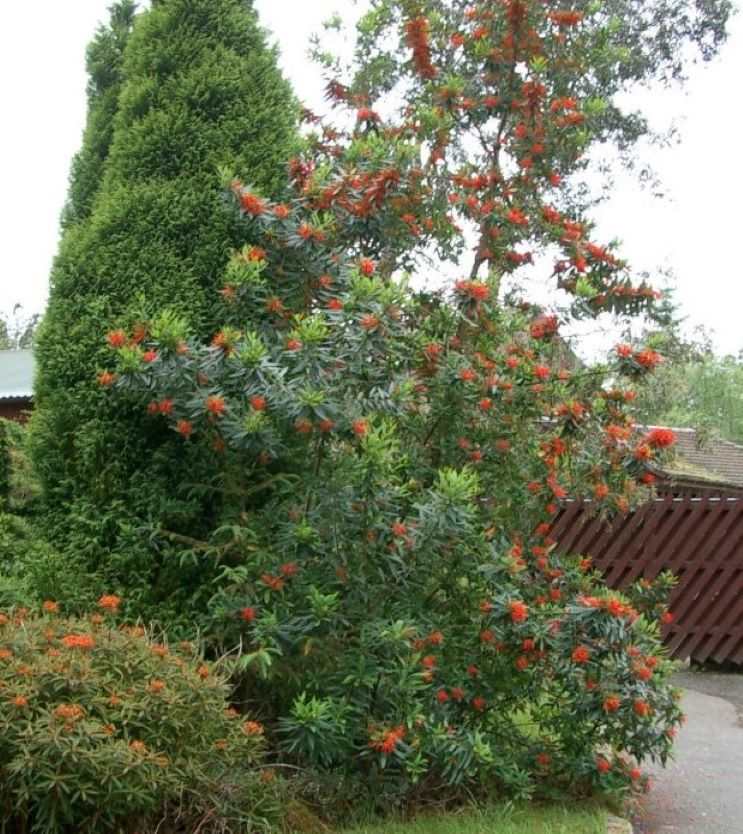
Callistemon citrinus or the Australian Bottle Brush displays the distinctive flower-heads over the neat evergreen scented foliage. This remarkable specimen was found on the west coast of Scotland were it has thrived in the mild climate. I have tried to grow it at home but only managed a couple of winters before its demise.
Camellia

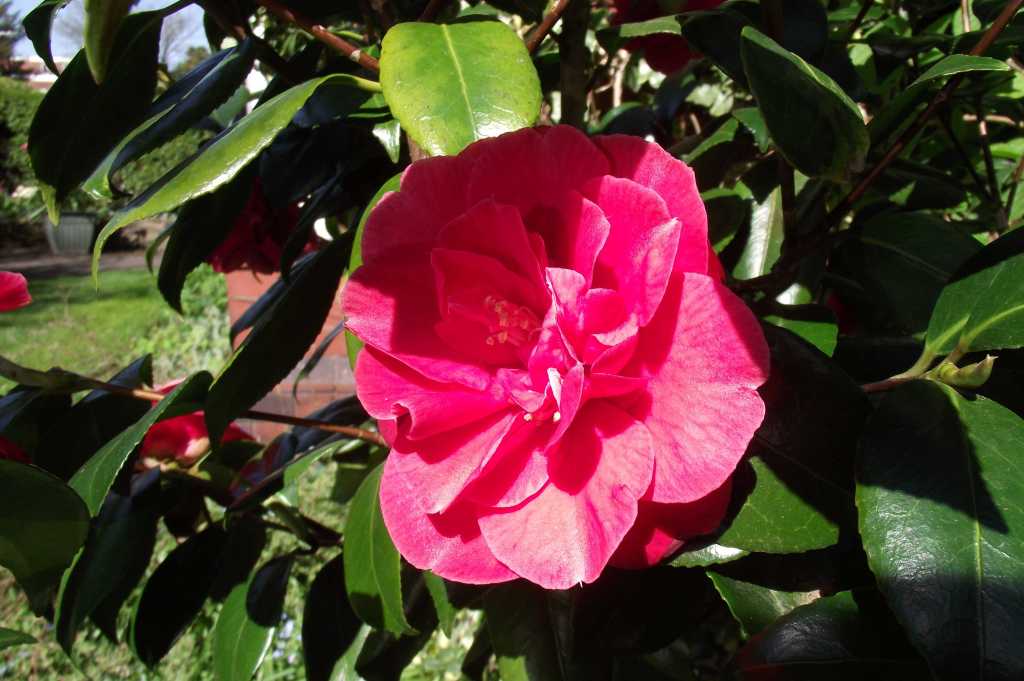


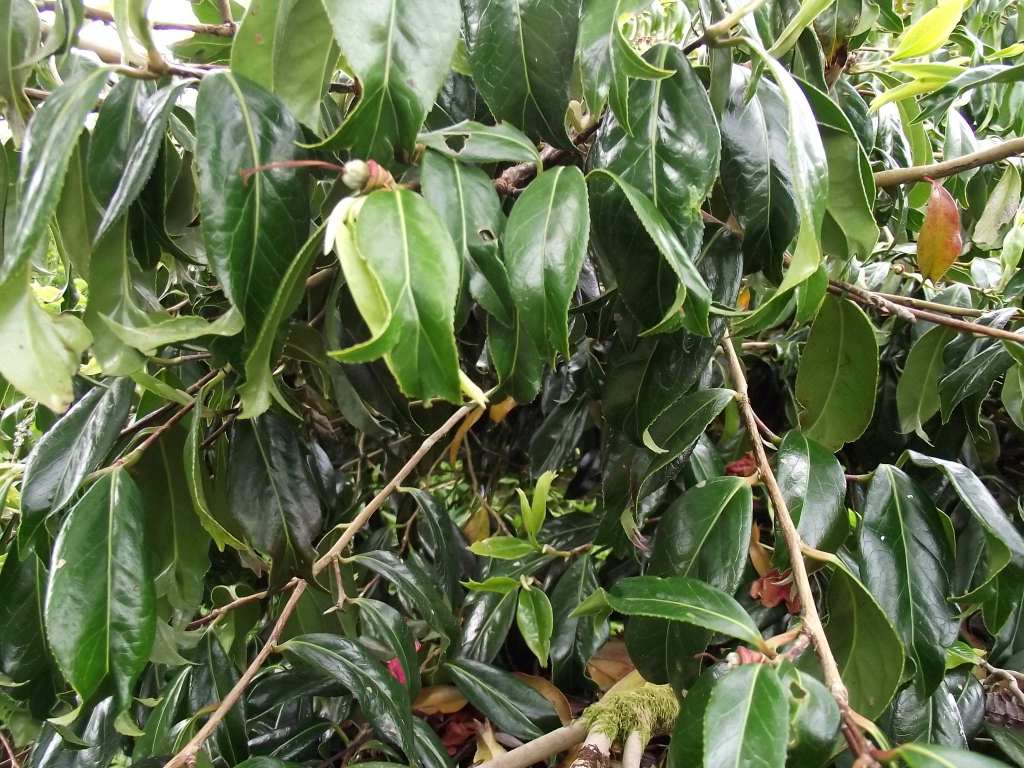
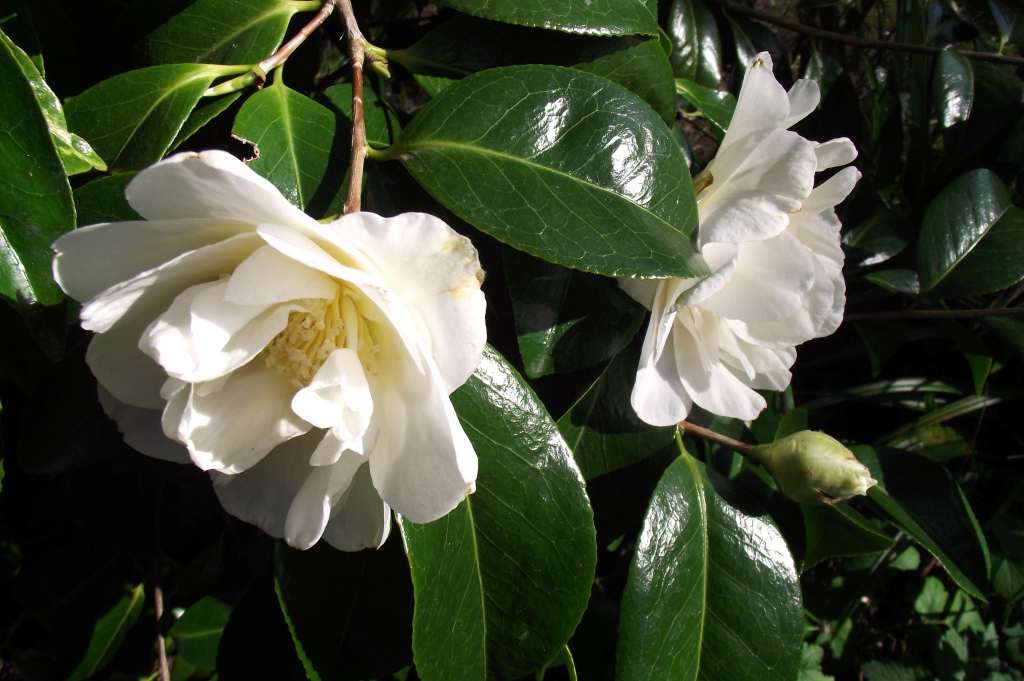
There are hundreds of cultivars of the most common camellia – Camellia japonica, many of which can become substantial shrubs or even trees. Although not in my garden I have included a picture of Camellia x williamsii ‘C F Coates’ out of interest, not for the flowers unfortunately, but for the distinctive leaves denoting it as a “fishtail camellia”.

Camellias are another genus which can be susceptible to the dreaded cushion scale pest and subsequent sooty mildew.
Clematis


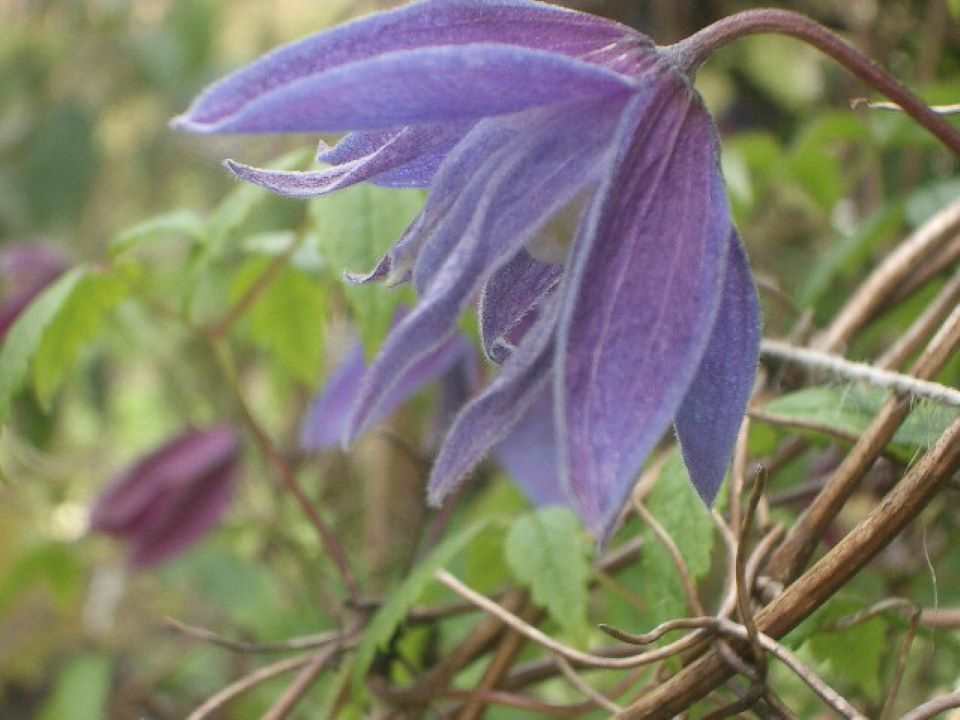

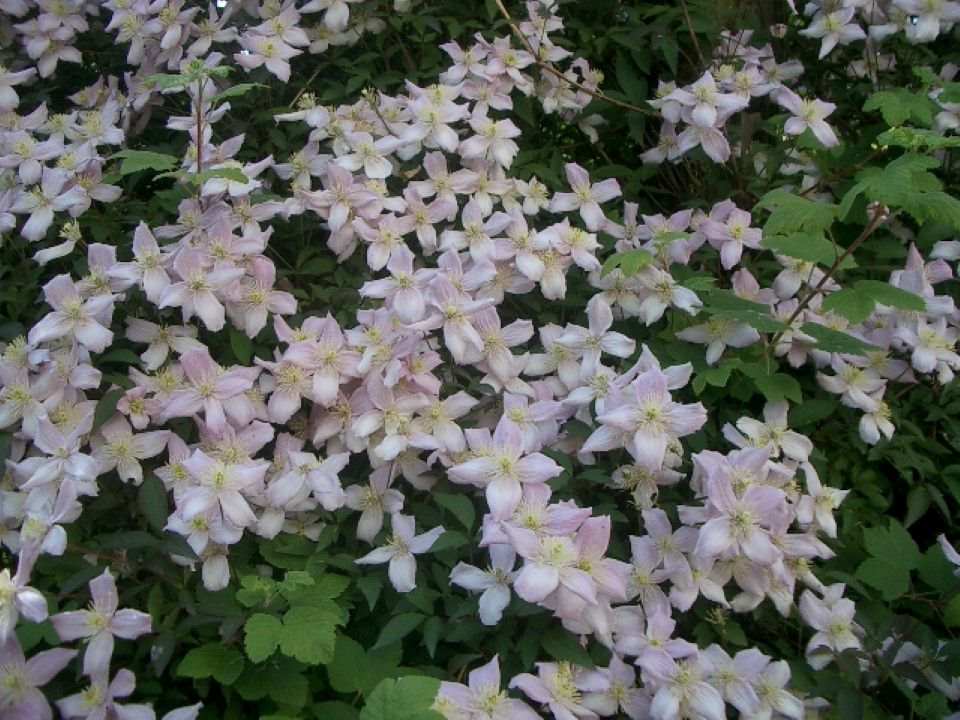


So much has been written about clematis that there is little point in me adding to it. These versatile plants suit every occasion from growing the rampant C.montana and its many cultivars to cover walls, fences or even buildings to growing the large flowered hybrids just to admire their beauty, a clematis can be found to fit the bill. They are generally trouble free, although an attack of the dreaded clematis wilt can be devastating. My personal favourite is Clematis tangutica in particularly the ‘Lampton Park’ form.
Cornus
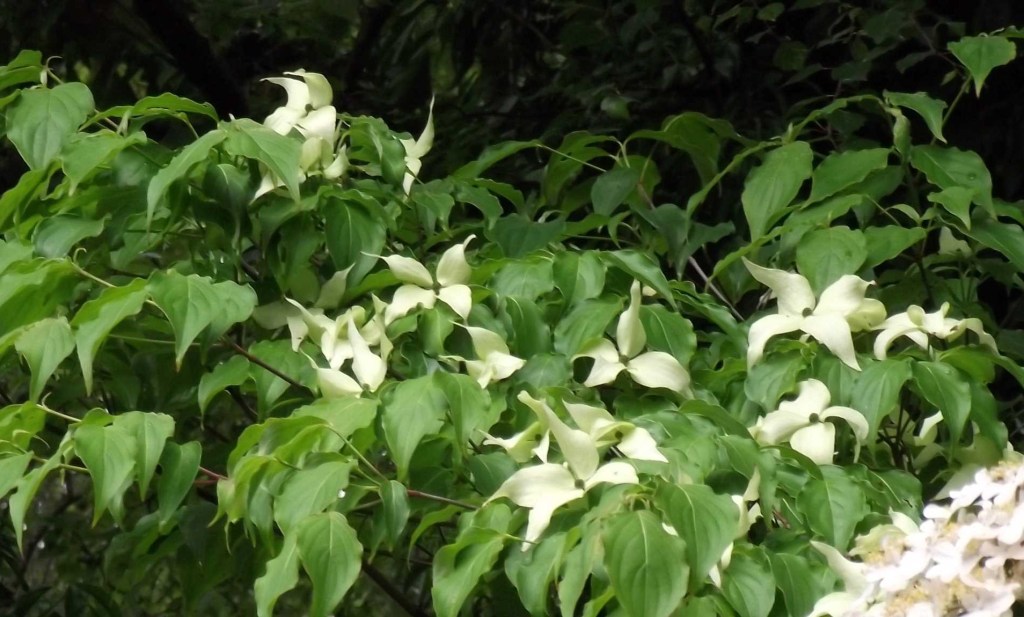
Dogwoods, mainly Cornus alba, a native of Siberia, and its forms, are grown extensively for landscaping and general garden planting for their winter bark colours, ranging from yellows to deep reds. For some reason I have not taken pictures of those I have grown, the only one I have being of Cornus kousa or the Japanese dogwood which is a small tree with colour in its seasonal foliage and from its pure white bracts which later reveal clusters of strawberry-like fruit, making it an attractive proposition for the small garden.


Continuing to work through pictures from my old garden in North West England which was surrounded by trees and had a moist, not always well-drained, slightly acid soil. This particularly enabled me to indulge my two favourite genera of meconopsis and mainly Asiatic primulas, amongst many others. All the photographs were taken in my garden unless otherwise stated.
Abutilon


Abutilons come from tropical and sub-tropical areas and as such are not fully hardy in the UK although some may survive against a sunny south-facing wall in warmer areas. My first job was for a local parks department and I will always remember the large specimen of A.megapotamicum that dominated the cool glass house with its lantern shaped flowers. A.megapotamicum was really the only abutilon that was widely cultivated but now there are many cultivars available as their showy flowers and interesting foliage have made them a desirable subject.
Acer


Acers are one of our most recognisable trees from the common sycamore (Acer pseudoplatanus) to all the various cultivars, particularly from Acer palmatum, grown mainly for their leaf colours, be it the contrasting new growth in spring or glorious autumn displays. Widespread throughout the Northern Hemisphere, although acers are not native to the UK, they are easily recognisable by their distinctive leaf shape and winged fruit. In siting a maple (acer), particularly the Japanese types, it is worth bearing in mind that very often protecting the foliage is a major objective so a cool spot out of the way of cold winds and early morning sunshine is to be preferred. One thing I have learned to my cost was acers certainly don’t like getting their feet wet, I was given a rather expensive specimen as a present which I put in, what I thought was, an ideal spot, that winter that area of the garden decided to drown and so did the acer.
Amelanchier

Amelanchier lamarckii or snowy mespilus is a member of the rose family, which is possibly a hybrid that is thought to originate from North America although it is not found in the wild there. A large bush or small tree it has white blossom in spring followed by inedible fruits and some autumn leaf colour. Likes a cool root run in moist slightly acid soil but also flowers better in full sun.
Asarina?


Completely mixed up about these, now synonymous with Maurandya these plants were grown from seed labelled as Asarina scandens and Maurandya purpusii respectively. Anyway, the climbing snapdragon is a half-hardy climbing sub-shrub hailing from Mexico and the southern United States and is grown as a half-hardy perennial or annual usually in a container. I rather like them although grown more as a novelty from a”lucky dip” purchase. To add insult to injury Maurandya purpusii that was Asarina purpusii is now Lophospermum purpusii, I give up!
Berberis


Found pretty much all over the world this genus, which is probably familiar to all gardeners in one form or another, is easy to grow, versatile and decorative as well as many of its members making ideal hedging material, their thorns making an effective barrier to both human and animal. I think most of its familiar members can be described as ‘tough as old boots’. The whitish sheen apparent on the B.thunbergii pictured is actually a powdery mildew which appeared every year regardless of the prevailing weather conditions.
Buddleja


As they are often seen at the roadside, on abandoned buildings and beside the rail-lines as a weed, buddlejas tend to have a bad press but I wouldn’t be without them and in fact have two in my new small garden. Most cultivars which are available are from B.davidii although ‘Lochinch’ is sometimes known as B.fallowiana and I have read somewhere that B.x weyeriana ‘Sungold’ is an early cross between a form of B.davidii and a South American species. Love them or hate them, I don’t think they can be surpassed in their ability to attract bees and butterflies and their intense fragrance.
Rhododendrons and Azaleas


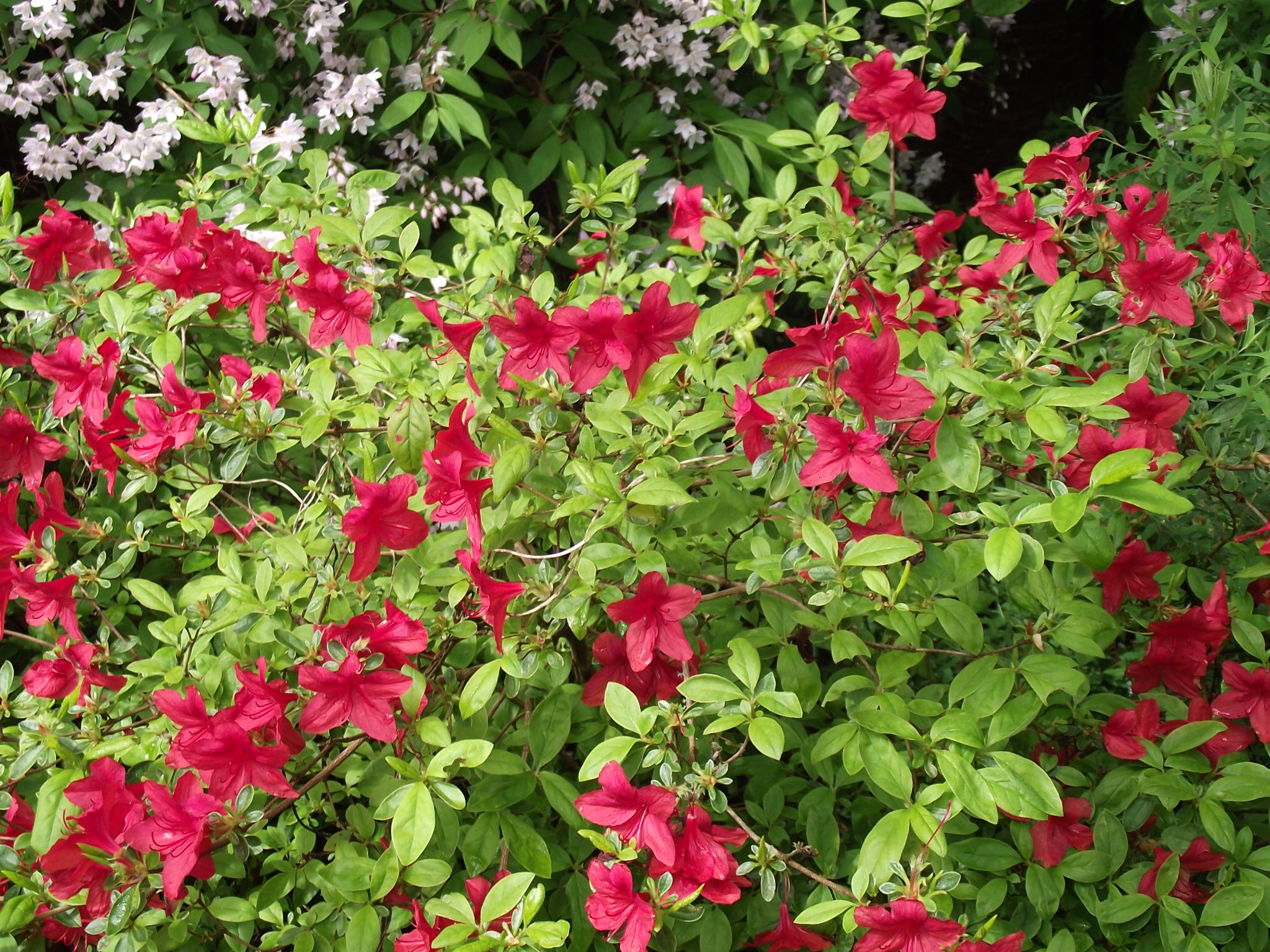
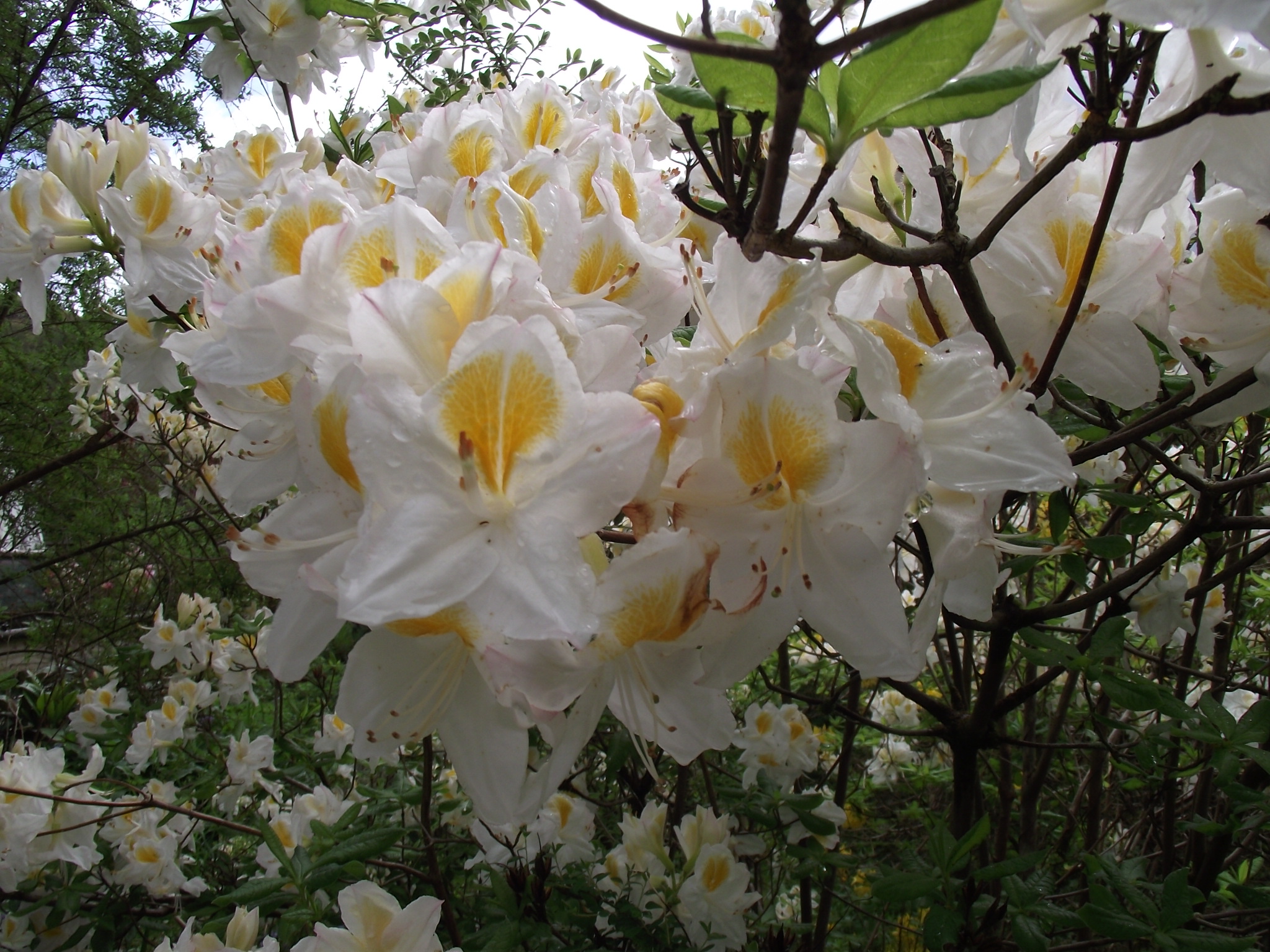

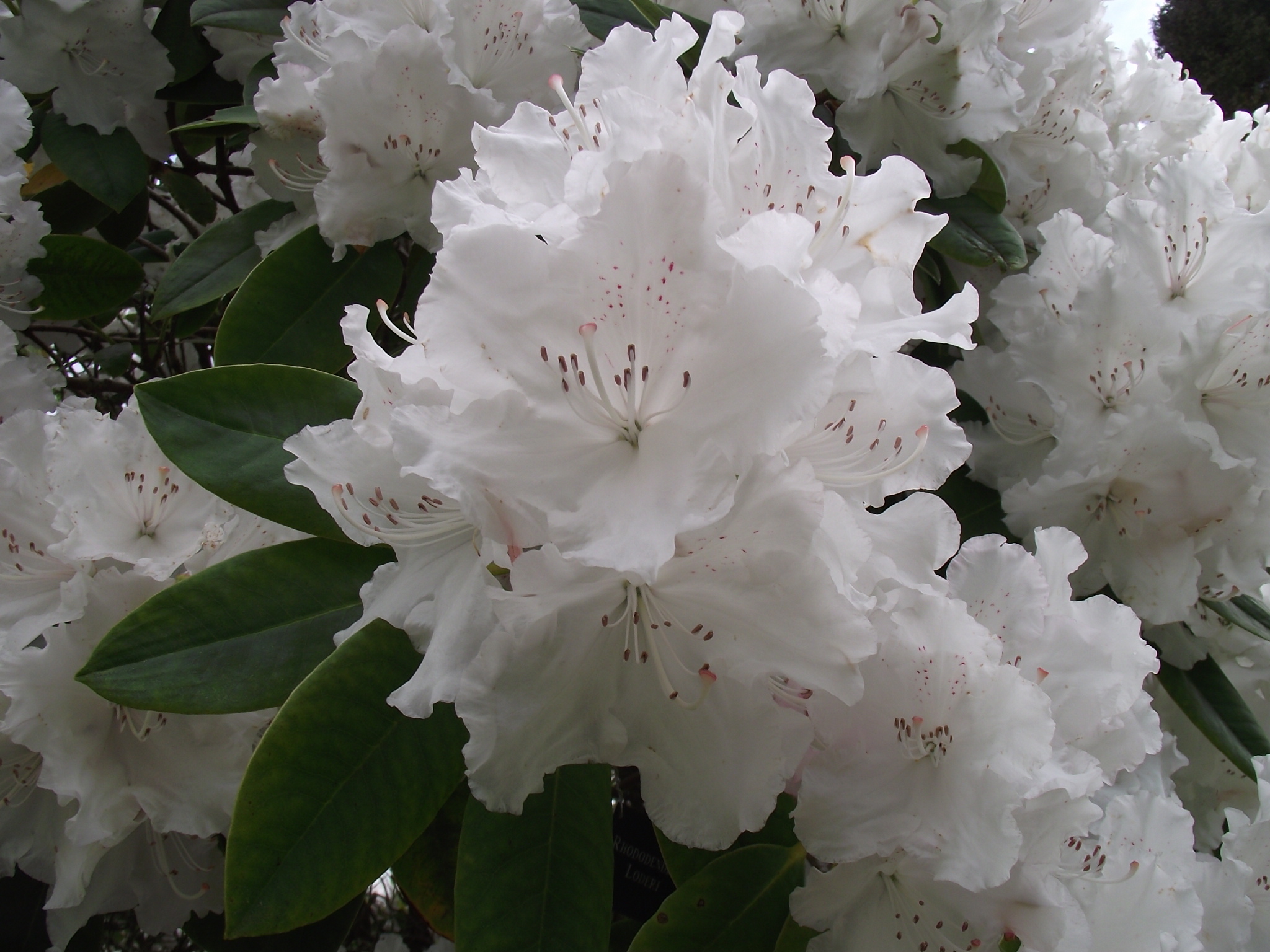


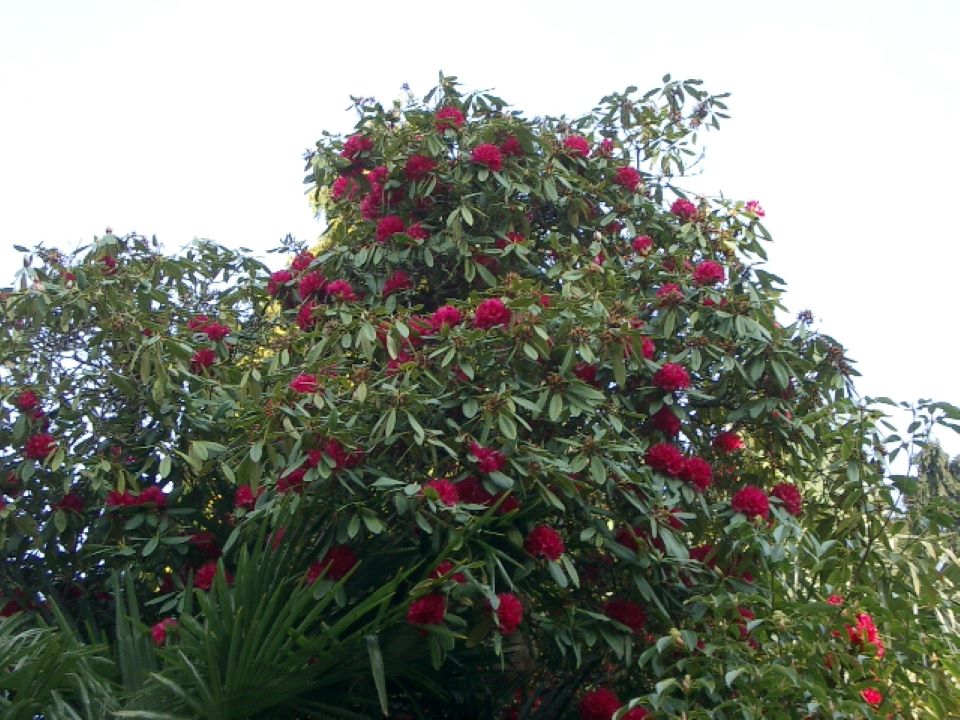
The pictures above are taken in my garden and a variety of botanical gardens that I have visited. Most rhododendron species are native to eastern Asia and the Himalayan region, but also occur in North America, Europe and Australia. Azaleas make up two sub-genera the deciduous hybrids, the best known being the Exbury Hybrids (Knaphill Hybrids) raised in the UK, and the evergreen shrubs or”Japanese Azaleas” which are often also grown as pot plants when they are sometimes known as Florist’s Azaleas. Generally speaking they are ericaceous plants and prefer an acidic, rich well drained soil to flourish, they are definitely lime intolerant and do poorly in alkaline conditions. A sight I have never seen, but I would imagine to be spectacular, are the rhododendron forests on the lower slopes of the Himalayas.

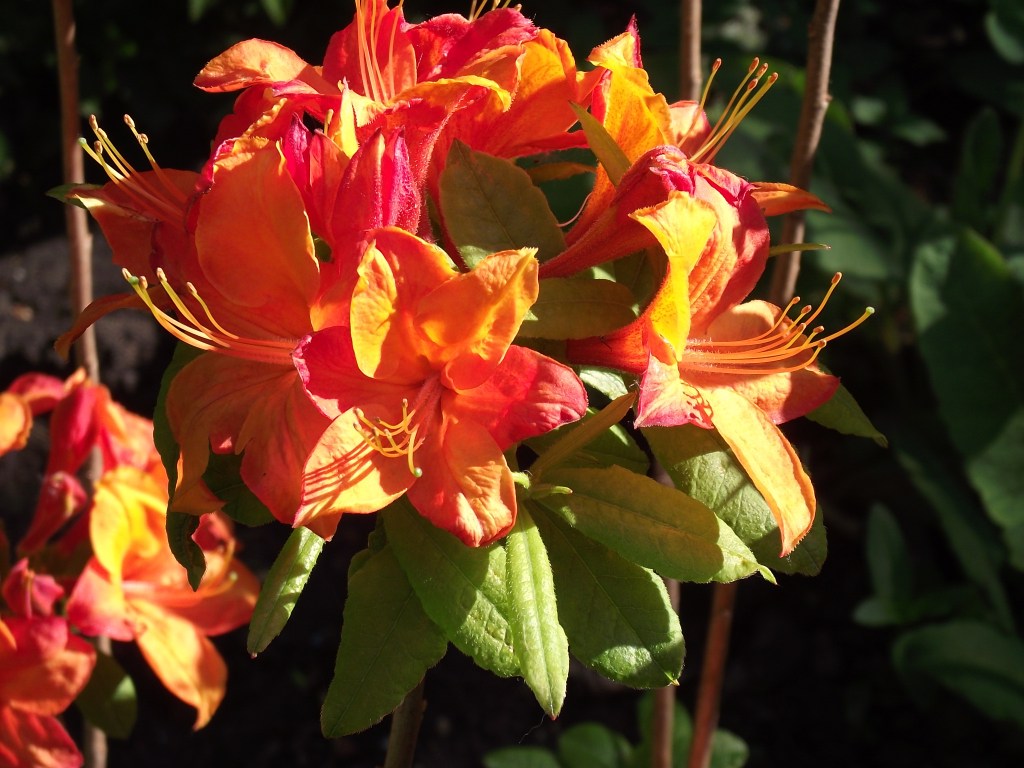

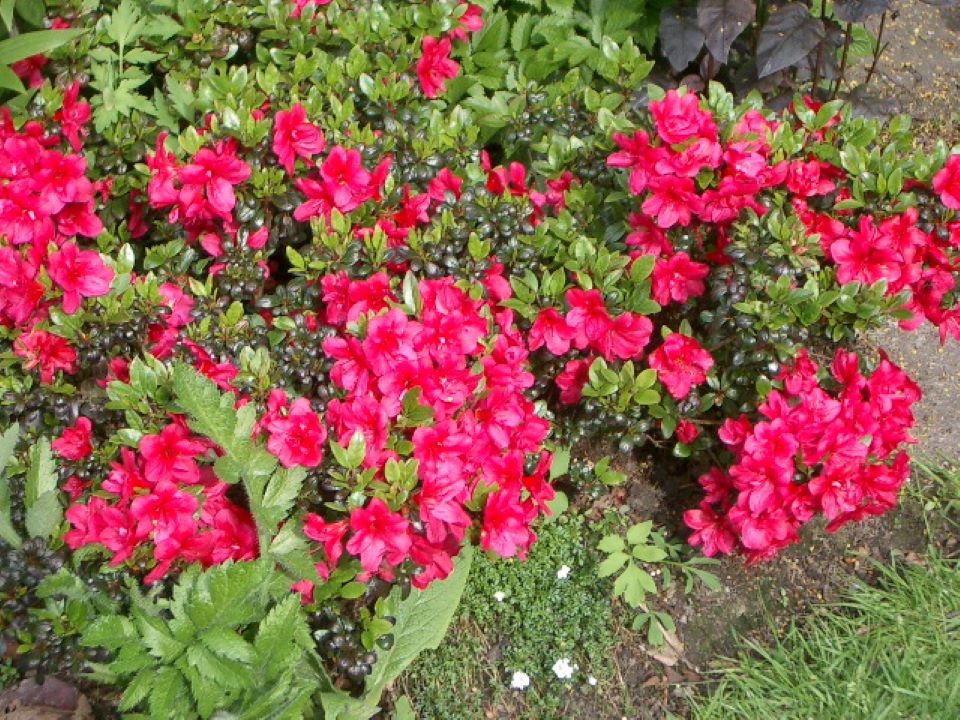


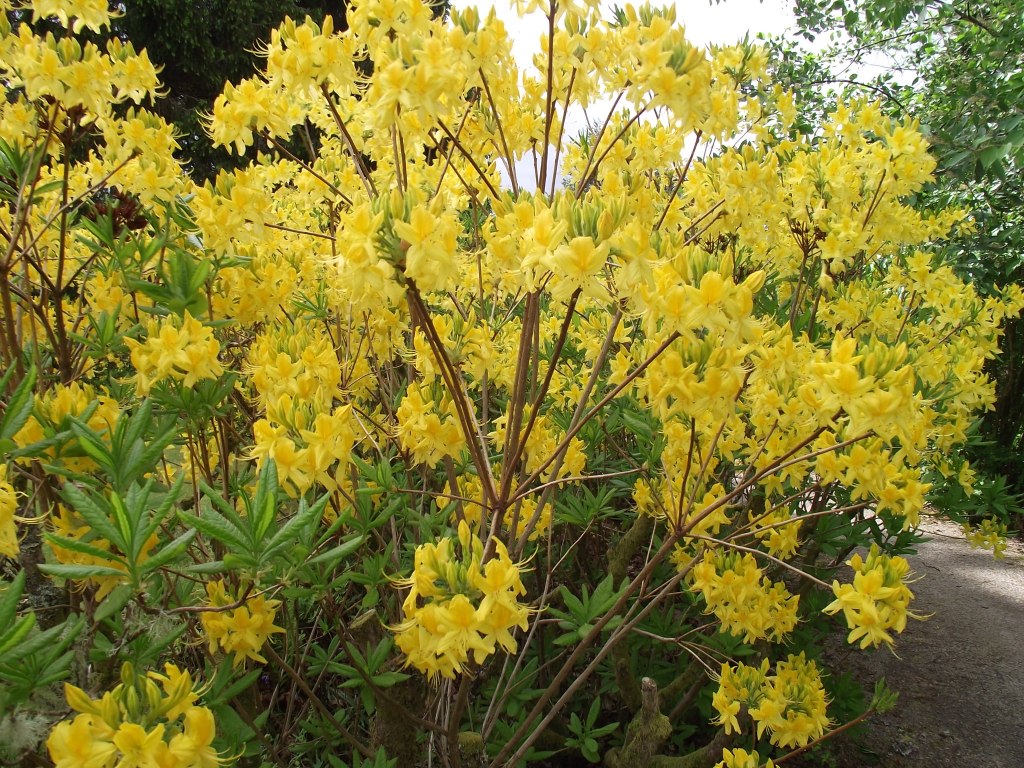
I have shown the generic name as Azalea, although strictly speaking it should be Rhododendron, to separate the thinner leaved subgenera from the plants that are usually known as rhododendrons. Azalea luteum is an outstanding plant in that it is highly scented and, although I have grown it, the picture was taken at a small gardens in Scotland, even though a bank of it was some distance from the garden entrance the scent was overwhelming as one arrived.
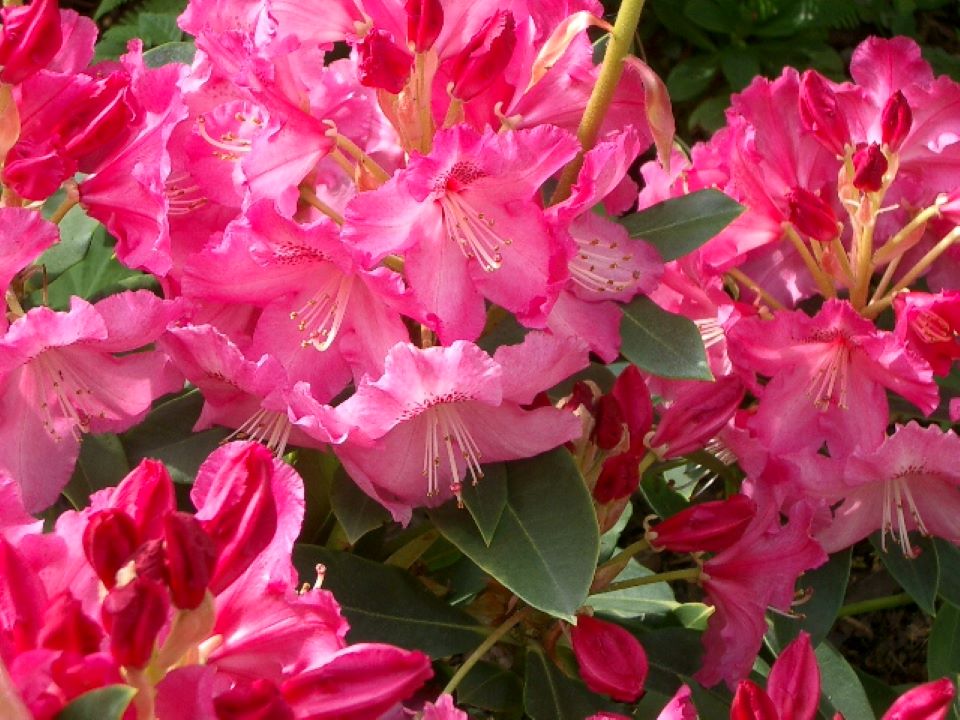


Indumentum is the quite attractive soft coating of brown hairs which is found on the underside of the leaf and sometimes on the young stems of some species of rhododendron, it can be far more pronounced on some rather than others and is completely natural…………
….……..however, a drastic solution:

At the side of the drive stood two large specimens of Rhododendron ponticum, probably the original specie and not the invasive hybrid that has resulted from the plant from the Iberian peninsula crossing with more cold tolerant species producing a hybrid capable of devastating a landscape and negatively altering the biodiversity.
Then along came:


Cushion scale is a sap sucking insect which unfortunately secretes honeydew, a sticky substance on which sooty mould thrives. The condition can affect not only rhododendrons but in my case camellias, skimmias and holly. Faced with the two large shrubs covered in mould, after spraying with a soap solution several times to no avail I decided to give them the chop. Drastic, maybe, but it is ponticum and has amazing powers of recovery, the following year there was plenty of new green shoots and in the second year it flowered. To remove the root mass was a job I didn’t want to contemplate so all in all a satisfactory conclusion.


Sisymbrium


Sisymbrium luteum is a member of a small genus of plants in the brassica family and is basically a mustard. Grown from a “lucky-dip” batch of seeds out of curiosity, I think it is an American species and grew well in standard border soil and conditions, probably more of a field plant in the wild.
Stachys

Stachys is a large genus probably the most familiar members being S.byzantina and S.lanata known as Lamb’s Ears which are evergreen carpet forming plants with woolly leaves. The plant illustrated was grown from seed labelled S.recta however the problem is that S.recta is the Yellow Woundwort! Other members of the genus include various Hedge-nettles and Betony. When it comes to cultivation most seem able to grow in fairly poor dry conditions.
Strobilanthes


A member of a genus that is widespread throughout Asia, Strobilanthes wallichii or the Hardy Persian Shield is a Himalayan plant which thrived in my “woodland garden”. One of the few plants producing such intense blue flowers it is a welcome late-flowering addition to any garden.
Stylophorum


Stylophorum lasiocarpum, the Chinese Celandine Poppy is a biennial or short lived perennial from Central China. The flowers don’t last but I find the tapering seed pods fascinating, when they eventually ripen the seeds are ejected explosively. Best grown in moist soil in sun or partial shade.
Symphyandra

Symphyandra hoffmannii is a rather beautiful member of the campanula family from the Balkans. This biennial or short-lived perennial is rarely seen but is easy to grow and sets copious amounts of seed to the extent, if left to its own devices, it is capable of producing great drifts of flowers which are both long-lasting and go on to late in the season. A real gem.
Sysrinichium

Sysrinichium striatum is an American member of the Iris family which has a variety of common names such as pale yellow-eyed grass because of its narrow leaves giving it a grass-like appearance. It is actually rhizomatous and as one would expect prefers a well-drained soil in a sunny spot to thrive.
Telekia

Telekia speciosa sometimes known as the yellow ox eye is a superb plant for the back of the herbaceous border. A rhizome forming plant it is easy to grow in any good border soil and reasonable aspect. The subject above looked particularly striking with the background cotinus for contrast.
Tradescantia

Tradescantia is probably a genus more associated with house plants known as spiderworts such as T.zebrina and T.pallida however one species makes an attractive border plant. Tradescantia x andersoniana is the group classification for a range of cultivars that have been developed by the plant breeders. They are all easy to grow in well drained soil in sun or partial shade. Note the generic characteristic of three petals.
Tricyrtis


The toad lilies originate from Japan and Taiwan (T.formosana) they are best suited to shady areas in a rich moist acidic soil and will in fact tolerate quite heavy shade. They thrived in my “woodland garden” their rhizomes spreading well. One can’t help but be fascinated by the exotic orchid-like flowers being produced on such a tough little plant.
Trillium


Trilliums are beautiful spring-flowering plants from Asia and the United States. The name is self-evident three petals being born above three leaves makes them very distinctive. They are another woodland subject and thrive in the same conditions as tricyrtis, once planted best left alone as they are not fond of being disturbed. In the wild T.grandiflorum, in particular, forms huge drifts in deciduous woodland.
Verbascum


The mulleins are a large genus of mainly biennial and perennial plants which are both easy to grow in any good to poor soil in a reasonably sunny position. Although they are native to Europe and Asia V.thapsus is now in fact a familiar field weed in some states in America. They are all easy to raise from seed and some of the big ones such as the biennial Verbascum ‘Arctic Summer’ are definitely a talking point with their large woolly leaves and 6′ flower spikes. To be honest a favourite of mine.
Verbena

We are all familiar with the summer bedding and trailing verbenas but Verbena bonariensis is now listed in most of the main online catalogues as a wonderful go-to plant which I don’t think is entirely accurate. I admit it is quite exceptional in many ways but illustrates everything I hate in the horticultural industry of which it is not the only example. I have grown this in my shaded garden with little success which is what I would expect as in reality it will only do well in light soils in a sunny position along with many other plants particularly those included in the prairie planting trend. It is easy to grow from seed but although it is perennial I would expect it to be short-lived in other than ideal conditions.
Vinca

There are basically two forms of the periwinkle grown V.major and V.minor both make excellent if somewhat rampant ground-cover plants. Tolerant of most conditions they are a stalwart for weed suppression under shrubs or even roses. There are white flowered forms available a particularly good one being Vinca minor f. alba ‘Gertrude Jekyll’.
Viola


I have only photographed pansies in views of bedding or baskets but here are a few violas I have grown. It is impossible to cover the subject here as it is so far wide ranging including some delightfully scented specimens. Basically easy to grow, versatile and rightfully popular.


Rheum


Rheum tanguticum (syn. R. palmatum var. tanguticum) is a fairly uncommon form of Giant Rhubarb, I have included several pictures of it in various stages of growth because it is definitely one of my favourites. This spectacular plant is at home in the bog garden and mine was planted next to a bird bath which frequently overflowed providing an ideal spot for it.
Rodgersia

Rodgersias are another moisture loving plant suited to the pond or stream side. Unfortunately the plant pictured, although in moist soil, did not give of its best as the soil was probably not wet enough. The young leaves have a reddish tint and become quite shiny as they age dying back in the early winter. The flower stems can be left on for winter interest.
Rudbekia


Rudbekias particularly R.fulgida often known as Black-eyed Susan are a staple of the cottage garden border however there are many beautiful varieties, particularly from R.hirta which are used as annual bedding, biennials or short-lived perennials. Native to N.America and Canada they all prefer a moist but well drained soil and will flower best in full sun.
Sanguisorba


Burnets are members of the rose family that range over the Northern Hemisphere, S.menziesii comes from Alaska. A useful border plant they will tolerate most soil types and grow equally well in sun or part-shade.
Saxifraga

I used to grow many mossy and encrusted saxifrages back in my “alpine days” my favourite being the spectacular S.longifolia, S. fortunei is however a different animal altogether. Introduced from woodland in China it is not widely grown but is an ideal subject for the shaded garden. It looks very different from what many people would think to be a saxifrage but the clue is in the flower if you look closely. Despite it being rare in the UK there are many varieties in cultivation as a result of plant breeders in the far east selecting them for leaf colour rather in the same way as heucheras. One of this lovely plant’s greatest assets is that it flowers from autumn until the frost eventually shuts it down.
Scabiosa

Plants in the genus Scabiosa come in all forms and sizes, annuals, biennials and perennials both evergreen and semi evergreen. There are quite a few cultivars grown in the herbaceous border and cottage garden in colours varying from the most common blue through to deep magenta and white. S.drakensbergensis, as its name suggests comes from the Drakensberg mountains in S.Africa and is a white flowered, clump forming hardy perennial which makes a useful subject for the more informal garden. The specimen shown was grown from seed.
Schizostylis

Schizostylis coccinea or Kaffir Lily is a semi-evergreen rhizomatous member of the Iris family of which there are several cultivars generally ranging through shades of pink. They are fairly easy to grow in a well drained sunny spot and have the added advantage of flowering through autumn and into winter, sometimes still being in flower at Christmas in a mild winter.
Sedum


Sedum is a large genus of plants having both succulent leaves and stems commonly known as stonecrops. They come in many forms from the more familiar creeping plants, border plants such as those shown above, and even shrubs, which to be honest I have never seen. Easy to grow given a well drained soil and sunny position, it goes without saying that they are drought resistant, and are ideal border subjects for autumn colour. The cultivar S. ‘Jose Aubergine’ is remarkable as it has dark leaves similar to the flower colour rather than the more usual silvery grey/green. I swear that the scientists who are studying DNA are there just to make the gardener’s life difficult, Sedum is now reclassified as Hylotelephium and I have just read that our nice and simple Sedum ‘Autumn Joy’ is now Hylotelephium x mottramianum ‘Herbstfreude’ !
Silene


Another massive genus, up to 1000 species, Silene or Campions come in all shapes and forms and are widely distributed as can be seen from the names of the plants illustrated. Really too diverse to delve into here it is sufficient to say that the garden varieties are easy to grow in a well drained soil in a sunny spot, think of them as meadow plants. One drawback worth mentioning is that they are not generally long-lived but on the plus side set copious amounts of seed.
Took a walk round my small garden a few days ago as we were expecting frost. Here are some things I found.


Nomocharis

Nomocharis are beautiful members of the lily family from China, Tibet and Burma which I have found best suited to my “woodland” area where they have done well in a rich moist well drained soil in dappled shade. They are quite rare and to buy the bulbs can be costly, the plants that I had were grown from seed and flowered in their second year.
Omphalodes
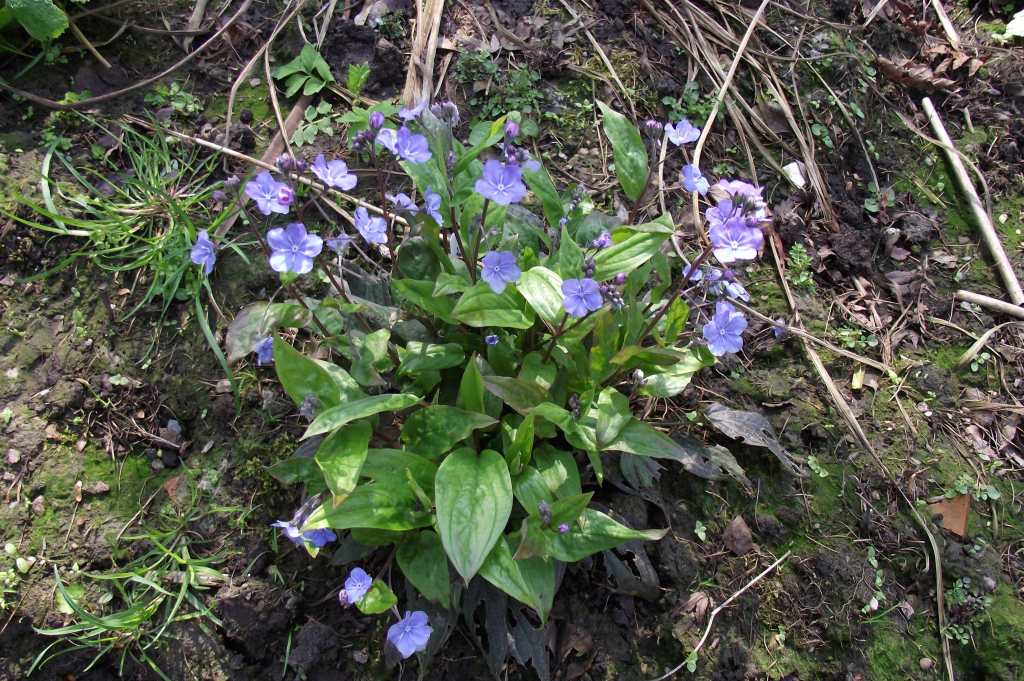
Omphalodes cappadocica is a useful ground-cover for a shady damp spot in the garden. Although it does like moist soil, along with most plants, it doesn’t appreciate winter waterlogging. The cultivar ‘Cherry Ingram’ has larger than the specie flowers carried over the attractive semi-evergreen leaves.
Paeonia

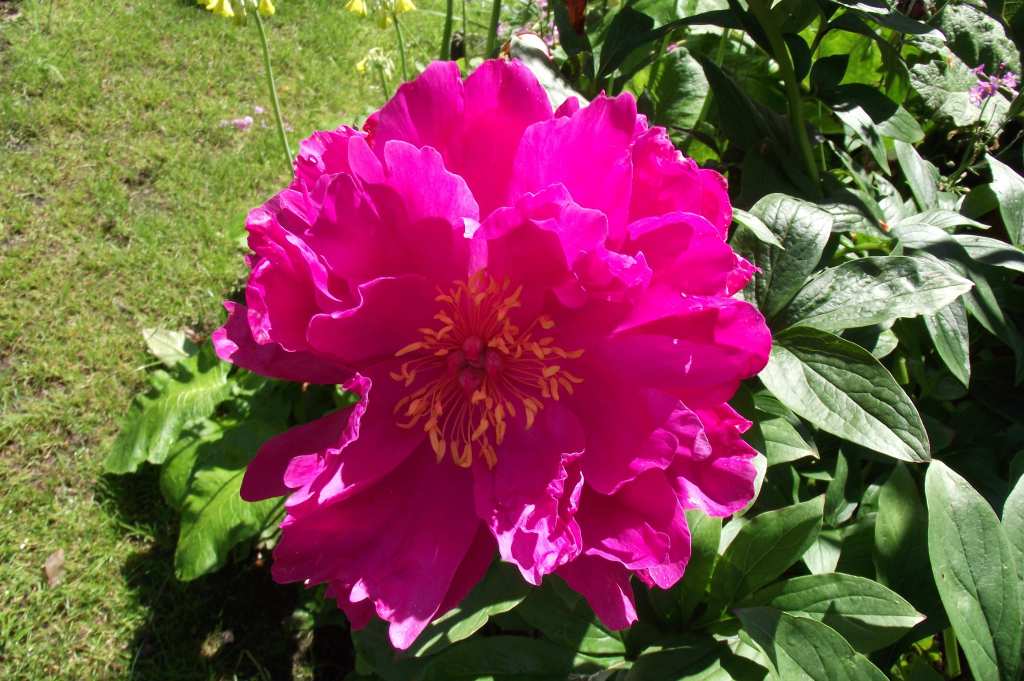

Peonies can be split into two main groups, the herbaceous paeonies for the border and the tree peonies which are really shrubs. Herbaceous peonies such as ‘Rubra Flore Plena’ make excellent border plants and are to be seen in many cottage gardens. They are slow growing but the spectacular blooms in spring and early summer are worth waiting for. Tree peonies generally flower earlier than the border varieties and make excellent plants for the back of a large border or as spot plants in a lawn. Although the flowers are over quite quickly the attractive feathery foliage makes a perfect foil for other flowers. In my experience the herbaceous plants don’t like being moved and new plantings take a while to establish.
Papaver


Poppies are probably familiar to everyone ranging from the common field poppy, Papaver rhoeas to the big blowsy cultivars of Papaver orientale the Oriental Poppy. Annuals such as P.rhoeas, P.commutatum (Ladybird Poppy) and P.somniferum the Opium Poppy are best sown direct in the spring. The perennials, cottage garden stalwarts, are raised from seed in the usual way or purchased as plugs or plants.
Parnassia

The large leaved Grass of Parnassus is a rare plant in both cultivation and the wild mine being grown from society seed. Because they come from the wetlands of SE United States they are obvious candidates for planting in a water garden environment. A close relative of the Grass of Parnassus, Parnassia palustris, which was once a feature of UK wetlands but is now in decline.
Penstemon

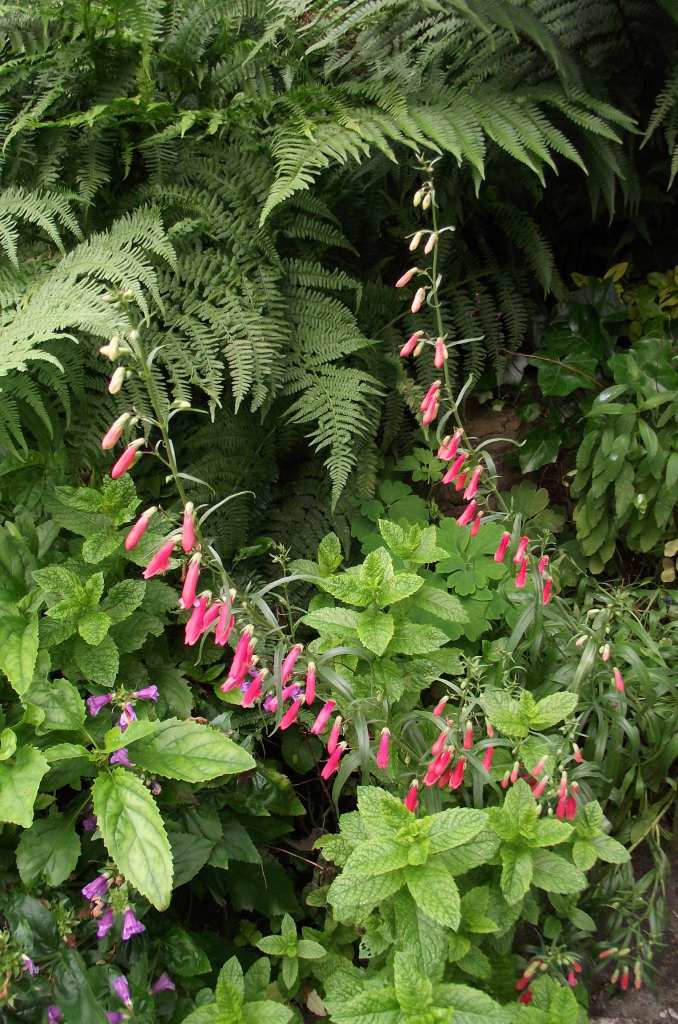


Penstemons are an American native which have become very much part of the herbaceous border in relatively recent years due to the efforts of the plant breeders probably the best known strain being the Pensham cultivars raised by Edward Wilson in the village of Pensham near Pershore, Worcestershire. Plants are not too fussy on soil type but need to be in a sunny spot. They are semi-evergreen and are best cut down to about 6″ above ground level in March to avoid a proliferation of woody stems, coincidentally this is also an ideal time for planting out. Cultivars are bought as plants or plugs whilst there are several species which can be raised from seed.
Persicaria
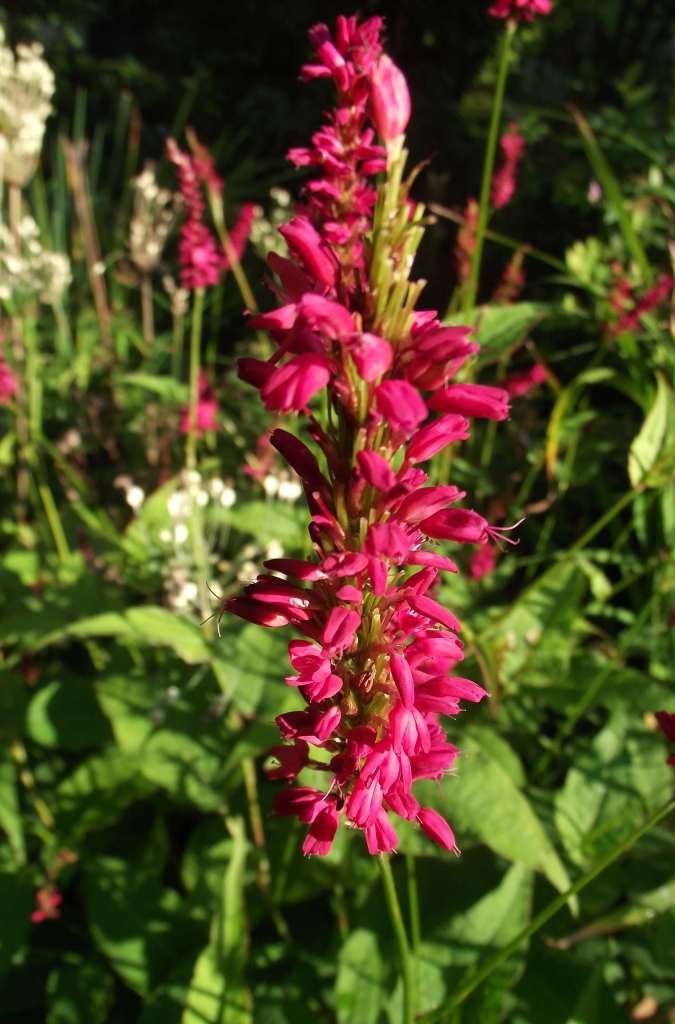
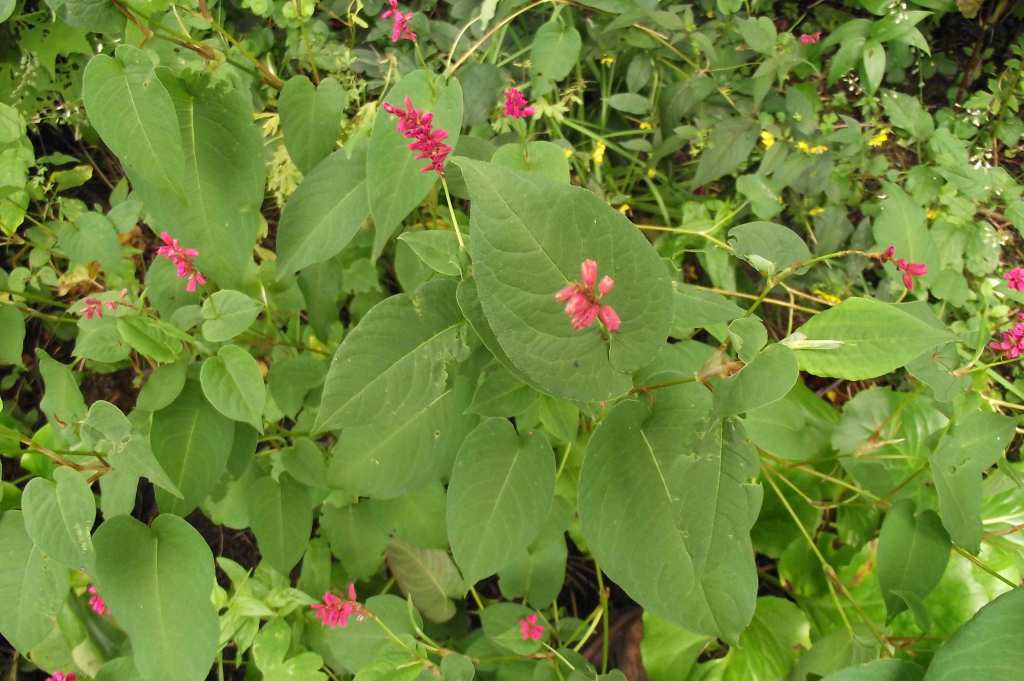

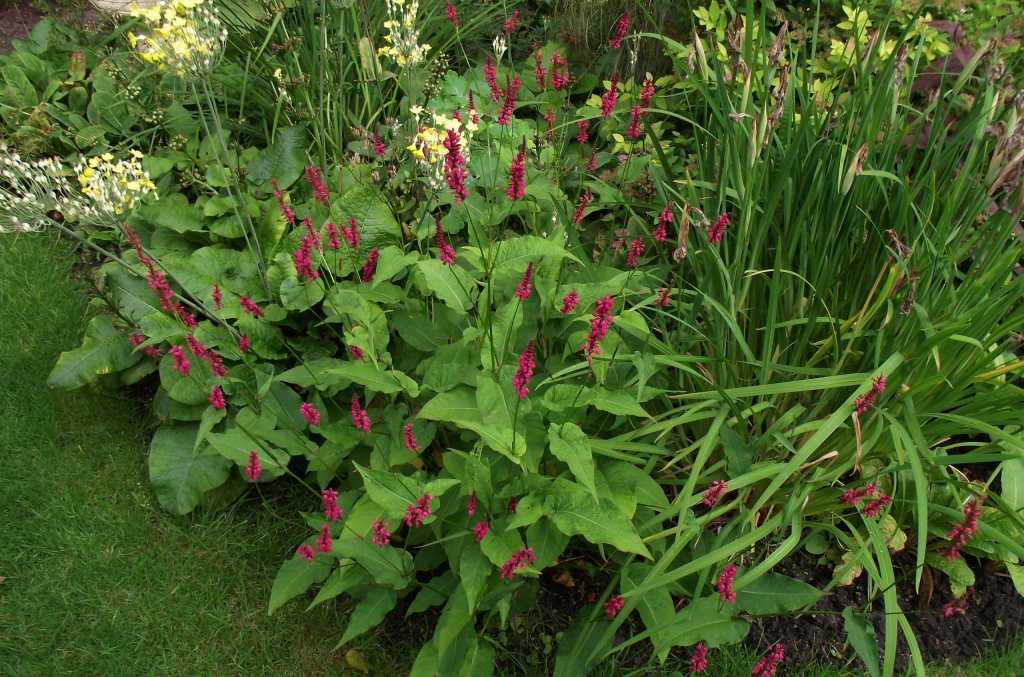
The genus Persicaria, sometimes known as Red Bistort hails from the Himalayan regions. Those I have grown have been a useful addition to the front of the border where they need plenty of room to contain their robust rather sprawling habit. Mainly semi-evergreens several also give a brief period of attractive autumn colour. The variety ‘Inverleith’ is smaller and not as robust as the specie plant making it more suitable for the less spacious garden.
Phlox
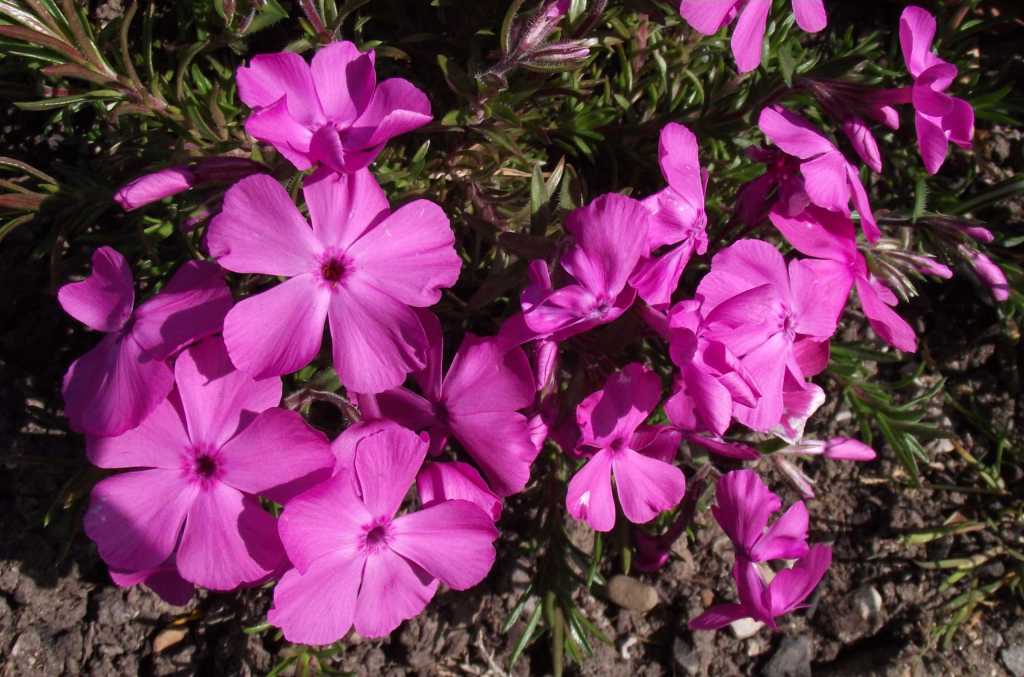


Phlox can be divided into two main types, the well-known herbaceous plant, Phlox paniculata and its cultivars, stalwart of the cottage garden and cut-flower section of autumn gardening shows, and the cultivars of P.subulata the low growing plant for the rock garden. Herbaceous phlox are easy to grow in sun or part-shade in virtually any soil types but as they are plants from the woodland edge prefer a rich moist soil to do there best. The rock phlox are typical alpine plants doing best in a well drained soil in full sun. it is worth noting that many varieties of both types are scented.
Physaria
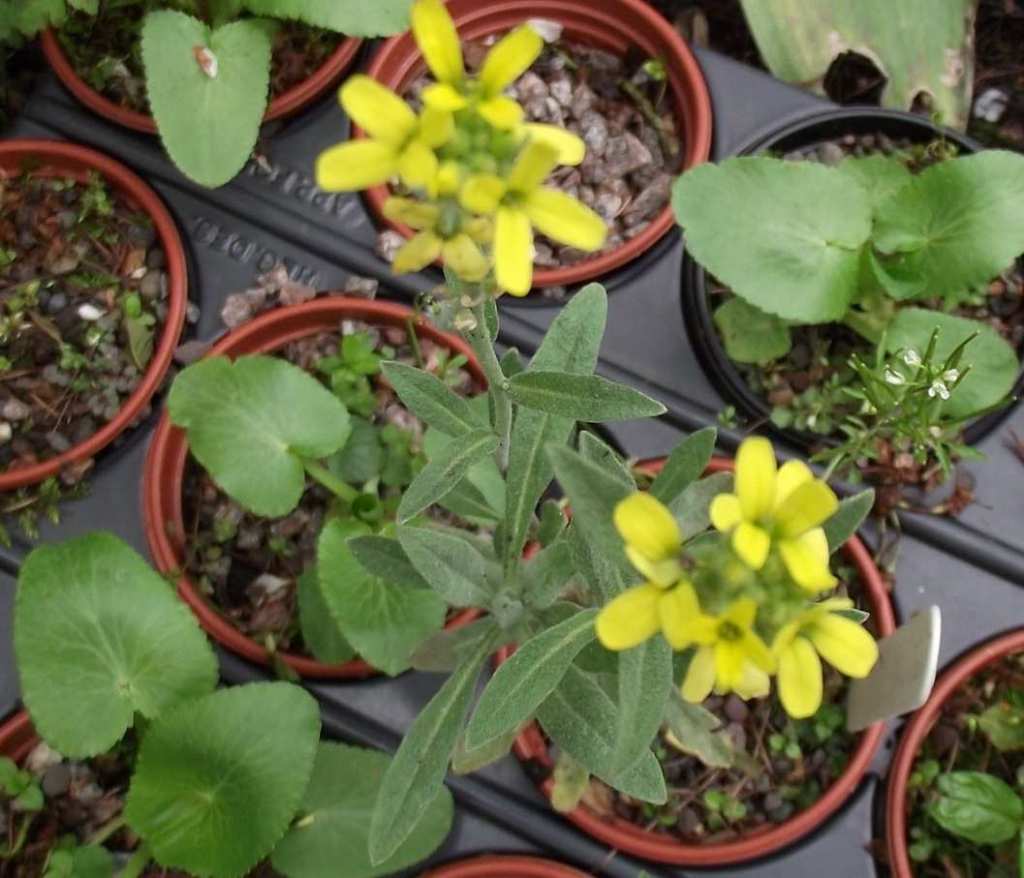
A real oddity Physaria didymocarpa or twinpod, an American member of the mustard family grown from a lucky-dip seed distribution out of curiosity. I rather liked the combination of the greyish leaves and yellow flowers.
Pulmonaria
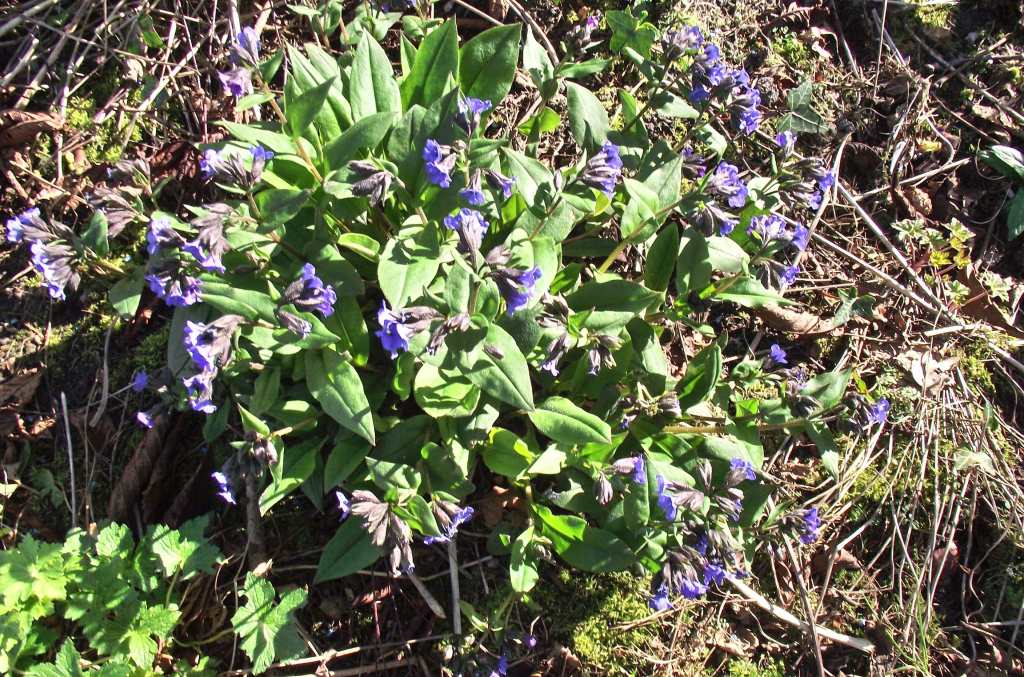
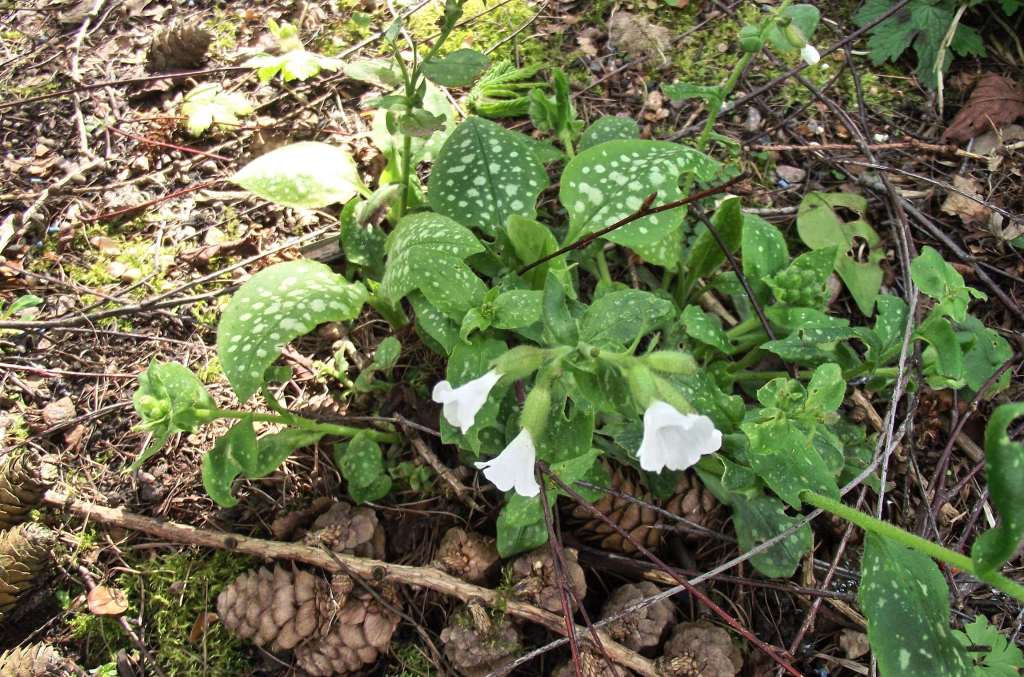


Pulmonaria, Lungworts have emerged from obscurity in recent times due to the efforts of the plant breeders who have developed a great range of variety in both flower and leaf colour. Ideal shade plants they flower early in the spring and thrived in the rich moist soil of my “woodland” garden.
Pulsatilla

The Pasque Flower, P. vulgaris is related to the buttercup and was once known as Anemone pulsatilla. This rather beautiful spring-flowering plant comes from Europe where it is found growing in calcareous upland meadows but is a rare sight growing wild in this country due to the erosion of its habitat. Grows best in rock garden conditions in a well drained gritty soil in full sun. Easy from seed but it does not take well to transplanting once established.


I have been looking back at some older pictures which I took with a different camera and realised that I had missed a few genera out previously so here they are.
Acanthus mollis

Acanthus mollis or Bear’s Britches is an easy to grow robust herbaceous perennial with striking flower spikes and glossy semi-evergreen leaves, a stalwart of the cottage garden.
Adenophora


Adenophoras, sometimes known as Lady Bells are a close relative of the campanulas but those I have grown had a more dainty habit with smaller bells. Like campanulas they are generally easy going but averse to winter wet. Easy from seed.
Agapanthus

The agapanthus or African Lily is a popular plant for both the border and containers. Originating from S.Africa it needs full sun in virtually any free-draining soil but will not tolerate winter wet. There are many colours available ranging through blue and purple shades to white. Although they are regarded as hardy I personally would not guarantee it and advise caution.
Alchemilla


Alchemilla mollis or Lady’s Mantle has been a familiar sight in gardens for many years, it is both easy to grow and seeds itself regularly. Not a great favourite I must admit but it is interesting to note where the name came from. Legend and botanists have it that the alchemists of old used to collect the morning dew from its leaves for their potions, hence alchemilla.
Anaphalis

Grown from seed out of curiosity Anaphalis triplinervis is an unusual plant with its everlasting flowers held over attractive silver grey leaves. A member of the aster family it hails from the Himalayas and, although it is of interest to the flower arrangers, it wasn’t for me.
Cynara


Cynara cardunculus known as the Cardoon or Cardoon Thistle is an extraordinary plant, the artichoke is a more refined version of it. It prefers a light well drained soil in full sun to do its best. It is a robust hardy perennial whose flower heads, coming in late summer, are attractive to bees and other insects. The third picture was taken in Scotland the other two in my garden.
Cyclamen


I don’t know how I managed to overlook cyclamens as they are one of my favourite alpines. Unlike the well known house plant, usually cultivars of C.persicum, hardy cyclamen come easily from seed and are ideal for the “woodland garden”. Cyclamen coum is a winter flowering plant appearing in early winter and spring, whereas Cyclamen hederifolium is in flower in late summer and early autumn. Both have several cultivars with variations in both flower colour, including white, leaf markings and shades. One tip as they spend much of the year dormant you need to mark out or remember where they are. Small but very rewarding.
Dipsacus

Teasel is a biennial but I have included it here as it makes a good border plant the upright stems and old calyx remain standing adding winter interest. The tiny blue flowers appear in a band round the flower-head and the resulting seeds are attractive to goldfinches. The foliage is quite attractive and has spines along the underside of center rib. Definitely one for the flower arrangers.
Echinops


Like most thistles Echinops ritro, the Globe Thistle, can thrive in dry poor soil in full sun. A spectacular addition to the border it has grey-green toothed leaves with a whitish underside, the flowers are purple and attractive to bees and other insects. Another popular plant for the flower arrangers.


Kirengeshoma


Kirengeshoma palmata or Yellow Wax Bells is a member of the Hydrangea family from Japan and the adjacent Chinese mainland. Needs a shady spot on lime-free moist soil making it an ideal woodland plant.
Lamium


Lamiums or Dead Nettles are found throughout Europe and North Africa. They are robust plants and can tolerate dry and often shady conditions. Lamium maculatum is an excellent ground-cover subject which spreads by throwing down roots from its trailing stems, Lamium orvala however is more upright in its growth.
Leucanthemum

Shasta Daisies sometimes wrongly called Marguerites, are an outstanding border perennial and cottage garden plant. Leucanthemum x superbum has an interesting history in that it is the result of several inter-species crosses resulting in a triple-hybrid that was then crossed with a species from another genus producing an inter-generic hybrid. They thrive in any good garden soil in sun or part-shade, attract bees and other insects and make good cut-flower subjects, what more could one ask from a plant?
Lewisia

One of my favourite plants from my alpine growing days lewisias are actually a tap-rooted succulent from the mountains of California and as such, although winter hardy, will not tolerate damp conditions. I have found they are best planted in a very gritty mix on a slope or in a rock garden crevice. They are very rewarding subject, the flowers coming in a wide range of colours which stand out well against the dark green strap-like leaves and make an excellent plant for the alpine house.
Ligularia

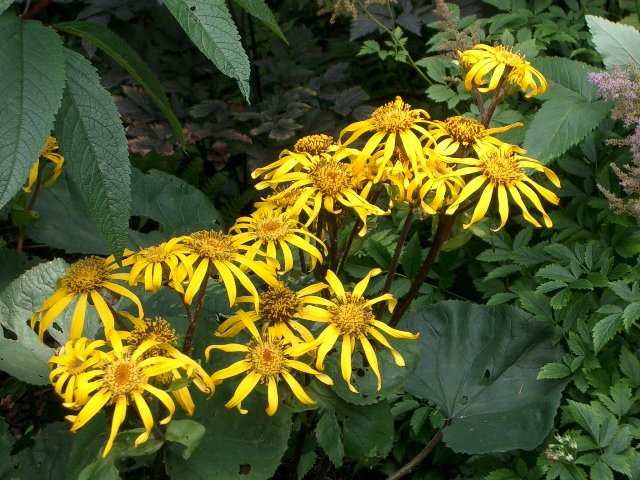


Ligularias are tall hardy herbaceous perennials mainly from China. They make a bold statement in the border with their striking foliage (particularly ‘Desdemona) and bright yellow flowers. They are moisture lovers and as such do well round the pond or stream side.
Lithodora (Lithospermum)


Another favourite from my “alpine days” when it was known as lithospermum. Lithodoras are a widespread genus but come principally from the USA. They make good edging plants particularly around pathways and are a staple of the rock garden. They require acidic, moist but free-draining soil in either sun or partial shade.
Lobelia


Quite different from the lobelia bedding plants which we are all familiar with Lobelia tupa is a woody upright plant growing to around 6′. It is a native of Chile so only truly perennial in warm gardens in the UK where it will tolerate quite dry conditions. I grew my plants from seed and managed to get a couple of winters out of them without protection. Another lobelia of merit is Lobelia cardinalis which is very similar in appearance but much hardier hailing from right through the Americas including Canada.
Lupinus
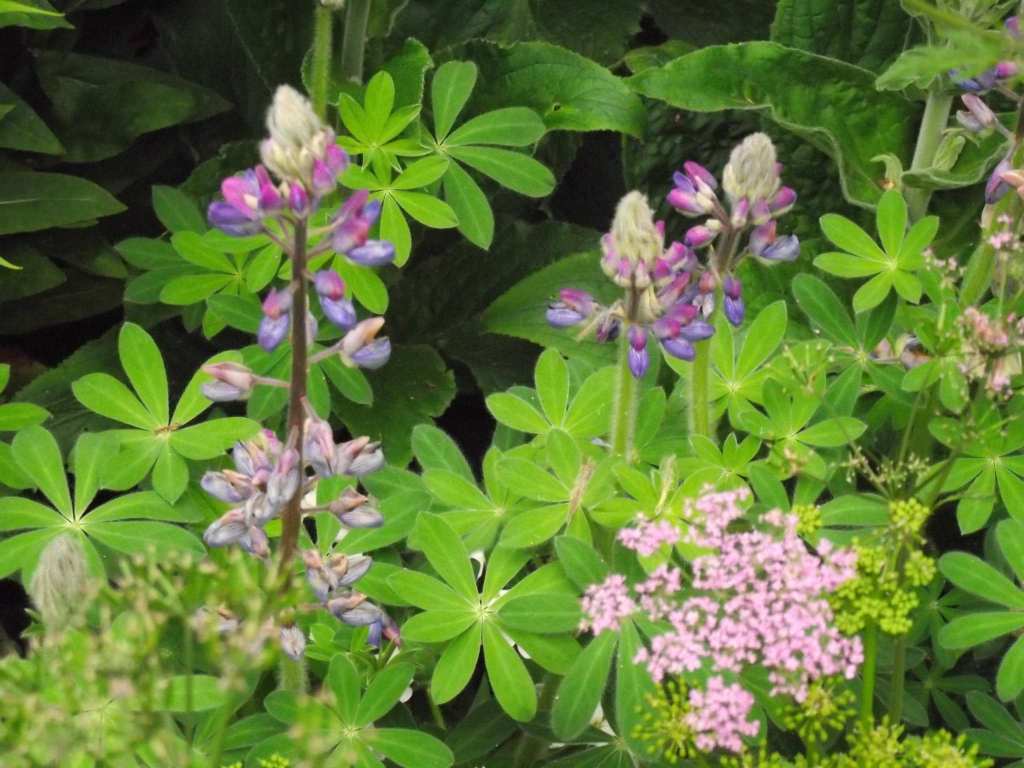

One of the most popular garden plants lupins are particularly associated with the cottage garden. They can easily be propagated from seed or by careful division. ‘Tequila Flame’ is an example of a popular strain of cultivars but I have included L. nootkatensis as a good illustration of the difference between a typical specie plant and its more sophisticated cultivar. L.nootkatensis is quite interesting, a native of N.America where it is found even in Alaska it was introduced into Iceland to help against soil erosion because of its ability to fixate nitrogen but is now listed as an invasive species.
Lysichiton

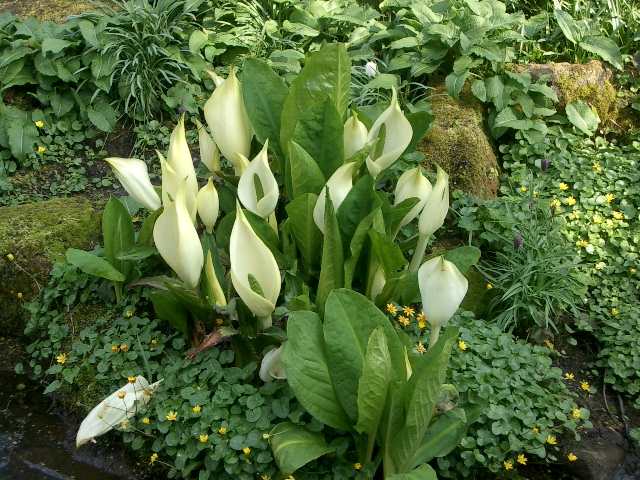
The two different species of Skunk Cabbages shown come from two different locations. L.americanus as the name implies comes from the Pacific Northwest of the USA. whereas L.camtschatcensis, again the clue is in the name, is from Eastern Russia and Japan. Typically found in water meadows in their natural habitat they are often grown in cultivation in large estate gardens as marginals but need a lot of room as they are both rather invasive. A preferred form Lysichiton x hortensis which is a cross between the two is more appropriate for the garden, particularly as the obnoxious scent is not as pronounced. These pictures were taken at Fletcher Moss Botanical Gardens, Manchester.
Lysimachia


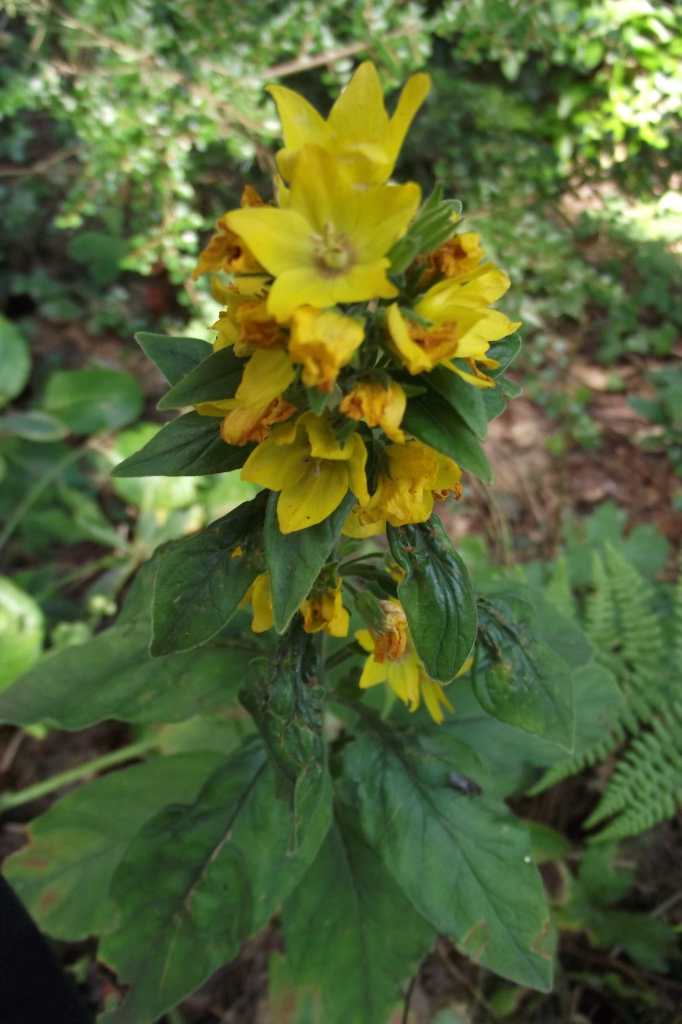
Lysimachias are surprisingly a member of the primula family and are generally to be found in damp areas across the Northern Hemisphere. Some species are known as loosestrifes such as L.punctata the Garden Loosestrife which is a common garden plant. ‘Firecracker’ is quite striking with its yellow flowers contrasting well with the purple foliage but beware it can be quite invasive. L.ephemerum has a rather loose upright habit and is attractive to bees and other insects. ‘Beaujolais’ is a popular addition to the garden with its deep red flower spikes contrasting well with the grey-green foliage but is generally short lived.
Mukdenia

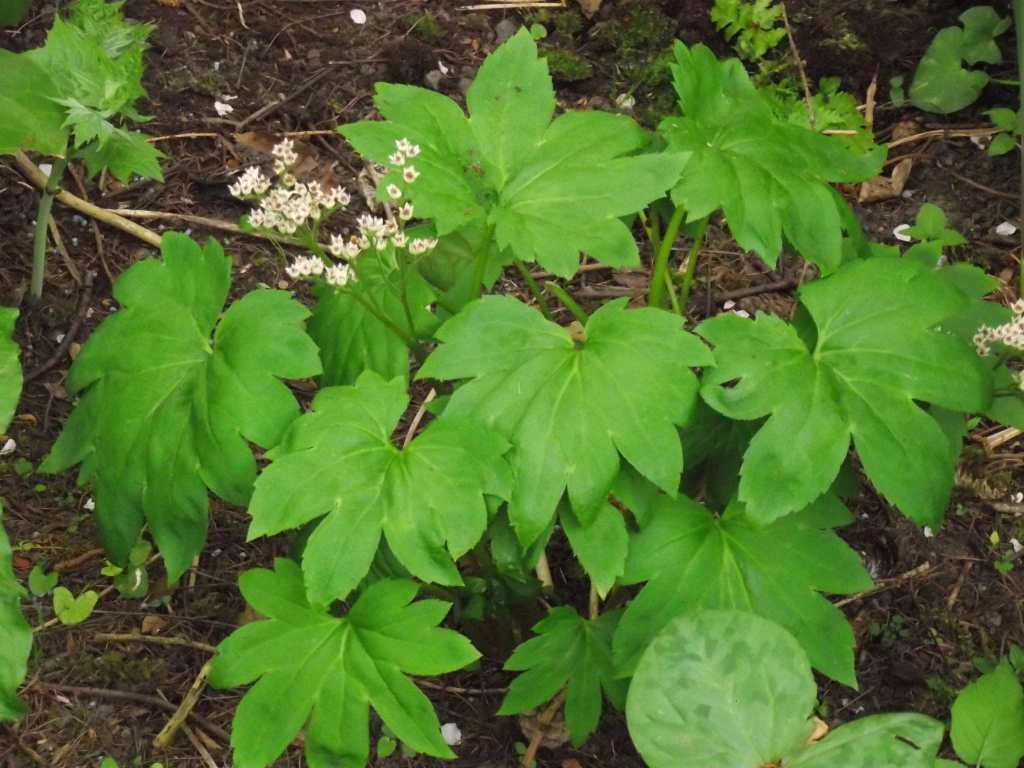
A useful perennial for the woodland planting Mukdenia rossii hails from China. Similar to heucheras in habit its leaves will take on red shades in the autumn.
Myosotis
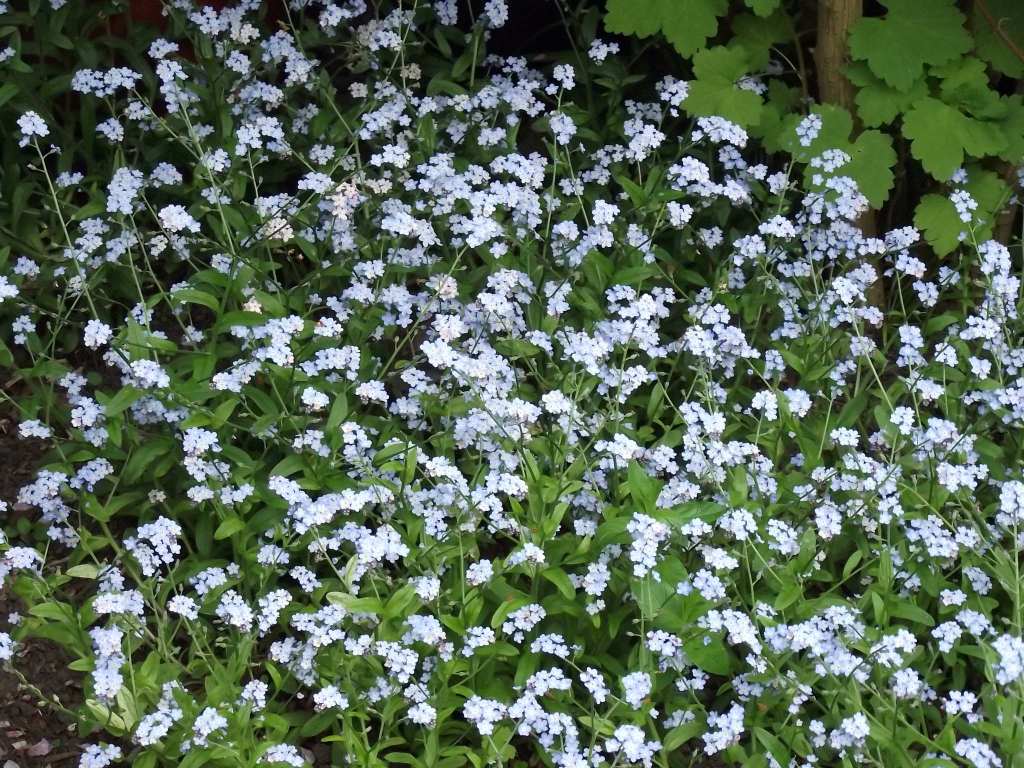
The forget-me-not is a plant well known to everyone, M.sylvatica (the woodland forget-me-not) is cultivated throughout the temperate world and has produced hundreds of cultivars, many of which are used in spring bedding. Although a short-lived perennial it will seed itself everywhere which makes it more of a permanent feature.
Zeitreise durch unser Gartenjahr
Horticulture with a little nature thrown in
Horticulturist, Arborist and Garden Columnist
My little piece of heaven on earth
How a garden saved my mental health
Ideas from a Suffolk garden
Book reviewer and garden enthusiast. Updates from my Hampshire garden. Usually talking about books and plants. People do not forget books or flowers that touch them or excite them—they recommend them.
a London garden
Tips and Tools for Gardening in A Forest Community - The Journey Continues
Gardening in Asheville, North Carolina
gardening in the North Carolina piedmont
inspired by the colours of the land, sea and sky of Cornwall
The Corner Garden
Notes from a wildlife-friendly cottage garden
I found myself living and gardening in Sun Prairie, Wisconsin
Gardens, Nature, Pictures, ... discover, learn and share

