We have had three days of quite persistent rain and everything in the garden has shot up. It seems to be getting drier at the moment plus the sun is back, albeit intermittently. There seems to be quite a bit of blue in the garden, so this week I’m having the blues.
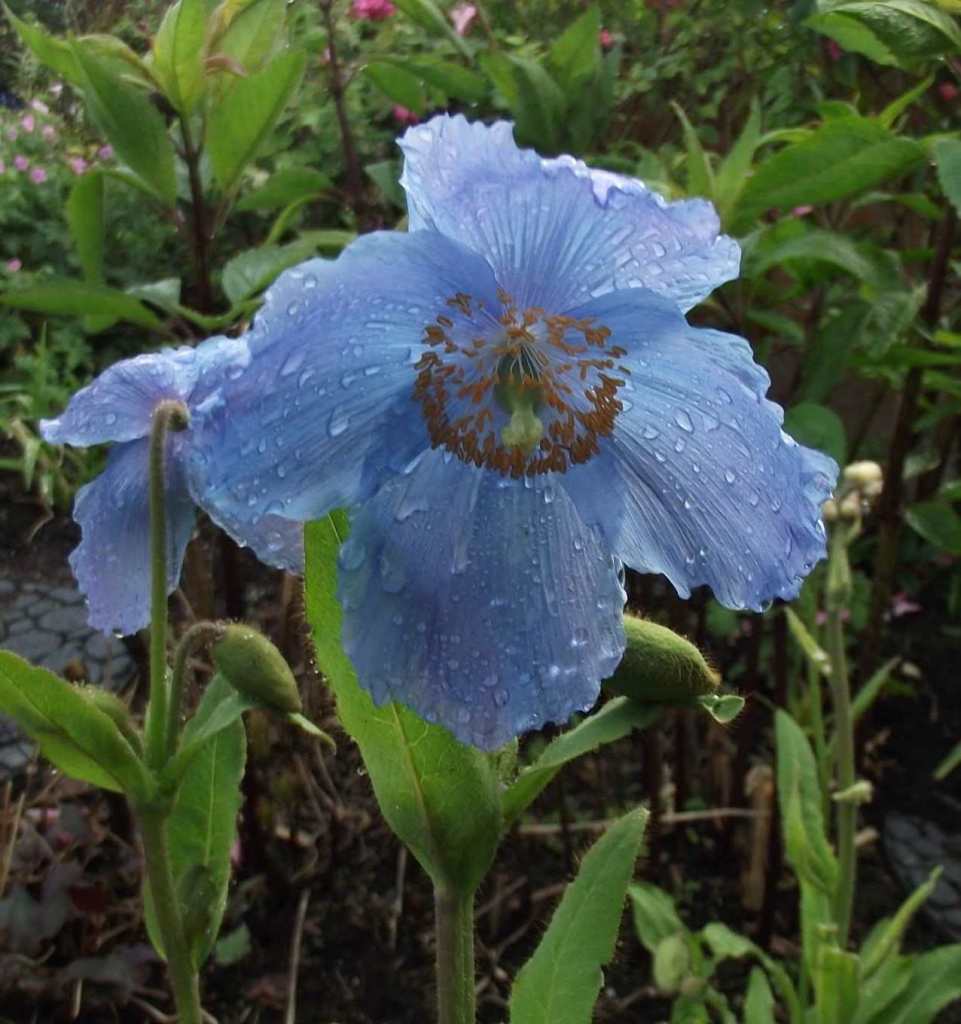
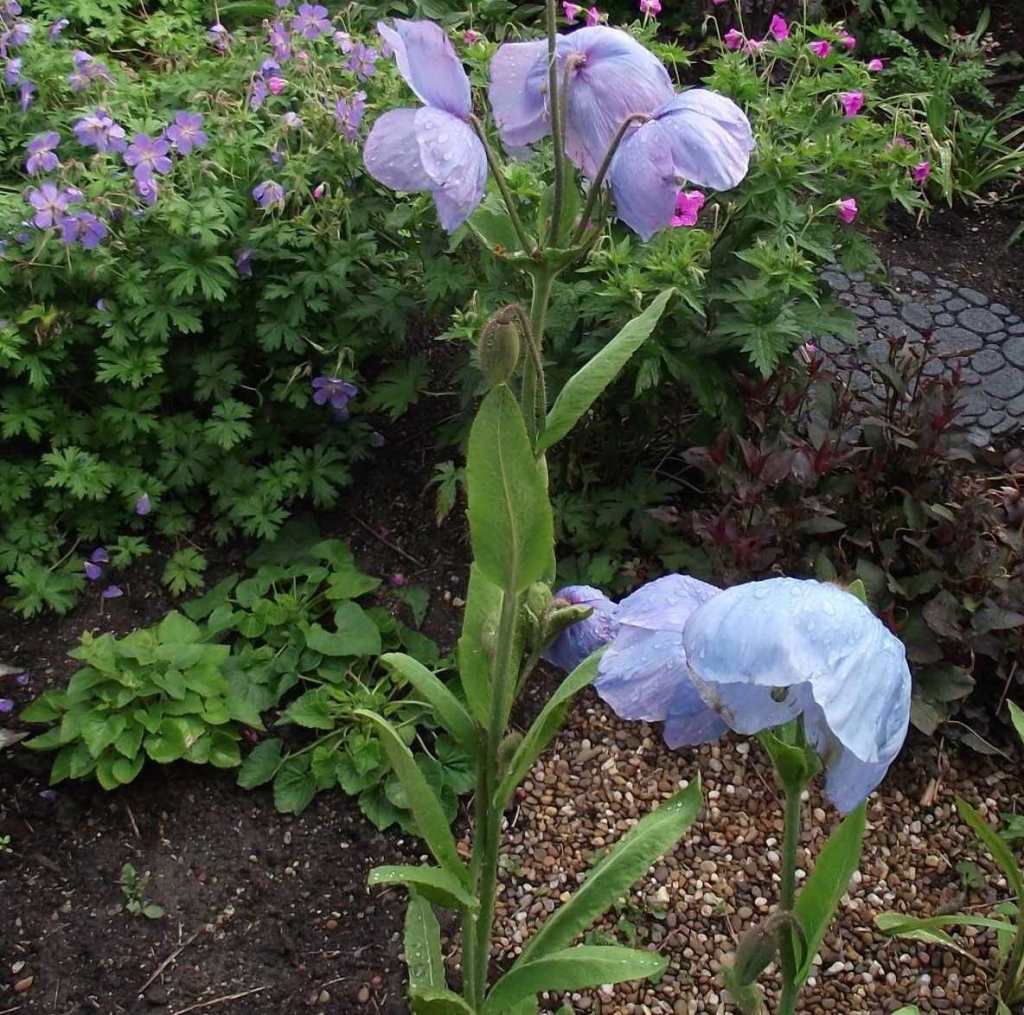
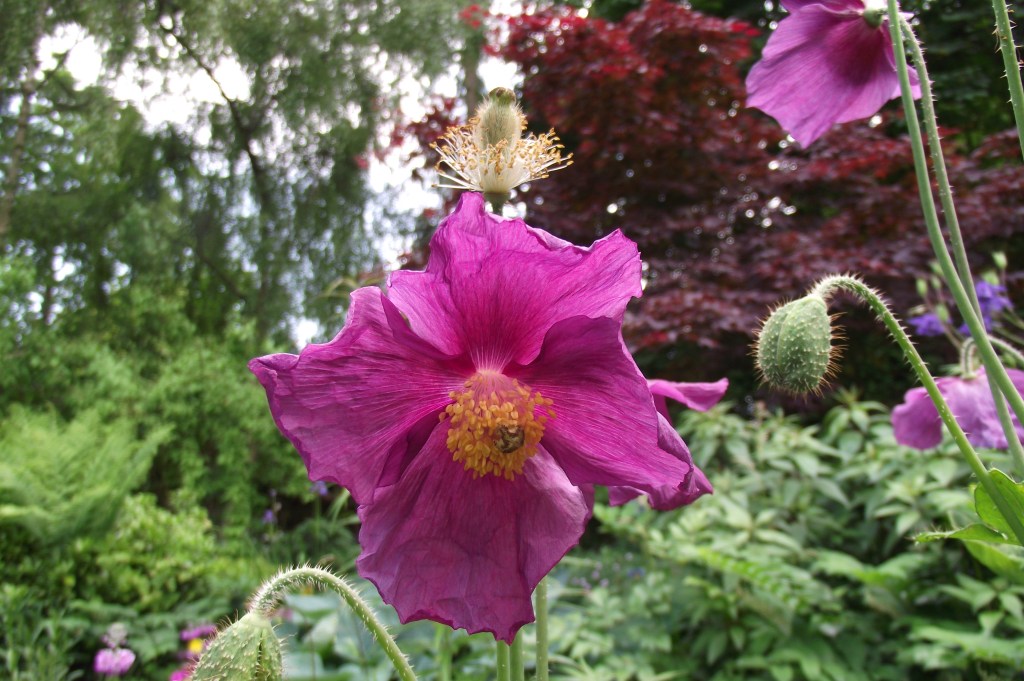
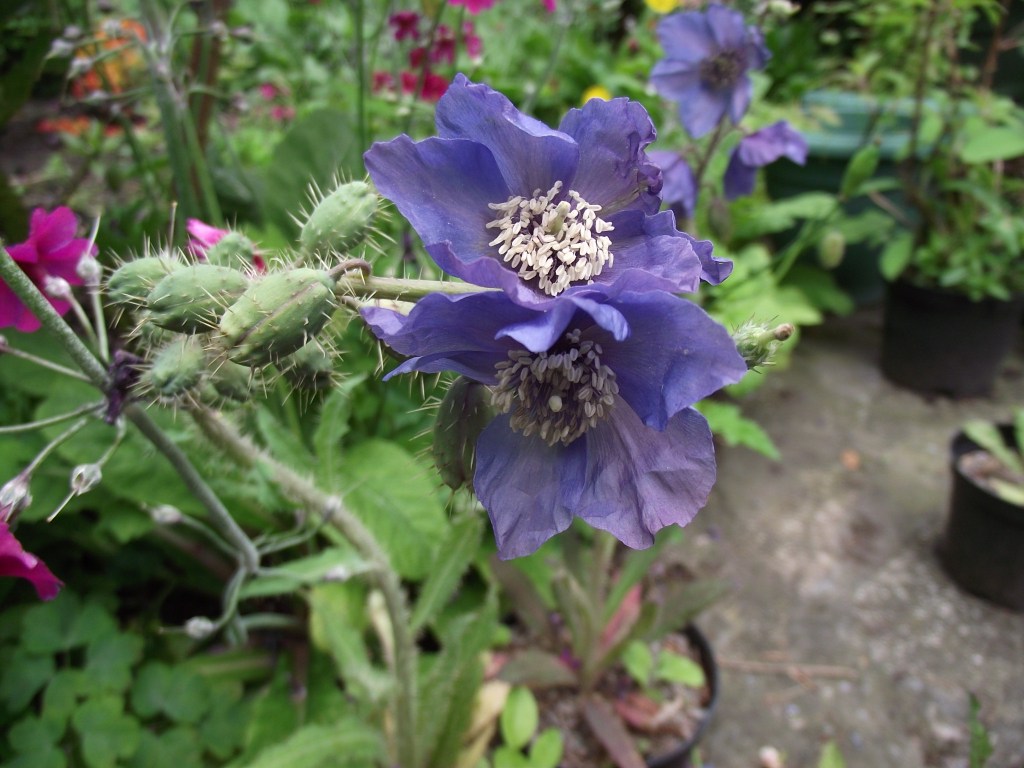
Smaller in stature than ‘Crarae’, Meconopsis ‘Crewdson Hybrid’ has been around for some time. It is believed to be an opportunist cross between M. betonicifolia and M. grandis. The interesting thing about many meconopsis is that although the original cross was made between two fertile species and the resulting plants often produce viable seed, they eventually become sterile in later generations. This means that my plants were produced vegetatively.
Geranium ‘Orion’
Geranium ‘Orion’ is in fact not an interspecies cross but a seedling of “Brookside”. One of what I like to call the “Big Blues”
I don’t think you can beat Geranium ‘Johnson’s Blue’ for strong growth and intense blue flowers. I find it can be rather a rampant grower and be a bit floppy, but I still wouldn’t be without it. As I am sure many of you have experienced geraniums, are notoriously promiscuous. This is an interspecies cross: G. himalayense x G. pratense. Another “Big Blue”!
Geranium ‘Brookside’
Geranium ‘Brookside’ is officially violet/blue so I am including it. Another “Big Blue” this is an interspecies cross: G. clarkei ‘Kashmir Purple’ x G. pratense.
Campanula portenschlagiana ‘Mrs Resholt’
I bought this little bellflower, sometimes known as ‘Resholt’s Variety’, as an edging plant. I will probably move it as it doesn’t seem suited to where it is. The soil is very poor, and I managed to run over it with the recycling bin a few weeks ago! Unfortunately it isn’t in full flower yet but I am running out of blues!
Meconopsis ‘Crarae’
No excuses! I couldn’t resist one last picture.
This meme is hosted by Jim Stevens who is to be found with all the details and links to plenty of other blogs to enjoy at Garden Ruminations.
The sunshine and dry weather is meant to be coming to an end tomorrow (Saturday) with some welcome rain. Who would have thought that I would have “welcome” and “rain” in the same sentence. We are normally wishing it would stop! There is a possibility of warm weather returning after a week of unsettled weather according to the forecast. I apologise for a complete focus on meconopsis and primulas this week, but my two favourite genera are now in flower.
Meconopsis ‘Crarae’
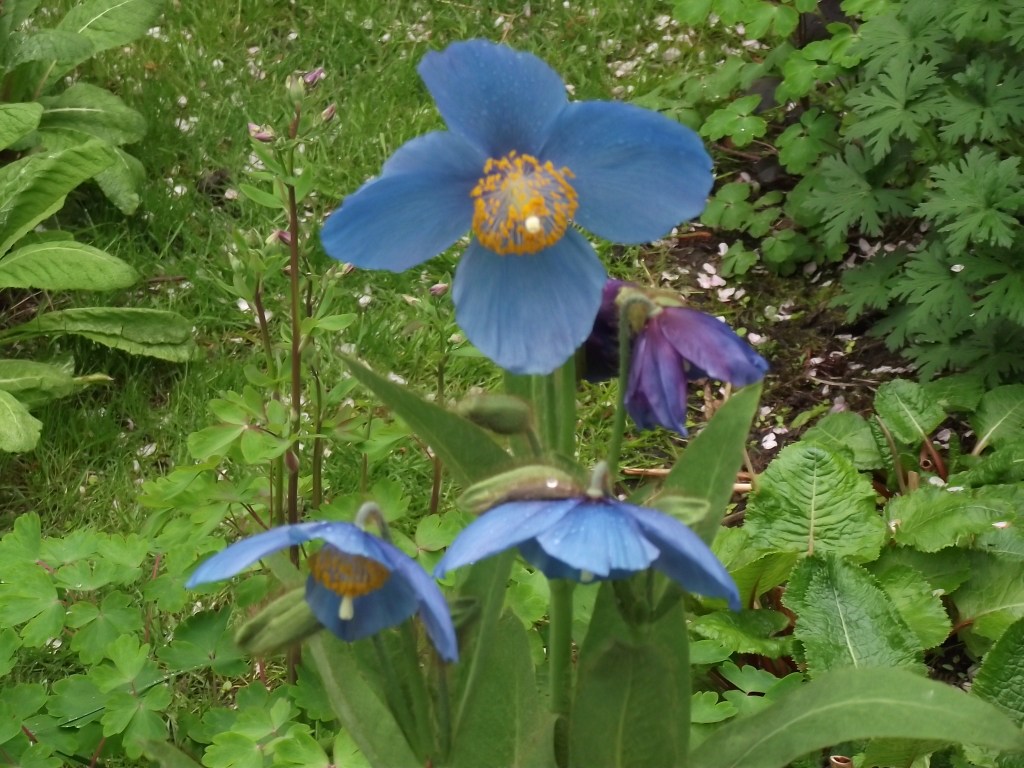
This is the first time I have actually bought meconopsis plants as I have previously always raised them from seed. Meconopsis ‘Crarae’ comes from Crarae Gardens Argyll, Scotland. It is an infertile hybrid and therefore only propagated vegetatively. I had seen it in Scotland several years ago and have always wanted one, so that, coupled with my impatience after loosing a batch of seedlings two years ago, prompted the purchase last year.
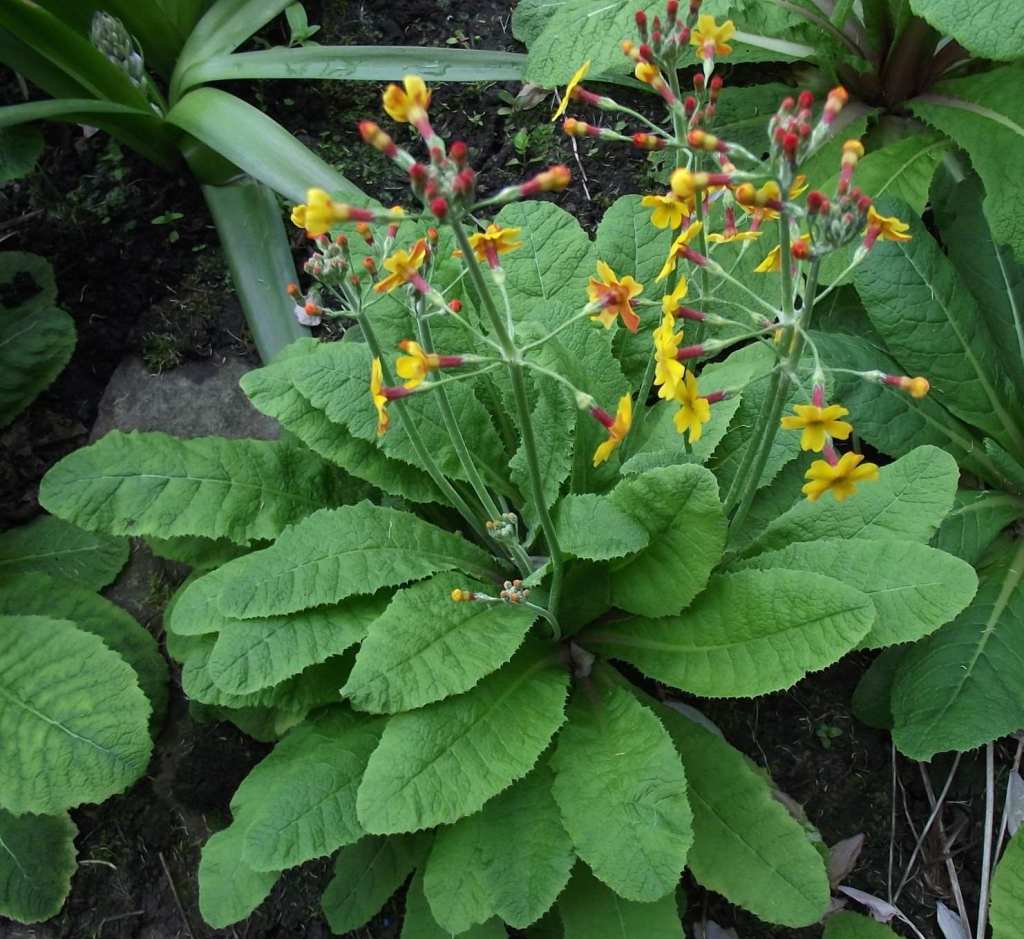
Primula chungensis
Primula chungensis is more delicate looking than the more robust japonica candelabras, but like them, it is a water lover and thrives in a damp spot.
Meconopsis and Primula japonica
Meconopsis ‘Crewdson Hybrid’ coming into flower next to a clump of Primula japonica caught in the early morning sun. If anyone is interested please view my post on primulas at: https://ricksplantworld.blog/2025/03/05/primulas-updated/
Meconopsis ‘Crarae’
More Meconopsis ‘Crarae’ caught in the early morning sun, displaying the fine hairs on the leaves and stem.
Meconopsis betonicifoliaMeconopsis ‘Lingholm’
Two plants from seed sown last year. These will be planted out later in the year if I can find room! Note the much hairier leaves on ‘Lingholm’. If you are interested in the meconopsis please take a look at my post at: https://ricksplantworld.blog/2022/02/09/meconopsis/
Meconopsis ‘Crarae’
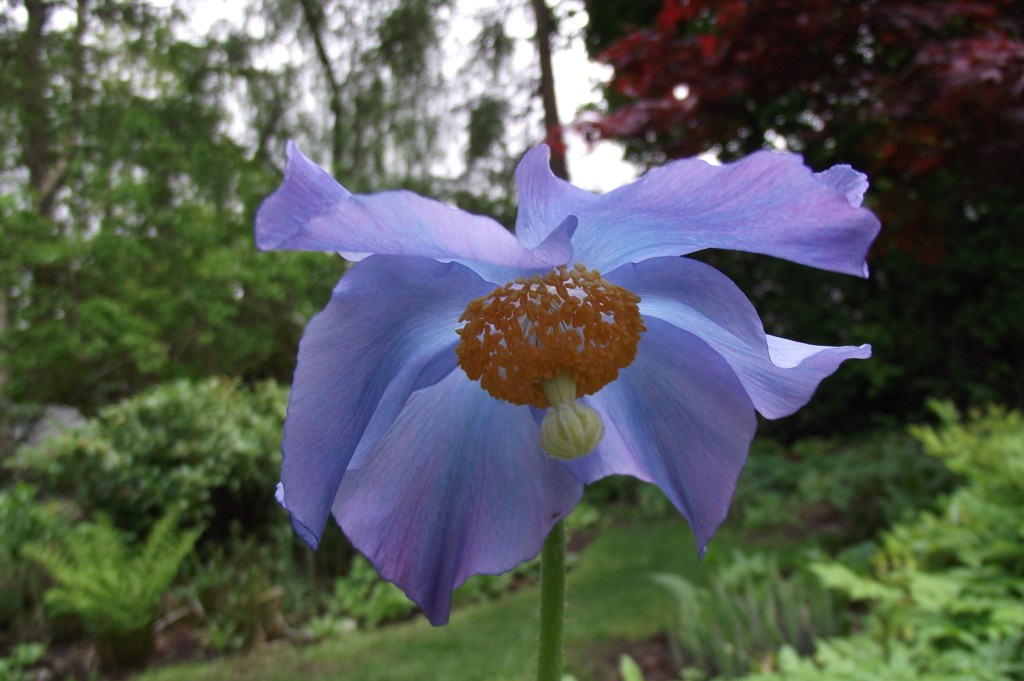
Finally a photo’ of Meconopsis ‘Crarae’ without the sun burning out the colour, showing its true self.
This meme is hosted by Jim Stevens who is to be found with all the details and links to plenty of other blogs to enjoy at Garden Ruminations.
The warmer weather continues but, much as I am enjoying it, I feel it has come far too early and would be welcome in about a month’s time as I have a feeling of trepidation about what is round the corner. Many plants are thrusting up new tender growth and I have already noticed some damage caused by the light overnight frosts and possibly the cold winds. We can’t put out bedding with confidence until the end of the third week in May. The local NT gardens don’t start planting until the second week of June, mind you, they have thousands of plants at risk. On the 2nd June 1975 snow stopped play in Buxton, only a few miles from me, between Derbyshire and Lancashire cricket clubs. Play was resumed the following day in beautiful sunshine and the following year, 1976, was one of the hottest summers on record. Buxton Cricket Club are celebrating the 25th anniversary with a special event this year. We gardeners are very much at the mercy of the weather, but spare a thought for the poor farmers and growers who have to make a living.
Spirea japonica ‘Golden Princess’
This is one of my favourite small shrubs, I look forward every year to the emergence of the colourful foliage. I had one in my last garden which was quite a bit larger, it could be that the drier, less fertile soil this one is in is limiting its growth, but I think it’s a little gem nevertheless.
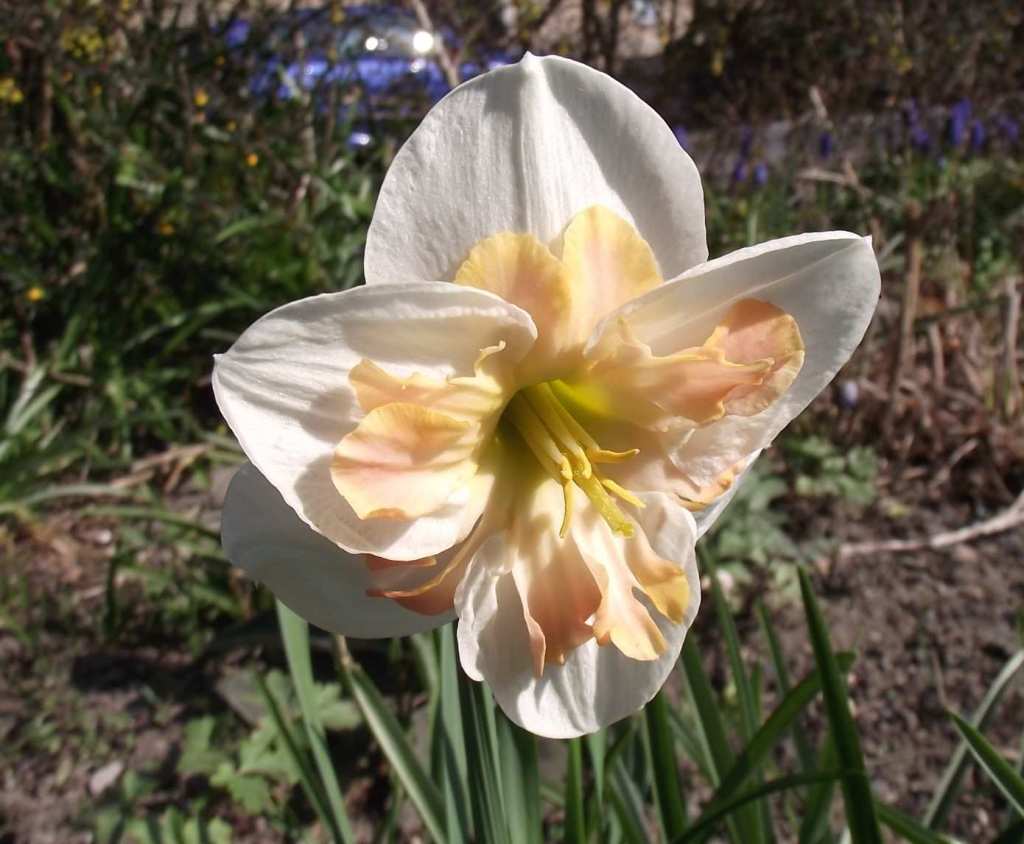
Narcissus ‘Pink Wonder’
One of the remaining two flowers this year from a clump I planted about four years ago. I never seem to get longevity from my bulbs, tulips I can understand, as they need a good baking during the summer, but daffodils I tend to plant and forget about so probably my fault.
Meconopsis ‘Crarae’
I used to grow numerous meconopsis as they are one of my favourite genera. This year is the first in my new garden that I am hoping to get some decent flowers. Crarae can only be raised vegetatively and I have never grown it before so fingers crossed! Crarae was raised at Crarae Gardens, Argyle, Scotland. If you are interested in meconopsis you might like to visit my page.
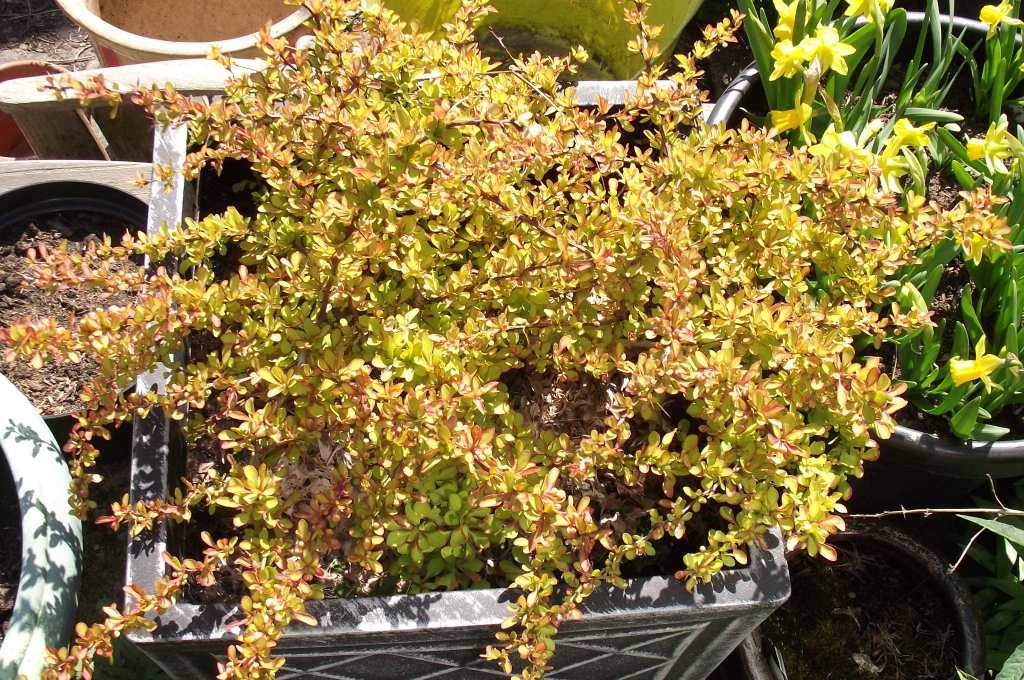
Berberis thunbergii ‘Diabolicum’
This berberis is another welcome splash of spring colour, it loses its reddish tinge as the year progresses. Like most berberis, it thrives here taking anything that the weather can throw at it.
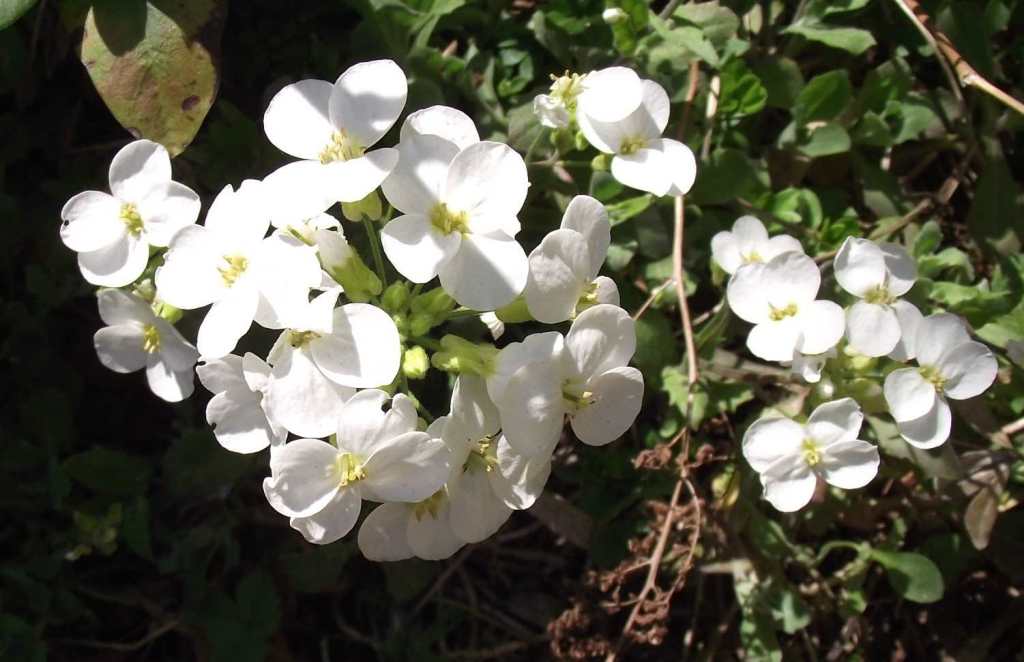
Arabis alpina ssp. caucasica ‘Snowcap’
I grew the common or garden Rock Cress, or at least an improved form of it, from seed. It makes a useful early splash of white every year.
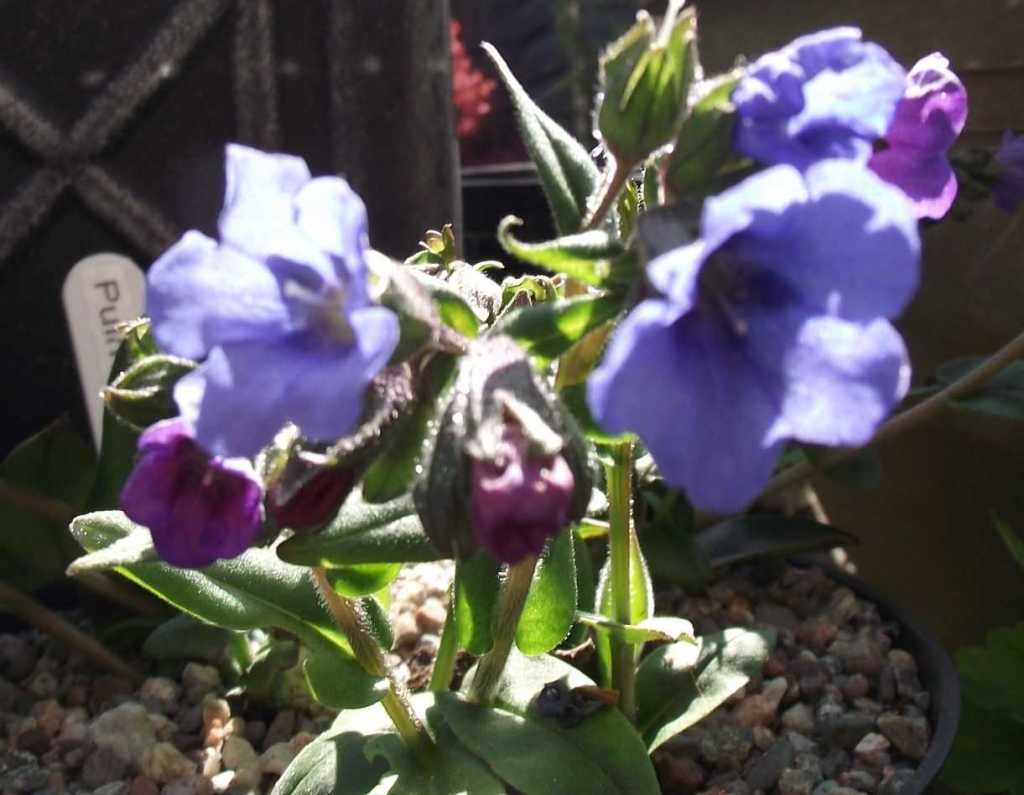
Pulmonaria ‘Blue Ensign’
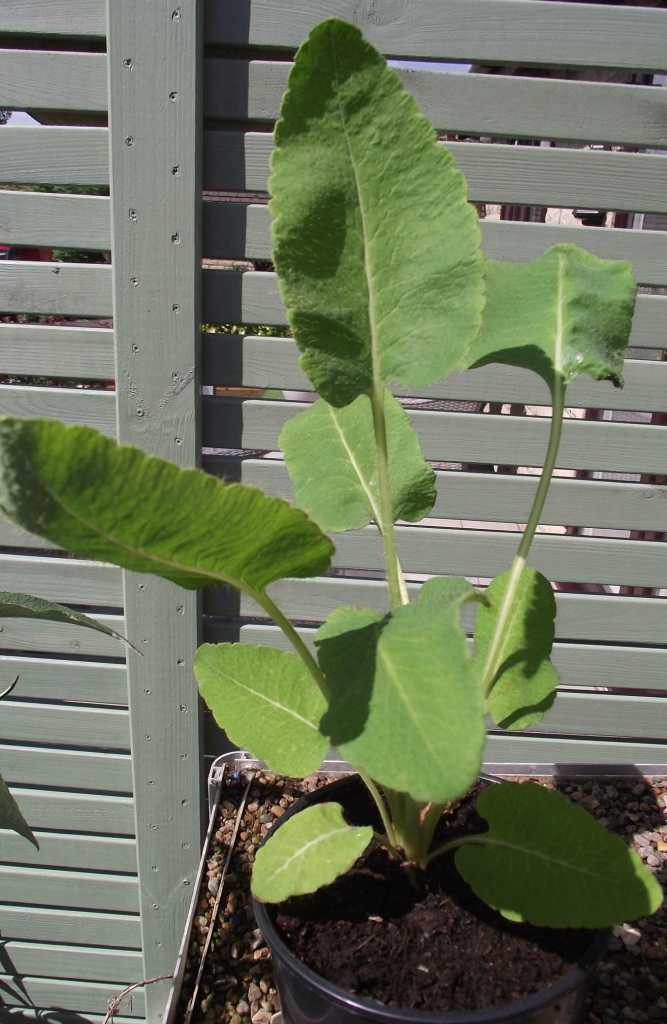
Currently growing in a pot until I find somewhere to put it, I bought this pulmonaria as a bare-root plant which is why it is flowering slightly later than normal. I have taken a real liking to pulmonarias over the last few years, as there are so many cultivars now, and can’t wait to increase my collection.
This meme is hosted by Jim Stevens who is to be found with all the details and links to plenty of other blogs to enjoy at Garden Ruminations.
Best known as the Blue Poppy or Tibetan Blue Poppy, Meconopsis baileyi (syn. Meconopsis betonicifolia) has probably the clearest blue of any flower and is one of my absolute favourites. Living on acid soil in the damp north west of the country is a great advantage to growing these gems as they undoubtedly do better in Scotland and are very tricky to grow in the lighter soils of the south and on limestone. The biggest aid to understanding the growing conditions for any plant is to find out from where it originates, in the case of meconopsis the fact they are from the Himalayas is a good guide.
The Blue Poppies.
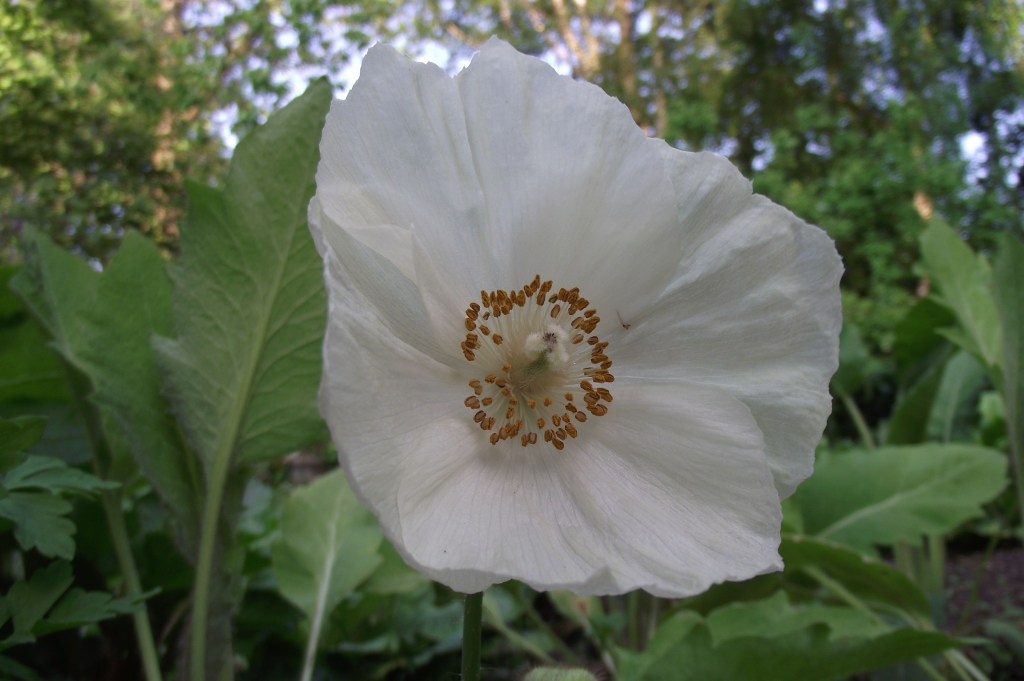
The plants that are generally referred to as “blue poppies” are the hybrids and cultivars of Meconopsis baileyi, most of the cultivars are in different shades of blue with a white form (alba) occurring as well as an attractive violet form. It is worth remembering that all meconopsis are short lived perennials or monocarpic in that they die after flowering. One of the benefits of this is that many are prolific seed producers and one of the great joys is raising them from your own seed, they may not come true especially if you are growing several types but you can finish up with some excellent plants.
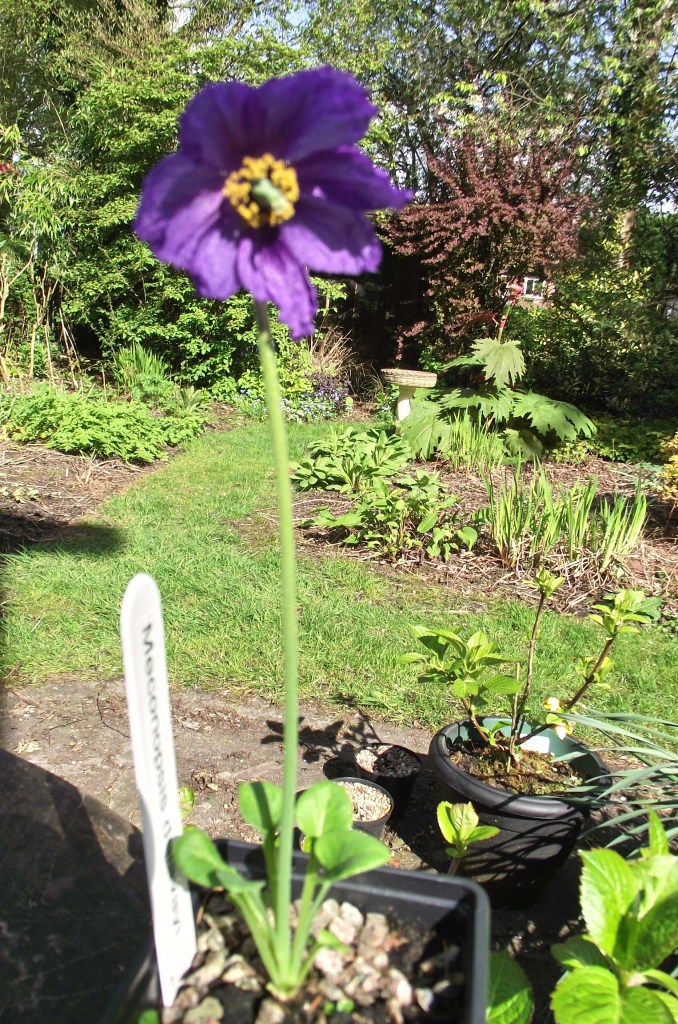
Striking plant grown from own home collected seed.
Meconopsis baileyi along with M. Lingholm is now available from most mainstream suppliers due to their popularity with the general public, you have to go to a specialist grower for the more unusual cultivars.
A distinctive garden cultivar, Meconopsis “Crarae” gets its name from the large numbers that are grown at Crarae Gardens, Argyle. These plants are infertile so can only be propagated by division. This photo was taken at Crarae and is the only one that is not from my garden.
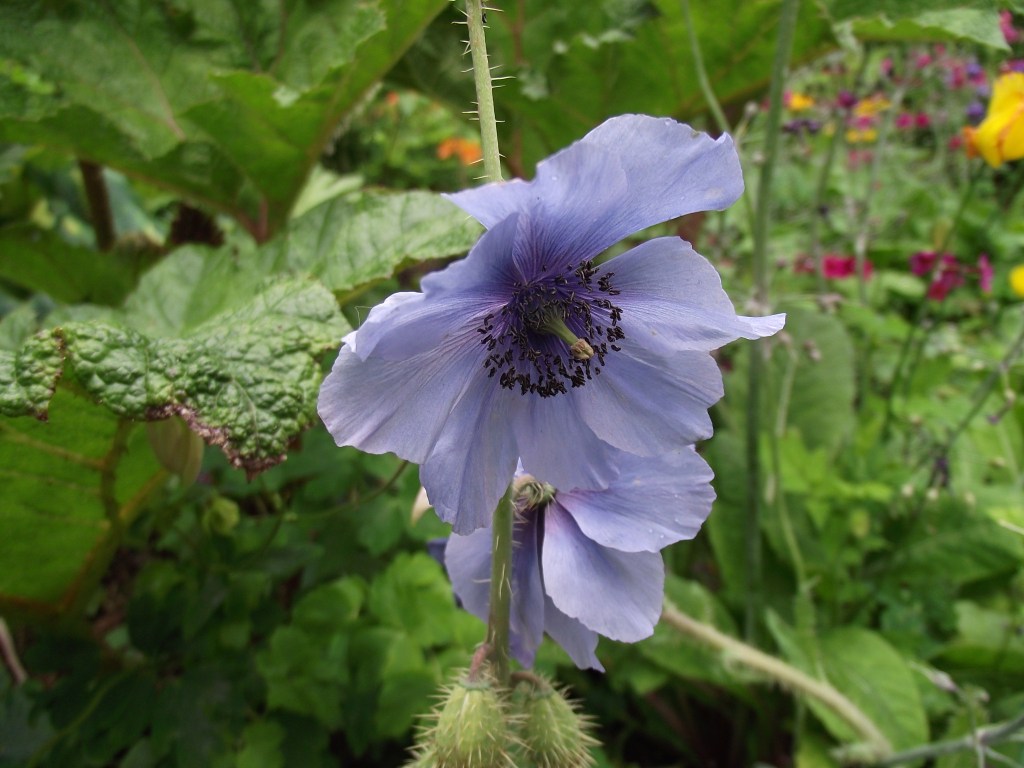
Meconopsis grandis is a “traditional blue poppy”, a wild hybrid, it readily produces seed from which it can be easily raised. All Meconopsis seed is best sown as fresh as possible under cold glass in January to March, in fact I find the seed of all hardy perennials is best treated this way. Sowing in pots outside is quite common but I prefer to have the containers protected from birds, animals and the weather.
Meconopsis “Kingsbarns”
Another excellent fertile blue poppy, exceptionally strong grower, as with all blue poppies they need plenty of space to grow well.
Meconopsis “Lingholm”
The last of my blue poppies, there are many more although, with the odd exception, most are infertile cultivars. Lingholm is another strong grower and like most I have mentioned can be propagated by seed or division.
The ” Paniculatas”
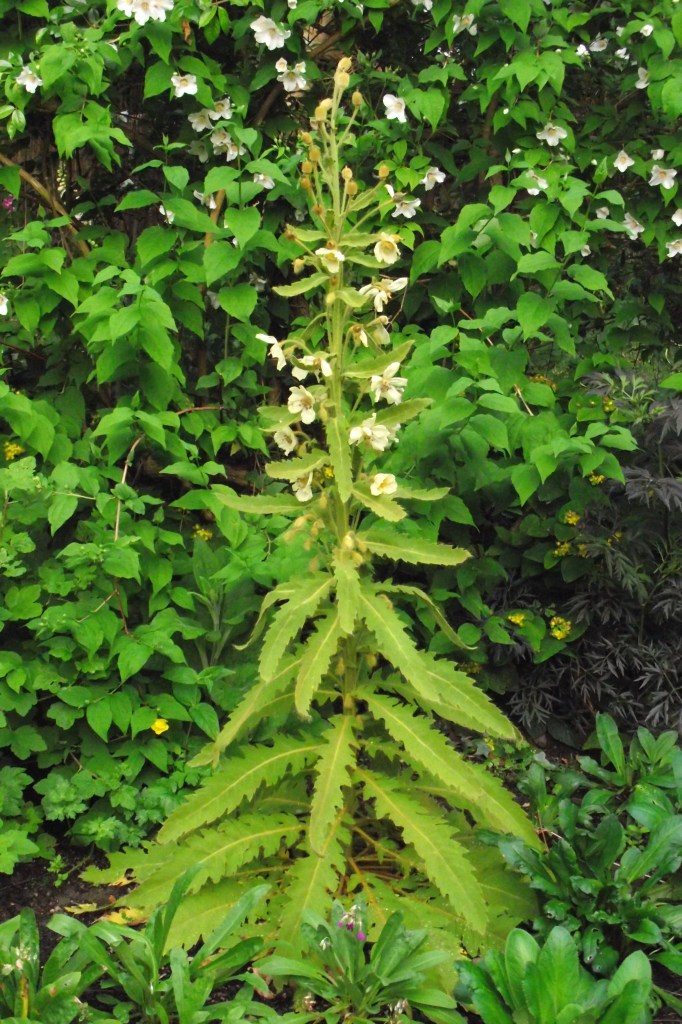
This group is made up of principally three species, Meconopsis superba, which unfortunately I have never grown, Meconopsis napaulensis and Meconopsis paniculata however, as with all meconopsis, there is tremendous variation in both form and colour. They are all monocarpic and can take a couple of years to flower but have the benefit of producing wonderful evergreen rosettes as well as oodles of seed. Meconopsis regia seen in cultivation is generally accepted to be a form of M.napaulensis.
Meconopsis paniculata
Meconopsis napaulensis
Meconopsis regia
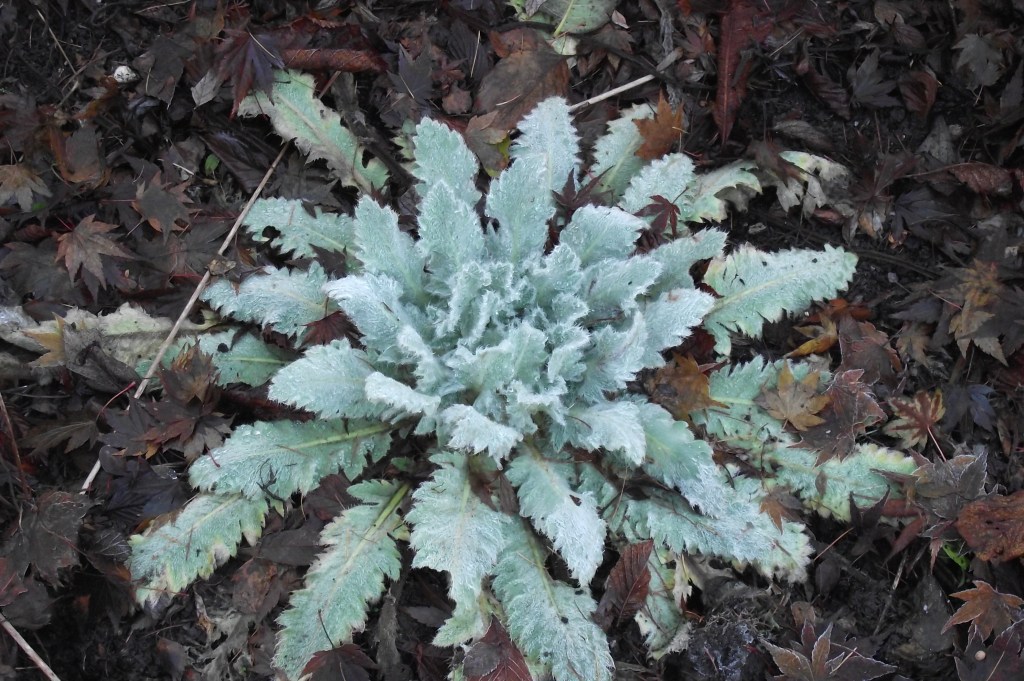
Here a couple of pictures of winter rosettes, the fact that the leaves are very often quite hairy means they are subject to winter damp rot although I have always managed without protection with very few fatalities.
Winter rosettes.
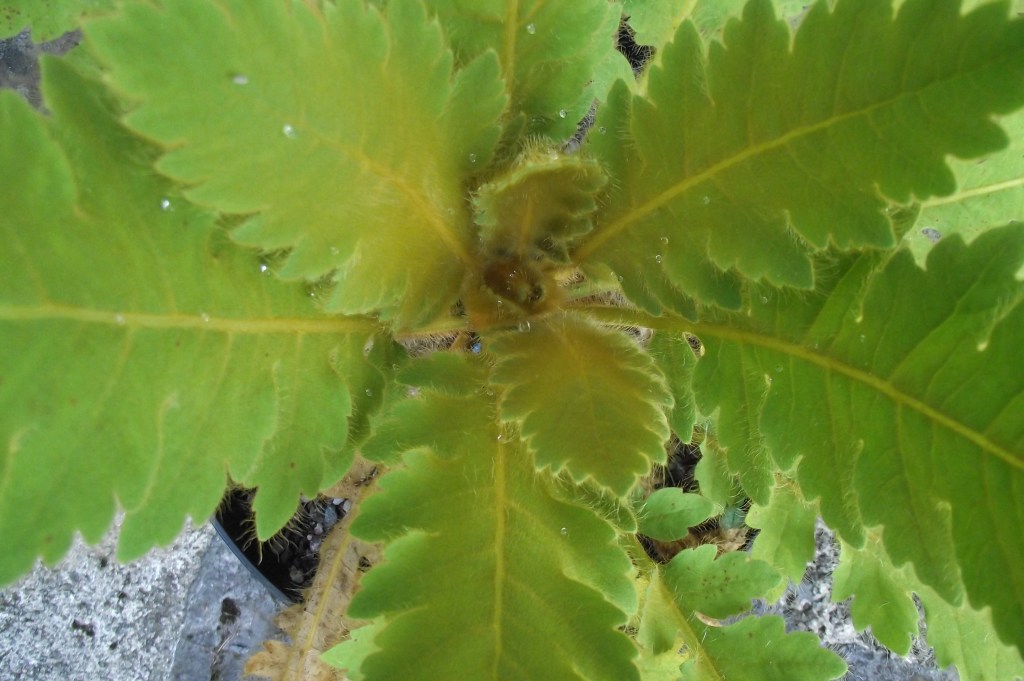
The plant I had always wanted to grow is Meconopsis paniculata Ghunsa Form a spectacular paniculata with golden hairy rosettes so please excuse all the pictures.
Meconopsis paniculata Ghunsa Form
The “spiny” meconopsis.Meconopsis horridula group.
Unfortunately I can’t guarantee that these pictures are totally accurate, the plants are all grown from seed and identification can be a little difficult as there is tremendous variation even within the species. All these plants are often sold under the name Meconopsis horridula. They are monocarpic and set plenty of seed.
After much deliberation I have decided that this is Meconopsis latifolia, a rather rare relative of Meconopsis horridula. Raised from seed, even if it actually isn’t latifolia it’s still a nice plant.
Miscellaneous Meconopsis.
Meconopsis pseudointegrifolia.
Like many people I have a job to see where some plants sit in the meconopsis hierarchy, unfortunately the only picture I have of this beautiful plant doesn’t show its soft green leaves plus I think it should have a sulphur yellow flower, let’s face it I’m not even sure it actually is pseudointegrifolia, this is the problem you get with promiscuous poppies!
Meconopsis delavayi
A rather weedy looking plant, the only one I have managed to raise, although no different from those I have seen pictured in the wild. Just to be awkward Meconopsis delavayi is a lime lover.
Meconopsis x sarsonii
This is what happens when it all goes wrong, Meconopsis x sarsonii when the flower buds have been damaged by frost and/or damp.
Blue poppies are big feeders I grow them on fairly heavy rich soil with added grit and peat, yes peat, for best results.
Book reviewer and garden enthusiast. Updates from my Hampshire garden. Usually talking about books and plants. People do not forget books or flowers that touch them or excite them—they recommend them.























 A Plantsman's World