Popular bulbs, corms, rhizomes etc……… the non-fibrous rooted plants. Part 4.

Tulips Part 2.

Another picture post, dealing with the remaining tulips I have grown and also have pictures of.

Double Earlies
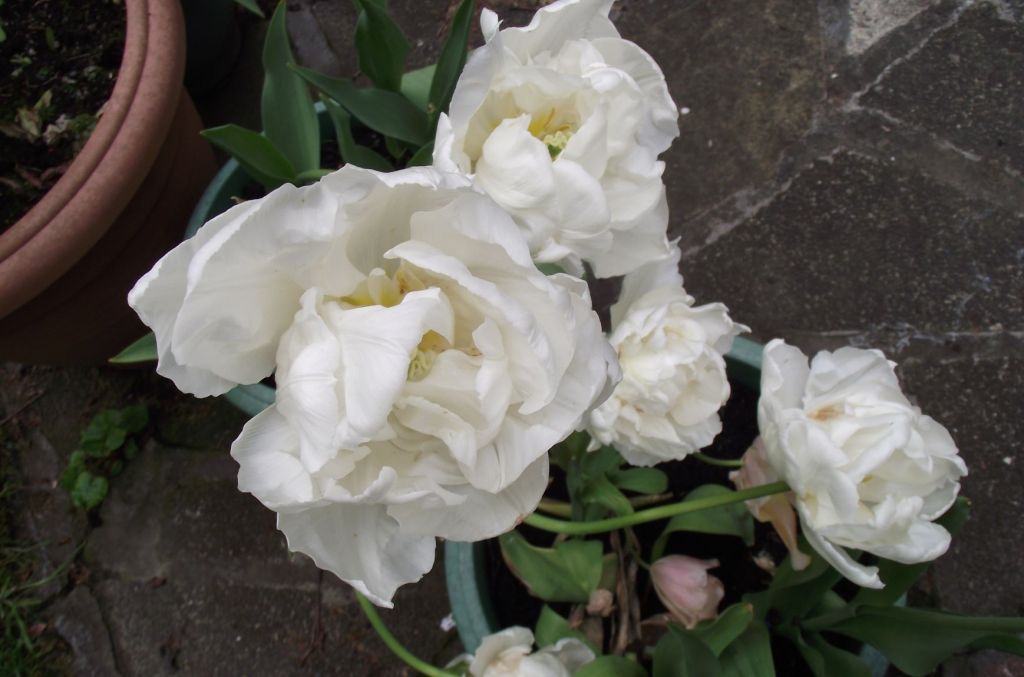
Tulipa ‘Mondial’
Tulipa ‘Monte Orange’
Tulipa ‘Silk Road’
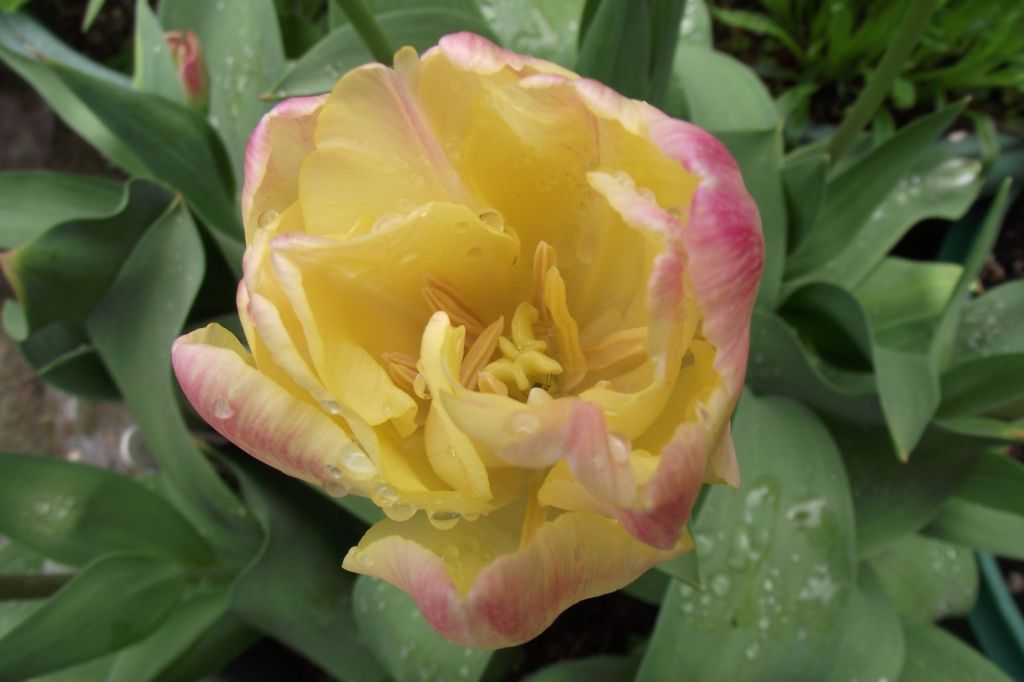
Tulipa ‘Peach Blossom’

Flowering early to mid spring some of these tulips such as T.’Peach Blossom’ have the extra benefit of being scented which, along with the exquisite double flowers really enhances the early part of the year.

Double Lates

Paeony flowered Tulipa ‘Angelique
Paeony flowered Tulipa ‘Antraciet’
Tulipa ‘Creme Upstar’
Tulipa ‘Orange Princess’ Paeony flowered.

Following on from the earlies some of the Late Doubles such as T. ‘Angelique’ are also scented.

Miscellaneous.

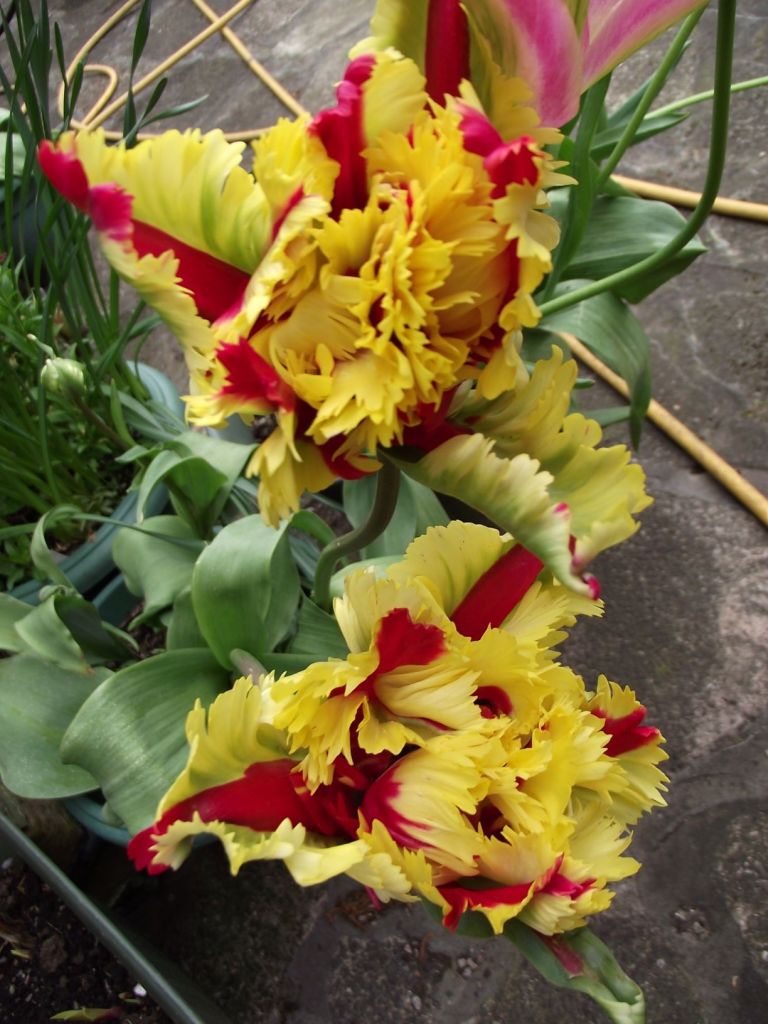
Parrot Tulip ‘Rococo’
Tulipa ‘Flaming Parrot’
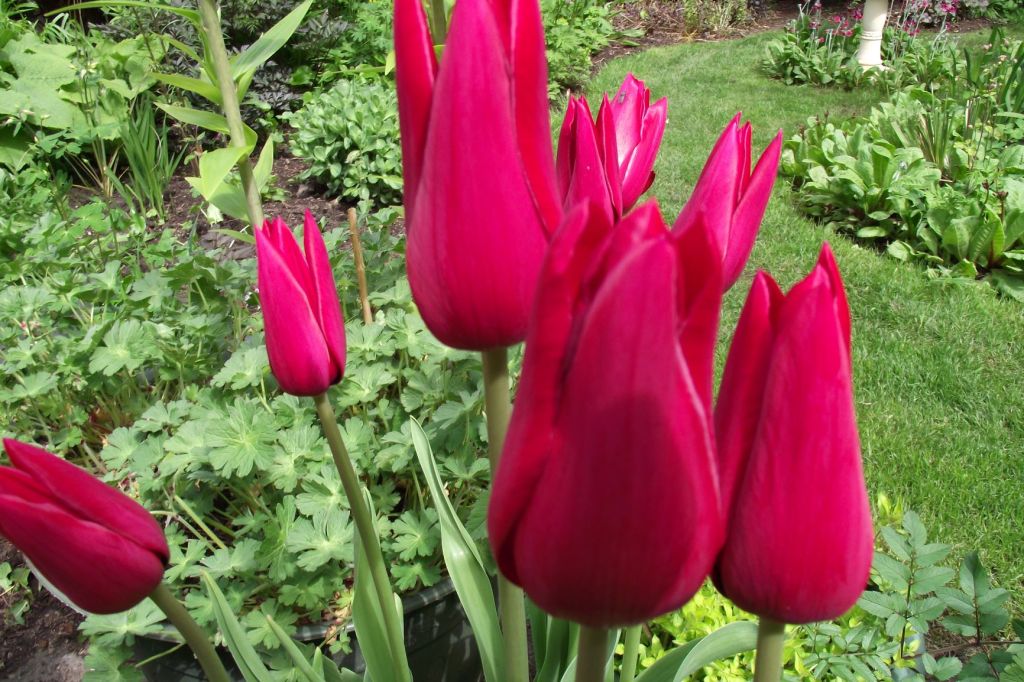
Lily flowered Tulipa ‘Red Shine’
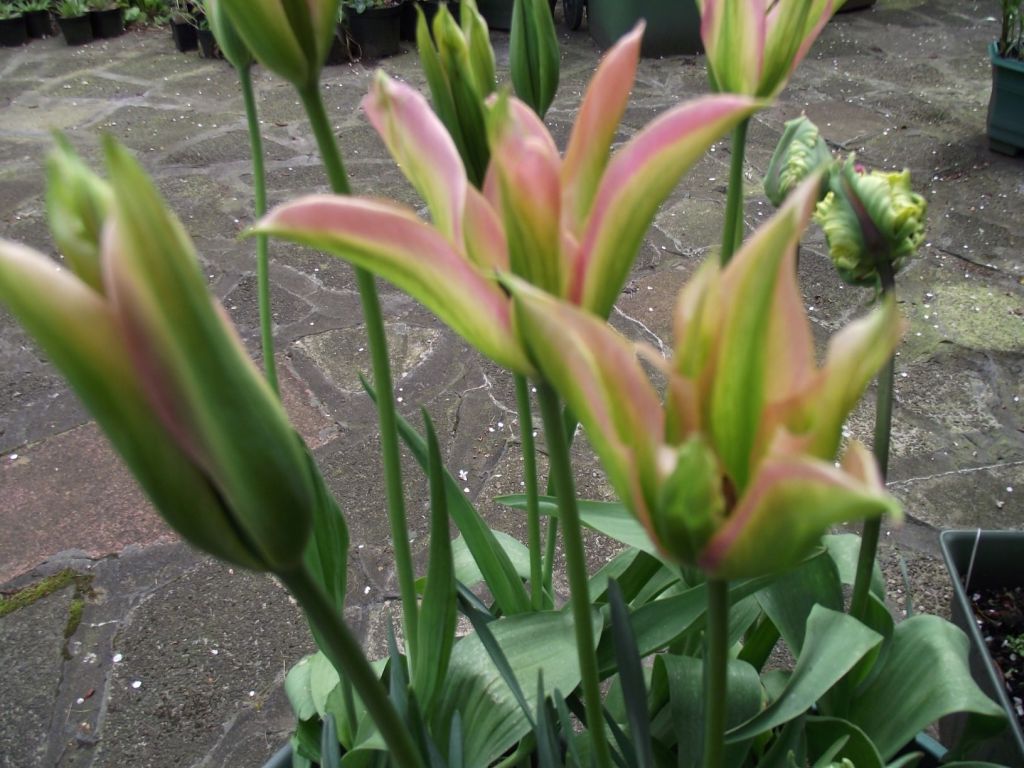
Unusual Lily Flowered Tulipa ‘Virichic’. These are known as Viridiflora Tulips.
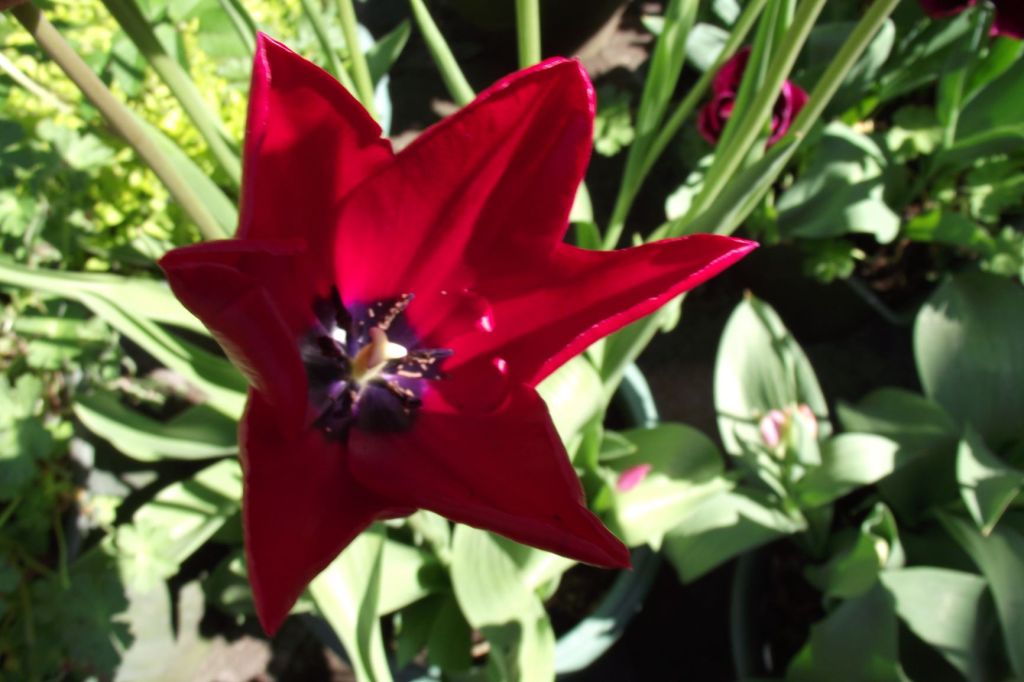
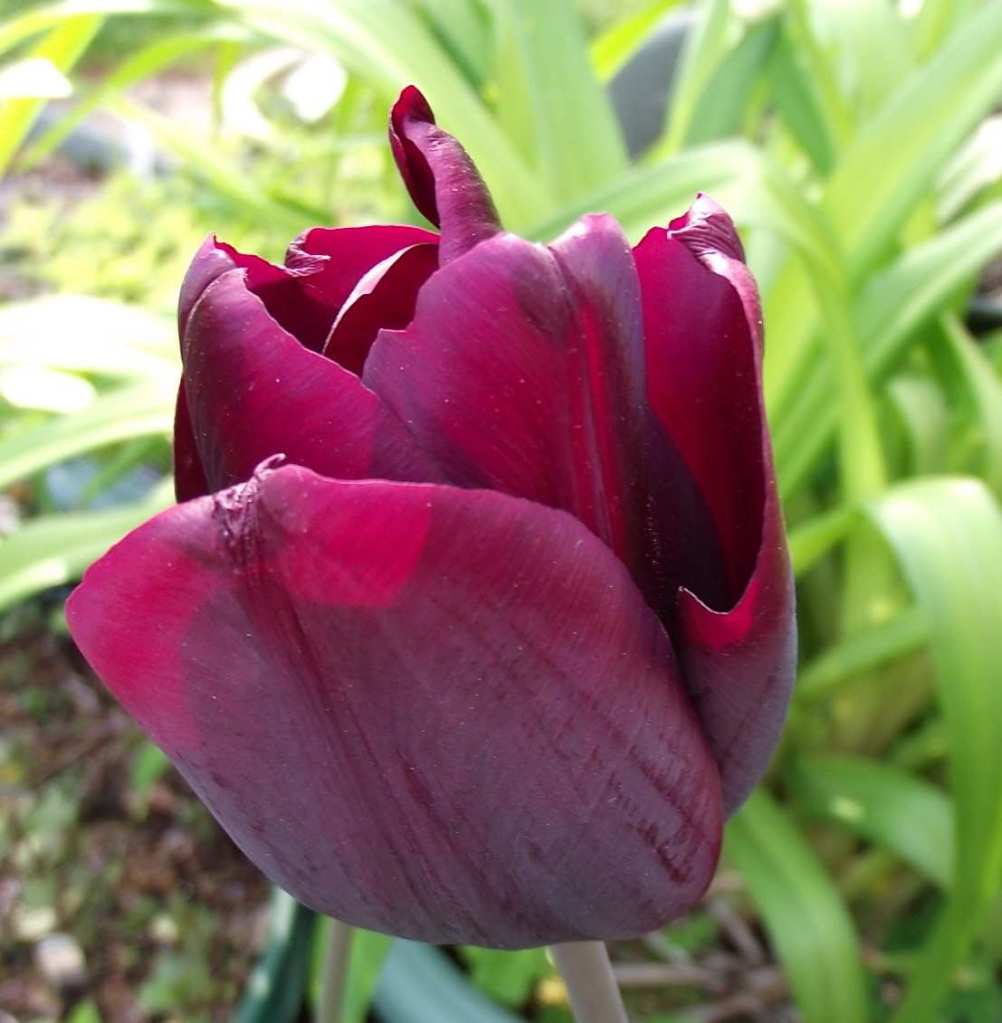
Late Single Tulipa ‘Queen of the Night’
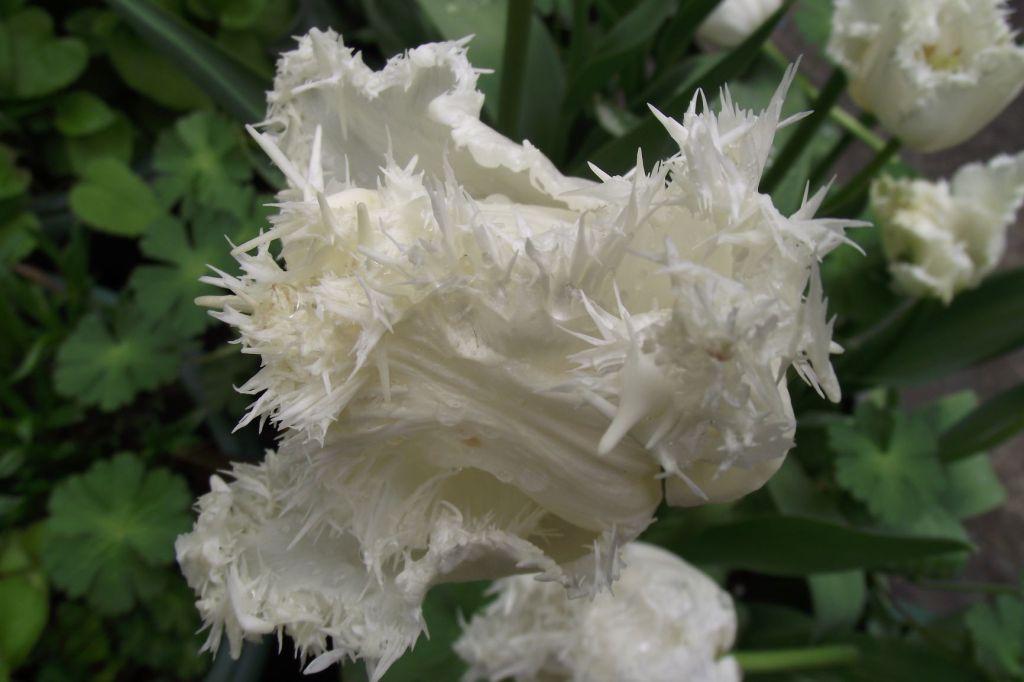
Bit of an oddity, can’t find it listed anymore Tulipa ‘Pirvilla Lady’ a Fringed Tulip.

The main pests and actually my nemesis are grey squirrels, they take absolute delight in rooting out the bulbs, whether in containers or in the ground. One memorable Christmas Day, I spent some time moving my pots into groups and spreading netting over them. The assault of the squirrel army had begun, eventually this led me to stop growing the Dutch tulips. I later hit upon the idea of putting a piece of heavy metal netting about an inch under the surface of the compost until this in turn was dragged out. I don’t find it worthwhile to keep the bulbs for another year, but use tulips like bedding plants, in the past I have kept the bulbs for replanting, but have found the results to be inconsistent. One advantage of using fresh bulbs each year is that it avoids the diseases to which tulips are prone.

Botanicals

Just a quick footnote regarding the botanicals or specie tulips, these are generally the dwarf spring flowering tulips, usually found in a rock garden setting or container, with which everyone is familiar. I have grown many of these such as Tulips kaufmanniana, greigii, praestans and their hybrids and also Tulipa tarda although I don’t have many pictures.

Tulipa praestans ‘Fusilier’ with Anemone blanda.

See more bulbs I have grown on my next post.

Popular bulbs, corms, rhizomes etc……… the non-fibrous rooted plants. Part 3. (Updated.)

Tulips Part 1

This is going to be more of a “pretty picture” post which is, after all, what tulips are about. There are two main groups, first the cultivated tulips which, although the original species hailed from the Near East, were developed by the Dutch plant breeders several hundred years ago. This has continued until the present day. Holland is still the tulip capital of the world, the tulip fields visited by thousands every year. Vast resources were put into developing new colours and combinations. This resulted in inflated prices which caused tulips to become almost a form of currency leading to Tulip Mania and the first ever investment crash. The second group in general cultivation are the specie tulips or botanicals which are generally the dwarf, early flowering types seen in most rock gardens and containers. Please remember the pictures, as always, are of plants I have grown and this is by no means a definitive list.

Triumph Tulips

Tulipa ‘Carnaval de Rio
Tulipa ‘Don Quichotte’
Tulipa ‘Dynasty
Tulipa ‘Jan Reus
Tulipa ‘Jan Reus
Tulipa ‘Jimmy
Tulipa ‘Leen van der Mark’
Tulipa ‘Princess Irene
Tulipa ‘Ronaldo
Tulipa ‘Washington’

Flowering mid to late spring Triumph tulips are the largest group, and the goblet-shaped flowers are the ones everybody is familiar with. Some gardeners may not like the use of plastic containers from an aesthetical point of view. I had many plants in a variety of containers, so the factors of cost and weight came into consideration. The other factor to take into account is that I am more interested in the plants themselves hence the garden had a semi-wild look at best.

The “Rembrandt” tulips such as T.Washington and Princess Irene are created by careful selective breeding. At the time of Tulip Mania these colourations were caused by viruses, and there were many crazy methods employed to try and induce these effects. The export of virus infected stock was banned many years ago by the Dutch.

Six on Saturday 26/04/2025

We have had very little rain here in High Peak having avoided the downpours which have affected other areas and I am now having to water all my containers and pots on a regular basis. The forecast is currently showing an overcast day today (Saturday) but then temperatures are set to go into the twenties throughout next week. I am still very wary of a late frost even though it seems unlikely at the moment. I won’t be happy until we get to the last week of May.

I love this time of the year, the acers are now fully out and everywhere you look trees are bursting into life and the landscape is greening up. A gardener’s week is never done it seems, with the stronger sun and possibility of a late frost the acers stand to be scorched by either one whilst the leaves are so tender.

Specie tulip, Tulipa clusiana var chrysantha on a sunny day and not.

I no longer have cold glass so have to resort to outdoor sowing, of mainly hardy perennials, outside in a sheltered spot. These were sown in early February, as I would do normally under cover, using fresh society seed. Despite this two lots have been pricked out three weeks ago and are almost ready to go into the open ground. I get great pleasure in raising plants from seed and to be honest I don’t know where I am going to put them all. I do sow a good number of seeds, even though I may only keep a few plants of each, because in some cases poor germination is a factor. I am a great believer in raising them hard to get good strong plants.

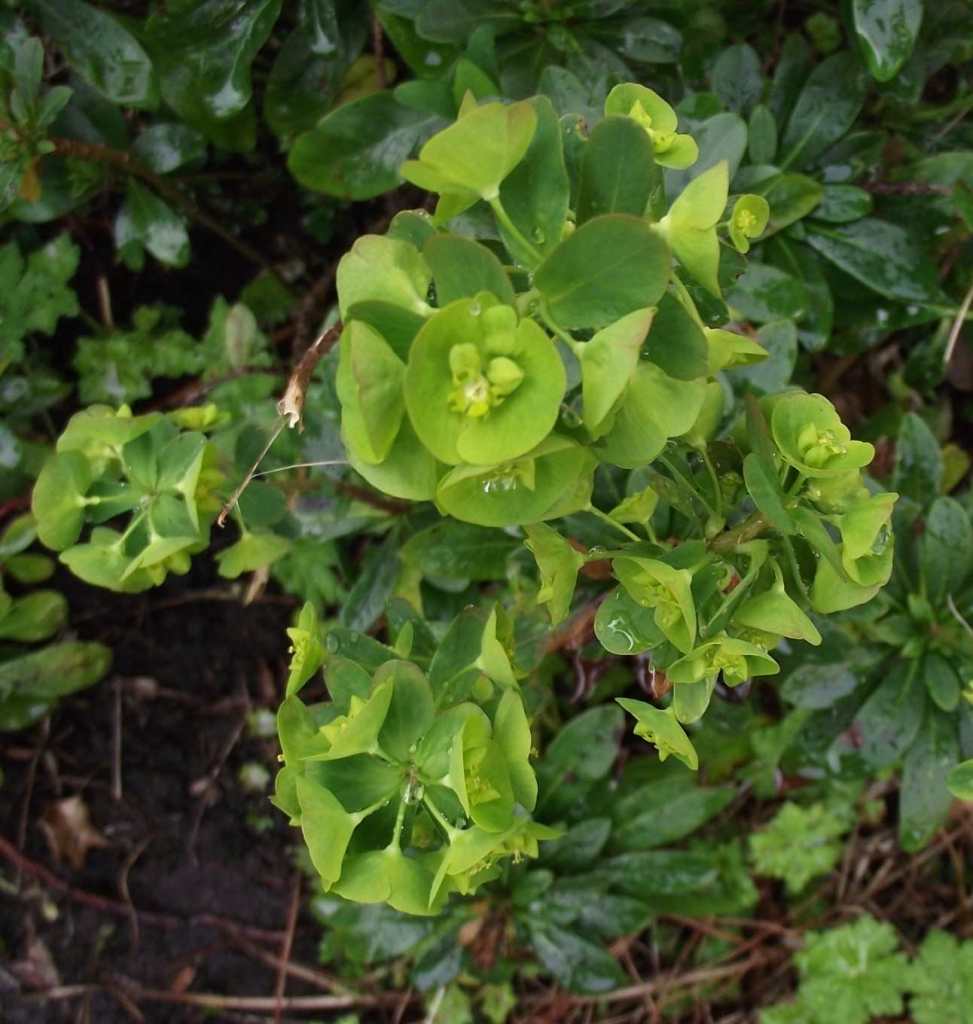
I am making a bit of an assumption here that this is actually characias but it is filling up an awkward damp corner very nicely so I won’t complain.

These were planted very late and consequently we have February Gold flowering at the end of April. I find I can get away with planting tulips late, but narcissi, not so much.

How did that get there? This montana has appeared around the central heating exhaust after travelling under the tiles from the gutter level. It will be short-lived as I will be taking it down to almost ground level after it flowers in order to paint the woodwork behind it.

This meme is hosted by Jim Stevens who is to be found with all the details and links to plenty of other blogs to enjoy at Garden Ruminations.

Popular bulbs, corms, rhizomes etc……… the non-fibrous rooted plants. Part 4.

Tulips Part 2.

Another picture post, dealing with the remaining tulips I have grown and also have pictures of.

Double Earlies
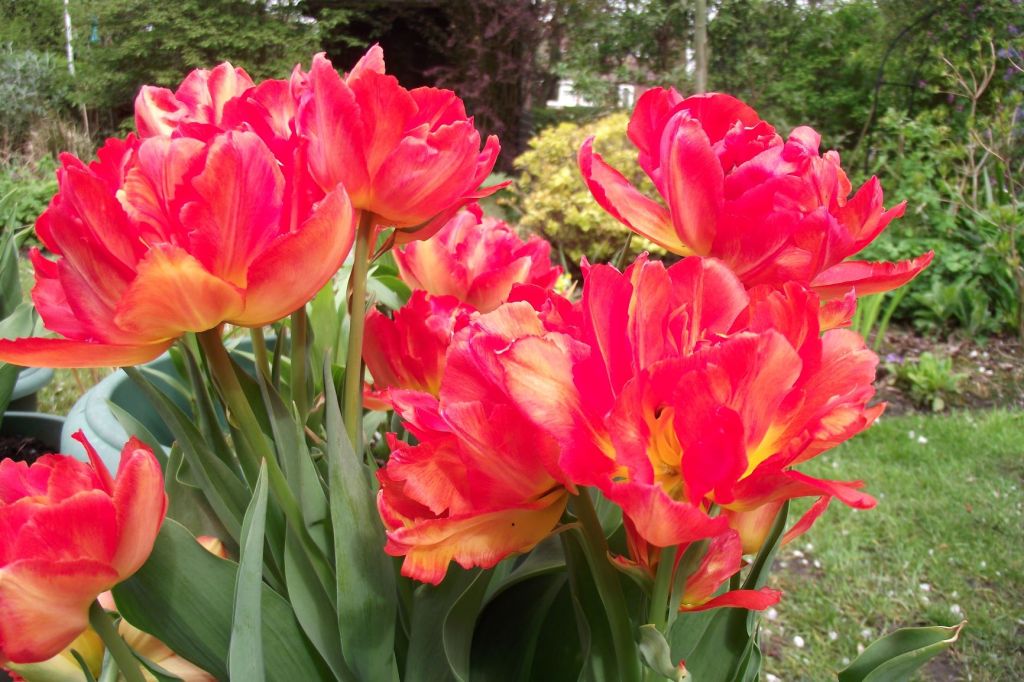
Tulipa ‘Mondial’
Tulipa ‘Monte Orange’
Tulipa ‘Silk Road’
Tulipa ‘Peach Blossom’

Flowering early to mid spring some of these tulips such as T.’Peach Blossom’ have the extra benefit of being scented which, along with the exquisite double flowers really enhances the early part of the year.

Double Lates

Paeony flowered Tulipa ‘Angelique
Paeony flowered Tulipa ‘Antraciet’
Tulipa ‘Creme Upstar’
Tulipa ‘Orange Princess’ Paeony flowered.

Following on from the earlies some of the Late Doubles such as T. ‘Angelique’ are also scented.

Miscellaneous.

Parrot Tulip ‘Rococo’
Tulipa ‘Flaming Parrot’
Lily flowered Tulipa ‘Red Shine’
Unusual Lily Flowered Tulipa ‘Virichic’. These are known as Viridiflora Tulips.
Late Single Tulipa ‘Queen of the Night’
Bit of an oddity, can’t find it listed anymore Tulipa ‘Pirvilla Lady’ a Fringed Tulip.

The main pests and actually my nemesis are grey squirrels, they take absolute delight in rooting out the bulbs whether in containers or in the ground. One memorable Christmas Day I spent some time moving my pots into groups and spreading netting over them as I noticed the assault of the squirrel army had begun, eventually this led me to stop growing the Dutch tulips. I later hit upon the idea of putting a piece of heavy metal netting about an inch under the surface of the compost until this in turn was dragged out. I don’t find it worthwhile to keep the bulbs for another year but use tulips like bedding plants, in the past I have kept the bulbs for replanting but have found the results to be inconsistent. One advantage of using fresh bulbs each year is that it avoids the diseases to which tulips are prone.

Botanicals

Just a quick footnote regarding the botanicals or specie tulips, these are generally the dwarf spring flowering tulips, usually found in a rock garden setting or container, with which everyone is familiar. I have grown many of these such as Tulips kaufmanniana, greigii, praestans and their hybrids and also Tulipa tarda although I don’t have many pictures.

Tulipa praestans ‘Fusilier’ with Anemone blanda.

See more bulbs I have grown on my next post.

Popular bulbs, corms, rhizomes etc……… the non-fibrous rooted plants. Part 3.

Tulips Part 1

This is going to be more of a “pretty picture” post which is, after all, what tulips are about. There are two main groups, first the cultivated tulips which, although the original species hailed from the Near East, were developed by the Dutch plant breeders several hundred years ago till the present day. Holland is still the tulip capital of the world, the tulip fields visited by thousands every year. Vast resources were put into developing new colours and combinations resulting in inflated prices which caused tulips to become almost a form of currency leading to Tulip Mania and the first ever investment crash. The second group in general cultivation are the specie tulips or botanicals which are generally the dwarf, early flowering types seen in most rock gardens and containers. Please remember the pictures, as always, are of plants I have grown and this is by no means a definitive list.

Triumph Tulips

Tulipa ‘Carnaval de Rio
Tulipa ‘Don Quichotte’
Tulipa ‘Dynasty
Tulipa ‘Jan Reus
Tulipa ‘Jan Reus
Tulipa ‘Jimmy
Tulipa ‘Leen van der Mark’
Tulipa ‘Princess Irene
Tulipa ‘Ronaldo
Tulipa ‘Washington’

Flowering mid to late spring Triumph tulips are the largest group and the goblet-shaped flowers are the ones everybody is familiar with. Some gardeners may not like the use of plastic containers from an aesthetical point of view but I am afraid that, as I had many plants in a variety of containers, the factors of cost and weight came into consideration although some have been sprayed a different colour. The other factor to take into account is that I am more interested in the plants themselves hence the garden had a semi-wild look at best.

The “Rembrandt” tulips such as T.Washington and Princess Irene are created by careful selective breeding however at the time of Tulip Mania these colourations were caused by viruses and there were many crazy methods employed to try and induce these effects. The export of virus infected stock was banned many years ago by the Dutch.