
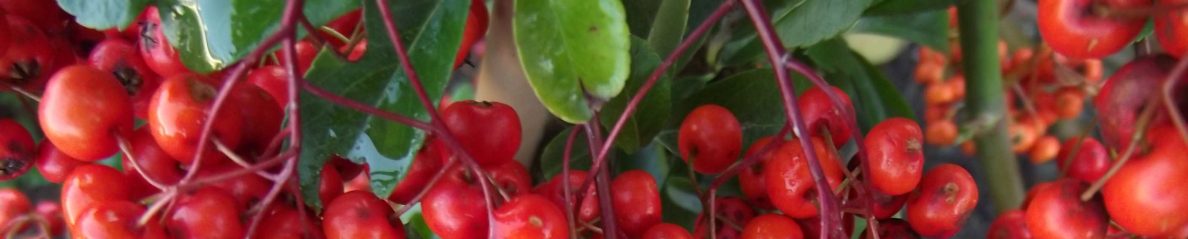

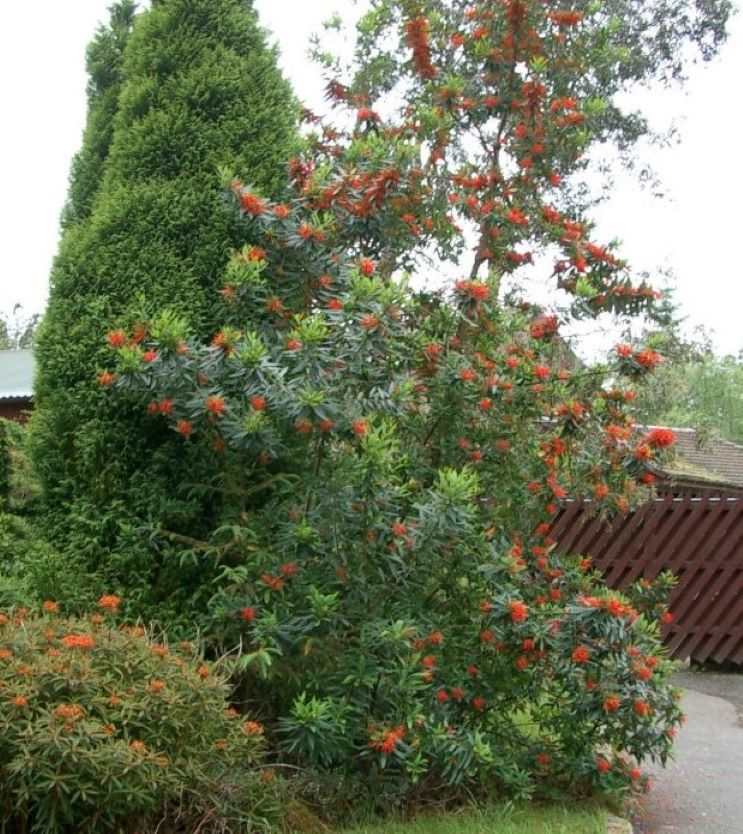


Another selection from my previous garden.
Hydrangea


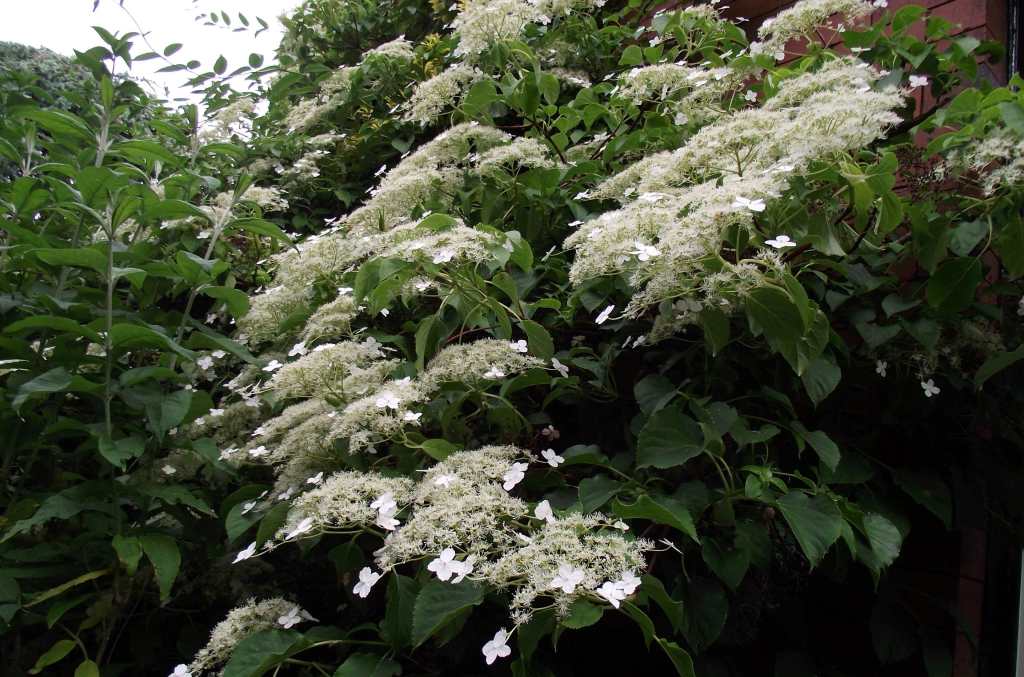
Hydrangeas are a familiar sight in gardens across the country, the most common are, what I refer to, as florist’s hydrangeas or the mopheads (Hydrangea macrophylla cultivars). These are generally named cultivars, some of which may have been passed from gardener to gardener over the years as well as those that have been recently purchased. In recent years the cultivars of H.paniculata have been in the ascendancy with the introduction of showy cultivars such as H.pan ‘Vanilla Fraise’ although these are not quite as easy to grow as they may seem when bought from the garden centre, pruning is all important to get strong enough stems to support the heavy flower panicles in young plants. The lace-caps (Hydrangea aspera for example) make wonderful specimens for under-planting tall trees or shrubs as well standing alone. Finally the climbing hydrangea now Hydrangea anomala subsp. petiolaris is one of the few climbers that do well on a north facing wall. Photo of ‘Vanilla Fraise’ not in my garden.
Hypericum


Hypericum calycinum, also known as Rose of Sharon or St John’s Wort, is a tough addition to the garden. Grown for its long season of flowers and berries and its ability to handle dry shade it can be particularly useful. The fact that hypericums are adaptable, and the genus contains around 500 species, has given them a world wide distribution and some species are even classified as noxious weeds in certain countries. A particularly good form is Hypericum x hidcoteense ‘Hidcote’, another particularly good form for the alpine garden or trough that I used to grow is Hypericum. olympicum. f. uniflorum.AGM.
Leycesteria
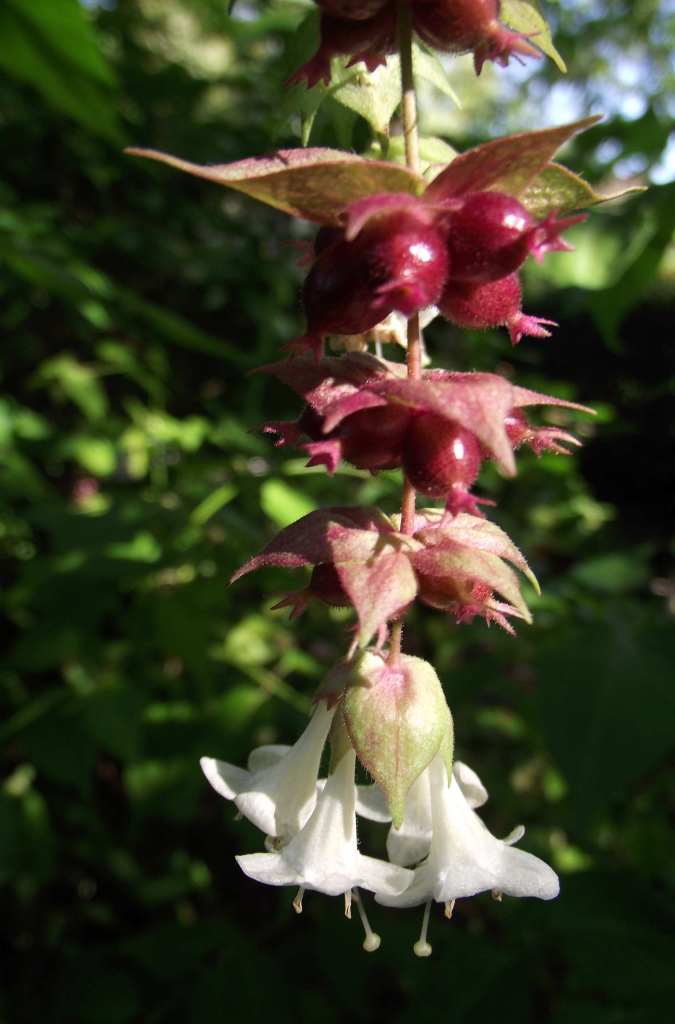
The Himalayan honeysuckle is a vigorous upright shrub, the hollow stems, from which hang the colourful scented flowers and berries, are almost what you would expect from an herbaceous plant. Easy to grow even to the extent it is regarded as an invasive species in Australia and New Zealand.
Magnolia
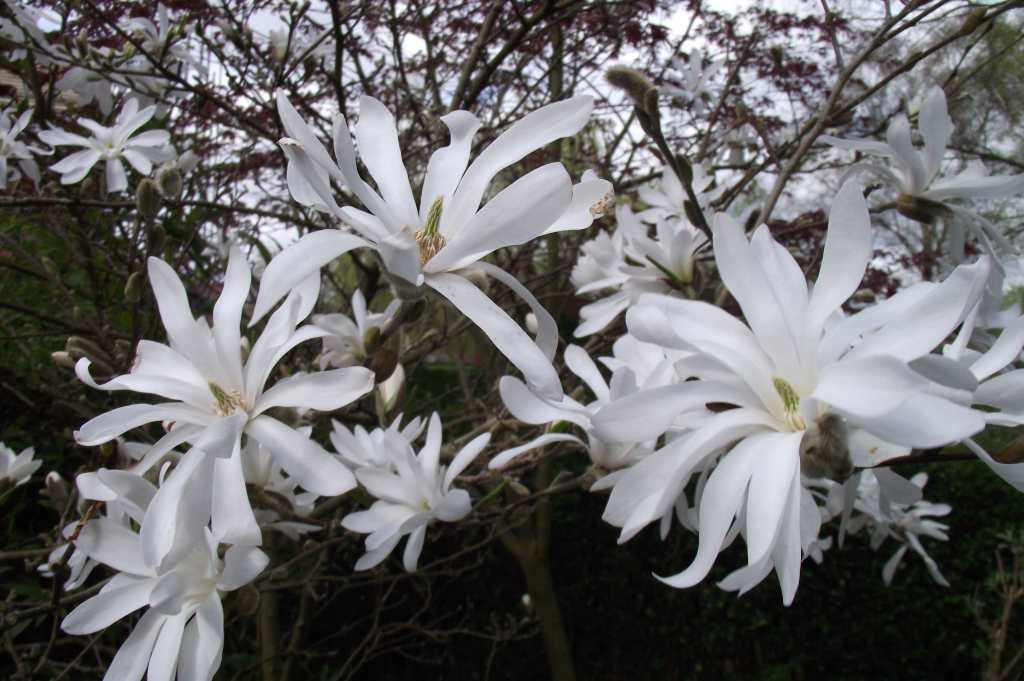


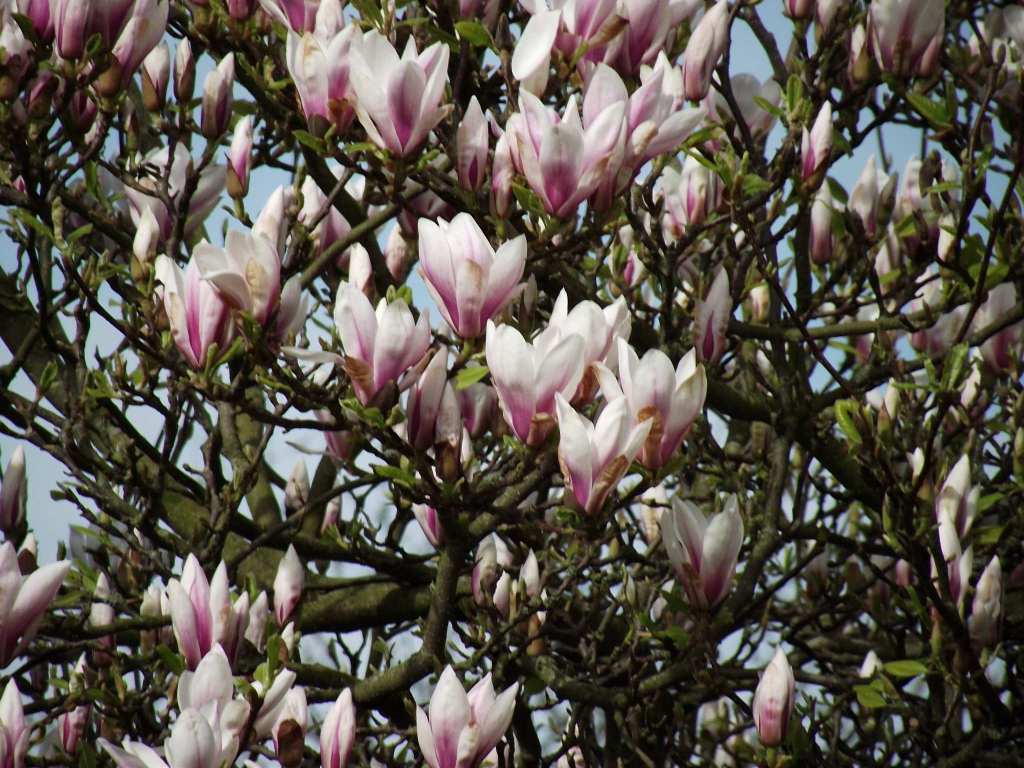
Magnolias are an ancient genus but really came to the attention of the UK gardener with the introduction of M.soulangeana and its cultivars to the buying public back in the 1960’s and 70’s. Everybody wanted one as there were enough mature specimens to be seen and marvelled at from earlier years, they were also very expensive and usually took several years to result in a worthwhile flowering specimen but we persevered. The much anticipated flowering time came along and as the buds opened very often they were hit by a frost and still we clung on to the hope that next year we would see the perfect display, such was the allure. The plants we see today generally have their origins in South East Asia, but it is worth noting that there are a secondary group which originate from America such as Magnolia grandiflora which are actually forest trees, their wood being used to make furniture. The photos of M.grandiflora and M.soulangeana nigra are not from my garden.
 A Plantsman's World