Trees,climbers,shrubs and other random plants. (Part 6)

Another selection from my previous garden.

Hydrangea

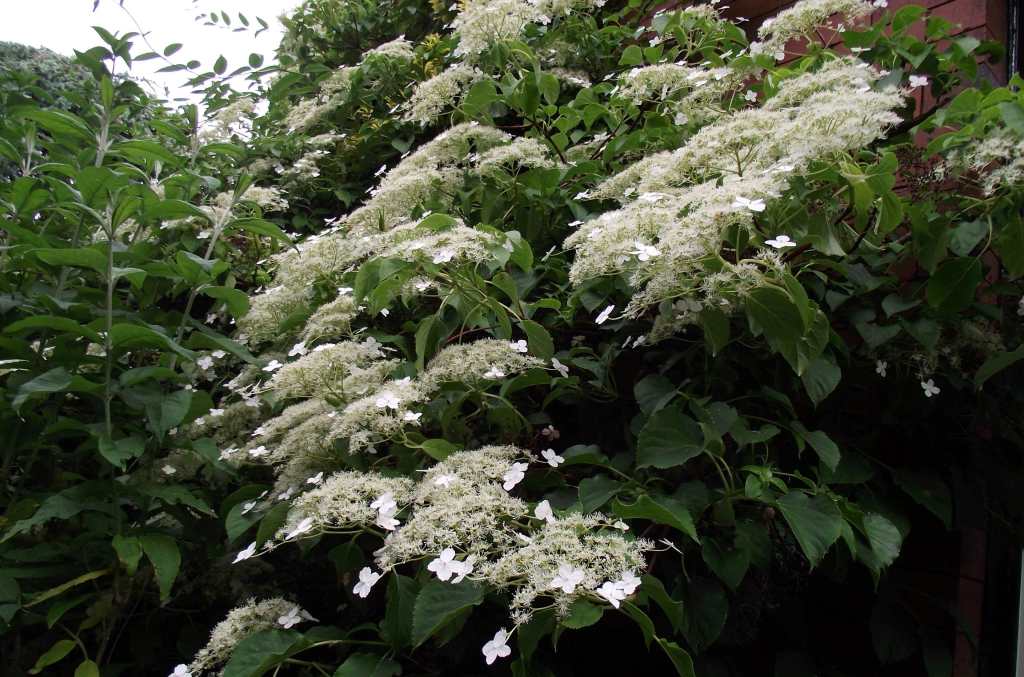
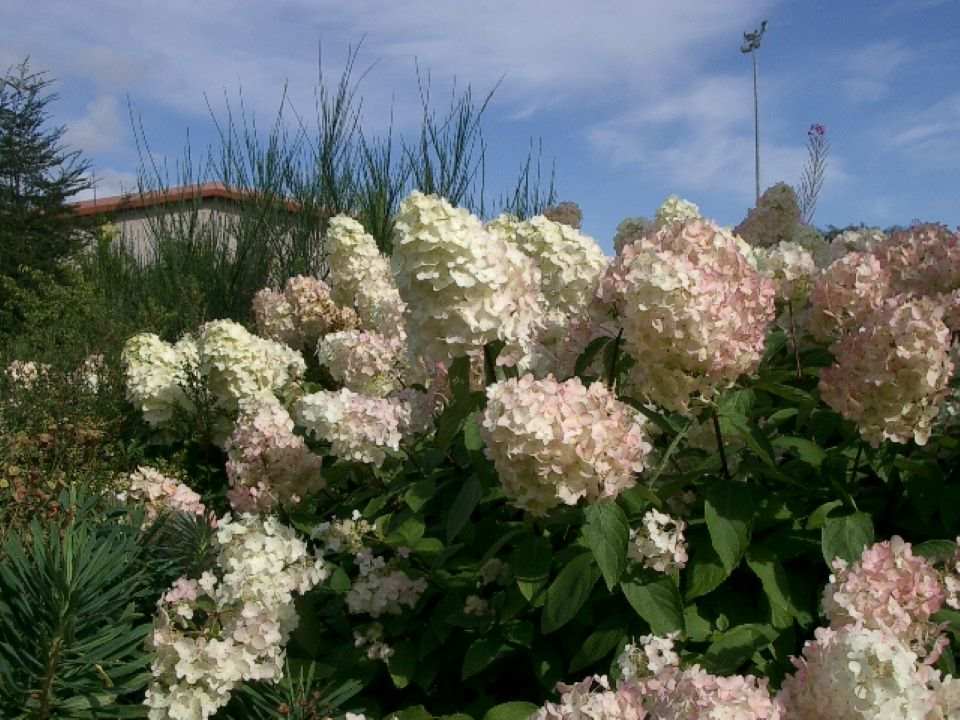
Hydrangeas are a familiar sight in gardens across the country, the most common are, what I refer to, as florist’s hydrangeas or the mopheads (Hydrangea macrophylla cultivars). These are generally named cultivars, some of which may have been passed from gardener to gardener over the years as well as those that have been recently purchased. In recent years the cultivars of H.paniculata have been in the ascendancy with the introduction of showy cultivars such as H.pan ‘Vanilla Fraise’ although these are not quite as easy to grow as they may seem when bought from the garden centre, pruning is all important to get strong enough stems to support the heavy flower panicles in young plants. The lace-caps (Hydrangea aspera for example) make wonderful specimens for under-planting tall trees or shrubs as well standing alone. Finally the climbing hydrangea now Hydrangea anomala subsp. petiolaris is one of the few climbers that do well on a north facing wall. Photo of ‘Vanilla Fraise’ not in my garden.

Hypericum

Hypericum calycinum, also known as Rose of Sharon or St John’s Wort, is a tough addition to the garden. Grown for its long season of flowers and berries and its ability to handle dry shade it can be particularly useful. The fact that hypericums are adaptable, and the genus contains around 500 species, has given them a world wide distribution and some species are even classified as noxious weeds in certain countries. A particularly good form is Hypericum x hidcoteense ‘Hidcote’, another particularly good form for the alpine garden or trough that I used to grow is Hypericum. olympicum. f. uniflorum.AGM.

Leycesteria
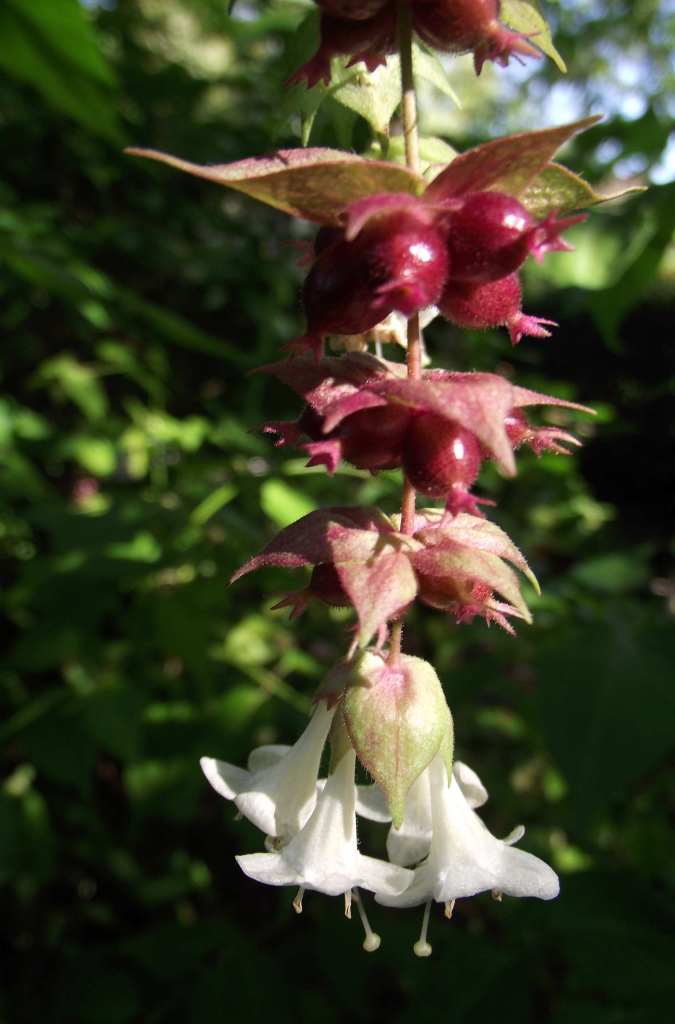
The Himalayan honeysuckle is a vigorous upright shrub, the hollow stems, from which hang the colourful scented flowers and berries, are almost what you would expect from an herbaceous plant. Easy to grow even to the extent it is regarded as an invasive species in Australia and New Zealand.

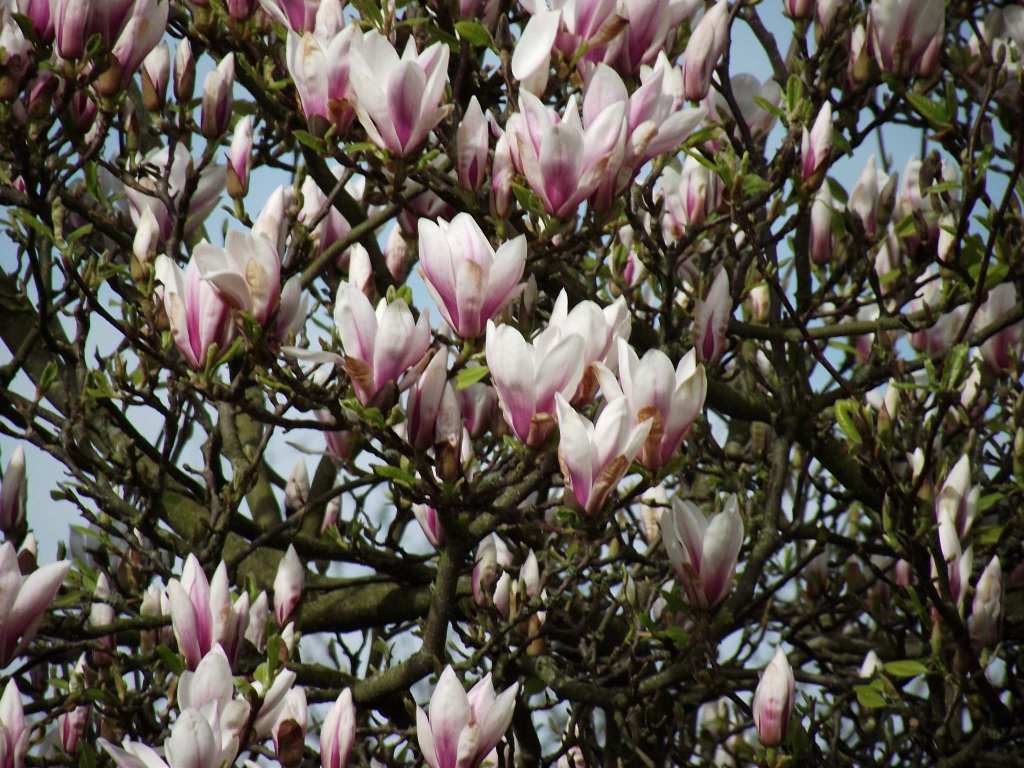
Magnolia
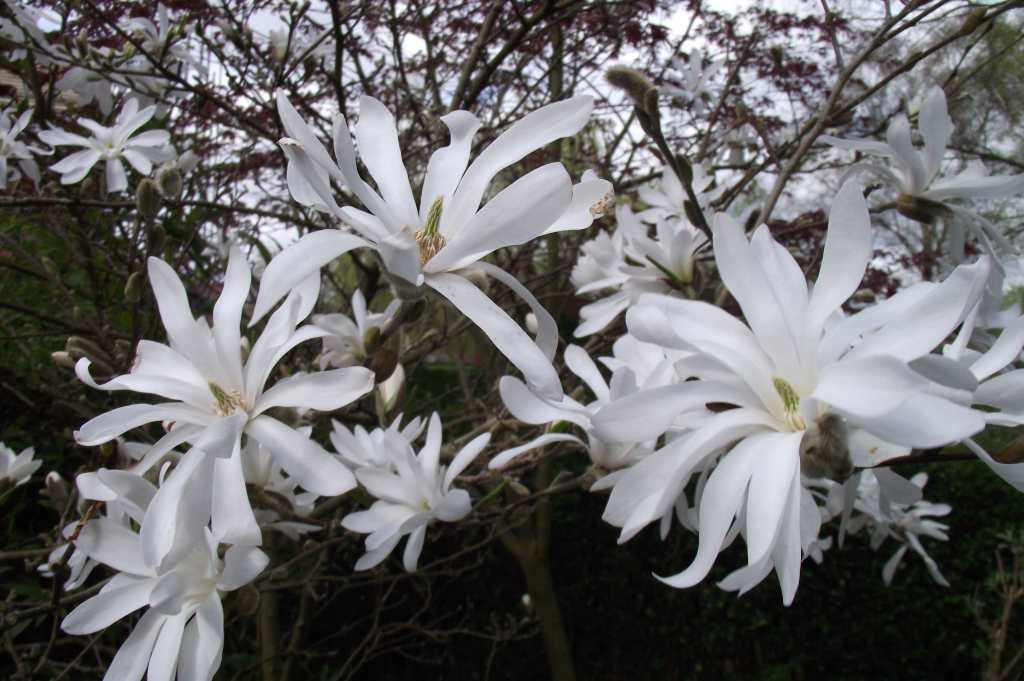
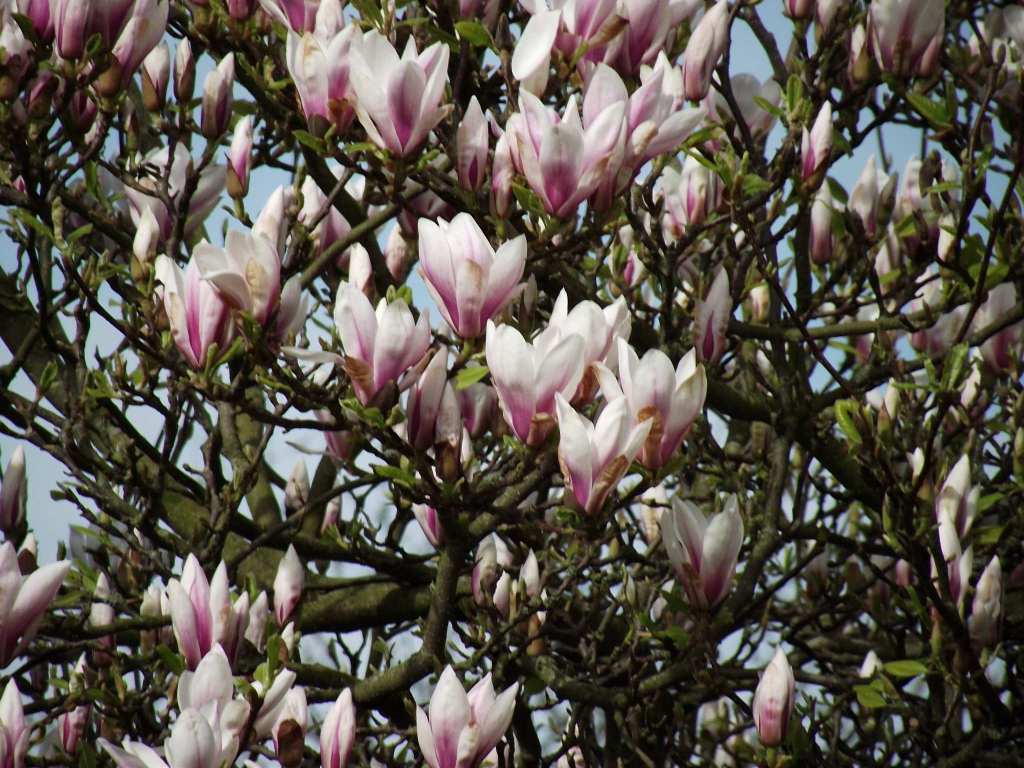
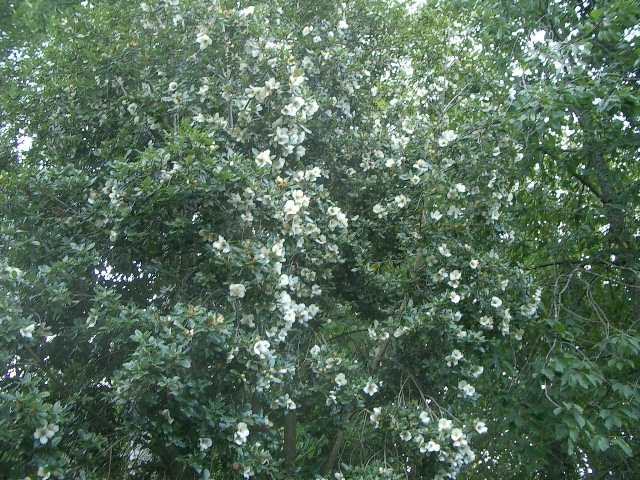
Magnolias are an ancient genus but really came to the attention of the UK gardener with the introduction of M.soulangeana and its cultivars to the buying public back in the 1960’s and 70’s. Everybody wanted one as there were enough mature specimens to be seen and marvelled at from earlier years, they were also very expensive and usually took several years to result in a worthwhile flowering specimen but we persevered. The much anticipated flowering time came along and as the buds opened very often they were hit by a frost and still we clung on to the hope that next year we would see the perfect display, such was the allure. The plants we see today generally have their origins in South East Asia, but it is worth noting that there are a secondary group which originate from America such as Magnolia grandiflora which are actually forest trees, their wood being used to make furniture. The photos of M.grandiflora and M.soulangeana nigra are not from my garden.

Trees,climbers,shrubs and other random plants. (Part 5)

I have come to the conclusion that this retrospective of the photos from my previous garden is not necessarily a good thing, the more I see of it the more I miss it. Nostalgia has set in!

Dregea sinensis

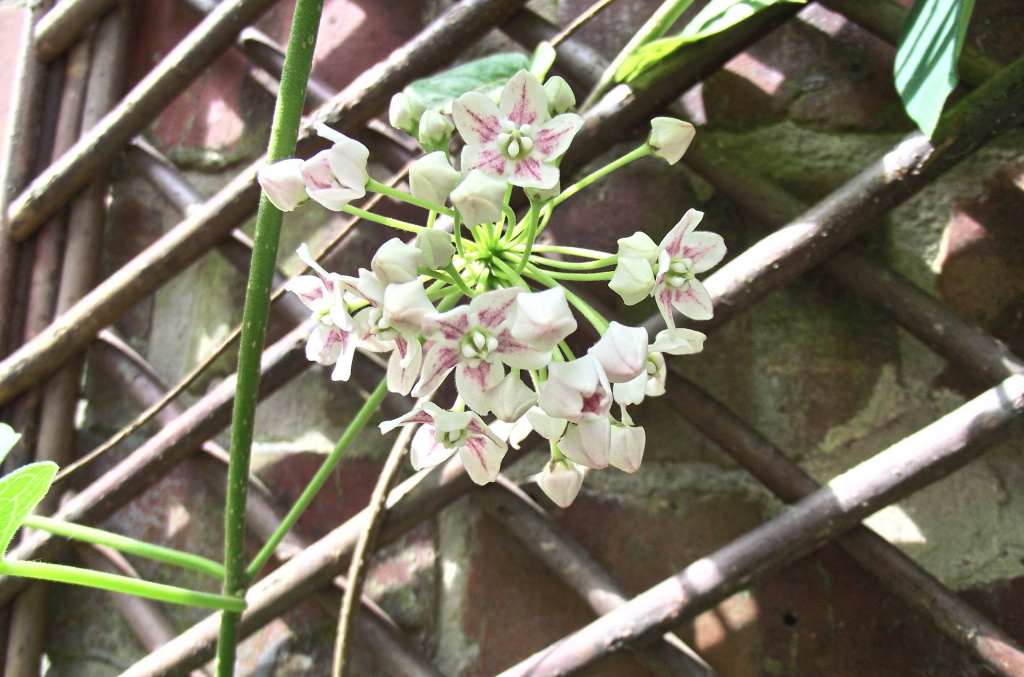
Here is a real oddity, a beautiful almost hardy evergreen climber which I was lucky enough to grow from seed. Hailing from China it has scented hoya-like flower clusters and is thought to be related to stephanotis, although there appears to be some debate about its true nomenclature. Plants are available from some of the more specialist nurseries, certainly worth a go.

Elaeagnus

Elaeagnus are not the showiest of shrubs, the attractive foliage tends to be rather muted, but they do make a good foil for other showier plants and make useful hedges particularly when salt tolerance is required. Originating mainly from China, there are several established hybrids and their cultivars available which bear fragrant blossoms during the summer. They are a good choice as a tough, resilient garden stalwart.

Eucryphia

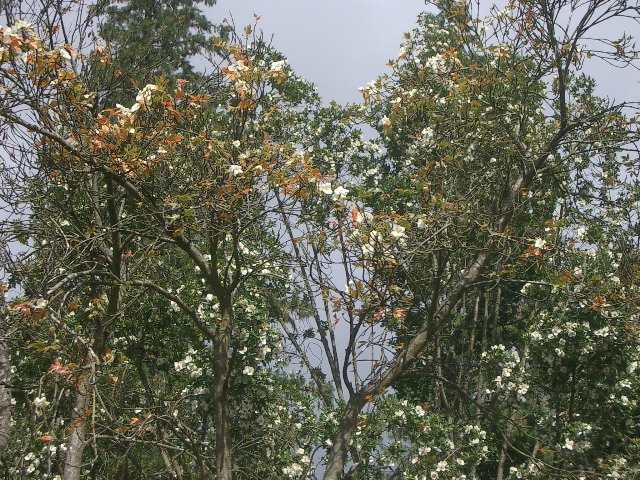
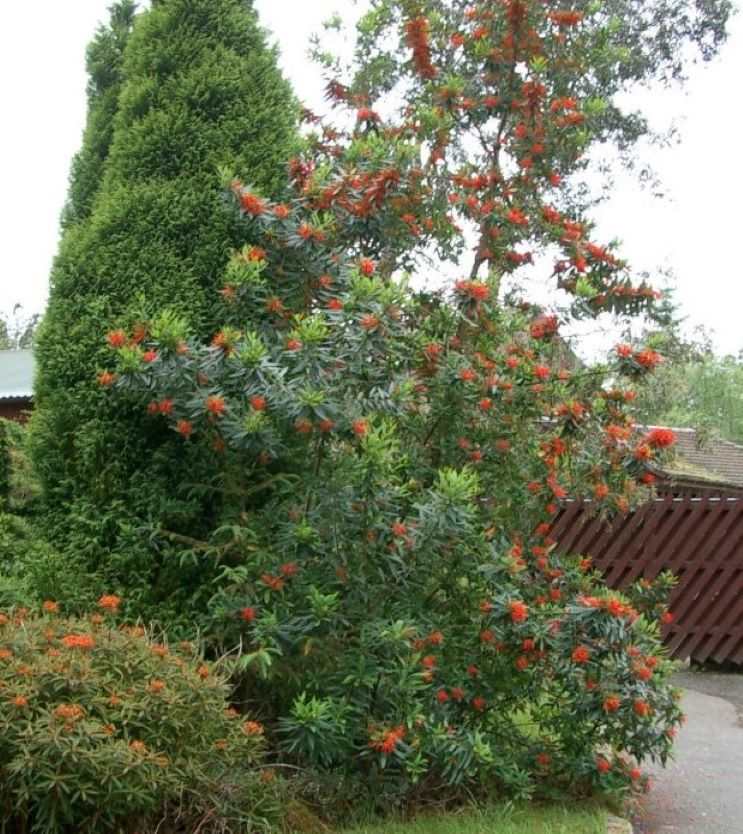
Definitely not in my back garden, but photographed on the west coast of Scotland, I have always wanted to try eucryphias but is something I no longer have room for. They all prefer a moist soil in full sun and, as they originate from S.America and Australia, a mild climate. Generally evergreen trees although E.glutinosa is best described as semi-evergreen. Not for the small garden.
Euonymous

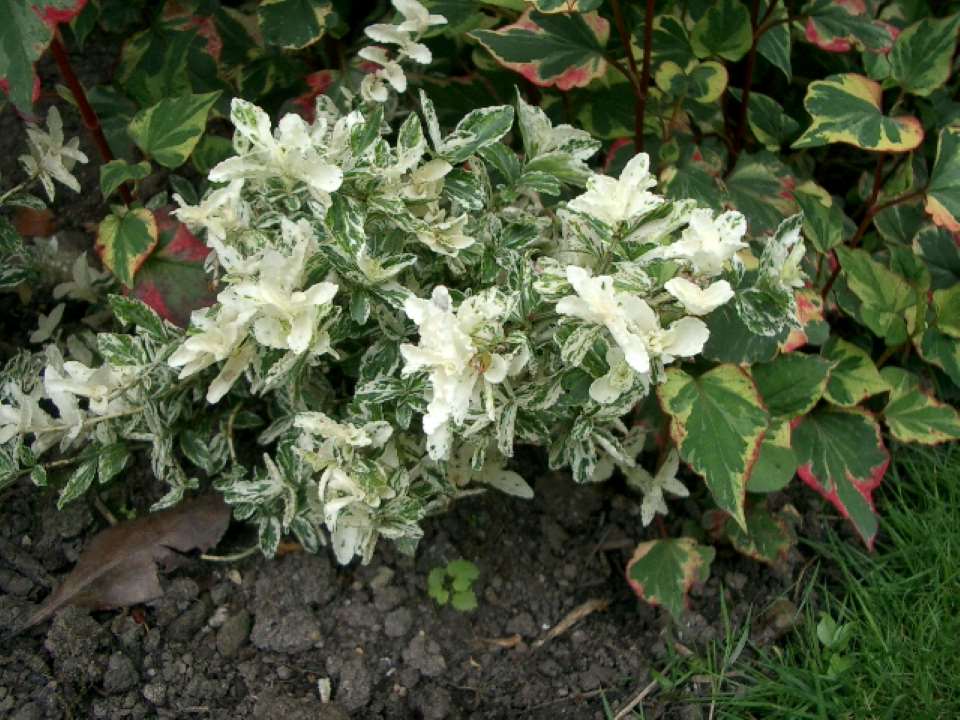
The spindle trees originate mainly from E.Asia but are now widely distributed. Tough, easy to grow shrubs, their cultivars exhibit a wide range of foliage colours. They are very adaptable and, depending on the variety, can be grown as anything from single specimens to use as ground cover. They always put me in mind as being the showier cousins of the elaeagnus.

Forsythia

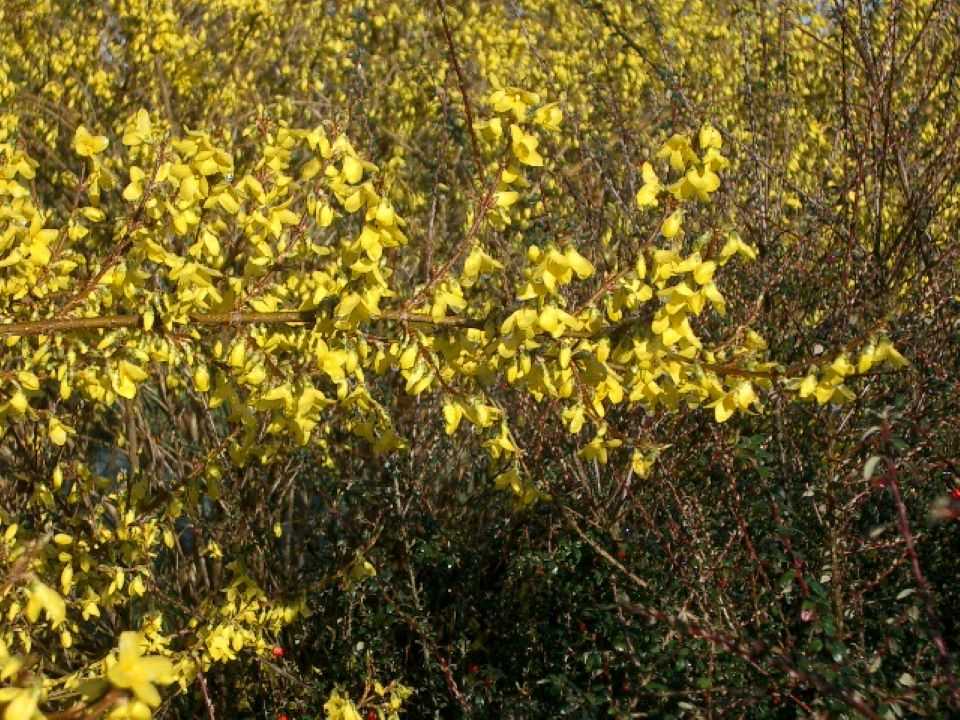
In my experience too many “garden snobs” tend to look down on the likes of forsythia as a “common” garden plant forgetting that 60 years ago forsythia and its ilk were very often all that was available to the ordinary gardener to brighten up the day. Personally I regard it as a shrub for a large garden as there is far too much down-time when not in flower on a not too attractive bush, one certainly wouldn’t want to make it a focal point. Moving on there are now many cultivars available as the breeders have picked up and carried the torch but it still comes down to why is it “common”? Because it is popular and does the job as a harbinger of spring like a familiar old friend.

Hamamelis

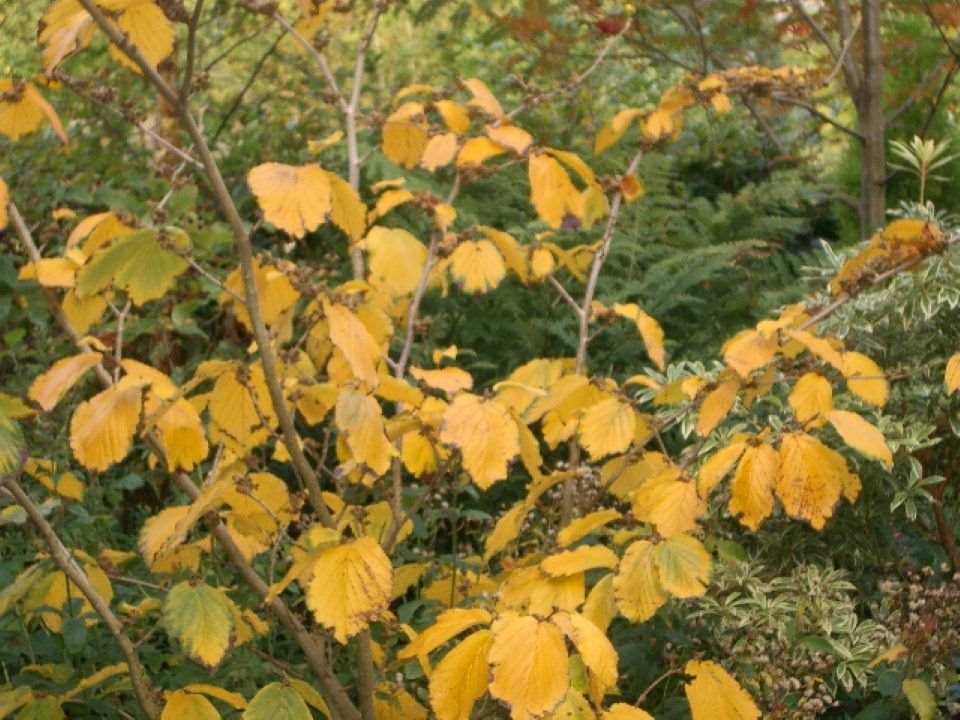
Chinese witch hazel gives both fragrant flowers at a time when the garden needs them along with the turning winter foliage. A bit too vigorous for some gardens, there are now however many cultivars available, some are bred for the smaller garden and even patio and have a developed a wider spectrum of flower colour including red. A good, tough, deciduous shrub.

Trees,climbers,shrubs and other random plants. (Part 4)

Cotinus

Smoke bushes are grown for their foliage colour and their plumes of flowers in summer which give the appearance of smoke. Although the popular cultivars are grown from C. coggygria they do vary in form quite a bit. Of the two examples shown, I find ‘Grace’ to have a very sprawling habit, whereas ‘Royal Purple’ makes a much neater bush. Both of these have an NHS Award of Garden Merit.

Cotoneaster

The only picture I have of these versatile shrubs is that of what was described as a”Chinese Hybrid” which was the name given to plants of generally a mixed parentage from the tall growing species in the 1960’s and 70’s. Along with these Cotoneaster horizontalis was very popular at the time. This particular specimen was adjacent to my drive and when the birds descended during the berry season it was not the place to have your car parked!

Datura

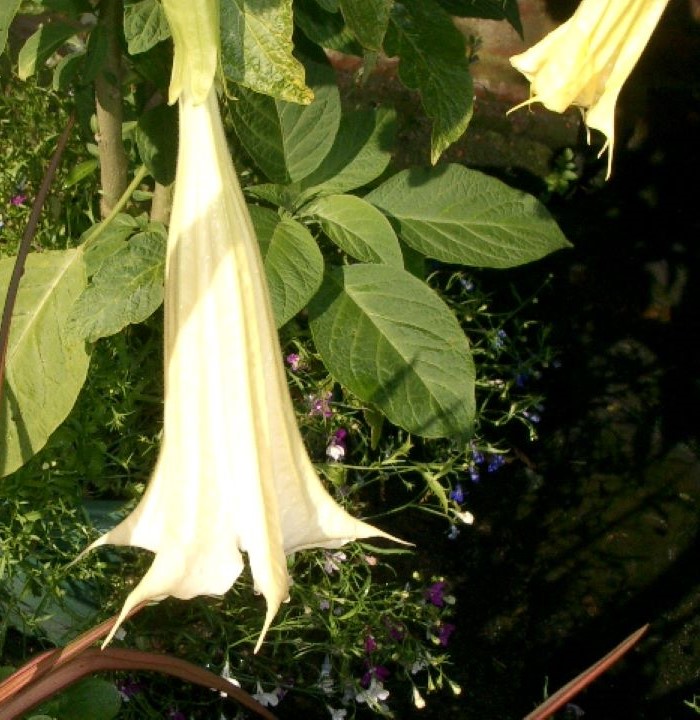
…… or Brugmansia. I wasn’t going to include this plant but it is always intriguing to look at which is which. Ostensibly Daturas are herbaceous plants bearing upright trumpets whereas Brugmansias have woody stems forming shrubs or small trees from which the flowers hang down. This being said, the plant shown is herbaceous, sown as Datura but the flowers hang down? Both are half-hardy at best in a very mild position and generally need moving indoors in the winter.

Davidia involucrata

Not pictured in my garden, the paper handkerchief tree, is a medium size deciduous tree originating from China grown principally for its large white flower bracts giving it an almost ethereal look.

Dianthus

……………and now for something completely different, a common or garden pink, backbone of the cottage garden, available in hundreds of varieties and a rather neat biennial Sweet William grown on a whim.

Discentra

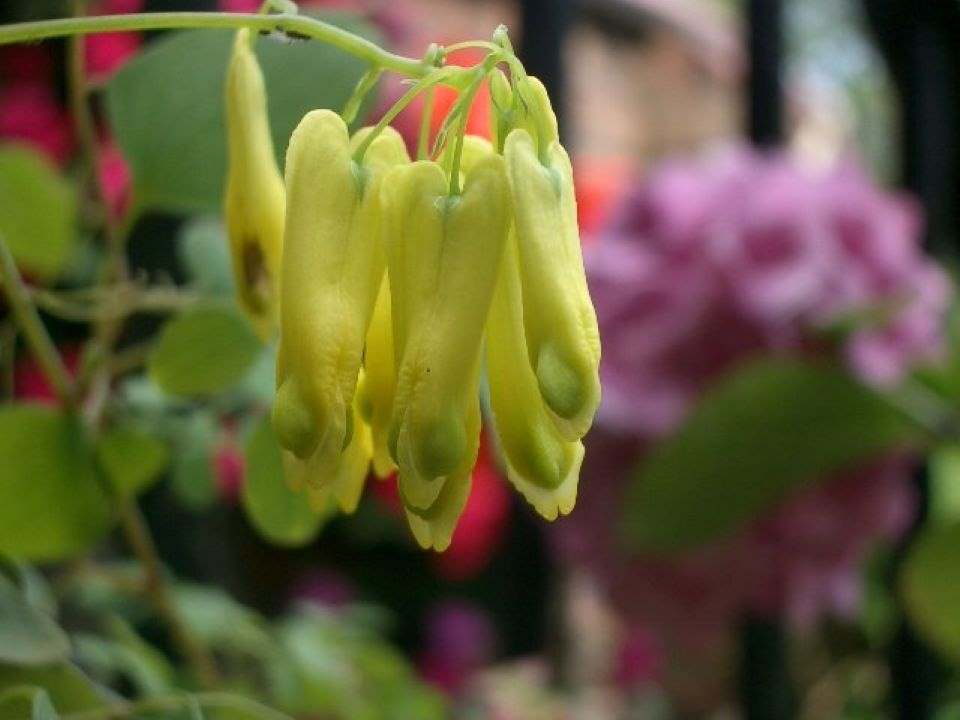
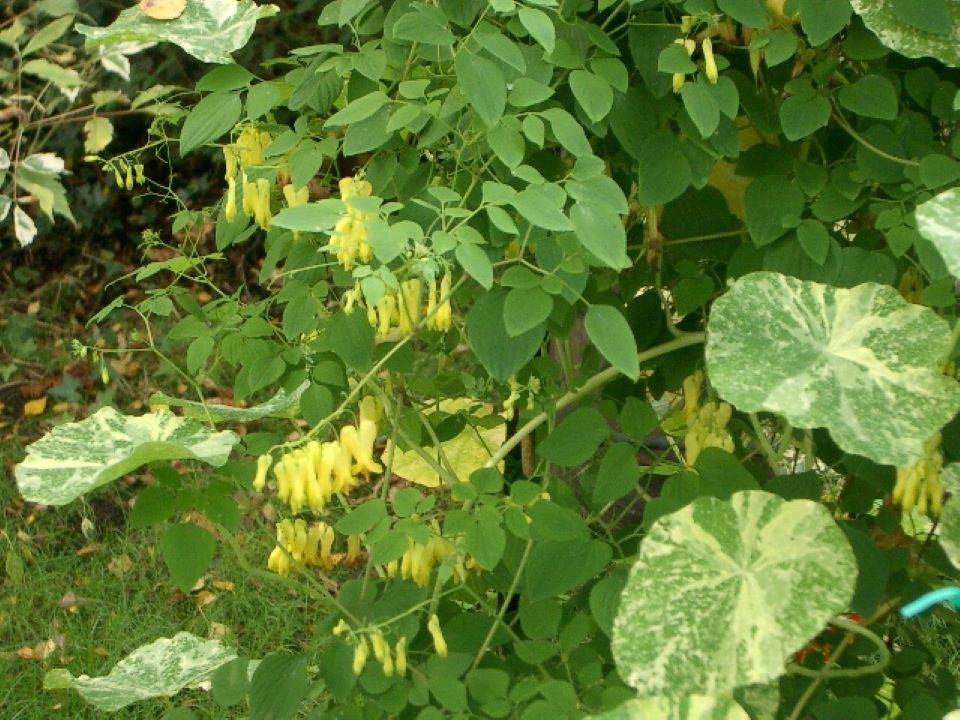
Discentra spectabilis or Bleeding Heart has been dealt with in an earlier chapter but here is a climber which I was fortunate enough to obtain seed of. The genus Discentra has now been turned upside down, sorry revised, so Discentra scandens is now Dactylicapnos scandens and our old familiar bleeding heart is Lamprocapnos spectabilis, when will it end! D.scandens by the way, is not frost hardy.

Trees,climbers,shrubs and other random plants, (Part 3)

Calistemon

Callistemon citrinus or the Australian Bottle Brush displays the distinctive flower-heads over the neat evergreen scented foliage. This remarkable specimen was found on the west coast of Scotland were it has thrived in the mild climate. I have tried to grow it at home but only managed a couple of winters before its demise.

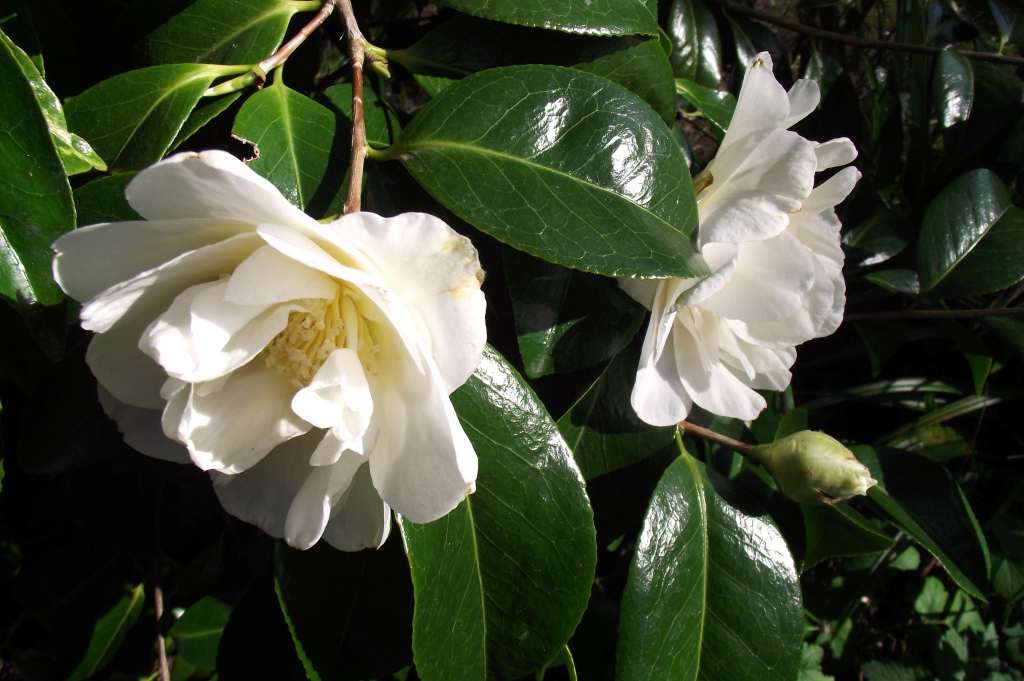
Camellia

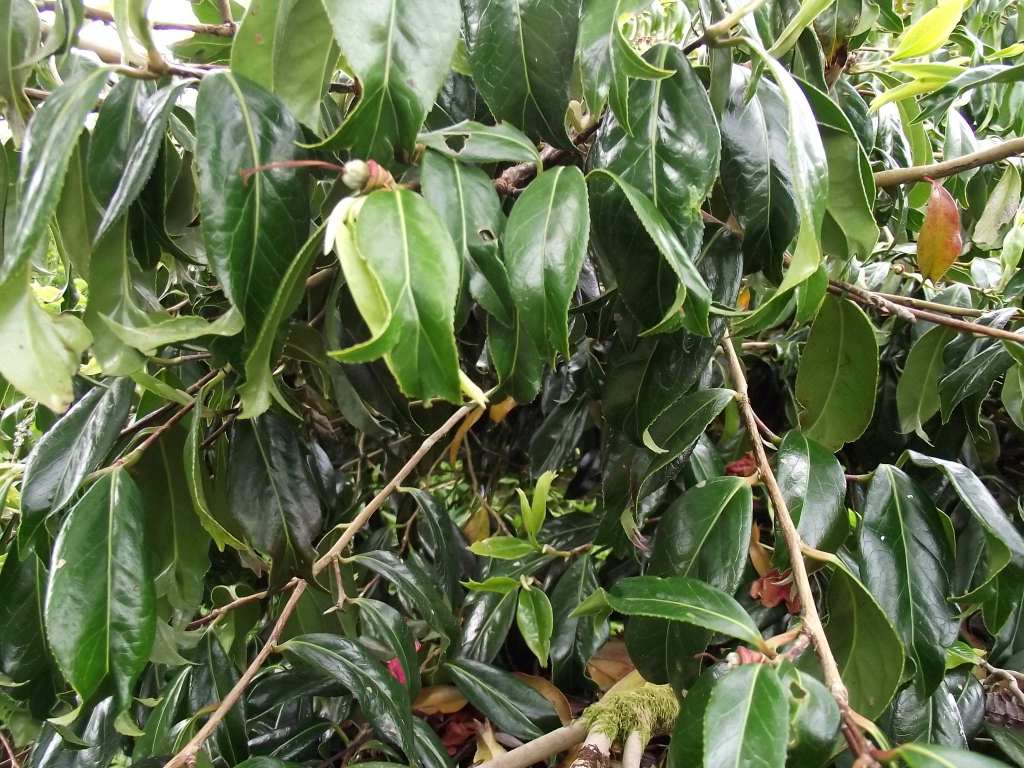
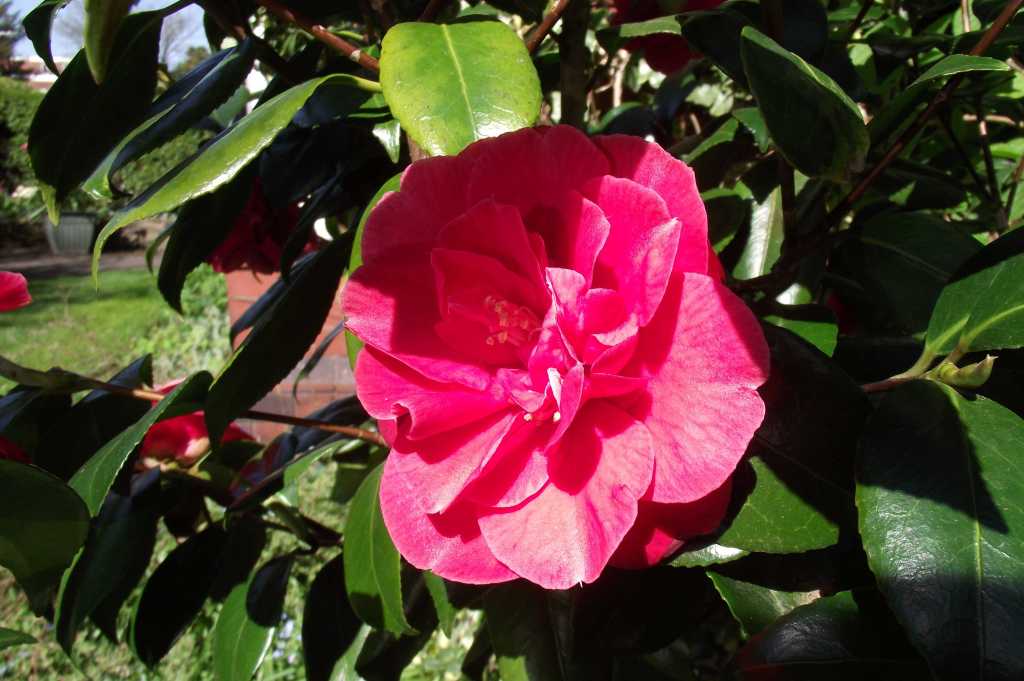
There are hundreds of cultivars of the most common camellia – Camellia japonica, many of which can become substantial shrubs or even trees. Although not in my garden I have included a picture of Camellia x williamsii ‘C F Coates’ out of interest, not for the flowers unfortunately, but for the distinctive leaves denoting it as a “fishtail camellia”.

Camellias are another genus which can be susceptible to the dreaded cushion scale pest and subsequent sooty mildew.

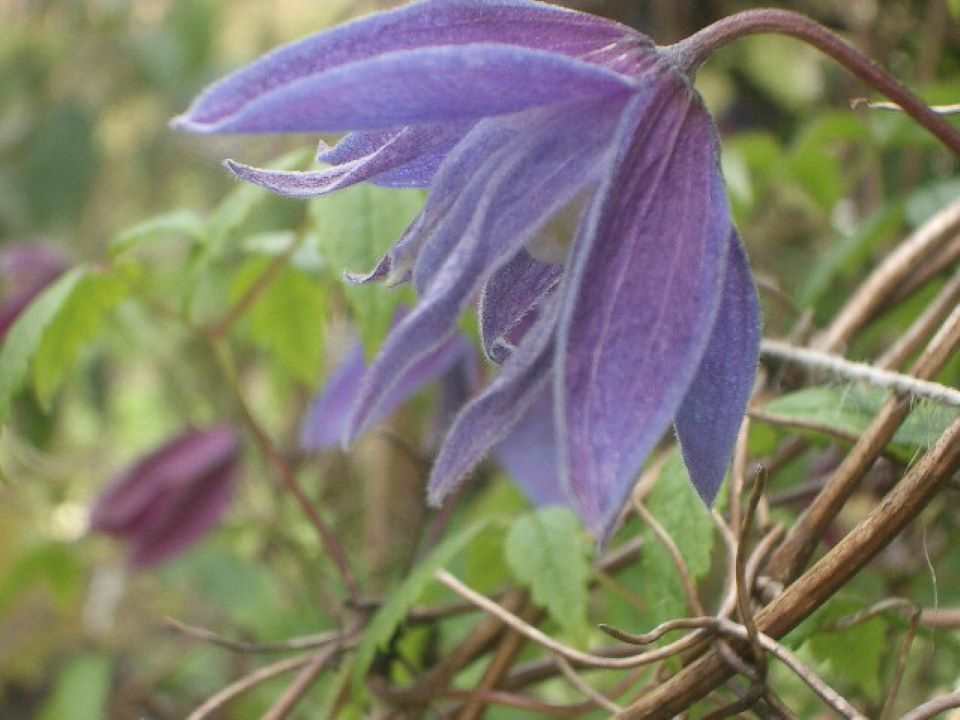
Clematis

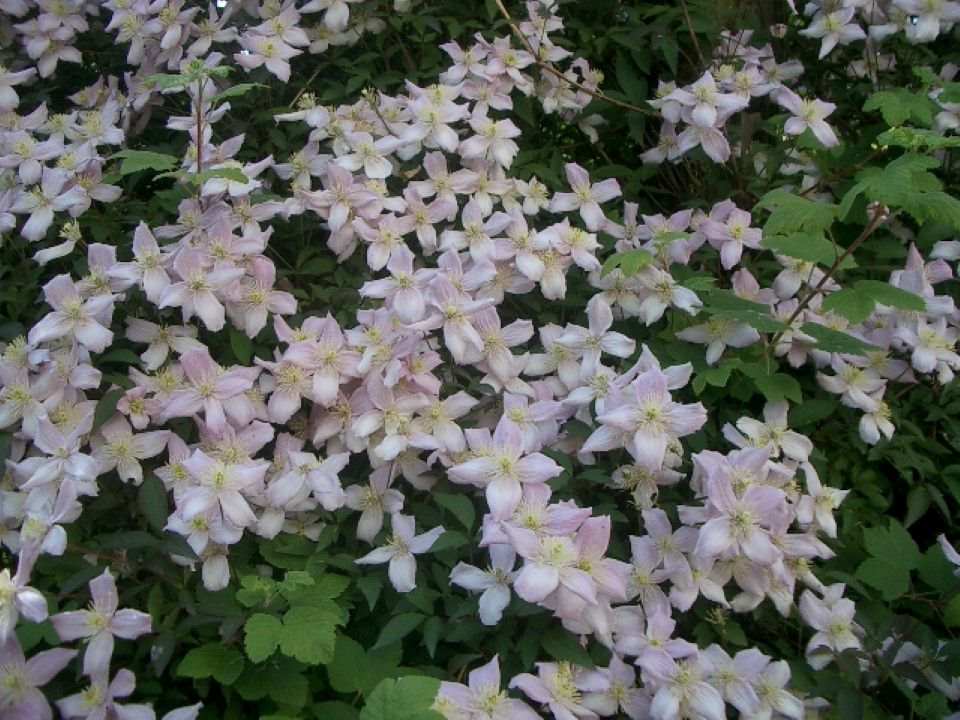
So much has been written about clematis that there is little point in me adding to it. These versatile plants suit every occasion from growing the rampant C.montana and its many cultivars to cover walls, fences or even buildings to growing the large flowered hybrids just to admire their beauty, a clematis can be found to fit the bill. They are generally trouble free, although an attack of the dreaded clematis wilt can be devastating. My personal favourite is Clematis tangutica in particularly the ‘Lampton Park’ form.

Cornus

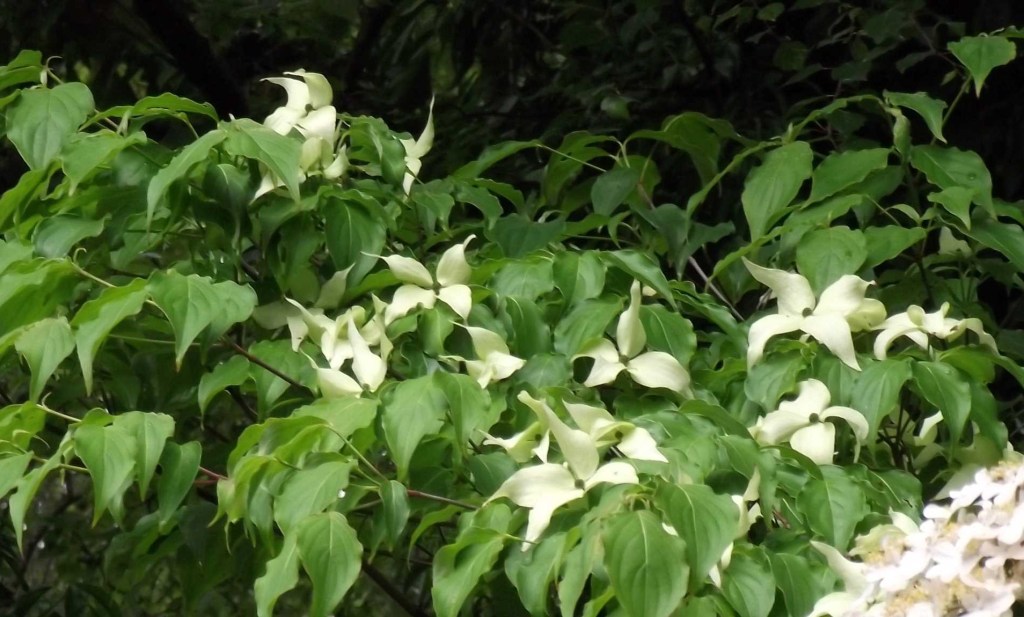
Dogwoods, mainly Cornus alba, a native of Siberia, and its forms, are grown extensively for landscaping and general garden planting for their winter bark colours, ranging from yellows to deep reds. For some reason I have not taken pictures of those I have grown, the only one I have being of Cornus kousa or the Japanese dogwood which is a small tree with colour in its seasonal foliage and from its pure white bracts which later reveal clusters of strawberry-like fruit, making it an attractive proposition for the small garden.

Trees,climbers,shrubs and other random plants (Part 2)

Continuing to work through pictures from my old garden in North West England which was surrounded by trees and had a moist, not always well-drained, slightly acid soil. This particularly enabled me to indulge my two favourite genera of meconopsis and mainly Asiatic primulas, amongst many others. All the photographs were taken in my garden unless otherwise stated.

Abutilon

Abutilons come from tropical and sub-tropical areas and as such are not fully hardy in the UK although some may survive against a sunny south-facing wall in warmer areas. My first job was for a local parks department and I will always remember the large specimen of A.megapotamicum that dominated the cool glass house with its lantern shaped flowers. A.megapotamicum was really the only abutilon that was widely cultivated but now there are many cultivars available as their showy flowers and interesting foliage have made them a desirable subject.

Acer

Acers are one of our most recognisable trees from the common sycamore (Acer pseudoplatanus) to all the various cultivars, particularly from Acer palmatum, grown mainly for their leaf colours, be it the contrasting new growth in spring or glorious autumn displays. Widespread throughout the Northern Hemisphere, although acers are not native to the UK, they are easily recognisable by their distinctive leaf shape and winged fruit. In siting a maple (acer), particularly the Japanese types, it is worth bearing in mind that very often protecting the foliage is a major objective so a cool spot out of the way of cold winds and early morning sunshine is to be preferred. One thing I have learned to my cost was acers certainly don’t like getting their feet wet, I was given a rather expensive specimen as a present which I put in, what I thought was, an ideal spot, that winter that area of the garden decided to drown and so did the acer.

Amelanchier

Amelanchier lamarckii or snowy mespilus is a member of the rose family, which is possibly a hybrid that is thought to originate from North America although it is not found in the wild there. A large bush or small tree it has white blossom in spring followed by inedible fruits and some autumn leaf colour. Likes a cool root run in moist slightly acid soil but also flowers better in full sun.

Asarina?

Completely mixed up about these, now synonymous with Maurandya these plants were grown from seed labelled as Asarina scandens and Maurandya purpusii respectively. Anyway, the climbing snapdragon is a half-hardy climbing sub-shrub hailing from Mexico and the southern United States and is grown as a half-hardy perennial or annual usually in a container. I rather like them although grown more as a novelty from a”lucky dip” purchase. To add insult to injury Maurandya purpusii that was Asarina purpusii is now Lophospermum purpusii, I give up!

Berberis

Found pretty much all over the world this genus, which is probably familiar to all gardeners in one form or another, is easy to grow, versatile and decorative as well as many of its members making ideal hedging material, their thorns making an effective barrier to both human and animal. I think most of its familiar members can be described as ‘tough as old boots’. The whitish sheen apparent on the B.thunbergii pictured is actually a powdery mildew which appeared every year regardless of the prevailing weather conditions.

Buddleja

As they are often seen at the roadside, on abandoned buildings and beside the rail-lines as a weed, buddlejas tend to have a bad press but I wouldn’t be without them and in fact have two in my new small garden. Most cultivars which are available are from B.davidii although ‘Lochinch’ is sometimes known as B.fallowiana and I have read somewhere that B.x weyeriana ‘Sungold’ is an early cross between a form of B.davidii and a South American species. Love them or hate them, I don’t think they can be surpassed in their ability to attract bees and butterflies and their intense fragrance.
Trees,shrubs,climbers and other random plants. (Part 1)

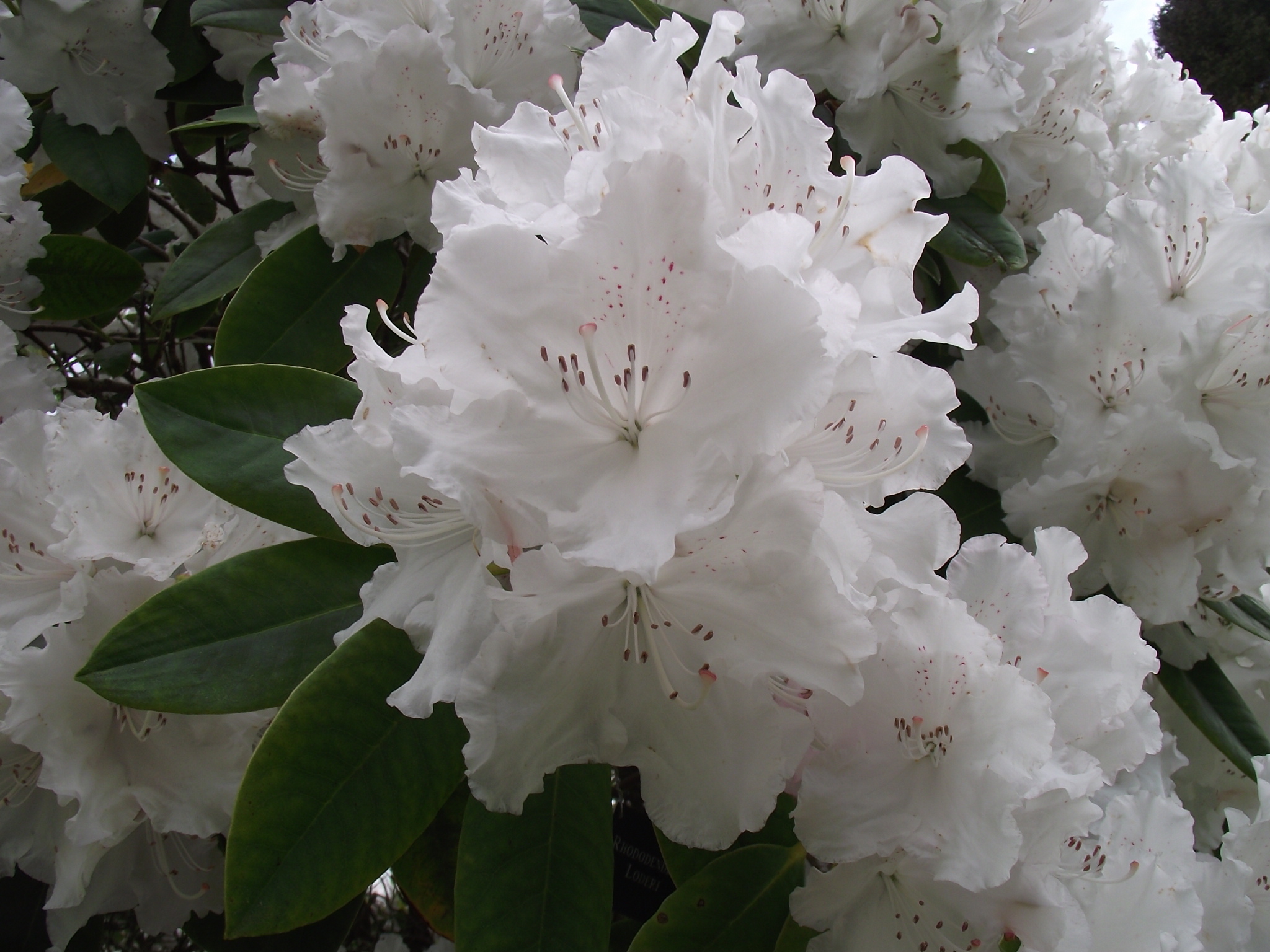
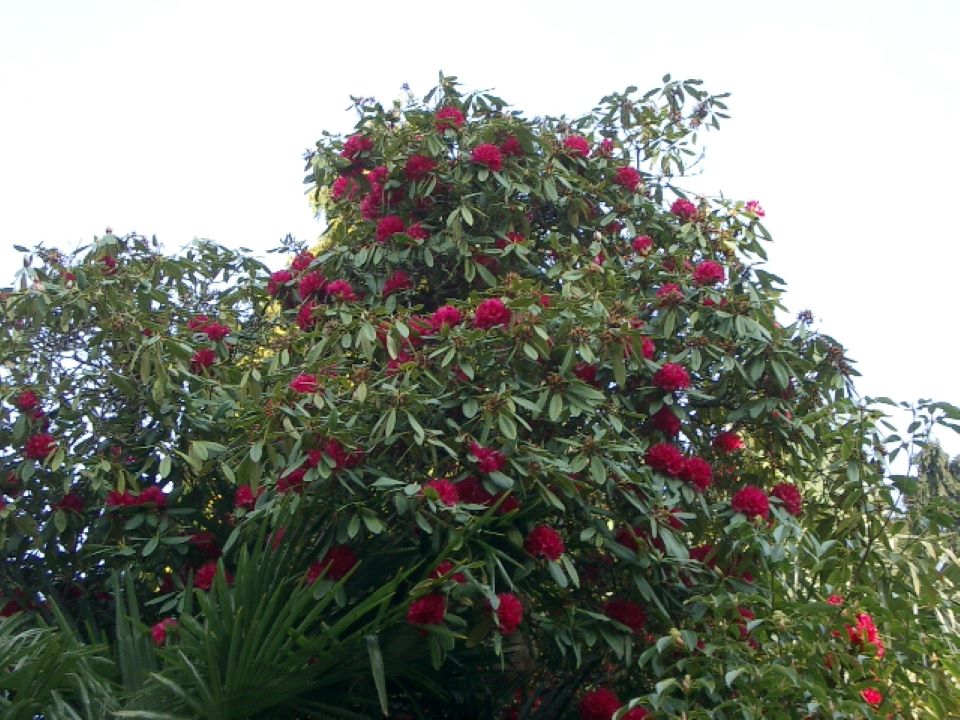
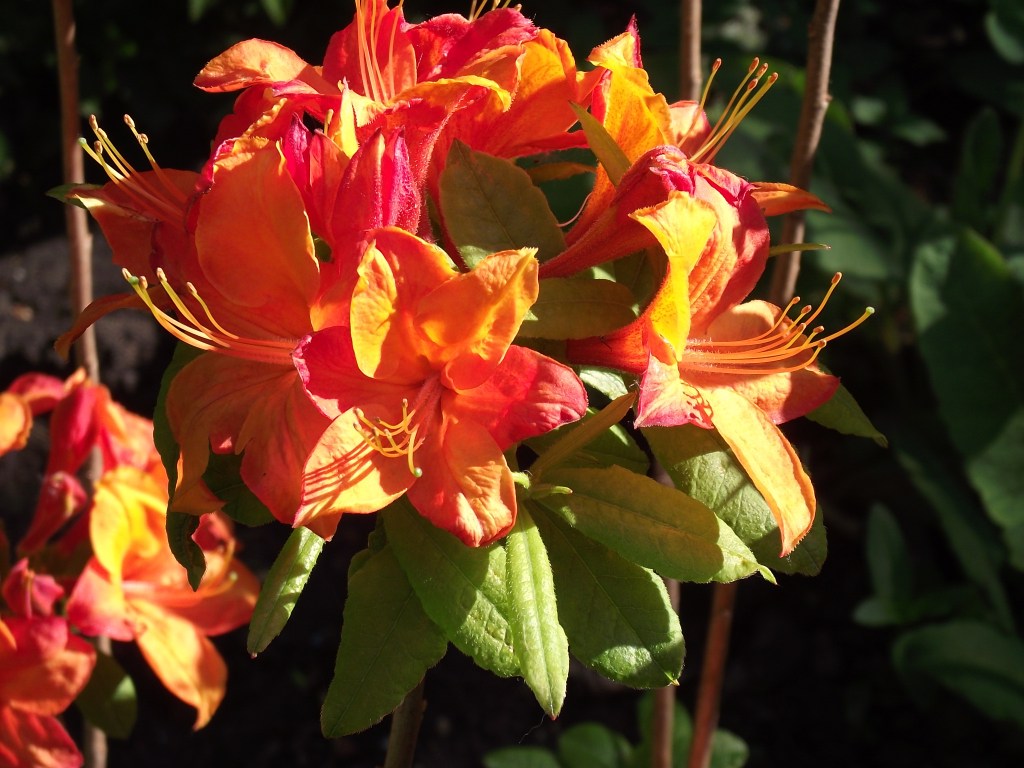
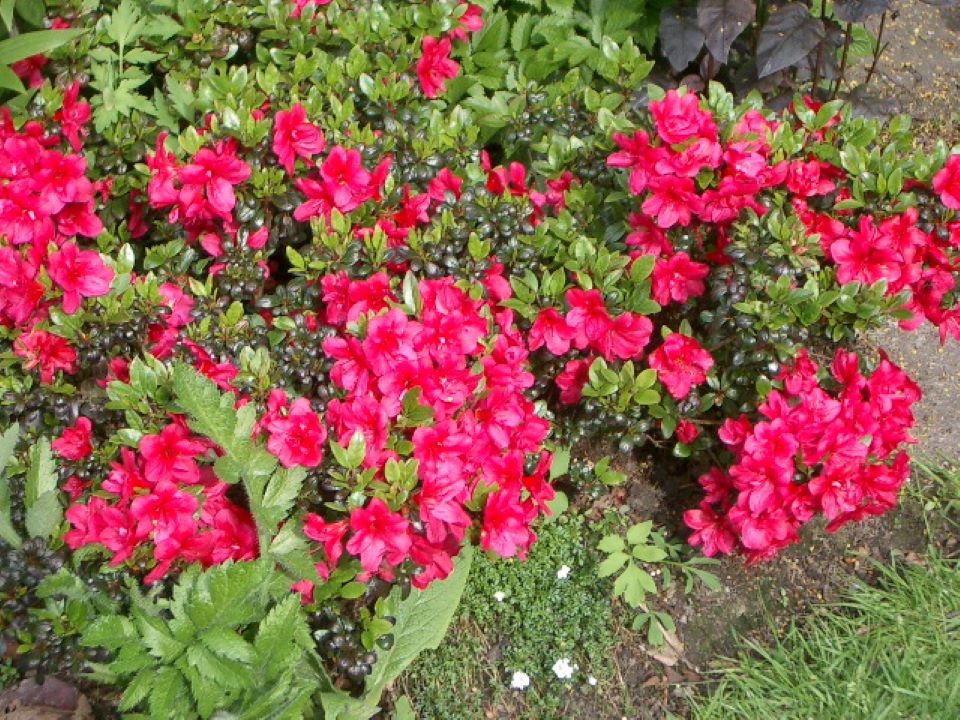
Rhododendrons and Azaleas

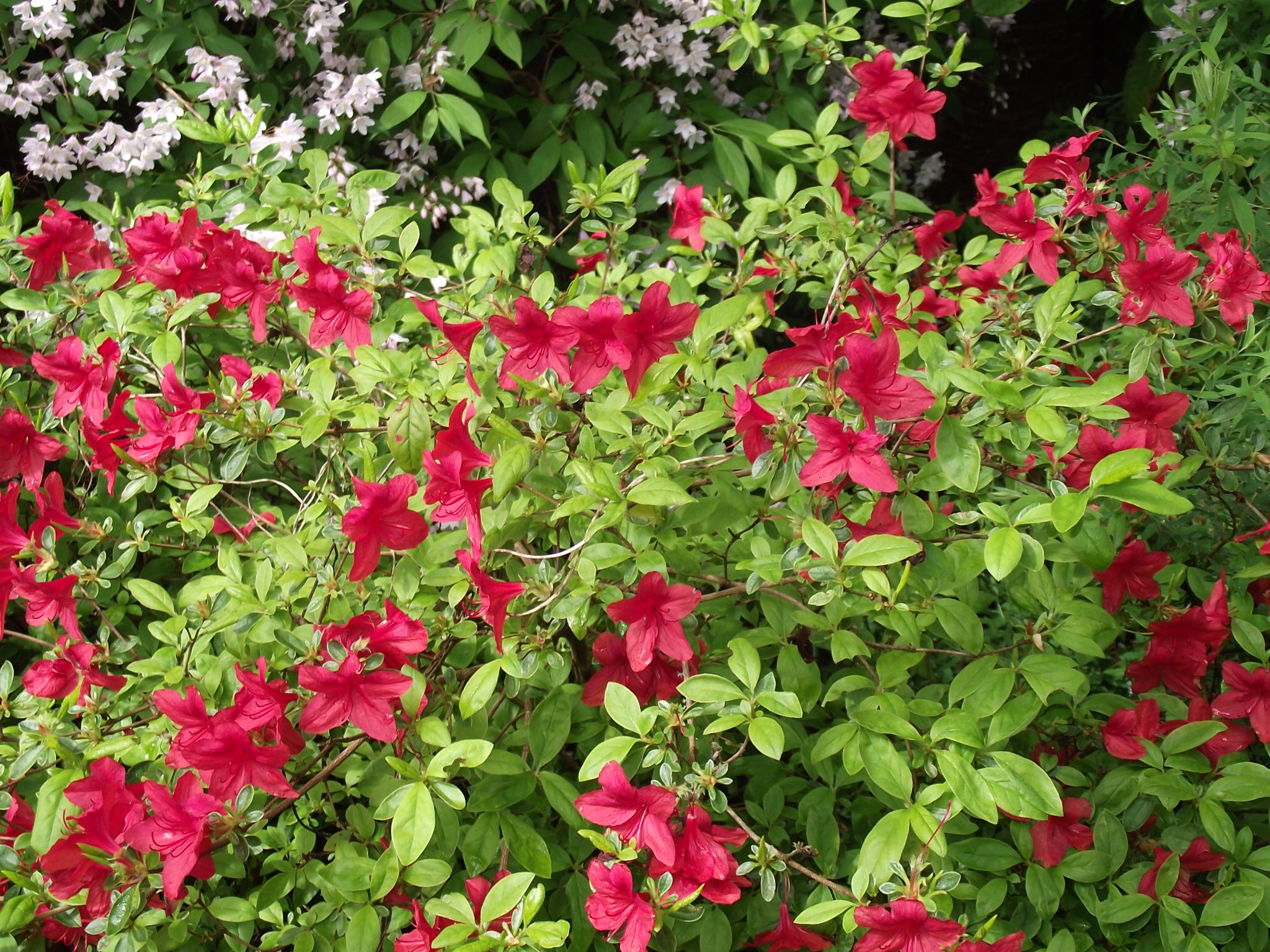
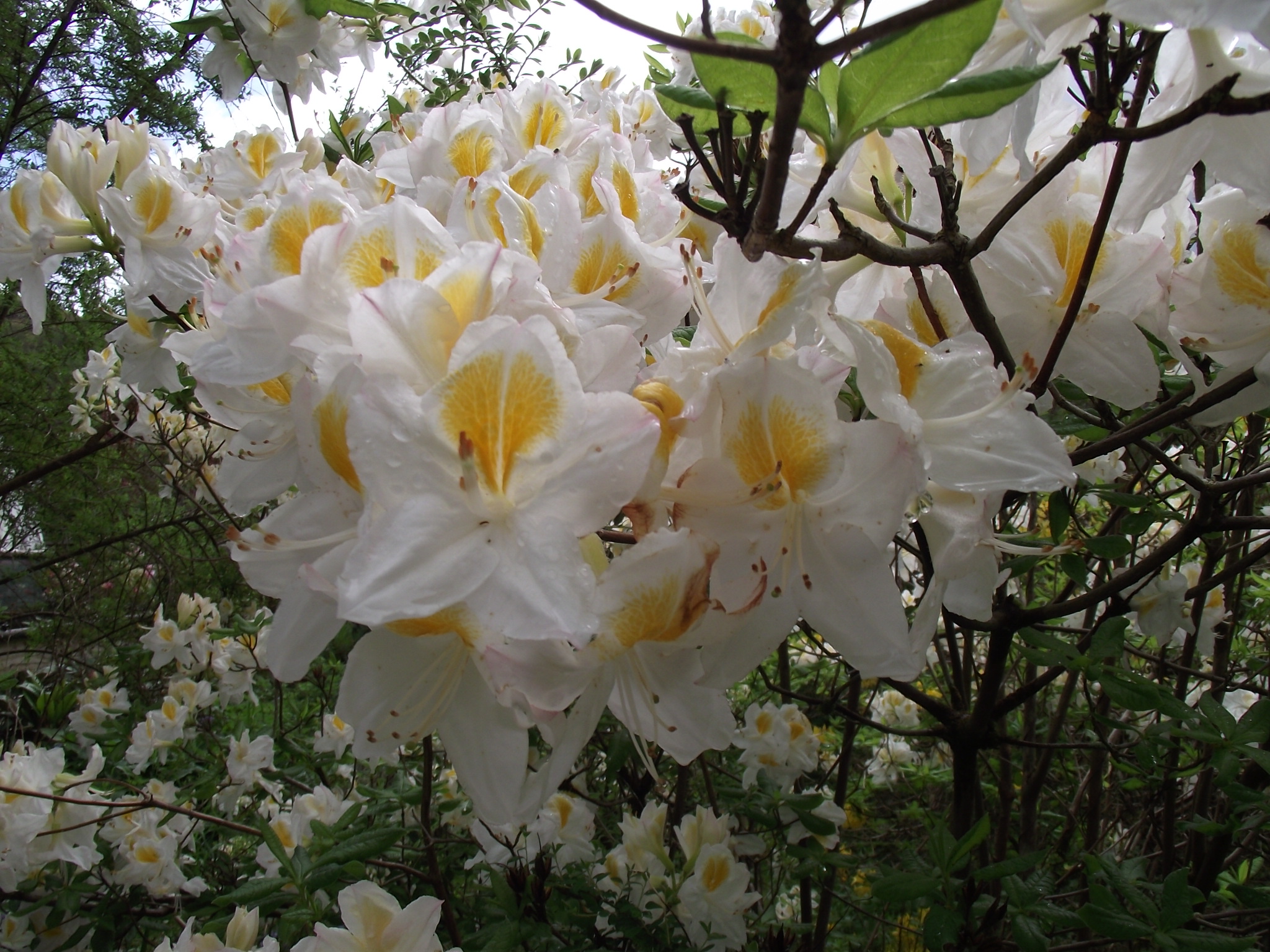
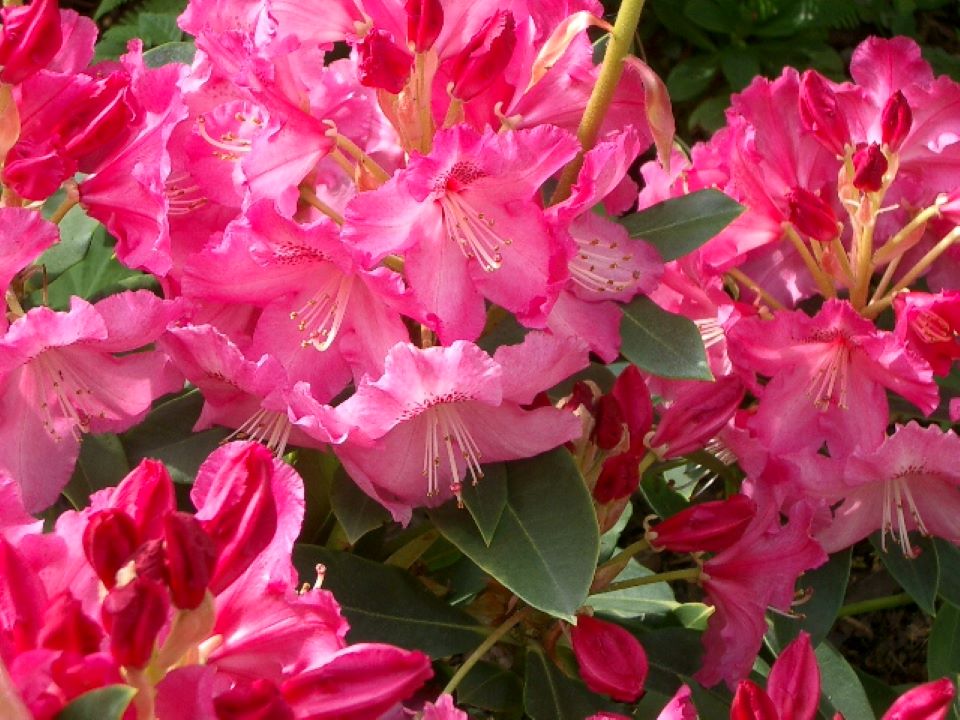
The pictures above are taken in my garden and a variety of botanical gardens that I have visited. Most rhododendron species are native to eastern Asia and the Himalayan region, but also occur in North America, Europe and Australia. Azaleas make up two sub-genera the deciduous hybrids, the best known being the Exbury Hybrids (Knaphill Hybrids) raised in the UK, and the evergreen shrubs or”Japanese Azaleas” which are often also grown as pot plants when they are sometimes known as Florist’s Azaleas. Generally speaking they are ericaceous plants and prefer an acidic, rich well drained soil to flourish, they are definitely lime intolerant and do poorly in alkaline conditions. A sight I have never seen, but I would imagine to be spectacular, are the rhododendron forests on the lower slopes of the Himalayas.

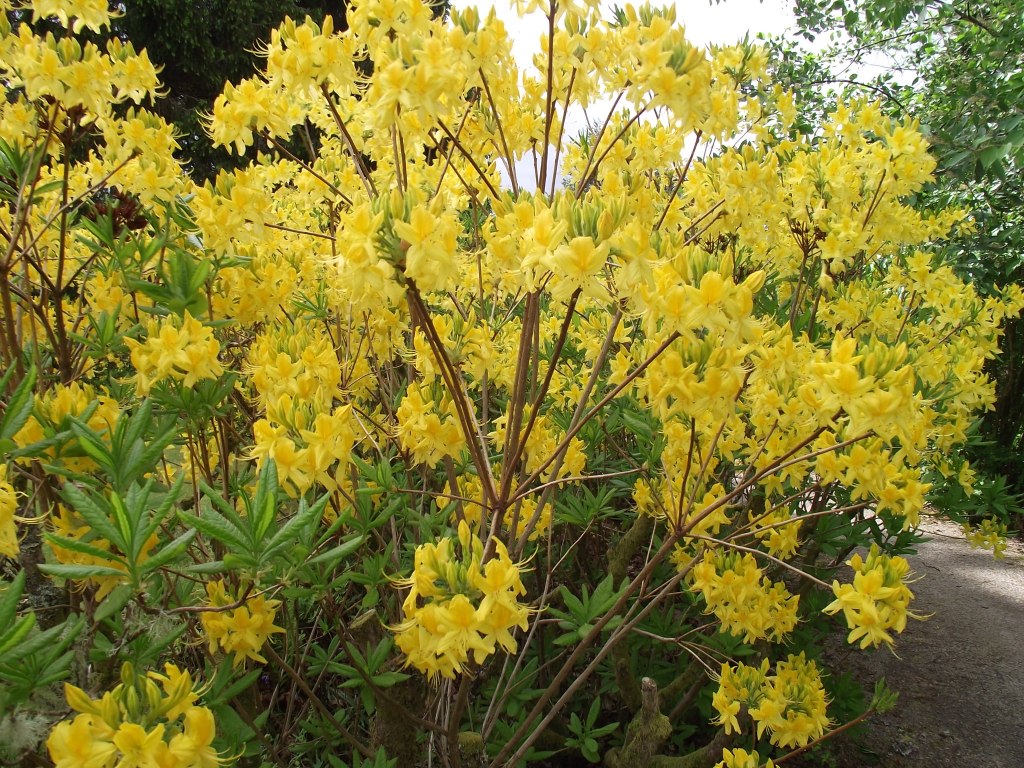
I have shown the generic name as Azalea, although strictly speaking it should be Rhododendron, to separate the thinner leaved subgenera from the plants that are usually known as rhododendrons. Azalea luteum is an outstanding plant in that it is highly scented and, although I have grown it, the picture was taken at a small gardens in Scotland, even though a bank of it was some distance from the garden entrance the scent was overwhelming as one arrived.

Indumentum is the quite attractive soft coating of brown hairs which is found on the underside of the leaf and sometimes on the young stems of some species of rhododendron, it can be far more pronounced on some rather than others and is completely natural…………

….……..however, a drastic solution:

At the side of the drive stood two large specimens of Rhododendron ponticum, probably the original specie and not the invasive hybrid that has resulted from the plant from the Iberian peninsula crossing with more cold tolerant species producing a hybrid capable of devastating a landscape and negatively altering the biodiversity.

Then along came:

Cushion scale is a sap sucking insect which unfortunately secretes honeydew, a sticky substance on which sooty mould thrives. The condition can affect not only rhododendrons but in my case camellias, skimmias and holly. Faced with the two large shrubs covered in mould, after spraying with a soap solution several times to no avail I decided to give them the chop. Drastic, maybe, but it is ponticum and has amazing powers of recovery, the following year there was plenty of new green shoots and in the second year it flowered. To remove the root mass was a job I didn’t want to contemplate so all in all a satisfactory conclusion.