Hardy Geraniums

There is always confusion when talking about geraniums, the colourful plants that we use as summer bedding are actually pelargoniums the plants that we are looking at here are from the genus Geranium and are generally hardy perennials ranging from the small “alpine” types to probably the most useful border and ground-cover plants available. There are many species, hybrids and cultivars available but the flowers generally range through shades of blue, purple, pink and red with some white forms thrown in.

The Big Blues.
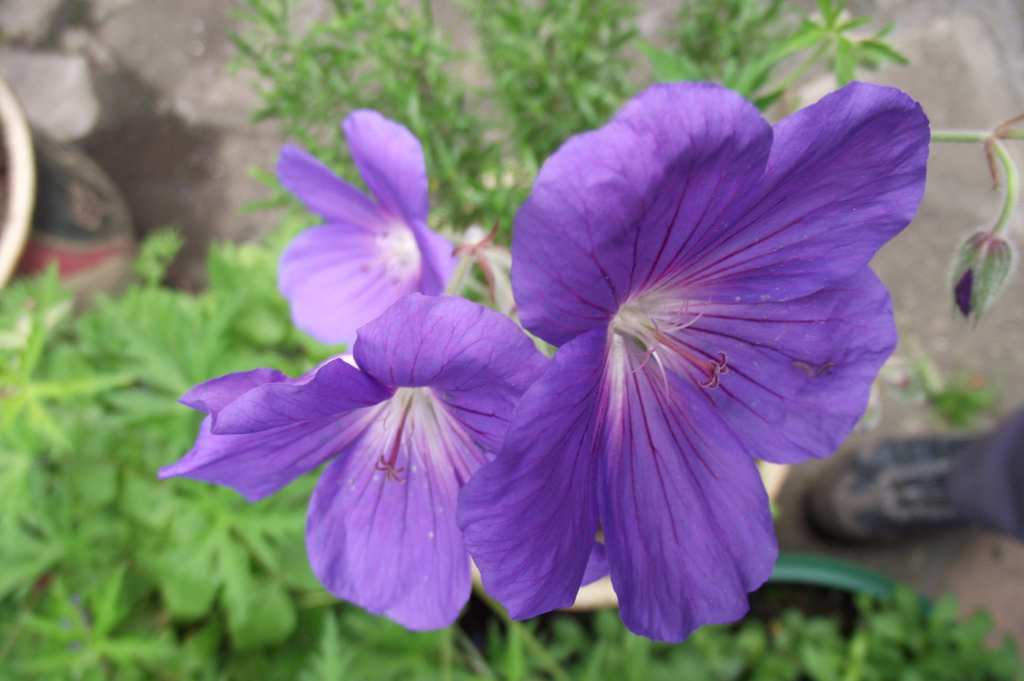
The thing to remember about geraniums is that they are a promiscuous lot enabling the plant breeders to have a field day when looking for new seedlings, many of the parent plants being British natives or those which have naturalized here. The main aim with border geraniums was to develop plants which will flower for long periods or at least have two flushes and to increase flower size.

Geranium ‘Rozanne’ illustrates just how random selection can be. Rozanne has won many prestigious awards including the public vote for Chelsea Plant of the Centenary for the decade 1993-2002. It flowers for long periods and is very attractive to bees and other insects, the almost perfect plant and a big commercial success yet it was a garden find that luckily was spotted by keen gardeners and then passed on to professional growers. It is believed that it is a naturally occurring hybrid of G. himalayense, the Himalayan geranium, and a cultivar of G. wallichianum known as ‘Buxton’s Variety.’

G.’Eureka Blue’ is a seedling of G.’Orion’ which in turn was a seedling from G.’Brookside’ which is a hybrid between G. clarkei ‘Kashmir Purple’ and G.pratense.

Johnson’s Blue or G.x johnsonii ‘Johnson’s Blue’ is thought to be a cross between G.himalayense and G.pratense our own Meadow Cranesbill, so you can see how bringing plants together from all over the world goes to produce the hybrids and cultivars that we see today.

Geranium ‘Light Dilys’
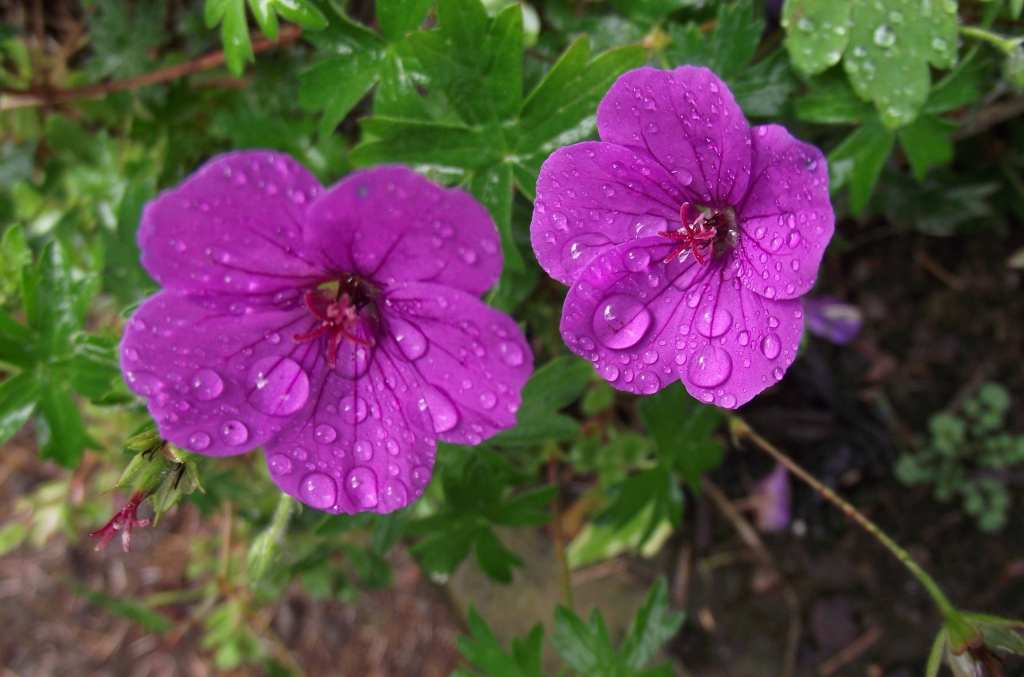
‘Light Dilys” parents appear to be lost in the mists of time, however Geranium sanguineum is probably in the mix.

Geranium macrorrhizum

Geranium macrorrhizum is a semi-evergreen perennial growing to about 2′ with attractive fragrant foliage which is useful for under-planting trees and shrubs as it is tolerant of some shade and dry soils. Both these were planted in my “woodland” garden.

Geranium nodosum
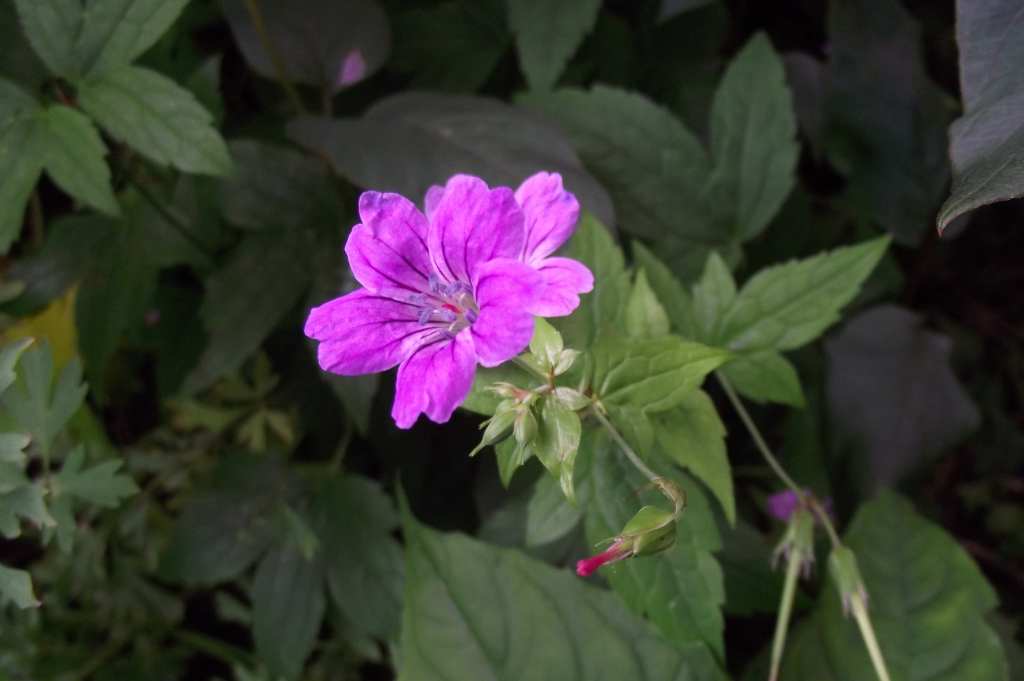
Geranium nodosum has a sprawling habit which makes it ideal for ground-cover particularly in a woodland setting where it will tolerate dry shade.

Geranium ‘Orkney Cherry’
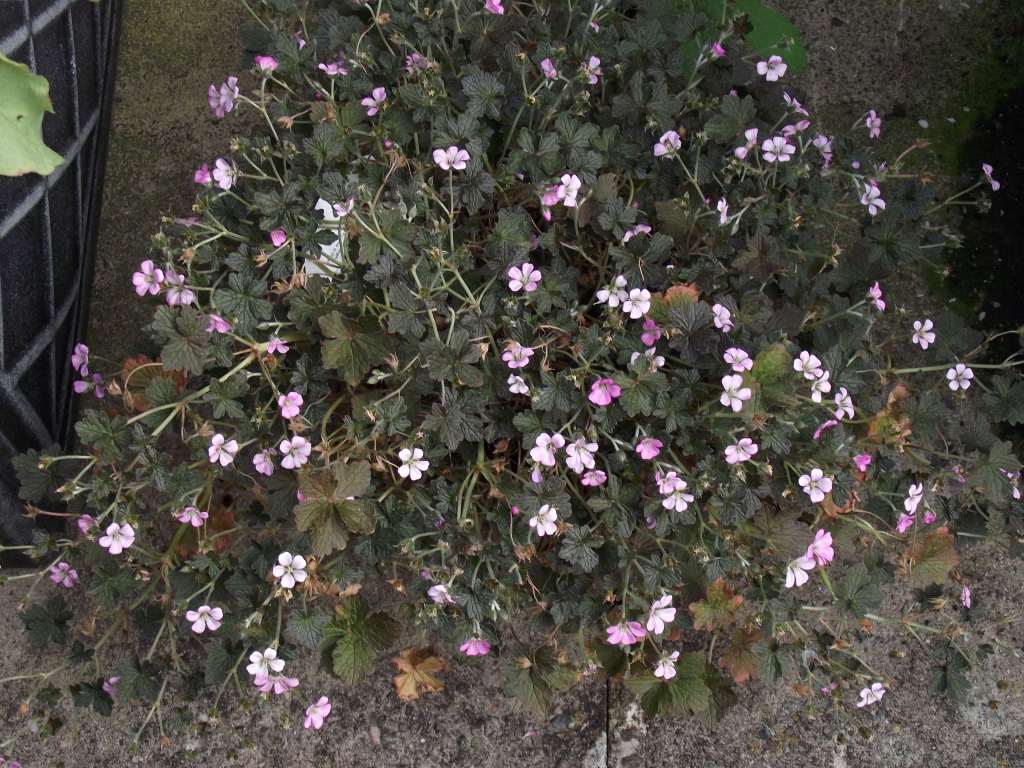
‘Orkney Cherry’ is an outstanding plant from geranium breeder Alan Bremner who has made many contributions to the geranium world. Bred in the Orkneys its deep green foliage turns to bronze as the year goes on contrasting with the delicate pink flowers which are present from early summer onward. Semi-evergreen.

Geranium oxonianum
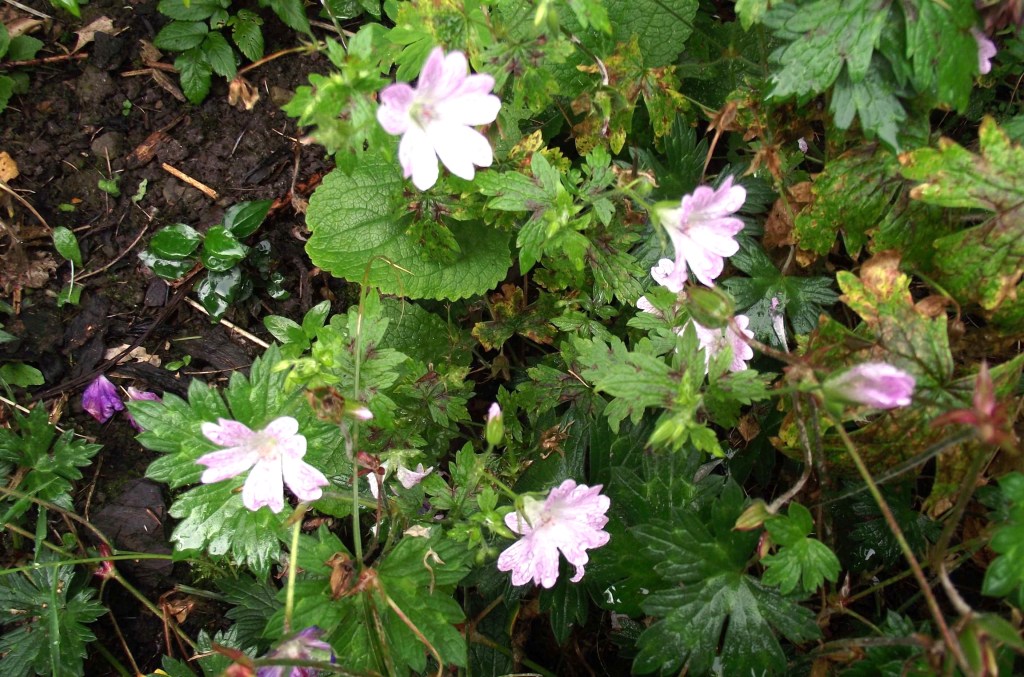
The specie name x oxonianum is given to all crosses between G.endressii and G.versicolor. The parent plants cross-fertilise readily and the resultant hybrids are fertile which allows a myriad of cultivars to be developed. ‘Wargrave Pink’ is probably my favourite geranium, it grows strongly, is tolerant of a wide range of conditions and flowers for at least six months of the year. Another reason I like it is because it is a lovely clear pink and a welcome change from all the blues and purples.

Geranium phaeum
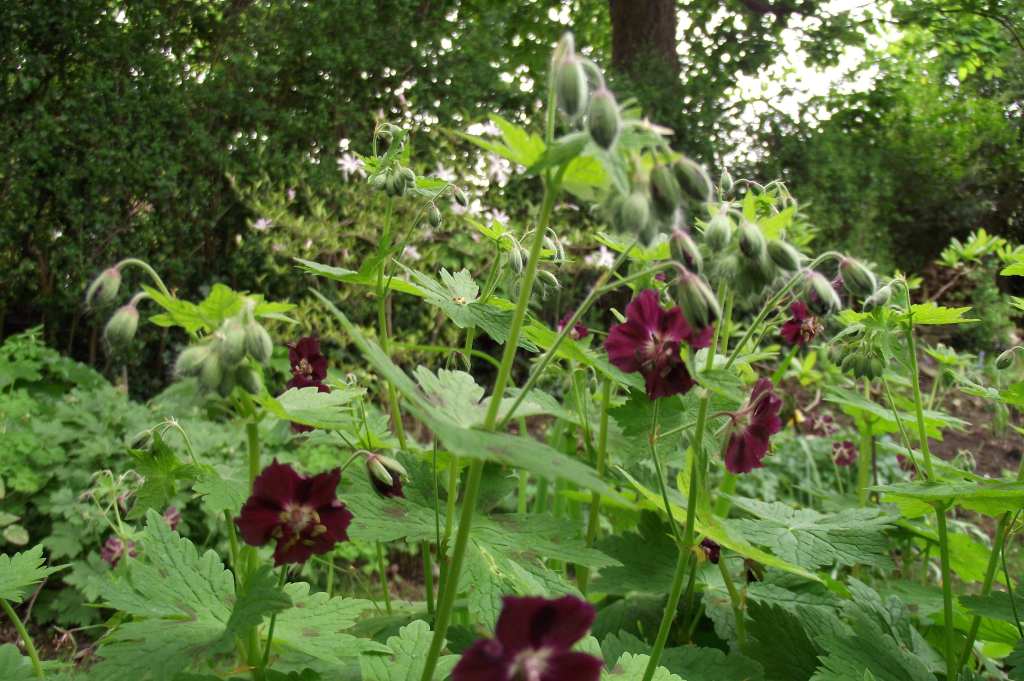
Geranium phaeum is a striking upright perennial which is useful in a woodland setting as ground-cover as it will grow in shade. The deep purple flowers of ‘Samobor’ are particularly attractive but there is a white form which shows up well in a shady spot.

Geranium pratense
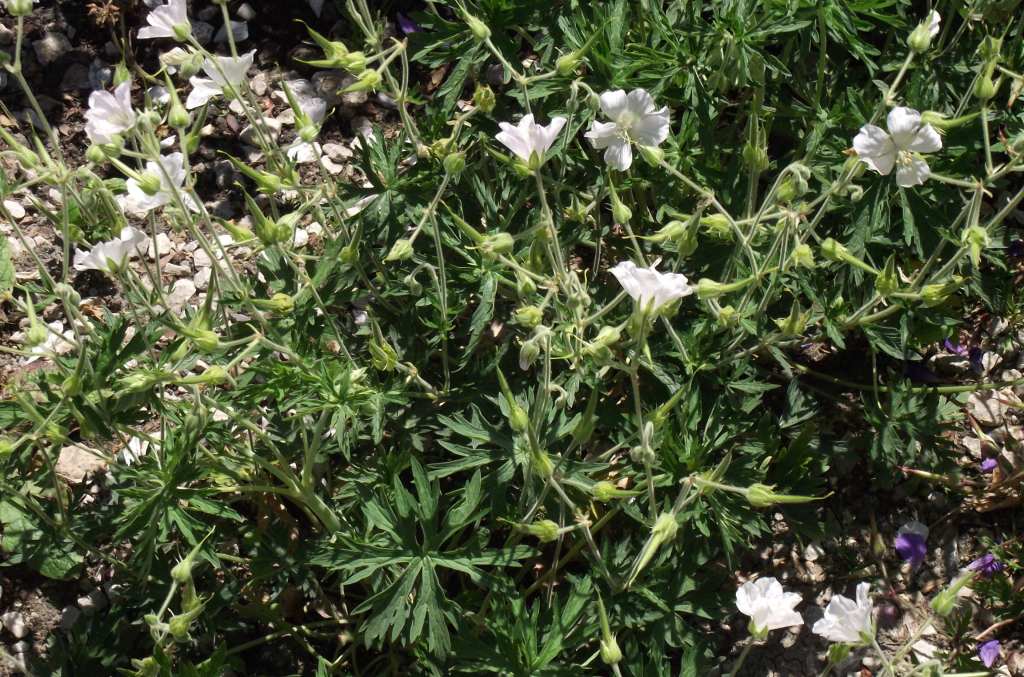
Geranium pratense the Meadow Cranesbill is an important contributor to the geranium gene pool and crops up as a parent of many modern hybrids, its upright habit and extreme hardiness are desirable attributes. Along with its roll as a specie to cross with, many cultivars have also been developed from selective breeding.

Geranium pyrenaicum

The Hedgerow or sometimes Mountain Cranesbill has flowers which are distinctly different from most geraniums with deeply indented petals giving the illusion of a higher number than normal. It has naturalised itself in the UK where it can be found growing mainly in hedgerows. I have seen it described as coarse but I feel that does this lovely little flowering plant an injustice, it is a prolific seeder and crops up everywhere which, to me, only adds to its charm, probably not so much if you like a nice orderly garden.

Geranium renardii
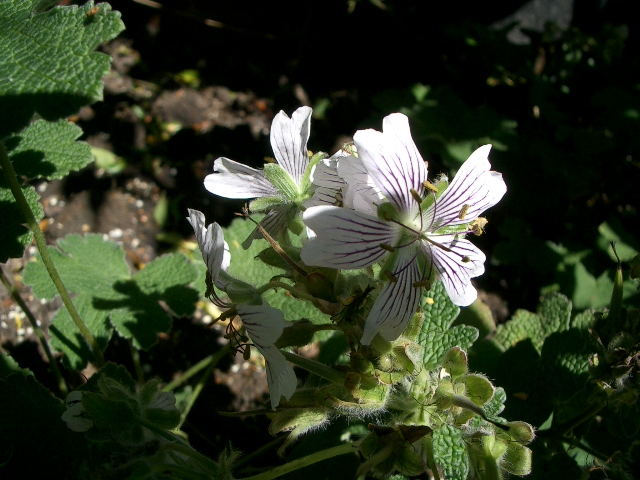
The Caucasian Cranesbill is a little unusual, it forms clumps of velvety, wrinkled, scalloped leaves which change colour as they age, topped by heavily veined flowers. Needs a bit more care than most, a sheltered well-drained sunny site is best.

Geranium sylvaticum
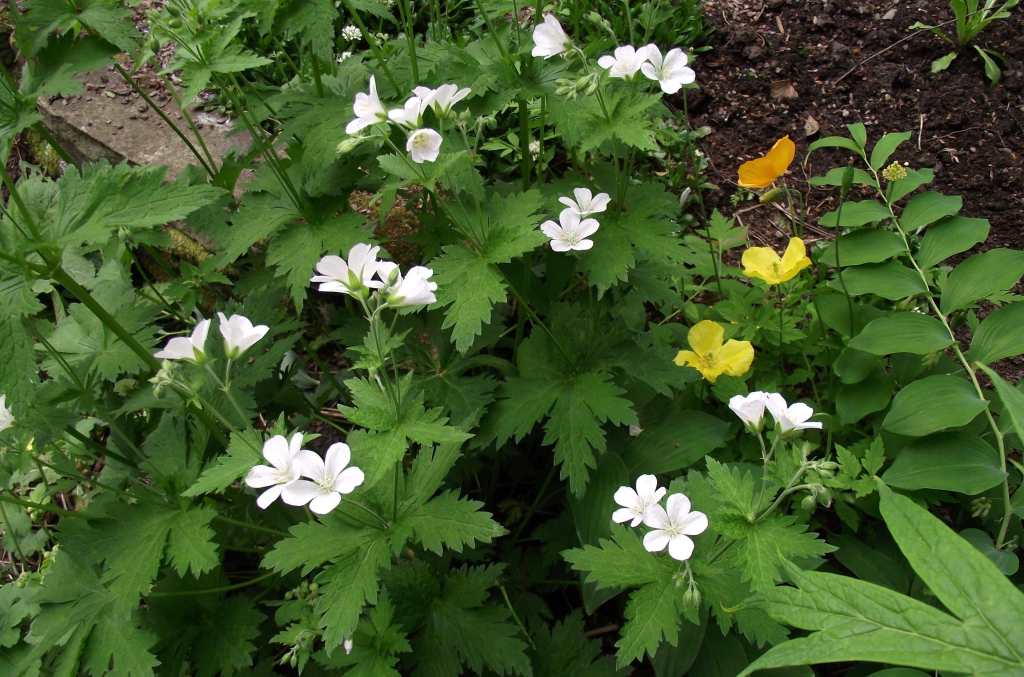
The Woodland Cranesbill is a beautiful little plant ideal for under-planting trees and shrubs, tolerates shade but prefers a moist soil. Found in damp meadows and open woodland in its native habitat, it is also found growing wild in the UK. The name really says it all when it comes to the plant’s growing requirements, the Latin sylvaticum actually means of woodland.

Geranium versicolor

The Pencilled Geranium gets its name from the veined flowers and is one of the parents of the x oxonianum hybrids. This beautiful little plant is semi-evergreen and can tolerate some dryness and shade although it thrives in good moist border soil in a sunny position. Ideal cottage garden plant.

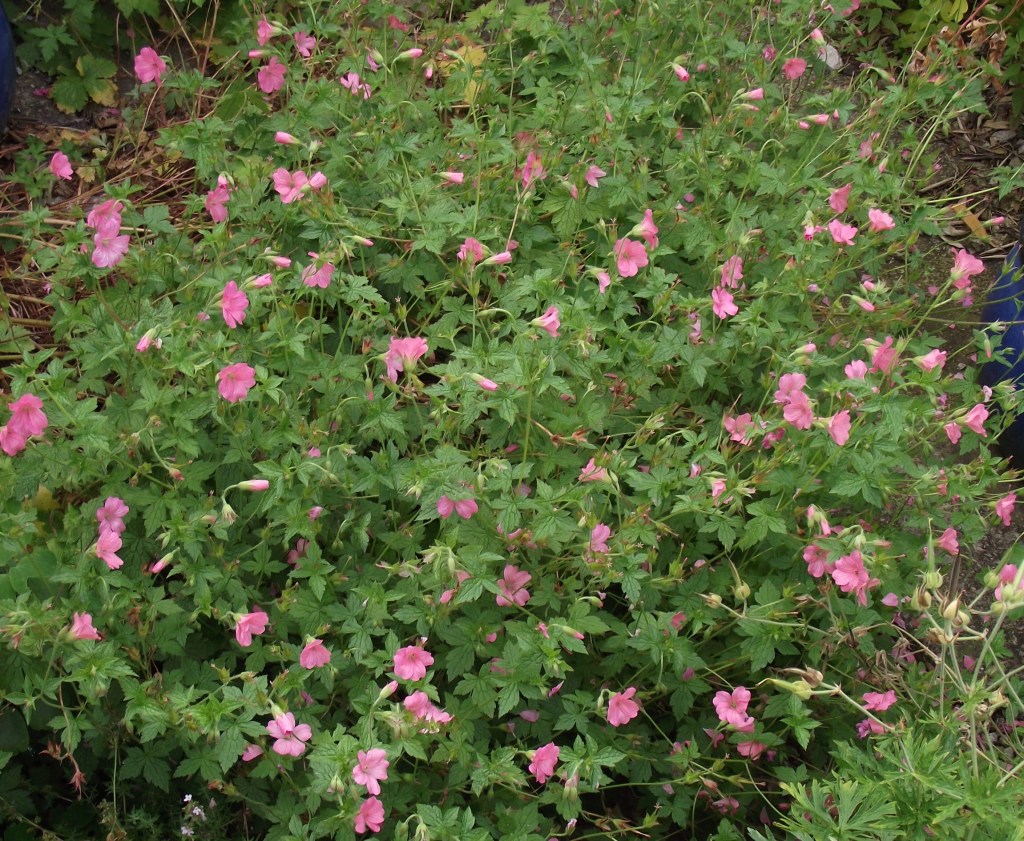
Geranium wlassovianum
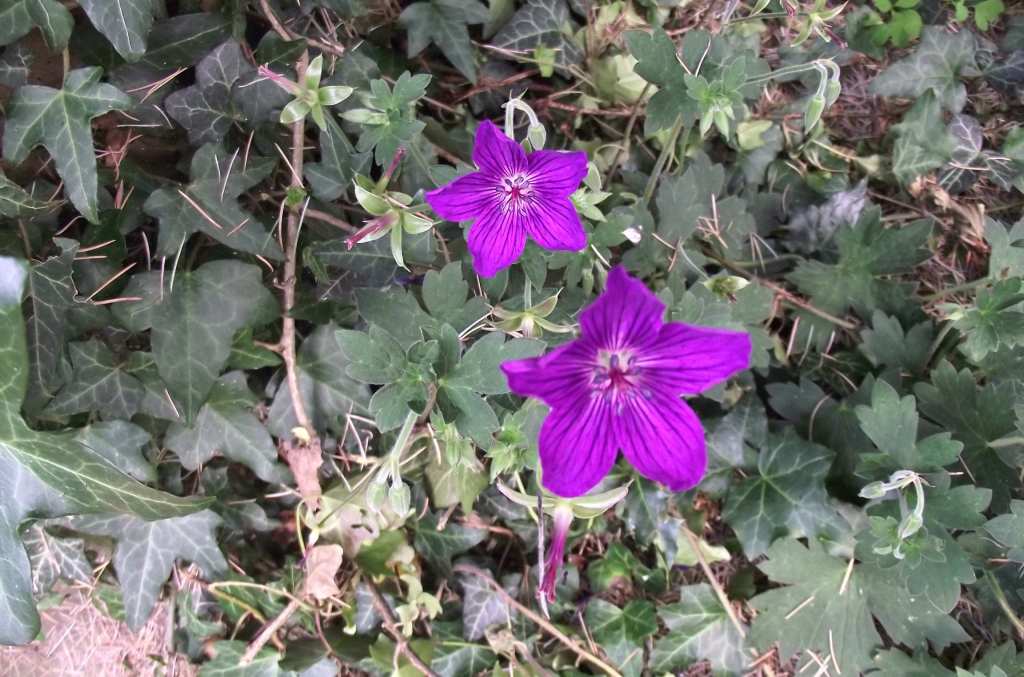
Geranium wlassovianum has a long flowering period which in addition has sprawling foliage which changes colour through the year, unfortunately this can’t be seen in the picture. Found in damp grasslands in its native habitat, it grows well in any good loam and can tolerate some shade.

Hardy Geraniums Culture

With such a large genus it is impossible to be specific, however in general terms many are semi-evergreen and have either a clump forming, trailing or creeping habit. The single flush types can be cut down after flowering which hopefully will induce a second flush. With the others I tend to leave the old foliage on over winter and cut down in the spring but this can be done after flowering, in autumn, if one prefers. Pretty much all geraniums are happy in a good moist but well drained loam in a sunny position although some are more shade and slightly arid tolerant than others. Propagation is by seed for those which come true, by cuttings, or more usually division, in the garden. For those plants which have to be vegetatively propagated to come true best to buy online from a specialist nursery unless you are lucky enough to have one near you.

Geraniums for Glass

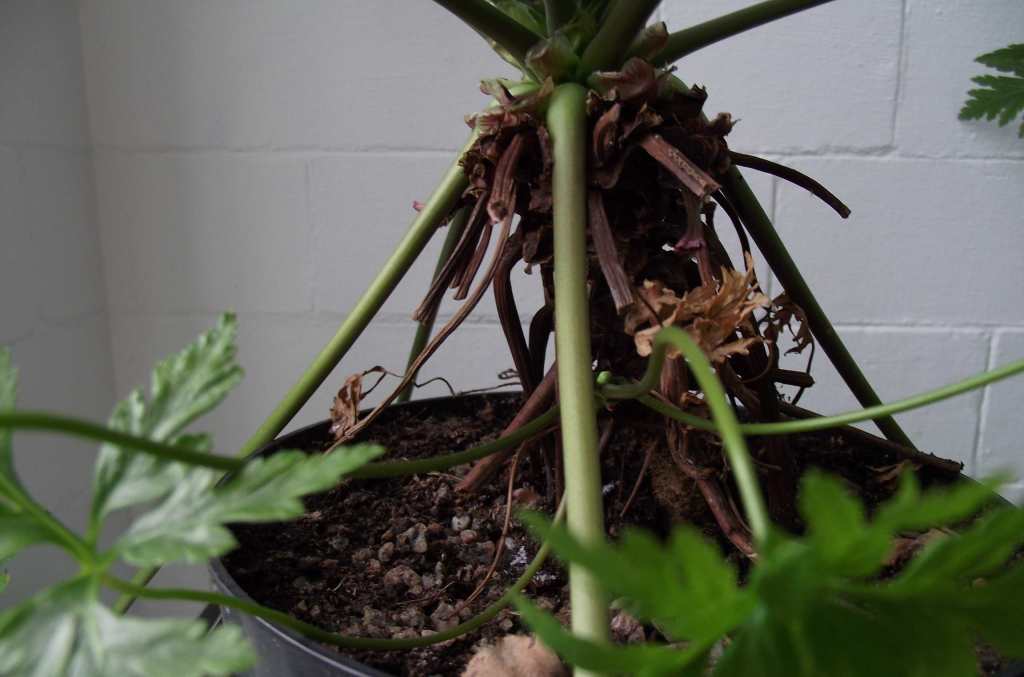
Why bother you might ask, this plant was from a packet of seed I inadvertently bought. The Maderian Cranesbill is the largest of the geraniums, it is biennial and can reach 5′ before flowering in its second year. It may survive in the warmest of gardens but there was absolutely no chance of that happening in the North of England. The plant threw out ariel roots from the crown down the outside of the pot forming a support some of which I, in my ignorance, cut off, however the plant survived and flowered.
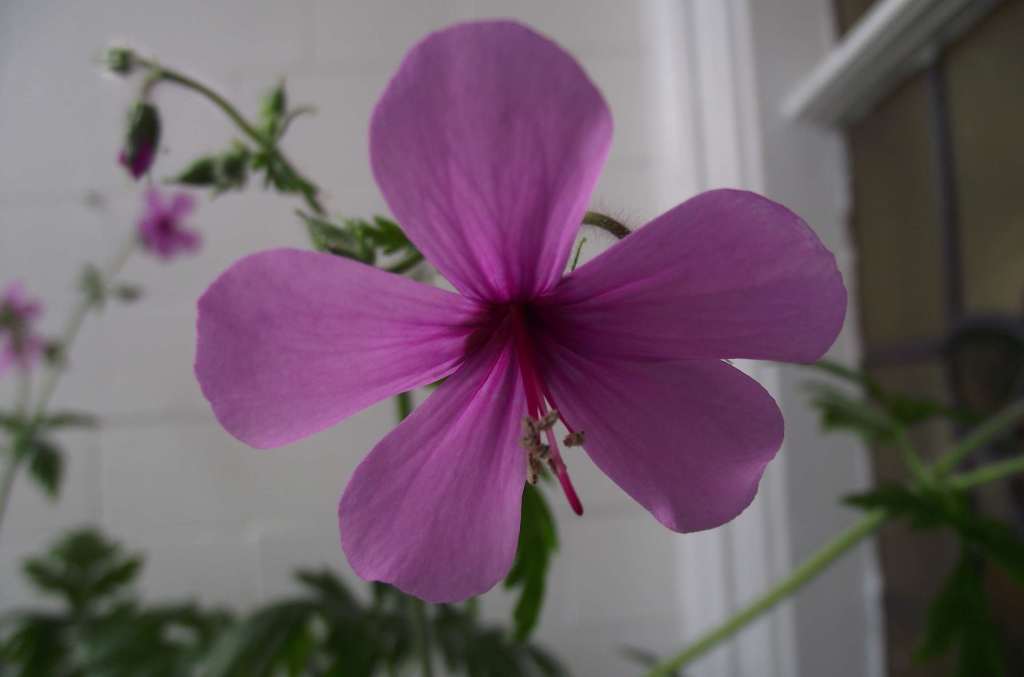
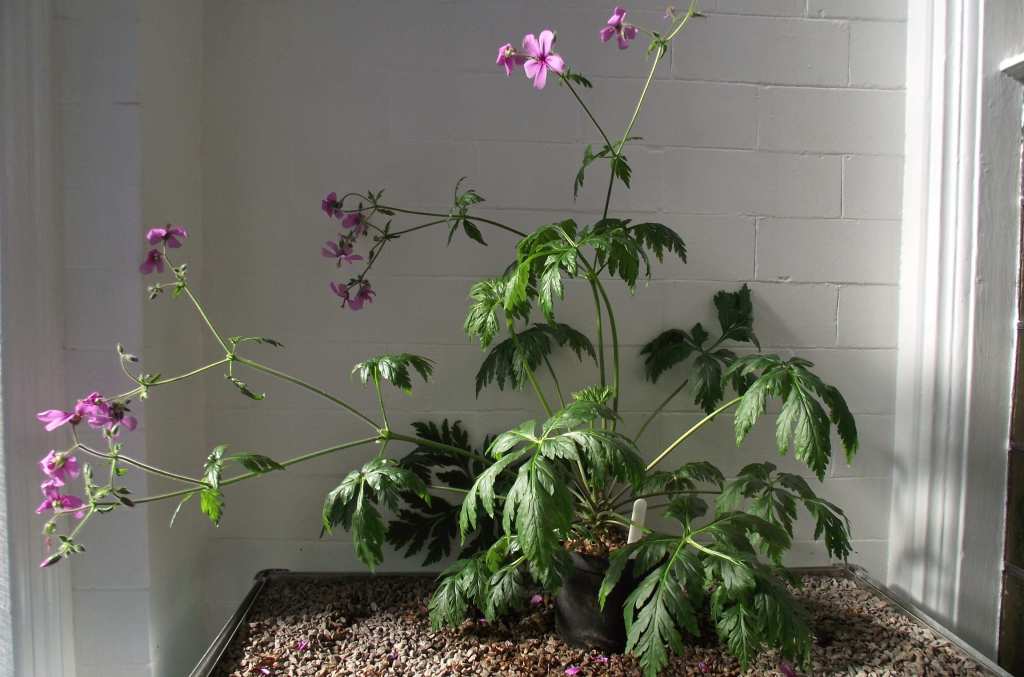
The Canary Island Cranesbill is an evergreen perennial which needs a warm garden to survive in the UK. Very similar to G.maderense which, at one time, was thought to be a form of G.palmatum until it was identified as a separate species.

Hardy Perennials (Part 3)

Dicentra

Dicentra spectabilis

Now Lamprocapnos spectabilis, Bleeding Heart has become a popular addition to the cottage garden, its unusual flowers born on arching stems over fern-like foliage make an attractive show in early spring. Although it is one of the first border perennials to show it is worth noting that it is one of the first to die back in early autumn, so tends to look better in an informal setting. Thrives in any good moist soil in sun or partial shade but it does not respond well to being moved. There is a yellow leaved form available.

Dicentra scandens

An unusual member of the Dicentra genus is the climbing D.scandens, a half-hardy climber I grew from seed. Unfortunately the botanists have really done a number on the Dicentra genus which is now split into four different genera. D.scandens is now Dactylicapnos scandens! Why are the new names nearly always more difficult to remember and pronounce than the old ones?

Dierama

Dierama pulcherrimum, Angel’s Fishing Rods are beautiful, evergreen perennials for an informal setting. They have arching flower stems covered in funnel shaped flowers in a range of shades of pink/purple and white over grass-like foliage. They prefer a sunny sheltered spot in moist soil and are another plant that does not like being moved although they actually grow from corms. Personally I have struggled to grow them and have only managed a few flowers at best, probably because my garden was too cold and damp. A member of the Iris family from South Africa there are many species and cultivars in cultivation including the well established Slieve Donard hybrids bred in N.Ireland.

Digitalis

Digitalis or Foxglove is a genus of both biennial and short lived perennial plants. The native Digitalis purpurea is common everywhere and well known, however some of the species and hybrids are less seen. Broadly speaking, being woodlanders, they all prefer a moist soil in dappled shade although D.purpurea seeds itself almost anywhere and I have had an excellent plant growing from a shady rock crevice in the past. Pam’s Choice is a naturally occurring garden hybrid found by a keen amateur gardener.

Draba

Draba cuspidata

Drabas are alpine members of the brassica family and originate from Central Europe and even the UK, they are cushion or mat forming plants, the most common garden specie being Draba aizoides. As with most alpines they like a gritty open soil in a sunny position. The plant pictured above was grown from a “lucky dip” collection of society seed out of curiosity.

Epimediums

Epimedium grandis

Find my post dedicated to Epimediums here.

Epipactis hardy orchid

Epipactis helleborine

I have included this for its novelty value, possibly Epipactis helleborine, I am no expert when it comes to orchids, just seeded itself into my ‘woodland’ garden, flowered and disappeared.

Eryngium

Eryngium giganteum ‘Miss Willmott’s Ghost’

Eryngium giganteum or the Giant Sea Holly is colloquially associated with Miss Willmott of Warley Place, who by all accounts was a formidable lady, because of a story in which she was said to scatter the seed of the eryngium in any garden that she visited that she considered to be dull. Unfortunately the story has been debunked in recent years. Eryngiums are basically thistles and require a sunny spot in well drained but moist light soil to grow well. There are several cultivars available ranging from silvery white to steely dark blue.

Eupatorium

Common name Joe Pye Weed, this is a fantastic plant for adding height and late colour to the border, growing to over 6′ its purple flower heads remain until the first frosts. This is one plant that I have introduced to my new garden, late to surface, its flowers have been covered in butterflies and other insects since the end of June and it is still going strong.

Eupatorium rugosum ‘Chocolate’ is a different plant altogether smaller in stature with dark green/red leaves and contrasting fluffy white flower heads it is rather striking. Now reclassified as Ageratina altissima which just doesn’t have the same ring to it somehow.

Euphorbia

Euphorbia or Spurges are a massive and diverse genus ranging from annual weeds to trees, with shrubs and even succulents in between. The plant above is a typical garden cultivar the many species and cultivars have a range of colours including acid green and even orange. A well known member of the genus is the popular Christmas plant the Poinsettia (Euphorbia pulcherrima). The plant that is getting all my attention at the moment is the annual garden weed Euphorbia peplus, it only appeared a couple of years ago and is proving to be a nightmare! All of them, that we are likely to come in contact with, have a toxic sap which can cause painful blisters on someone who is sensitive.

Hardy Perennials (Part 2)

Bergenia

Common name Elephant’s Ears, bergenias are easy to grow and will thrive in good deep, well drained loam in sun or shade but will also tolerate dry soils, excessive damp can cause them to rot. Basically an evergreen, bergenias are early flowering and can sometimes be damaged by frosts, keep the plant looking its best by removing dead or damaged leaves.

Borage

I love this herb, Borago officianalis is really an annual but I have included it here because it self seeds and generally reappears in the same spot every year. Definitely a plant for a sunny spot, will not perform in shade or on wet soils. Not only are the flowers a striking shade of blue but they are set off by the fine hairs that cover the stems and sepals. The foliage has a cucumber scent and both flowers and leaves are edible and have medicinal and culinary uses. A white form is also available and sometimes crops up among the seedlings.

Brunnera

Brunnera

A plant for cool shady conditions which will grow in moist soils brunneras have very attractive leaves and blue myosotis-like flowers and look well at the front of a shady border.

Bupleurum

A bit of an oddity Bupleurum is an unusual plant for the herbaceous border. Found in Central Europe and even the UK it will grow in virtually any well drained soil in full sun or partial shade. The plant shown was grown from seed, the cultivar normally offered for sale is Bupleurum longifolium ‘Bronze Beauty’.

Caltha

The Marsh Marigold or King Cup is a plant for a boggy place and can be grown as a marginal where it will thrive. It overwinters with its buds just below the soil surface from where both flowers and leaves erupt together early in the spring. A member of the Buttercup family, it is an invaluable plant for early colour.

Campanula

Bellflowers are a popular, generally easy to grow, genus ranging from arctic alpine plants as cushions or scrambling over the ground to tall border perennials. Although relatively easy campanulas are not good with winter wet and some species can be quite invasive such as Campanula poscharskyana from Siberia. Some of the showy border hybrids such as Campanula ‘Sarastro’ can have disproportionately large flowers and will need support. Propagation is from seed for species plants, buying in most cultivars or division in the garden.

Celandine

Celandine

Ficaria verna subsp. verna or Lesser Celandine is my favourite ‘weed’. Growing from persistent bulbils, this native member of the buttercup family is definitely not everyone’s cup of tea. In a damp woodland setting, such as I had, it makes a wonderful very early spring flowering plant, providing an early source of nectar for the bees, however, in a more formal setting, it is definitely to be discouraged.

Chaerophyllum

Chaerophyllum hirsutum roseum

This Central European plant is similar to Cow Parsley but much more delicate in appearance, easy in a moist but not waterlogged soil. Personally I think this is a really useful border plant, the fernlike foliage is apple scented and the umbels of small flowers are a great attraction for pollinators even in late summer.

Chelone

Chelone obliqua or Turtlehead is a cottage garden plant which thrives in any good well drained garden soil. It has dark green leaves which unfortunately do not contrast too well with the purple flowers, however there is a white form available. It is a late flowerer so provides some colour into the autumn. This plant was grown from seed, the white form is probably best obtained from a good nursery.

Convallaria

Convallaria majalis

Lily of the Valley used to be seen in most gardens but has gone out of fashion over time. A plant for shady woodland or spreading under shrubs its distinctive flowers give off a very strong scent which can then be followed by berries. There is a pinkish form available. Although popular for its ease of cultivation and scent I think it is possibly too invasive for today’s way of gardening.

Corydalis

Corydalis or Fumitory are generally shade lovers, ideal for a woodland setting, which flower in varying shades of blue to blue/white with the Yellow Fumitory being a welcome exception. They originate in the Northern Hemisphere primarily from China but are also found in America and the mountains of N.Africa. The nondescript Corydalis ophiocarpa is a good example of growing from seed not being quite what you hoped for! A point of interest Pere David who was a catholic missionary to China was a keen botanist and zoologist, although he collected the corydalis pictured above he also discovered Pere David’s deer. The deer became extinct in China where it had once been plentiful but is now being restored in significant numbers from the herd at Woburn.

Crocosmia

Crocosmia ‘Lucifer’

Formerly known as montbretia Crocosmia should have been included in an earlier post as they are grown from bulb-like corms. Native to South Africa, so best grown in a sheltered spot in a severe climate, the original orange garden plant (Montbretia) was a hybrid Crocosmia x crocosmiiflora but there is now a huge range of vibrant colours available through intensive plant breeding. Easy to grow they will thrive in most situations and soil types other than anything too wet, a little shade may help the flowers to last longer.

Hardy Perennials (Part 1) – Updated

Whether it be in the herbaceous border or more natural settings such as the woodland garden or informal rockery, hardy perennials are the backbone of the majority of gardens. They provide colour from early spring through to late autumn, and even into winter when the dead stems can add form and colour. Unless you intend to grow from seed find a good independent nurserymen, although a dying breed, they are the people who have a passion for plants and are usually all too willing to give advice gained from their experience. Garden centres are another option but they tend to be impersonal and usually quite a bit more expensive. Online buying can be a bit of a lottery, pay attention to the pot size so you know what to expect. I actually planted out my new front garden with plugs bought online and had a good display the following year. It is important to remember that the above applies to the “standard” range of hardy perennials, when it comes to something more out of the ordinary specialist nurseries are the best option.

My preferred method is growing from seed, although I normally use society seed because I know it’s fresh, for the less invested gardener it is better to use one of the smaller seedsmen such as Plant World Seeds. The method I have always followed with hardy plants is to sow under cold glass, or in my case a poly-tunnel, usually in February to allow the seeds to germinate as they would do naturally. It would be just as good to sow outside except you haven’t the same control. Sowing from seed works well with anything which comes true from seed but in the case of most cultivars (hybrids) you need to buy in plugs or plants, many of which have been raised by micropropagation.

Achillea

From a traditional border plant achilleas (Yarrows) have been developed into a must have plant for the gardener, As with several genera it has been recognised by the industry as a very desirable plant, and many cultivars, in a wide range of colours, have been produced. It will grow in most soils, is hardy and attracts insects to its flat flower heads. I can say from experience it is not fond of damp and shade preferring an open sunny aspect and is even used in prairie planting. Fashionable.

Aconitum

Aconitum napellus

Monkshood or wolfsbane is an easy hardy herbaceous perennial of medium height with delphinium-like flowers that prefers a rich moist soil to do well. Personally I think it does best in dappled shade rather than full sun. Easily propagated from seed. It is highly toxic to everything other than birds.

Actaea

Two totally different plants, Actaea rubra the red baneberry is an American native found in open woodland and therefore thrives in damp shady conditions. It actually forms rhizomes so should really have been included in an earlier post. The berries are toxic.

Actaea simplex (Atropurpurea Group) is an Asiatic baneberry which prefers moist soil and shade, although I have found it to be quite adaptable, thriving for me in an herbaceous border. The dark feathery leaves make a perfect foil for the delicate white scented flower spikes which insects find attractive. Also known as Cimicifuga simplex.

Agastache

Known as the anise hyssop or giant hyssop agastaches make a nice plant for a sunny spot. Aniseed scented leaves and with flowers that attract insects it is a useful addition to any garden. Generally grown from seed, sometimes as a annual as it will flower in its first year, it will not thrive in a wet soil. Some of the woodier species are not entirely frost hardy.

Althaea

Althaea officinalis

Althea officinalis or the Marsh Mallow Herb is a vigorous herbaceous perennial, which, to be honest, I tend to think of as more of a shrub. Definitely one for a sunny spot it does well in almost any soil and at one time was very popular but doesn’t seem to be so much now. The plant has been used in herbal medicine for years and has several remedial properties attributed to it.

Androsace

Androsace carnea x pyrenaica

Alpines were really my first love, and I built a rock garden and peat bed in the garden of my first house. I was lucky enough to have a small specialist nursery nearby, who bought in from another specialist on a regular basis. This gave me an ever-changing supply of plants on my doorstep. The androsace genus is a member of the primula family and contains almost as many species. They are mainly high alpines originating in the Himalayas. The majority form small cushions studded with disproportionately large flowers, which make stunning specimens for the alpine house and tufa wall. They are not easy to grow but the end result is a reward in itself. I grew a couple of the ‘easy’ species but unfortunately when I was growing alpines it never crossed my mind to take pictures, I really wish I had now. The plant pictured above, who’s name is bigger than it is, was grown from seed and managed a solitary flower in its second year.

Anemone

Anemones, commonly known as wind flowers, are related to the buttercup. The genus contains something like 120 species some of which are fibrous rooted others grow from rhizomes or tubers. They are found almost worldwide and range in habitat from mountain scree to woodland. Because of their diverse habitats their cultivation varies equally. It ranges from the alpine house bench to the positively invasive such as Anemone tomentosa. For further information go to my earlier post.

Anemonella

This beautiful plant is a cultivar of the single species in the genus Anemonella. A native of North America, where it found in woodland, and is known as the rue-anemone. This tuberous-rooted beauty would usually obtained from a specialist nursery but the specie plant can be grown from seed. Best grown in moist soil in dappled shade as you would expect from a plant found in woodland.

Anemonopsis

This beautiful Japanese plant requires a moist lime-free soil in light shade to thrive. Best propagated from fresh seed. Obtainable from specialist nurseries and society seed lists.

Angelica

Wide spread in Northern Europe, particularly Scandinavia, angelica has tall hollow fluted stems and large flat flower-heads reminiscent of cow parsley. Its edible stems and roots have many culinary uses (candied angelica), flavouring spirits and more. Easy to grow, it is a biennial and sets copious amounts of seed, in fact it self seeds everywhere which can produce some interesting results. The self-seeded plant above has the dark foliage and the lesser stature of Angelic ‘Ebony’ but has crossed with the specie plant and has contrasting white flowers rather than the dusky pink of ‘Ebony’. It makes a good ‘spot plant’ in the border because of its height.

Aquilegia

A traditional cottage garden plant having some 60-70 species occurring in diverse habitats in the Northern Hemisphere. The traditional easy to grow garden varieties known as Columbine or Granny’s Bonnets maintain the spurred flower shape but vary greatly in colour and height. Most aquilegias seen in gardens today are the result of much interbreeding and self-seeding through generations. The earliest introduction of a strain that I remember were the McKana Hybrids which are still available today. I later saw the introduction of such as the Songbird Series of F1 Hybrids which although smaller in stature carry large flowers. They grow best in a damp gritty loam although it isn’t uncommon for them to seed into seemingly inhospitable spots but still live happily. There are a number of species from the mountains which need to be grown in the rockery or alpine house. One species illustrated above worthy of special mention is Aquilegia fragrans, not only does it make a superb specimen but, as its name suggests, is scented.

Astilbe (Spirea)

Ideal plants for a damp spot, astilbes or as they are sometimes known spireas are another plant that seems to have been around in gardens forever. Once established they are easy to divide and share. The common name spirea is confusing because Spiraea is a genus of small shrubs. Astilbes come in all sorts of colours and heights and there are many named varieties. Basically they are a good solid garden plant.

Astrantia

Astrantias are another border stalwart, many varieties have been introduced in a variety of purple and pink shades developed from the specie plant. Astrantia major ‘Claret’ is the deepest red I know. They prefer a medium loam and do not tolerate wet soils readily

Primulas (Updated)

Primula, along with meconopsis, is my favourite genus, the slightly acidic damp soil and the areas of dappled shade present in my previous garden provided an ideal micro-climate for both. These conditions made it possible to grow the mainly Asiatic types along with some European and American species, it did mean however, that the lime loving, mainly European species, were excluded.

The family Primulacae includes cyclamen, androsace and soldanella to name a few. The genus Primula is very large and diverse and because of this was split into 20 sections at the beginning of the twentieth century since when it has been updated into seven sections which are probably more botanically correct, however I will stick to the old classifications as I find them easier to comprehend. I have only included sections where I have grown plants and can provide pictures unless stated.

Section 1 Cortusoides

These attractive plants have soft velvety leaves which die back to rhizomes in winter, in drier conditions they will tend to go dormant very quickly after flowering which impedes growth. To ensure strong healthy plants a damp spot preferably in light shade is much preferred.

Section 5 Obconica

Once a very popular house plant found everywhere, Primula obconica has now waned in popularity and is rarely seen. Some people had a skin reaction when the plant was handled but I very much doubt this was the only reason for its demise, more probably the advent of orchids being everyone’s favourite was to blame. The picture is not mine and is of a T&M selection.

Section 9 Vernales

The Vernales Section is a large European group containing primroses and polyanthus both of which are very familiar as bedding, in containers and even as house plants. I could only find a couple of pictures of primroses as, to be honest, I have never been a great fan as I have always felt that many primulas, particularly polyanthus, tend to be artificial looking and have consequently been neglected when taking ‘photos. They tend to prefer slightly acid moist soils and can generally be propagated by division or from seed. It is worth noting that most of the primulas that are pictured on this site have been raised from seed.

Section 12 Petiolares

The Petiolaris Section contains around sixty species which are themselves split into several subspecies, however for the sake of sanity, I will not go down this avenue. The whole section is notoriously difficult to grow although there are quite a few species in cultivation. Primula gracilipes minor now named P.’Linnet’ is one of the easiest. Primula tanneri is another that I have grown in a poly tunnel and in the garden. They all like cool conditions in a moist gritty soil. Primula ‘Linnet’ is very close in appearance to P. petiolaris itself which is rarely seen. The plants shown were grown from seed which is the best way, although very careful division is an alternative.

Section 19 Farinosae

The largest section of the genus, also the most diverse, ranging through Asia, Europe and the Americas including our very own Primula scotica. As the name suggests the prominent characteristic is that they all are covered in farina to varying degrees. Although requiring much the same conditions as all the other primulas that I have grown, I raise many of them under cover as they tend to be small in stature and are best established before planting out. All the primulas shown above are easily raised from seed.

Section 20 Denticulata

Primula denticulata is a plant with which nearly every gardener is familiar, commonly known as the ‘drumstick primula’ it has been an early spring flowering feature in many gardens for years. Easy to grow, you can even propagate it from its fleshy roots. The pictured specimen is not very strong having self-seeded itself into a gap with stone either side but it is the only picture I have unfortunately. There is also a rather nice white form, which I now have, with red and purple pink also being available.

Section 21 Capitatae

Primula capitata is a neat little plant from the Himalayas, very definitely a peat lover it tends not to be long-lived.

Section 22 Muscarioides

The best known plant in this section is Primula vialii which is even available as seed and plugs from some of the main online garden companies. The name of the section relates to the flower shape being that of muscari or grape hyacinth. For some reason I have never grown P.vialii, perhaps because it just doesn’t appeal to me. Basically, members of the section need the same treatment as most of the primulas I have described, its smaller relatives are probably safer in a peat bed or alpine house. The primulas in this group that I have grown were all raised and grown in a poly-tunnel as they were a bit too delicate for the main garden. Truth be told the only plant I managed to raise from seed of P. cernua perished before it flowered.

Section 23 Soldanelloides

Primula flaccida (Primula nutans)

Primula flaccida, formerly P.nutans, from Yunnan is the only success I have had with members of this section, three plants came from seed but only one survived to flowering and then died. Very difficult group to grow but contains some of the most beautiful plants which are often scented. The star turn is Primula reidii which is not only probably the most beautiful, but has a particularly strong scent as a bonus. Definitely subjects for careful cultivation in the alpine house.

Section 25 Nivales

Primula chionantha, is the best known of the Nivalids. They are Asiatics which generally are to be found growing on damp meadows and prefer the damper peaty conditions to be found in the north of England and Scotland. The two pictured above, which are both robust species with large strap-shaped leaves, were raised in the poly-tunnel and then planted outside where they were perfectly happy. I have grown P. chionantha but unfortunately I can’t find a picture.

Section 27 Sikkimensis

Easy to grow section but needs peaty conditions and plenty of water to thrive. Many people will be more familiar with P.florindae, known as the Giant Cowslip, rather than the eponymous Primula sikkimensis, it comes in other colours ranging from red through orange. Generally easy from seed and division of vigorous clumps.

Section 28 Candelabra

Hailing from the Himalayas these easy to grow plants with their tiered flowers are what started my interest in all plants from the alpine regions particularly the Asiatics, I was also lucky in that living in North West provided almost ideal conditions for my favourites. I first saw these in any quantity at Fletcher Moss Gardens, Didsbury but large plantings can be seen at Ness Gardens and Harlow Car Gardens. Although they will grow in any good peaty soil they need water to really thrive and make an excellent pond-side planting especially in numbers.

Section 30 Floribunda

Primula x Kewensis

Primula x Kewensis is a remarkable hybrid bred at Kew, as its name suggests, which comes true from seed. It was bred from P verticillata and P floribunda and is not fully hardy as I found out to my cost when I first raised it. If kept under glass it will flower in very early spring.

That completes my review of the genus Primula where I have included all the sections that I have successfully grown. When it comes to my failures with some of the more challenging plants, I can only say a poly-tunnel is really not adequate when compared with a dedicated alpine house however the pleasure and satisfaction I gained from actually raising some of these subjects from seed was very much worth the effort.

In many descriptions I have mentioned peat as being an essential component to the growth of these plants, many of which grow best in a peat bed. In a future post I hope to show the totally illogical approach the government is taking by banning the sale of peat for horticultural use.

Meconopsis

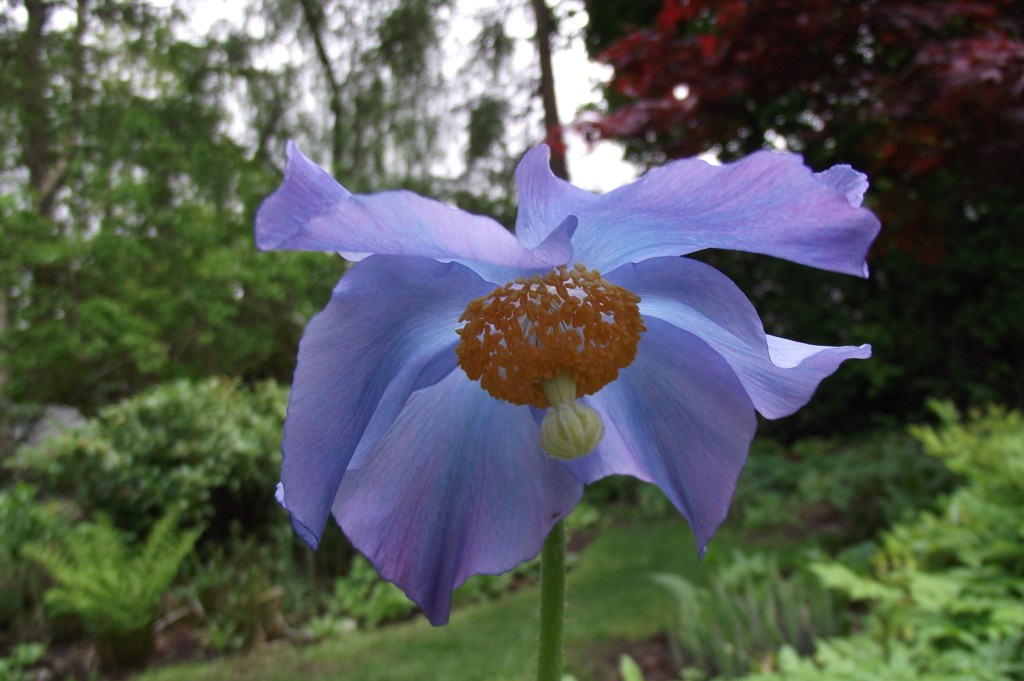
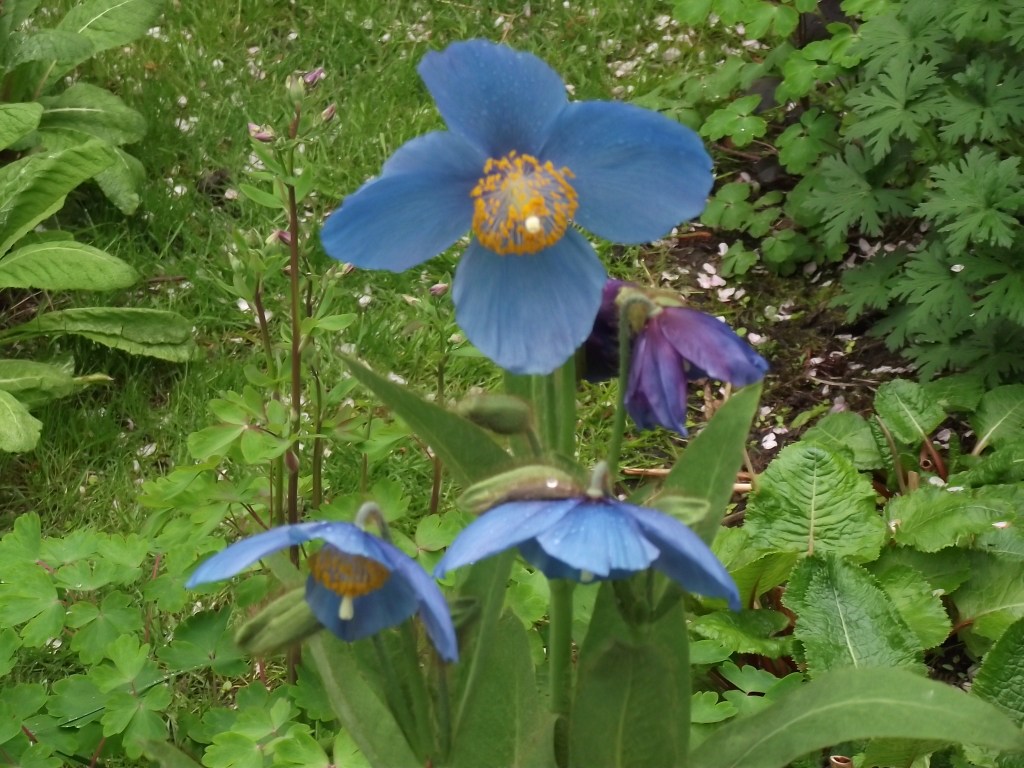
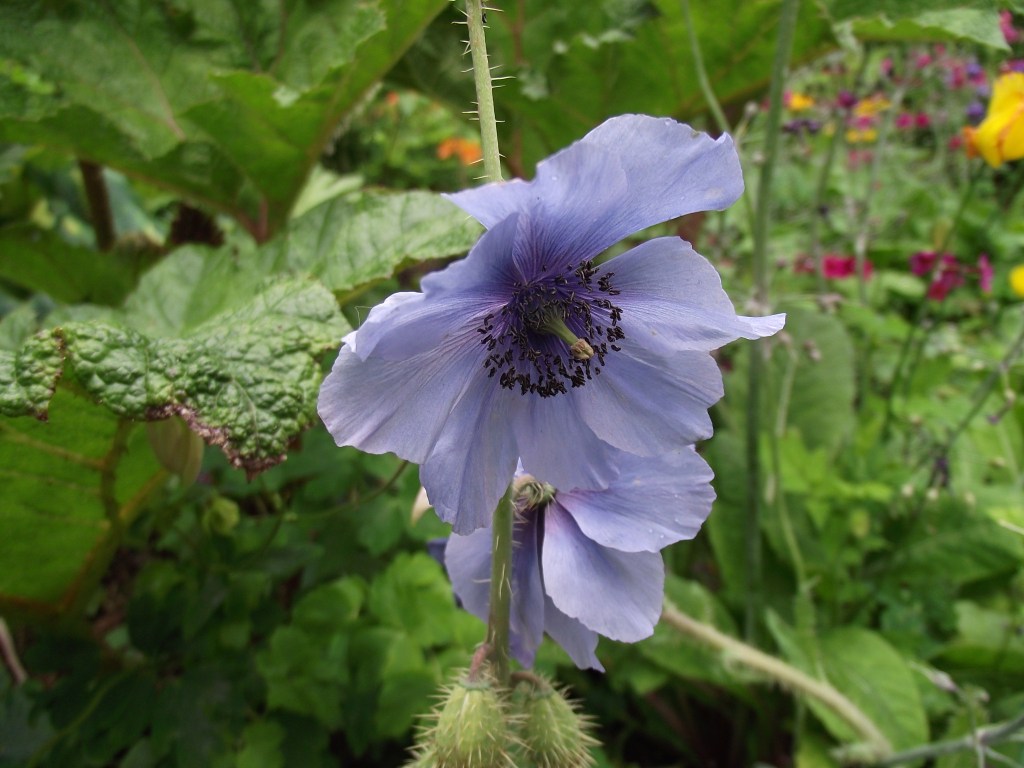
Best known as the Blue Poppy or Tibetan Blue Poppy, Meconopsis baileyi (syn. Meconopsis betonicifolia) has probably the clearest blue of any flower and is one of my absolute favourites. Living on acid soil in the damp north west of the country is a great advantage to growing these gems as they undoubtedly do better in Scotland and are very tricky to grow in the lighter soils of the south and on limestone. The biggest aid to understanding the growing conditions for any plant is to find out from where it originates, in the case of meconopsis the fact they are from the Himalayas is a good guide.

The Blue Poppies.

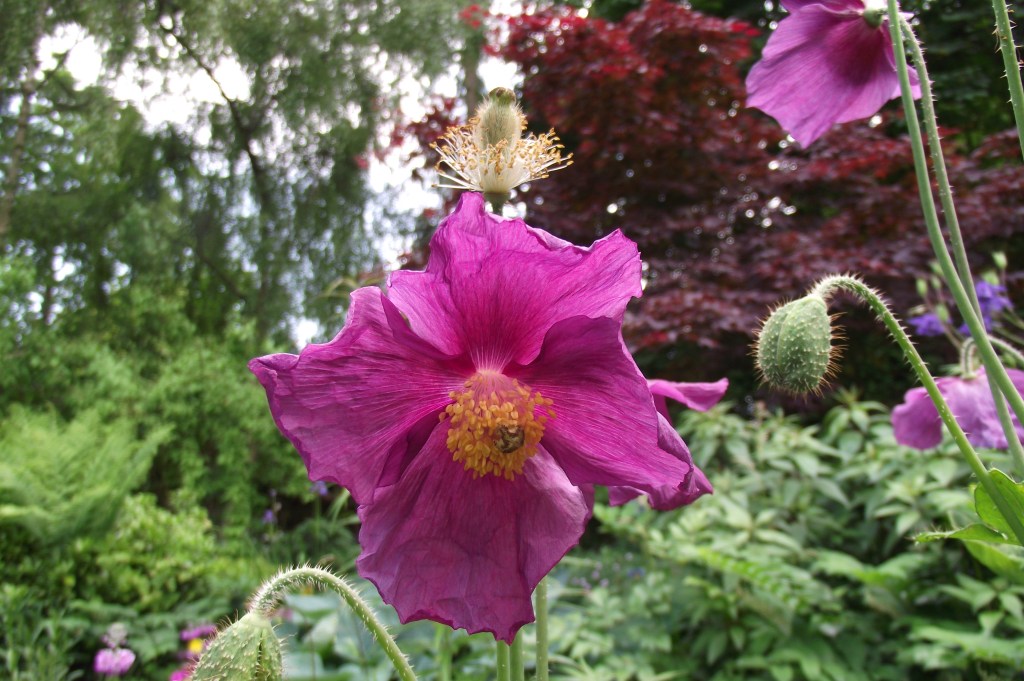
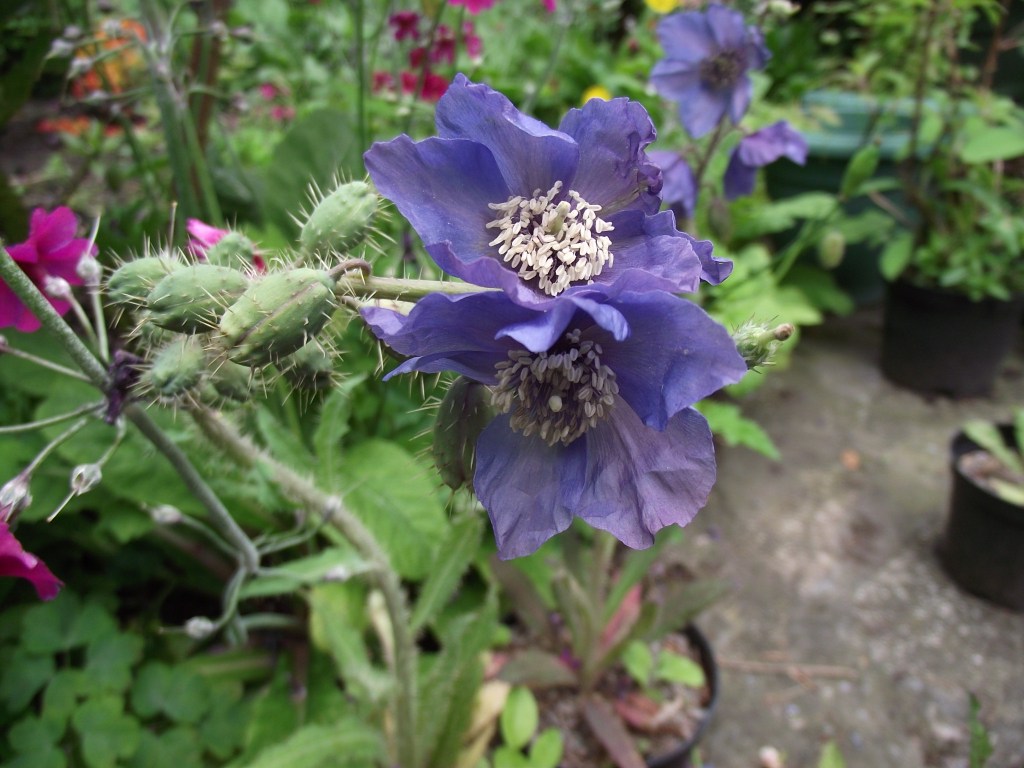
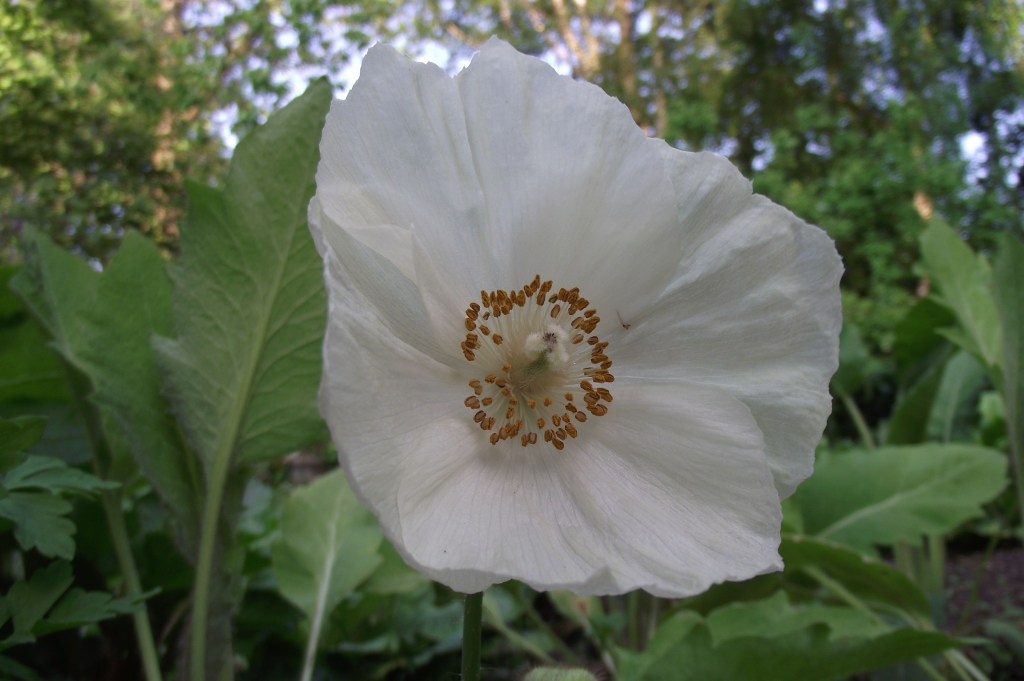
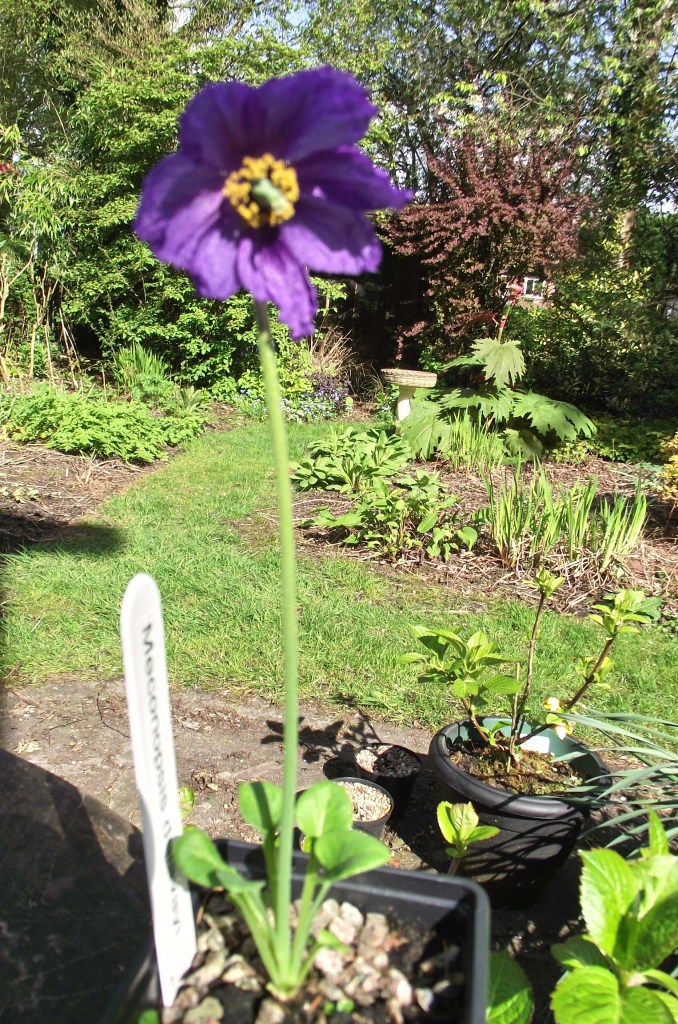
The plants that are generally referred to as “blue poppies” are the hybrids and cultivars of Meconopsis baileyi, most of the cultivars are in different shades of blue with a white form (alba) occurring as well as an attractive violet form. It is worth remembering that all meconopsis are short lived perennials or monocarpic in that they die after flowering. One of the benefits of this is that many are prolific seed producers and one of the great joys is raising them from your own seed, they may not come true especially if you are growing several types but you can finish up with some excellent plants.

Striking plant grown from own home collected seed.

Meconopsis baileyi along with M. Lingholm is now available from most mainstream suppliers due to their popularity with the general public, you have to go to a specialist grower for the more unusual cultivars.

Meconopsis baileyi.
Meconopsis “Crarae”

A distinctive garden cultivar, Meconopsis “Crarae” gets its name from the large numbers that are grown at Crarae Gardens, Argyle. These plants are infertile so can only be propagated by division. This photo was taken at Crarae and is the only one that is not from my garden.

Meconopsis grandis
Meconopsis grandis distinctive flower bud.

Meconopsis grandis is a “traditional blue poppy”, a wild hybrid, it readily produces seed from which it can be easily raised. All Meconopsis seed is best sown as fresh as possible under cold glass in January to March, in fact I find the seed of all hardy perennials is best treated this way. Sowing in pots outside is quite common but I prefer to have the containers protected from birds, animals and the weather.

Meconopsis “Kingsbarns”

Another excellent fertile blue poppy, exceptionally strong grower, as with all blue poppies they need plenty of space to grow well.

Meconopsis “Lingholm”

The last of my blue poppies, there are many more although, with the odd exception, most are infertile cultivars. Lingholm is another strong grower and like most I have mentioned can be propagated by seed or division.

The ” Paniculatas”

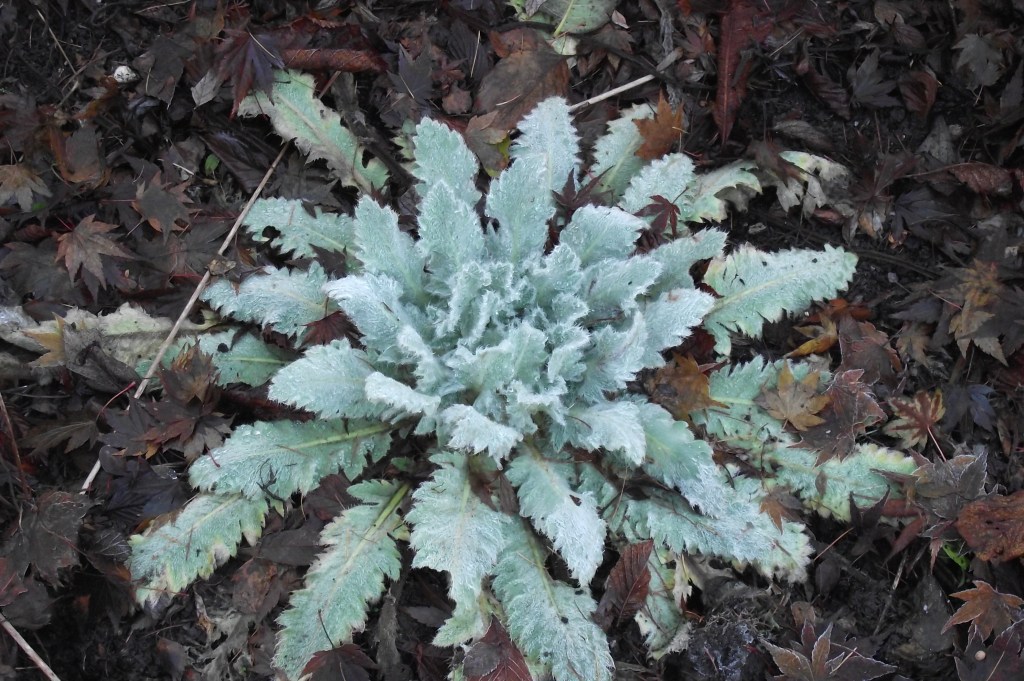
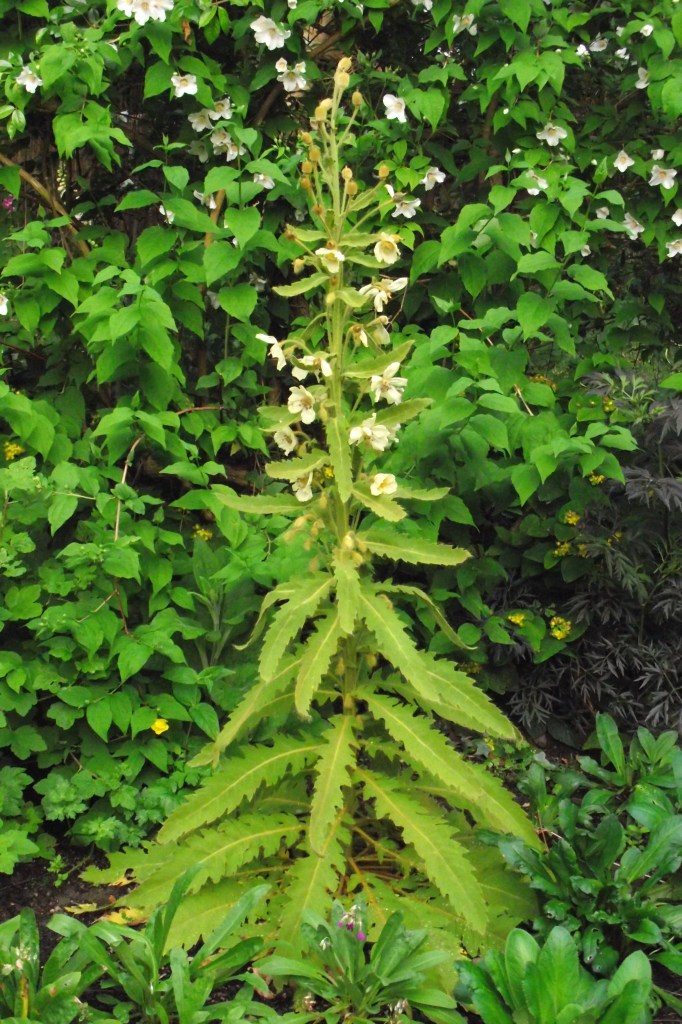
This group is made up of principally three species, Meconopsis superba, which unfortunately I have never grown, Meconopsis napaulensis and Meconopsis paniculata however, as with all meconopsis, there is tremendous variation in both form and colour. They are all monocarpic and can take a couple of years to flower but have the benefit of producing wonderful evergreen rosettes as well as oodles of seed. Meconopsis regia seen in cultivation is generally accepted to be a form of M.napaulensis.

Meconopsis paniculata

Meconopsis regia

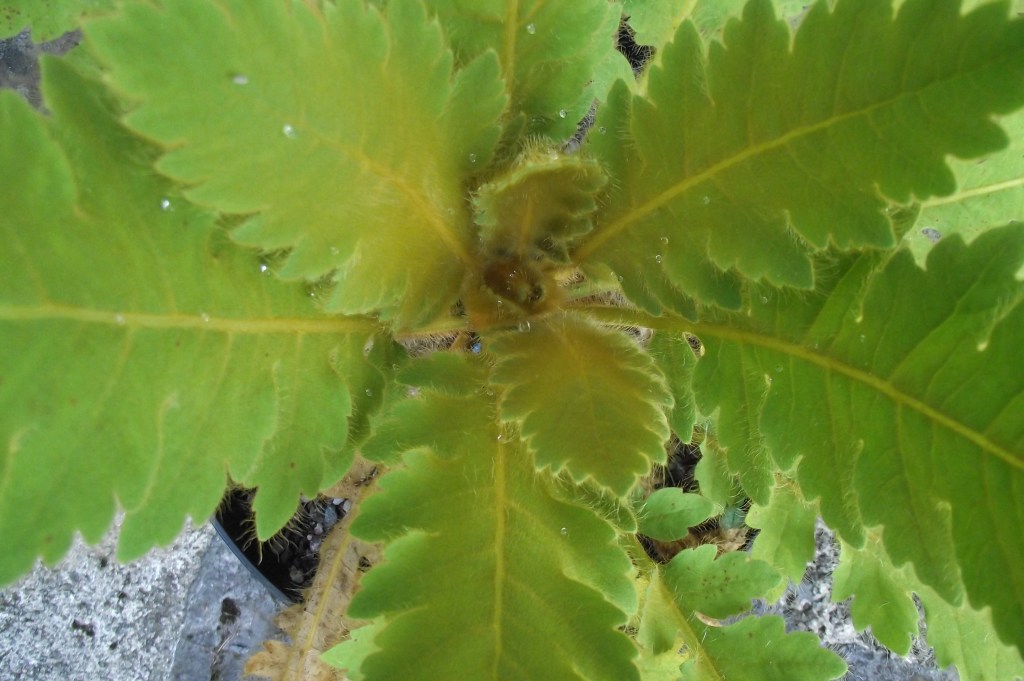
Here a couple of pictures of winter rosettes, the fact that the leaves are very often quite hairy means they are subject to winter damp rot although I have always managed without protection with very few fatalities.

The plant I had always wanted to grow is Meconopsis paniculata Ghunsa Form a spectacular paniculata with golden hairy rosettes so please excuse all the pictures.

Meconopsis paniculata Ghunsa Form

The “spiny” meconopsis. Meconopsis horridula group.

Unfortunately I can’t guarantee that these pictures are totally accurate, the plants are all grown from seed and identification can be a little difficult as there is tremendous variation even within the species. All these plants are often sold under the name Meconopsis horridula. They are monocarpic and set plenty of seed.

Meconopsis racemosa
Meconopsis latifolia

After much deliberation I have decided that this is Meconopsis latifolia, a rather rare relative of Meconopsis horridula. Raised from seed, even if it actually isn’t latifolia it’s still a nice plant.

Miscellaneous Meconopsis.

Meconopsis pseudointegrifolia.

Like many people I have a job to see where some plants sit in the meconopsis hierarchy, unfortunately the only picture I have of this beautiful plant doesn’t show its soft green leaves plus I think it should have a sulphur yellow flower, let’s face it I’m not even sure it actually is pseudointegrifolia, this is the problem you get with promiscuous poppies!

Meconopsis delavayi

A rather weedy looking plant, the only one I have managed to raise, although no different from those I have seen pictured in the wild. Just to be awkward Meconopsis delavayi is a lime lover.

Meconopsis x sarsonii

This is what happens when it all goes wrong, Meconopsis x sarsonii when the flower buds have been damaged by frost and/or damp.

Blue poppies are big feeders I grow them on fairly heavy rich soil with added grit and peat, yes peat, for best results.

Popular bulbs, corms, rhizomes etc……… the non-fibrous rooted plants. Part 5.

This is the rest of the plants in this section I can cover based on the photos that I have available.

Narcissi

Narcissi or daffodils are meadow plants and as such prefer a moist soil and will tolerate some shade, dwarf narcissi however are more suited to a well drained position in the sun and also make excellent early flowering subjects under cold glass. No matter how ugly the leaves look after flowering don’t cut them off but feed a high potash feed such as tomato fertilizer as they die down also make sure that the dead flower heads are removed immediately to stop any attempt to manufacture seeds. Failure to do this will result in the bulbs deteriorating over time.

Narcissus Pink Wonder
Narcissus Lemon Beauty
Narcissus Jetfire

Oxalis

There are several hundred species of Oxalis (sorrels) varying from weeds to pot plants the example below is fairly typical. The “shamrock” leaf varies from almost brown, through red to green and is usually augmented by yellow, white or pink flowers. Cultivation varies, pot varieties are grown in a cold greenhouse and treated as you would any early spring bulbs, whereas many of the “weedier” varieties enjoy more woodland situations. Oxalis is one of those plants that used to be passed from gardener to gardener as despite their invasive habit they are extremely pretty and will brighten up a dull corner.

Pleione

The hardy orchid Pleione formosana, the single leaf and flower develops from a pseudobulb. A native of Taiwan, P. formosana is a member of a small genera which hail from S.E. Asia. Only really hardy in very mild areas of the UK, it is best grown in shallow alpine pans containing a gritty compost under cold glass. A container full of these plants in flower is a really spectacular sight.

Pleione formosana

Zantedeschia aethiopica

The Arum Lily, sometimes known as the Calla Lily, prefers a damp soil such as at a pondside or by a stream. A rhizomatous perennial originating from S.Africa it can be extremely invasive in warmer climes however in the UK a winter mulch is often recommended to protect the root.

Zantedeschia aethiopica

The lily pictured above is the “base” species traditionally known as the Arum Lily which can even be grown in water at the pondside. As happens with many plants these days various colour forms have been developed mainly for the cut-flower industry. Colours include various pinks, yellow and orange and are generally known and sold as Calla Lilies, as far as the UK is concerned these are usually grown in containers for the garden.

Zephyranthes primulina

This beautiful little plant is quite rare and I only came across it in a “lucky dip” selection of seeds from one of the specialist societies I belong to. Part of the amaryllis family Zephyranthes (Rain Lilies) come from S.America and the Southern United States. Z.primulina is from Mexico and I would not attempt to grow it other than in a container under cold glass. Incidentally the seed was easy to germinate and the plant flowered in the second year which leads me to think that it spreads quite freely in its natural habitat.

This concludes the series, I know that it does not cover everything but is limited by the photos that I have available. I think the main thing to remember is that many larger bulbs, such as narcissi and those related to the lily family, are from natural grassland areas which tend to be damp, whereas most of the smaller bulbs, such as dwarf narcissus and iris are more suited to well drained soils in the sun. Remember if you don’t want to throw your tulips out every year that they need feeding and a good baking in the sun to develop.

Next post Meconopsis one of my two favourite genera.

Popular bulbs, corms, rhizomes etc……… the non-fibrous rooted plants. Part 4.

Tulips Part 2.

Another picture post, dealing with the remaining tulips I have grown and also have pictures of.

Double Earlies

Tulipa ‘Mondial’
Tulipa ‘Monte Orange’
Tulipa ‘Silk Road’
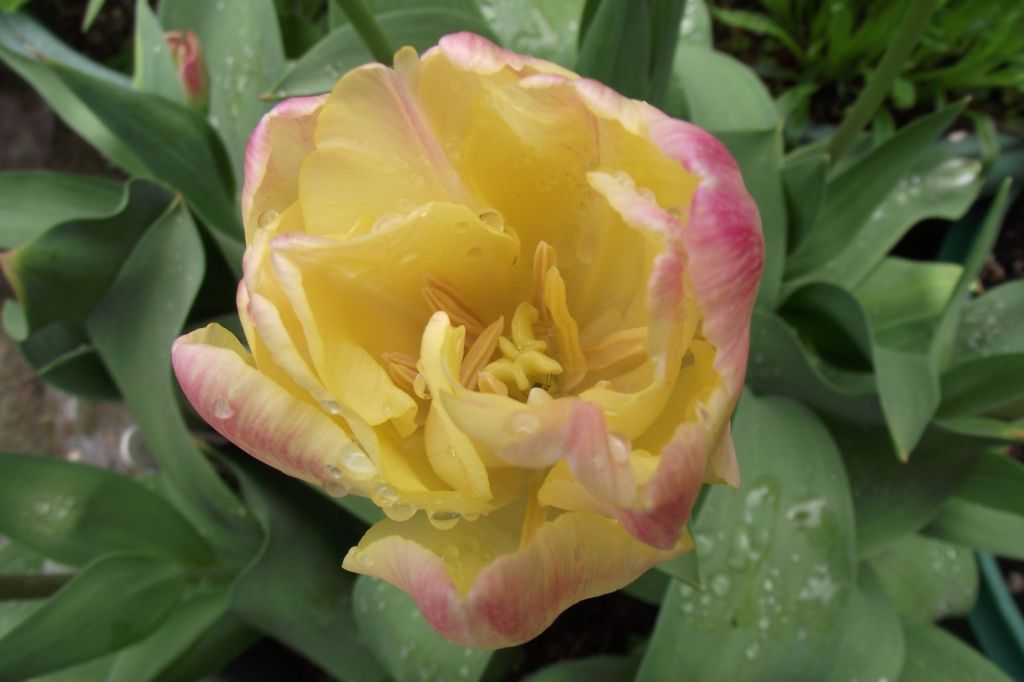
Tulipa ‘Peach Blossom’

Flowering early to mid spring some of these tulips such as T.’Peach Blossom’ have the extra benefit of being scented which, along with the exquisite double flowers really enhances the early part of the year.

Double Lates

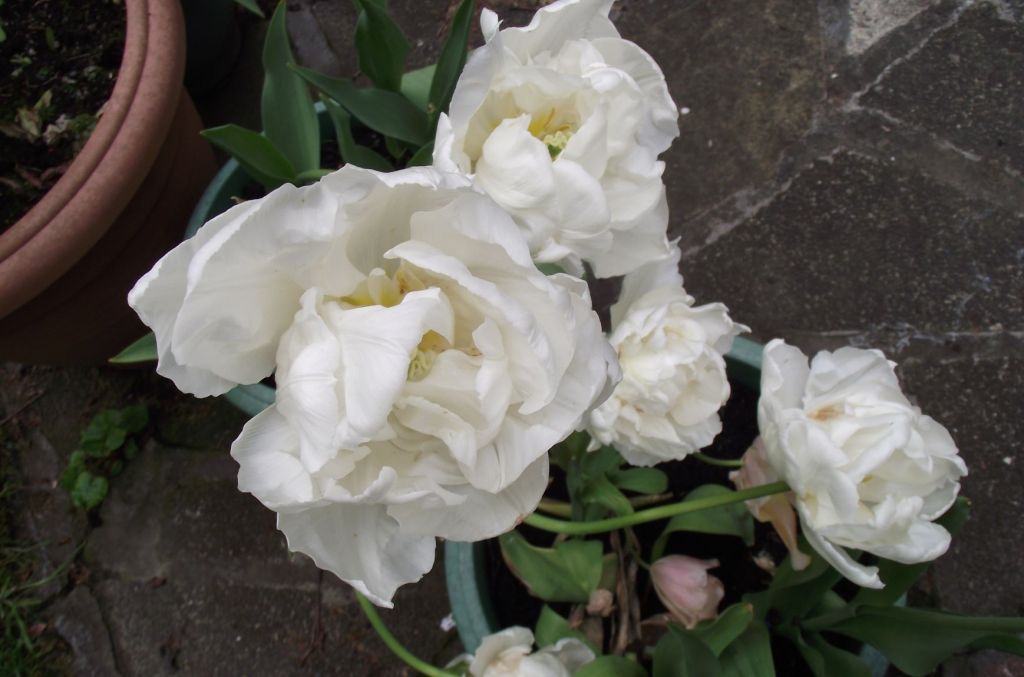
Paeony flowered Tulipa ‘Angelique
Paeony flowered Tulipa ‘Antraciet’
Tulipa ‘Creme Upstar’
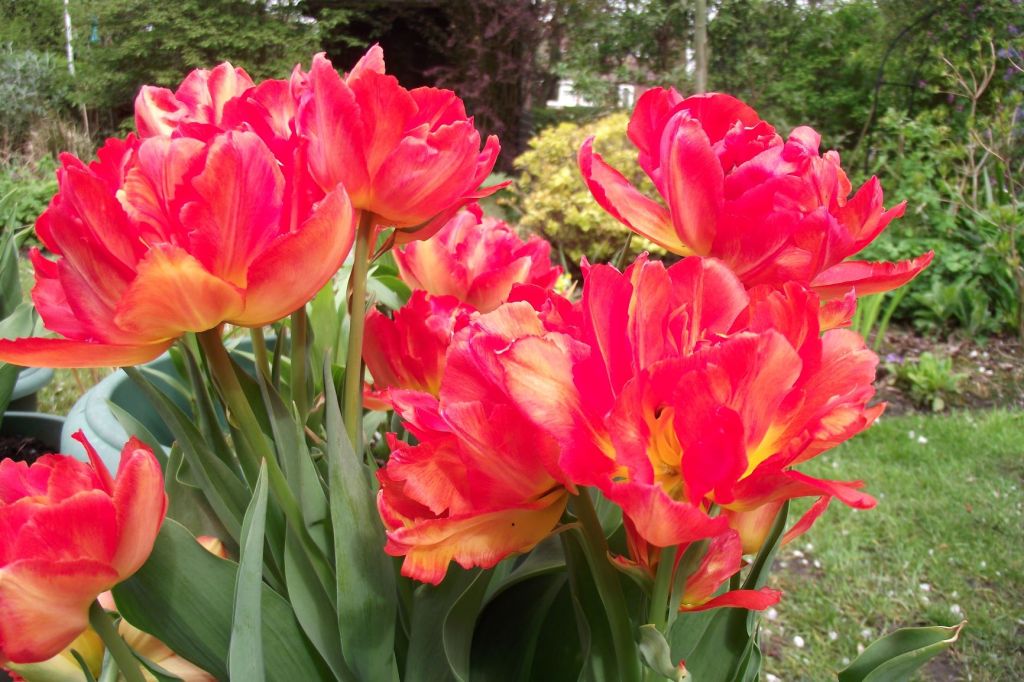
Tulipa ‘Orange Princess’ Paeony flowered.

Following on from the earlies some of the Late Doubles such as T. ‘Angelique’ are also scented.

Miscellaneous.

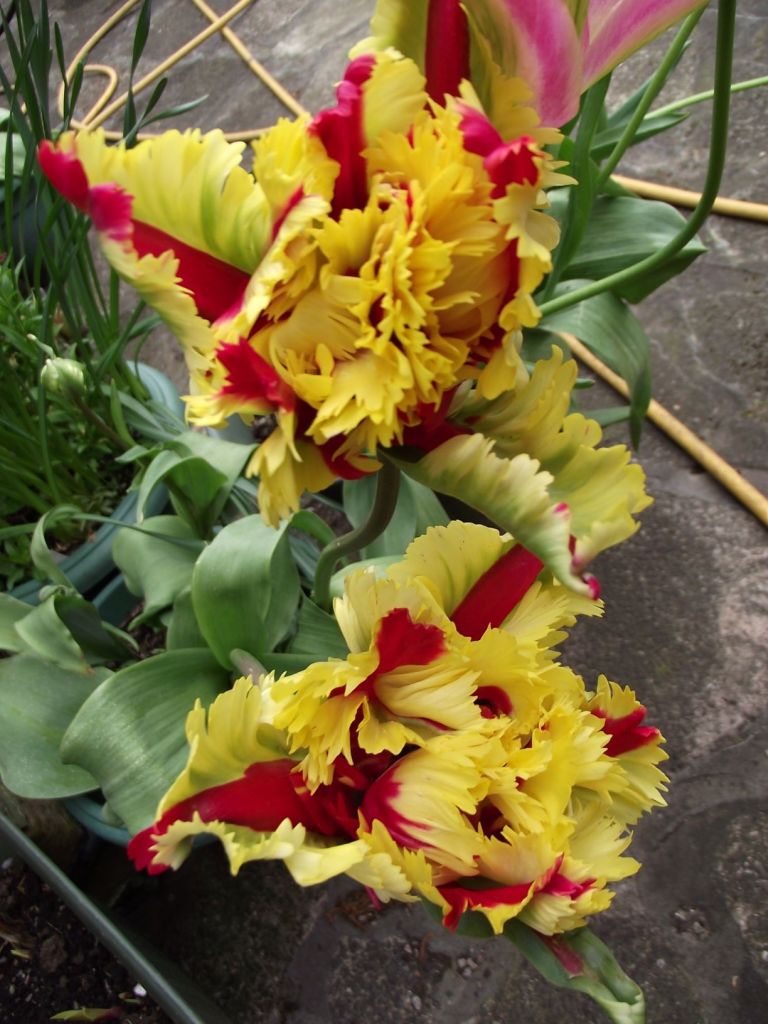
Parrot Tulip ‘Rococo’
Tulipa ‘Flaming Parrot’
Lily flowered Tulipa ‘Red Shine’
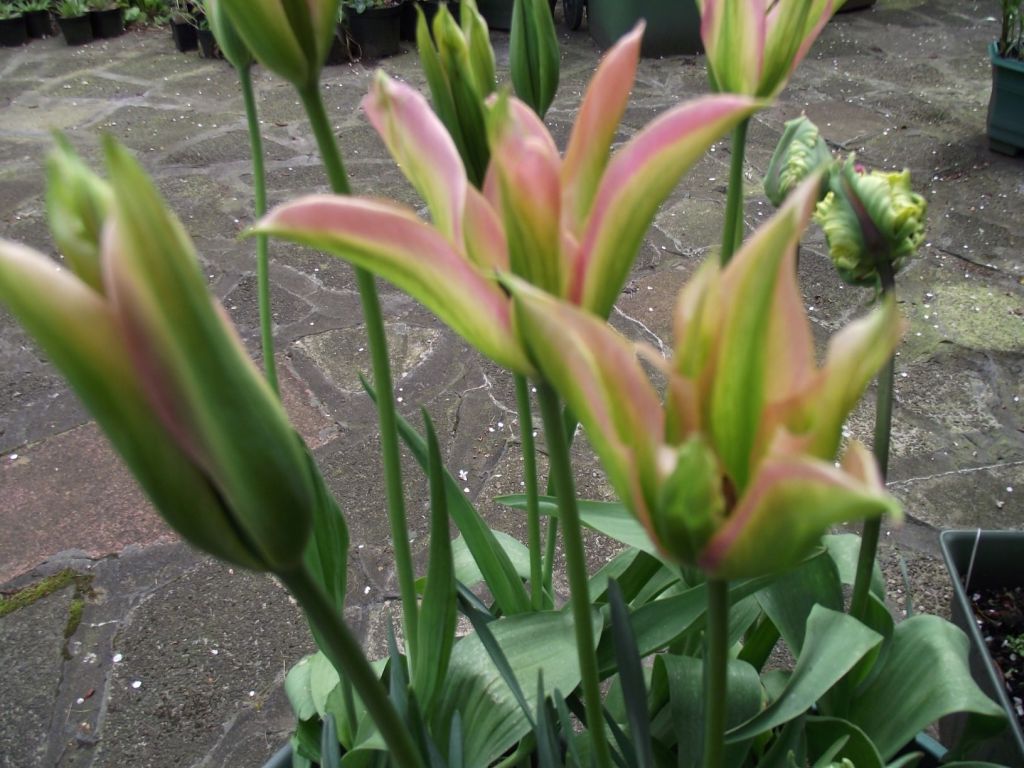
Unusual Lily Flowered Tulipa ‘Virichic’. These are known as Viridiflora Tulips.
Late Single Tulipa ‘Queen of the Night’
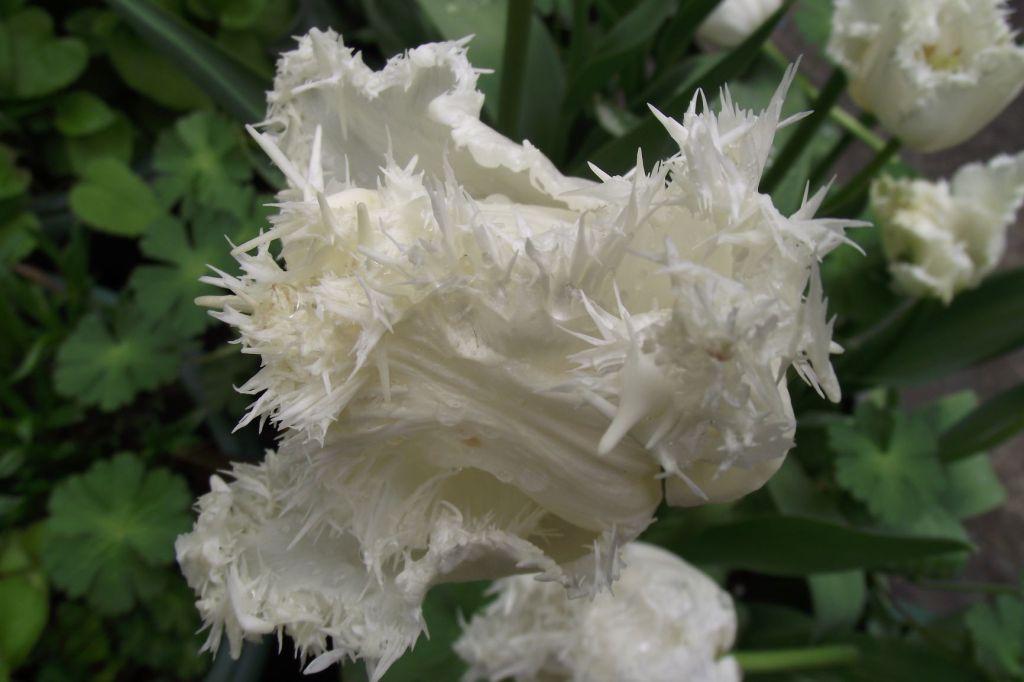
Bit of an oddity, can’t find it listed anymore Tulipa ‘Pirvilla Lady’ a Fringed Tulip.

The main pests and actually my nemesis are grey squirrels, they take absolute delight in rooting out the bulbs whether in containers or in the ground. One memorable Christmas Day I spent some time moving my pots into groups and spreading netting over them as I noticed the assault of the squirrel army had begun, eventually this led me to stop growing the Dutch tulips. I later hit upon the idea of putting a piece of heavy metal netting about an inch under the surface of the compost until this in turn was dragged out. I don’t find it worthwhile to keep the bulbs for another year but use tulips like bedding plants, in the past I have kept the bulbs for replanting but have found the results to be inconsistent. One advantage of using fresh bulbs each year is that it avoids the diseases to which tulips are prone.

Botanicals

Just a quick footnote regarding the botanicals or specie tulips, these are generally the dwarf spring flowering tulips, usually found in a rock garden setting or container, with which everyone is familiar. I have grown many of these such as Tulips kaufmanniana, greigii, praestans and their hybrids and also Tulipa tarda although I don’t have many pictures.

Tulipa praestans ‘Fusilier’ with Anemone blanda.

See more bulbs I have grown on my next post.

Popular bulbs, corms, rhizomes etc……… the non-fibrous rooted plants. Part 3.

Tulips Part 1

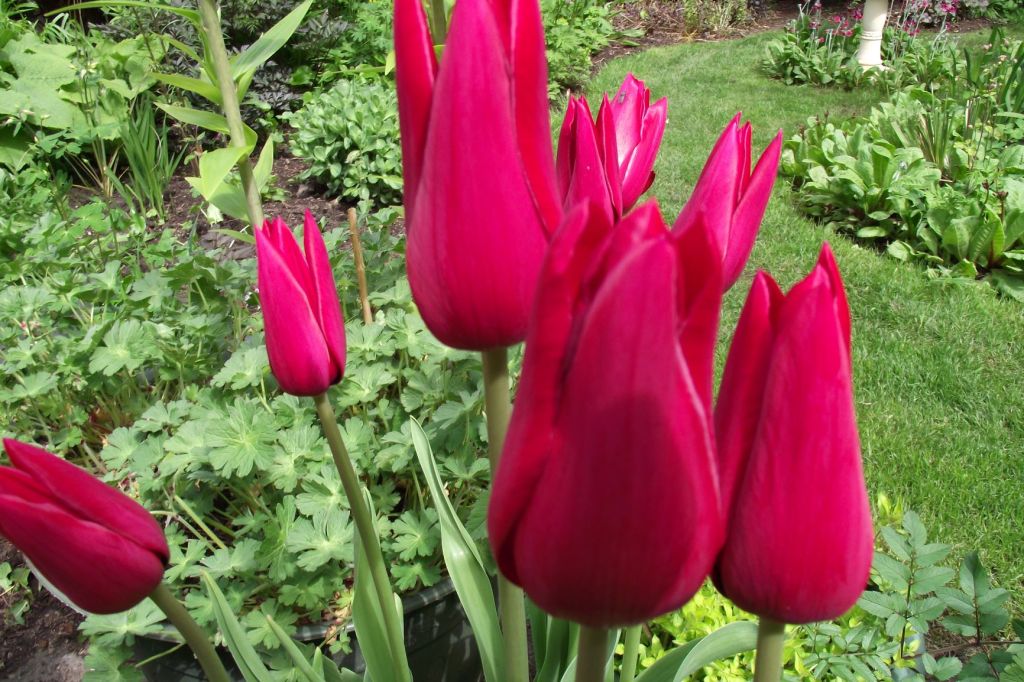
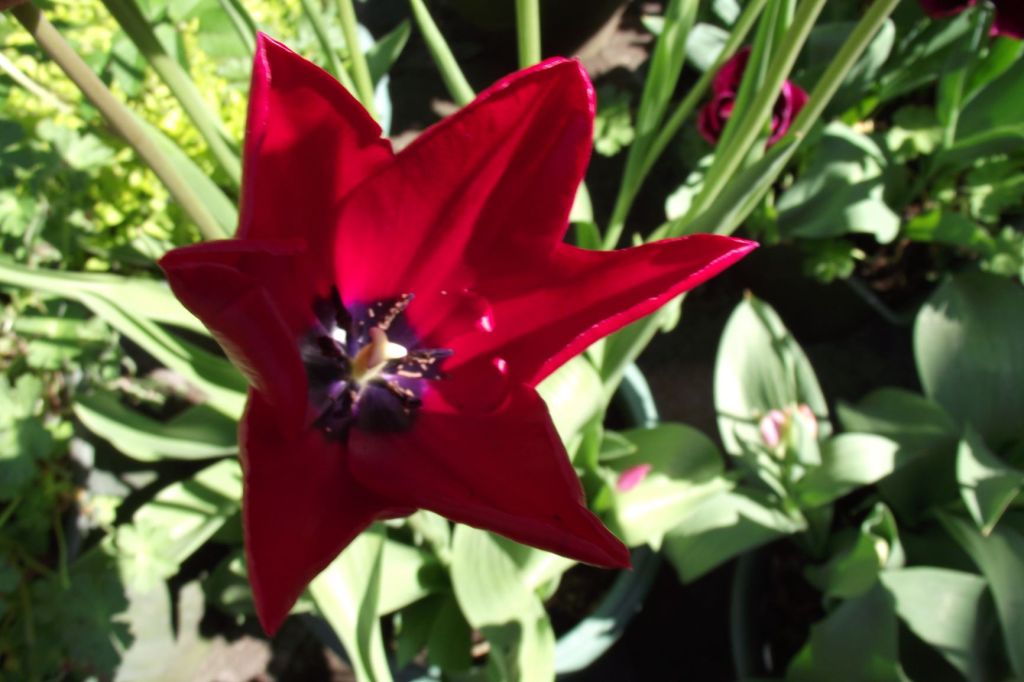
This is going to be more of a “pretty picture” post which is, after all, what tulips are about. There are two main groups, first the cultivated tulips which, although the original species hailed from the Near East, were developed by the Dutch plant breeders several hundred years ago till the present day. Holland is still the tulip capital of the world, the tulip fields visited by thousands every year. Vast resources were put into developing new colours and combinations resulting in inflated prices which caused tulips to become almost a form of currency leading to Tulip Mania and the first ever investment crash. The second group in general cultivation are the specie tulips or botanicals which are generally the dwarf, early flowering types seen in most rock gardens and containers. Please remember the pictures, as always, are of plants I have grown and this is by no means a definitive list.

Triumph Tulips

Tulipa ‘Carnaval de Rio
Tulipa ‘Don Quichotte’
Tulipa ‘Dynasty
Tulipa ‘Jan Reus
Tulipa ‘Jan Reus
Tulipa ‘Jimmy
Tulipa ‘Leen van der Mark’
Tulipa ‘Princess Irene
Tulipa ‘Ronaldo
Tulipa ‘Washington’

Flowering mid to late spring Triumph tulips are the largest group and the goblet-shaped flowers are the ones everybody is familiar with. Some gardeners may not like the use of plastic containers from an aesthetical point of view but I am afraid that, as I had many plants in a variety of containers, the factors of cost and weight came into consideration although some have been sprayed a different colour. The other factor to take into account is that I am more interested in the plants themselves hence the garden had a semi-wild look at best.

The “Rembrandt” tulips such as T.Washington and Princess Irene are created by careful selective breeding however at the time of Tulip Mania these colourations were caused by viruses and there were many crazy methods employed to try and induce these effects. The export of virus infected stock was banned many years ago by the Dutch.

Popular bulbs, corms, rhizomes etc……… the non-fibrous rooted plants. Part 2.

Erythronium

Fifty years ago these true forest floor plants which flower early before the canopy forms, were to my mind, an exotic rarity, the only one generally available was the European native Erythronium dens-canis however the myriad of species and cultivars that have been introduced over the years has now made bulbs of this beautiful genus more accessible.

Erythronium californicum ‘Harvington Snowgoose’
Erythronium ‘Pagoda’ (E. tuolumense hybrid)

Unfortunately these are the only pictures I have and don’t do justice to these plants however there are plenty more to be seen on the web. Both are quite vigorous hybrids and are ideal for the average garden where they will perform well. There are a diverse range of species available to the more specialist grower some of which can lend themselves to pot culture in an alpine house such as E. hendersonii.

The common name Dog’s Tooth Violet comes from the shape of the bulbs which should be planted in an open soil which has plenty of humus, preferably incorporating leafmould if available, under deciduous trees or shrubs to give dappled shade. Erythroniums are found in both Europe and Asia but the largest influx has been from the USA where there are two distinct groups one from the east and the other from the west. they are members of the lily family and quite closely related to tulips.

Fritillaria

Fritillaria is a massive and complex genus with only a handful of species in general cultivation although there has been a significant number of hybrids introduced. Fritillaria meleagris (Snake’s head fritillary) is the best known being of European origin.

Fritillaria meleagris
Fritillaria meleagris White form

Fritillaria meleagris is basically a meadow plant and as such benefits from being allowed to naturalise however it can be grown in any rich moist but well drained soil preferably in dappled shade. I hate the term “moist but well drained” as it sounds like an oxymoron however it is difficult to think of other ways of describing it, basically think not waterlogged at any time! Some other species require exactly the opposite coming from much drier climes.

Fritillaria persica

Fritillaria persica has become popular in recent years and can be found in most catalogues. A surprisingly hardy bulb it does need a well drained gritty soil and a position in full sun to do its best. The most popular and impressive specie that is widely grown is Fritillaria imperialis known as the crown imperial and its many varieties. They are big and showy but unfortunately I have no pictures as I have never really felt the urge to acquire it, perhaps a bit too rich for my taste!

A word of warning Fritillaria meleagris is a member of the lily family and the first place to spot lily beetle before it moves onto the lilies a little later in the year.

Iris

The Iris genus is both large and complex, there are about half a dozen sub-genera and some of these are further sub-divided into sections. I did study some botany but, for the sake of simplicity, I think in terms of four main groups, there are the early spring flowering dwarf types, the “Dutch” iris, the large bearded iris and the non-bearded iris which are the ones I have grown the most of.

Iris reticulata
Iris reticulata ‘Katharine Hodgkin’

The most popular irises that are known as Reticulate-bulbed bulbous irises are Iris danfordiae, Iris histrioides and Iris reticulata, and their many cultivars as shown above. They are all early flowering which adds to their appeal and also make good subjects for the alpine house. A sunny position in an open gritty soil suits them although I.reticulata is less fussy, as they die back during the summer, always try to be aware of where they are planted. The Juno irises also make good alpine house subjects and are extremely beautiful but not very widely grown as they are not easy. Juno irises are known as Smooth-bulbed bulbous irises and I can only assume that means that they don’t have the striations of the reticulate species.

My garden was very shady so I never grew the big showy bearded iris despite them being very popular because of the wide range of varieties available. Unfortunately they only grow well when the rhizomes, which sit on the surface, get a good baking during the summer months which just wasn’t possible. Likewise the bulbous iris known as Dutch Iris, which you see advertised in the catalogues, is principally a plant which is best container grown and doesn’t lend itself to shady borders. Growing a plant that you already know isn’t suited to your conditions can only lead to disappointment. Incidentally Dutch Iris (Iris hollandica cultivars) are used to supply the cut flower industry.

The irises that thrive in damp shady conditions come from Eastern Europe, China, Japan and even the UK.

Iris ‘Blauewiesmotte’ Sino-siberian type.
Iris chrysographes ‘Black Gold’

Both of the above are Siberia or Sino-siberian irises, to anyone used to seeing the large bearded Iris they look like any fibrous-rooted plant but are in fact rhizomatous. Although I.chrysographes is very distinctive and the specie being found in the wild, the likes of Iris ‘Blauewiesmotte’ is one of many cultivars originating from such as I.sibirica whose origins could be lost in the mists of time. They all thrive in damp cool conditions in any reasonable soil.

My favourite iris is the Japanese Water Iris, Iris ensata (formerly I. kaempferi) it has very similar requirements to the Sino-siberians but, although it prefers more boggy conditions, I wouldn’t be inclined to use it as a pond marginal like our own Yellow Flag. The flowers are enormous and carried on sturdy stems on a fairly compact plant.

Iris ensata The Japanese Water Iris

Finally one of our very own, along with Iris pseudacorus (Yellow Flag) the Stinking Iris, Iris foetidissima is one of the only two species to be found wild in the UK. A bit of a curiosity and not everyone’s cup of tea, I have never noticed the “stinking” bit, it sits in its own section of the iris taxonomy. Along with the others it likes a damp spot and although the flowers are fairly insignificant its crowning glory are the seed heads which are used in flower arrangements.

Just a little point, if you are tidying up iris plants when they have died back make sure to have a pair of scissors handy as the unsightly dead leaves cling tenaciously to the crown.

Next post a tulip bonanza.