


Calistemon
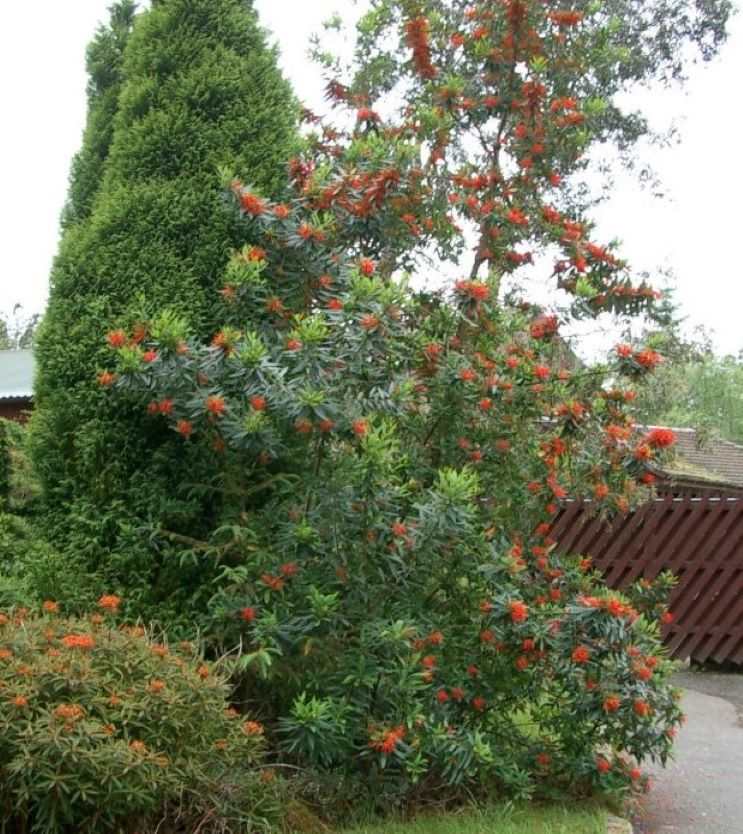
Callistemon citrinus or the Australian Bottle Brush displays the distinctive flower-heads over the neat evergreen scented foliage. This remarkable specimen was found on the west coast of Scotland were it has thrived in the mild climate. I have tried to grow it at home but only managed a couple of winters before its demise.
Camellia

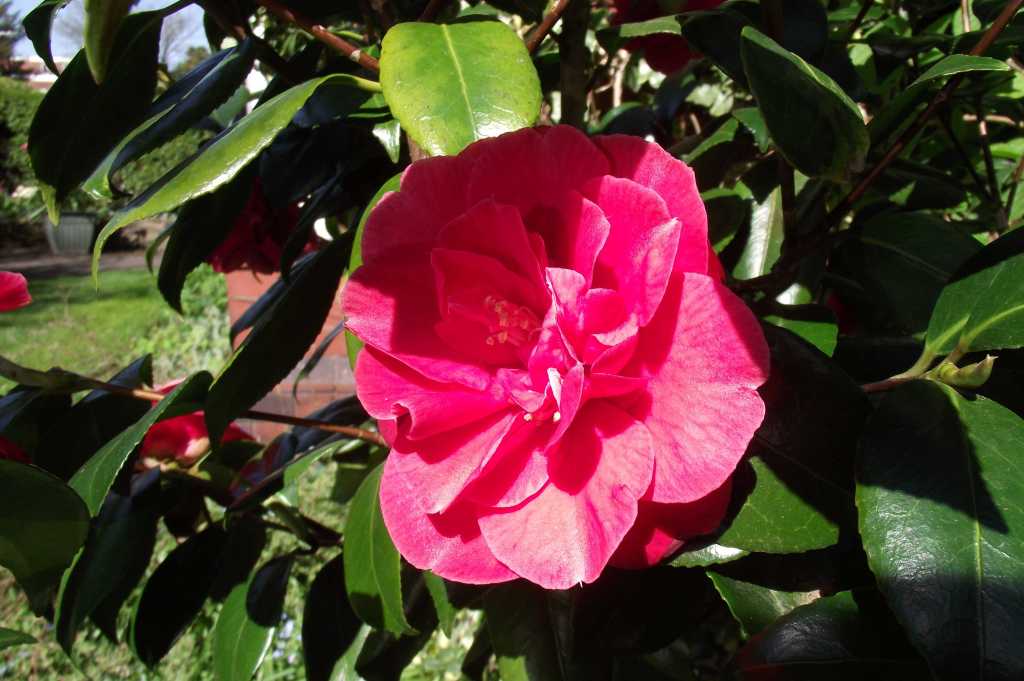


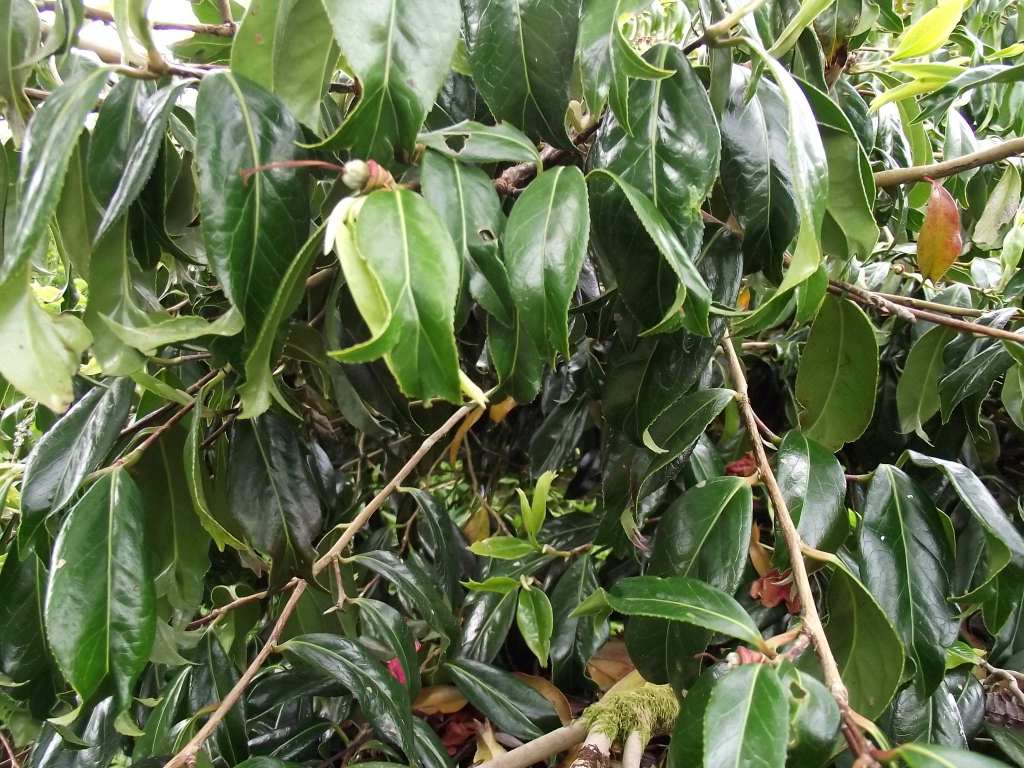
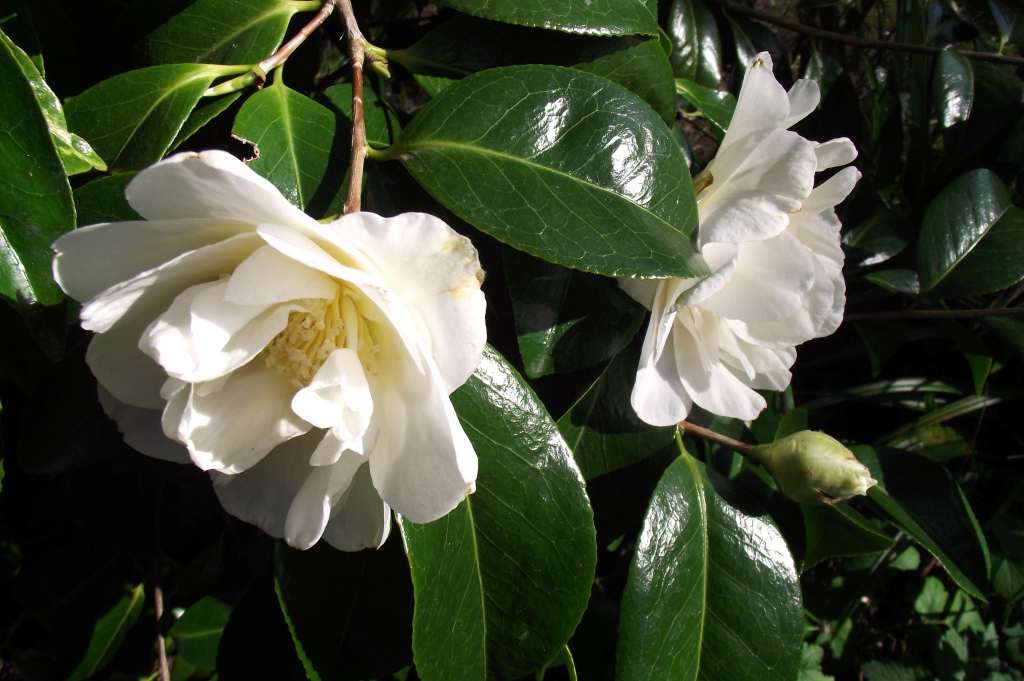
There are hundreds of cultivars of the most common camellia – Camellia japonica, many of which can become substantial shrubs or even trees. Although not in my garden I have included a picture of Camellia x williamsii ‘C F Coates’ out of interest, not for the flowers unfortunately, but for the distinctive leaves denoting it as a “fishtail camellia”.

Camellias are another genus which can be susceptible to the dreaded cushion scale pest and subsequent sooty mildew.
Clematis


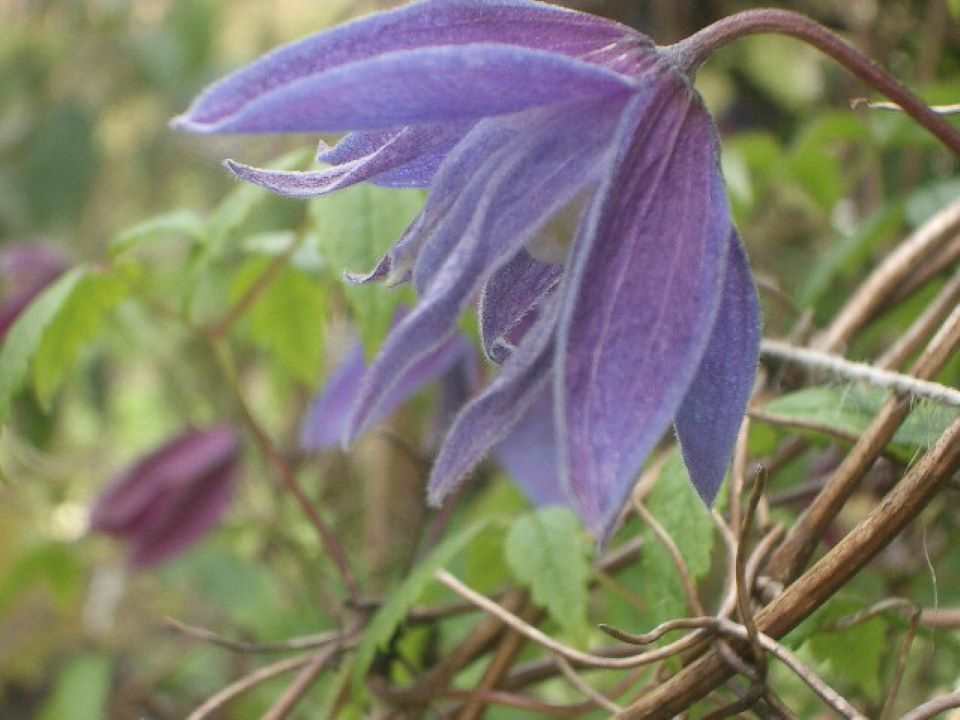

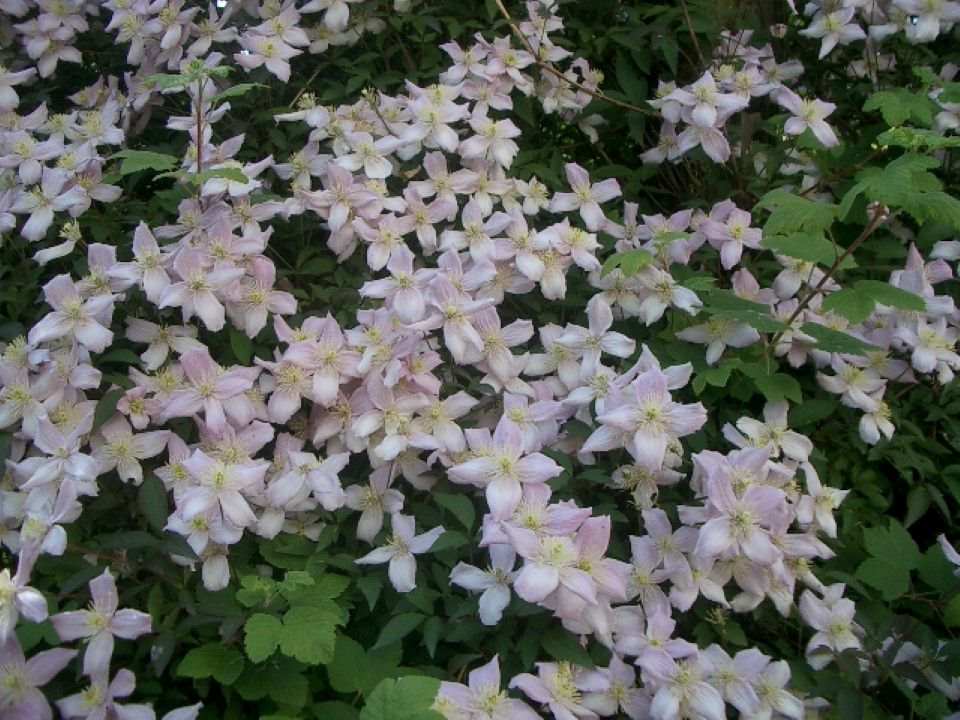


So much has been written about clematis that there is little point in me adding to it. These versatile plants suit every occasion from growing the rampant C.montana and its many cultivars to cover walls, fences or even buildings to growing the large flowered hybrids just to admire their beauty, a clematis can be found to fit the bill. They are generally trouble free, although an attack of the dreaded clematis wilt can be devastating. My personal favourite is Clematis tangutica in particularly the ‘Lampton Park’ form.
Cornus
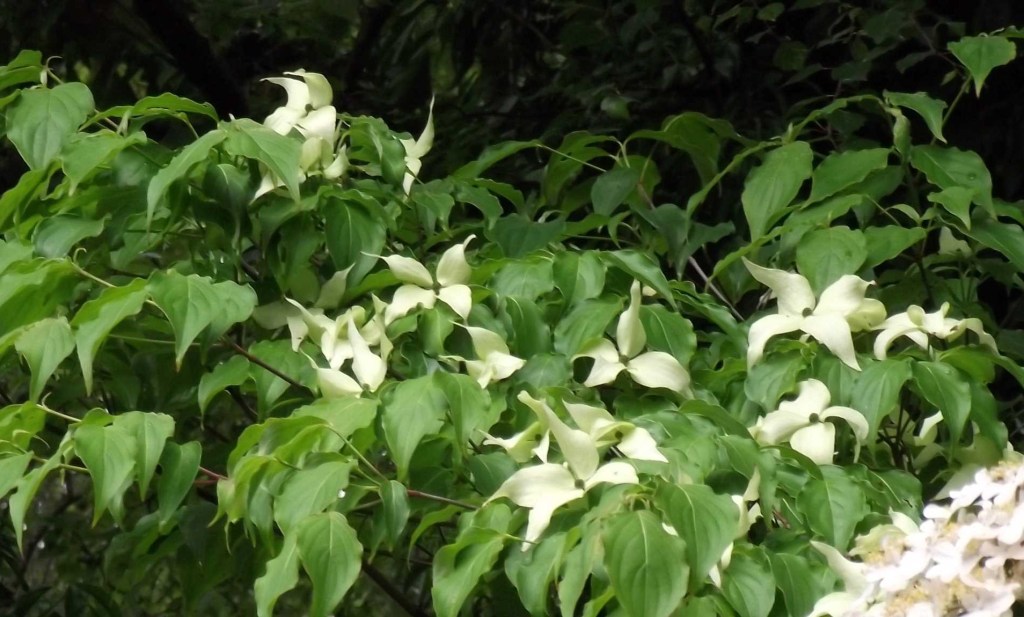
Dogwoods, mainly Cornus alba, a native of Siberia, and its forms, are grown extensively for landscaping and general garden planting for their winter bark colours, ranging from yellows to deep reds. For some reason I have not taken pictures of those I have grown, the only one I have being of Cornus kousa or the Japanese dogwood which is a small tree with colour in its seasonal foliage and from its pure white bracts which later reveal clusters of strawberry-like fruit, making it an attractive proposition for the small garden.
 A Plantsman's World