
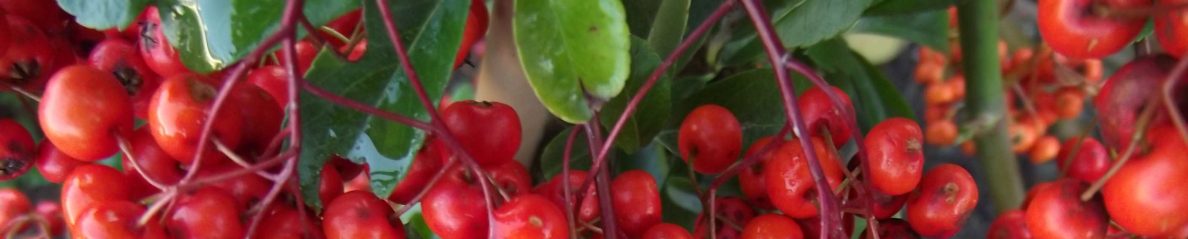


Kirengeshoma


Kirengeshoma palmata or Yellow Wax Bells is a member of the Hydrangea family from Japan and the adjacent Chinese mainland. Needs a shady spot on lime-free moist soil making it an ideal woodland plant.
Lamium


Lamiums or Dead Nettles are found throughout Europe and North Africa. They are robust plants and can tolerate dry and often shady conditions. Lamium maculatum is an excellent ground-cover subject which spreads by throwing down roots from its trailing stems, Lamium orvala however is more upright in its growth.
Leucanthemum

Shasta Daisies sometimes wrongly called Marguerites, are an outstanding border perennial and cottage garden plant. Leucanthemum x superbum has an interesting history in that it is the result of several inter-species crosses resulting in a triple-hybrid that was then crossed with a species from another genus producing an inter-generic hybrid. They thrive in any good garden soil in sun or part-shade, attract bees and other insects and make good cut-flower subjects, what more could one ask from a plant?
Lewisia

One of my favourite plants from my alpine growing days lewisias are actually a tap-rooted succulent from the mountains of California and as such, although winter hardy, will not tolerate damp conditions. I have found they are best planted in a very gritty mix on a slope or in a rock garden crevice. They are very rewarding subject, the flowers coming in a wide range of colours which stand out well against the dark green strap-like leaves and make an excellent plant for the alpine house.
Ligularia

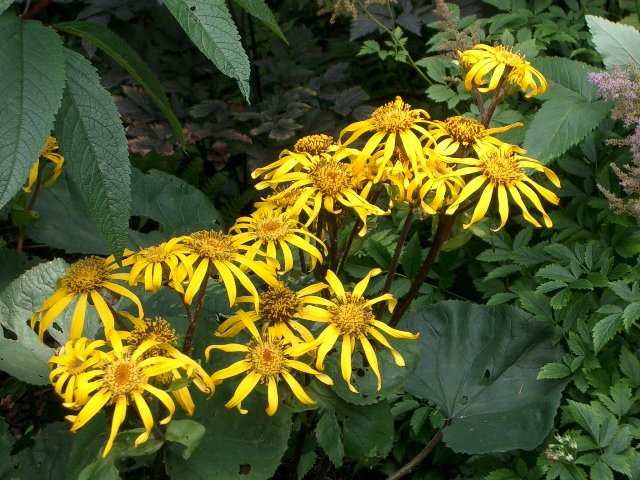


Ligularias are tall hardy herbaceous perennials mainly from China. They make a bold statement in the border with their striking foliage (particularly ‘Desdemona) and bright yellow flowers. They are moisture lovers and as such do well round the pond or stream side.
Lithodora (Lithospermum)


Another favourite from my “alpine days” when it was known as lithospermum. Lithodoras are a widespread genus but come principally from the USA. They make good edging plants particularly around pathways and are a staple of the rock garden. They require acidic, moist but free-draining soil in either sun or partial shade.
Lobelia


Quite different from the lobelia bedding plants which we are all familiar with Lobelia tupa is a woody upright plant growing to around 6′. It is a native of Chile so only truly perennial in warm gardens in the UK where it will tolerate quite dry conditions. I grew my plants from seed and managed to get a couple of winters out of them without protection. Another lobelia of merit is Lobelia cardinalis which is very similar in appearance but much hardier hailing from right through the Americas including Canada.
Lupinus
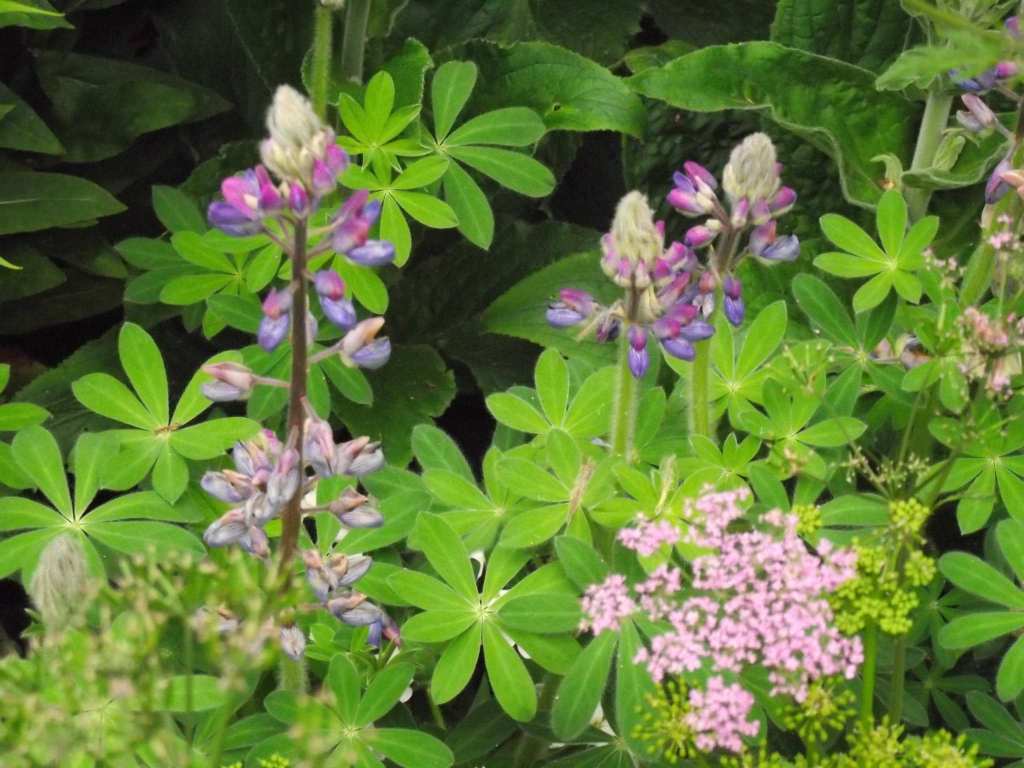

One of the most popular garden plants lupins are particularly associated with the cottage garden. They can easily be propagated from seed or by careful division. ‘Tequila Flame’ is an example of a popular strain of cultivars but I have included L. nootkatensis as a good illustration of the difference between a typical specie plant and its more sophisticated cultivar. L.nootkatensis is quite interesting, a native of N.America where it is found even in Alaska it was introduced into Iceland to help against soil erosion because of its ability to fixate nitrogen but is now listed as an invasive species.
Lysichiton

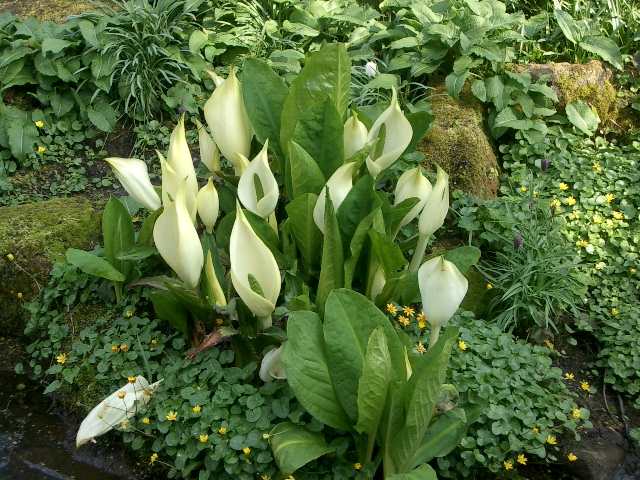
The two different species of Skunk Cabbages shown come from two different locations. L.americanus as the name implies comes from the Pacific Northwest of the USA. whereas L.camtschatcensis, again the clue is in the name, is from Eastern Russia and Japan. Typically found in water meadows in their natural habitat they are often grown in cultivation in large estate gardens as marginals but need a lot of room as they are both rather invasive. A preferred form Lysichiton x hortensis which is a cross between the two is more appropriate for the garden, particularly as the obnoxious scent is not as pronounced. These pictures were taken at Fletcher Moss Botanical Gardens, Manchester.
Lysimachia


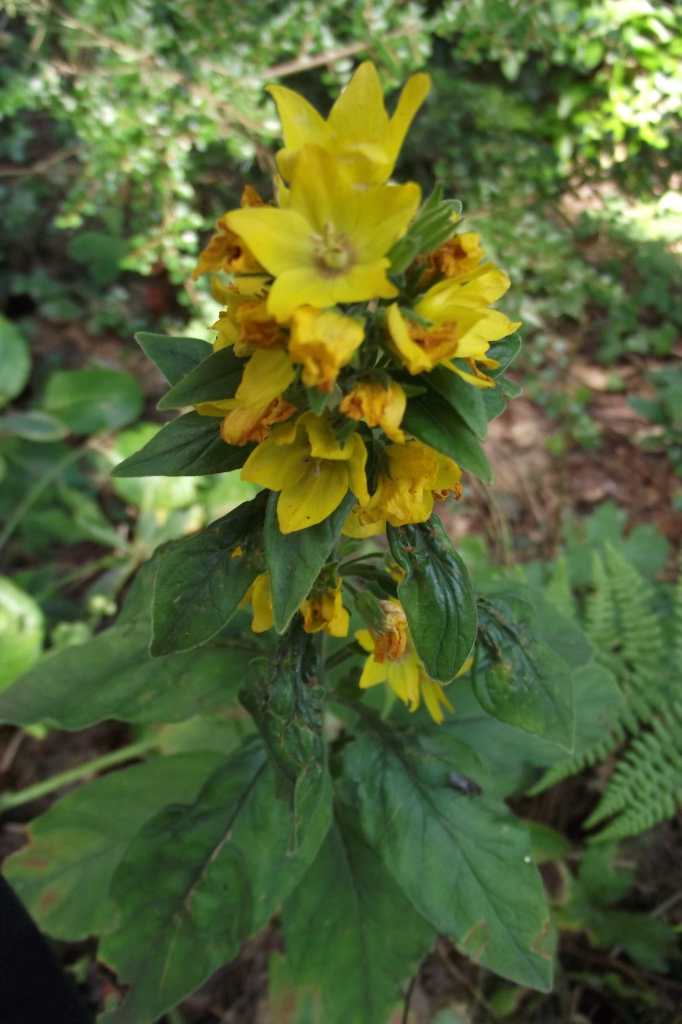
Lysimachias are surprisingly a member of the primula family and are generally to be found in damp areas across the Northern Hemisphere. Some species are known as loosestrifes such as L.punctata the Garden Loosestrife which is a common garden plant. ‘Firecracker’ is quite striking with its yellow flowers contrasting well with the purple foliage but beware it can be quite invasive. L.ephemerum has a rather loose upright habit and is attractive to bees and other insects. ‘Beaujolais’ is a popular addition to the garden with its deep red flower spikes contrasting well with the grey-green foliage but is generally short lived.
Mukdenia

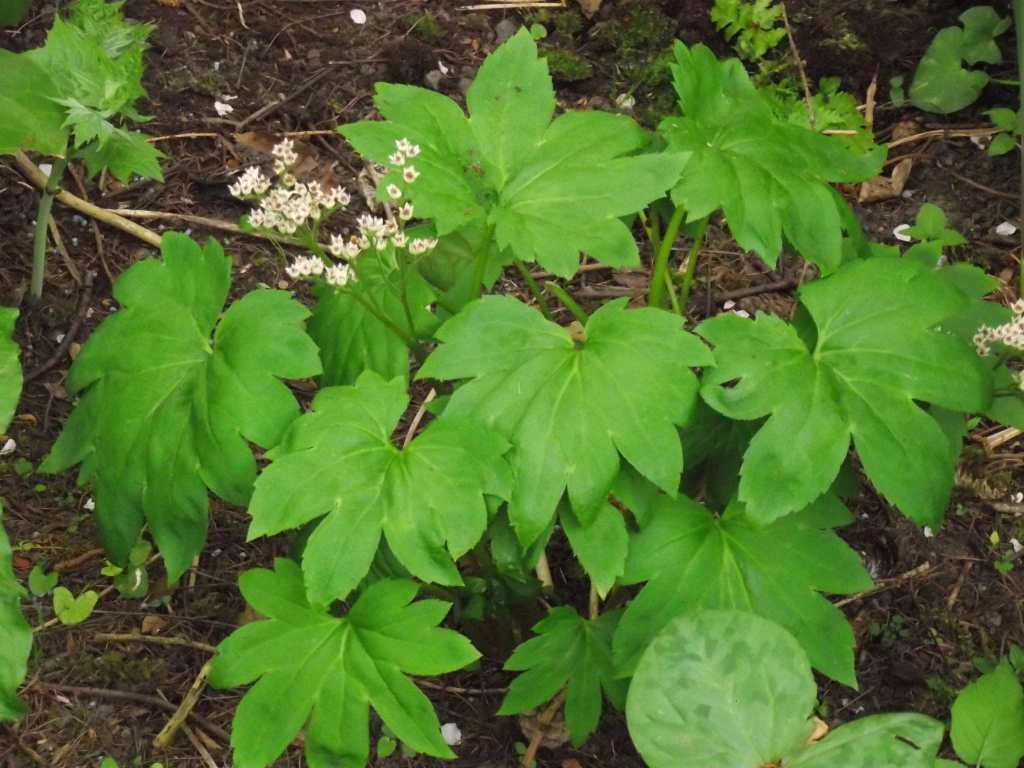
A useful perennial for the woodland planting Mukdenia rossii hails from China. Similar to heucheras in habit its leaves will take on red shades in the autumn.
Myosotis
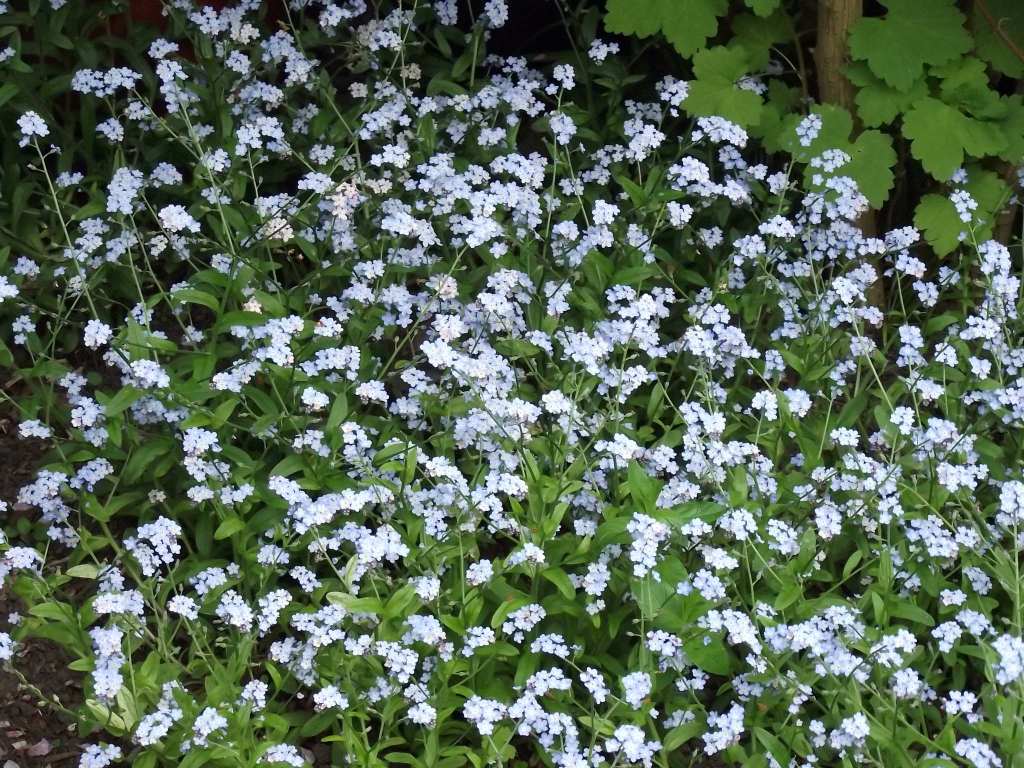
The forget-me-not is a plant well known to everyone, M.sylvatica (the woodland forget-me-not) is cultivated throughout the temperate world and has produced hundreds of cultivars, many of which are used in spring bedding. Although a short-lived perennial it will seed itself everywhere which makes it more of a permanent feature.
 A Plantsman's World