


More jottings from my old garden.
Prunus
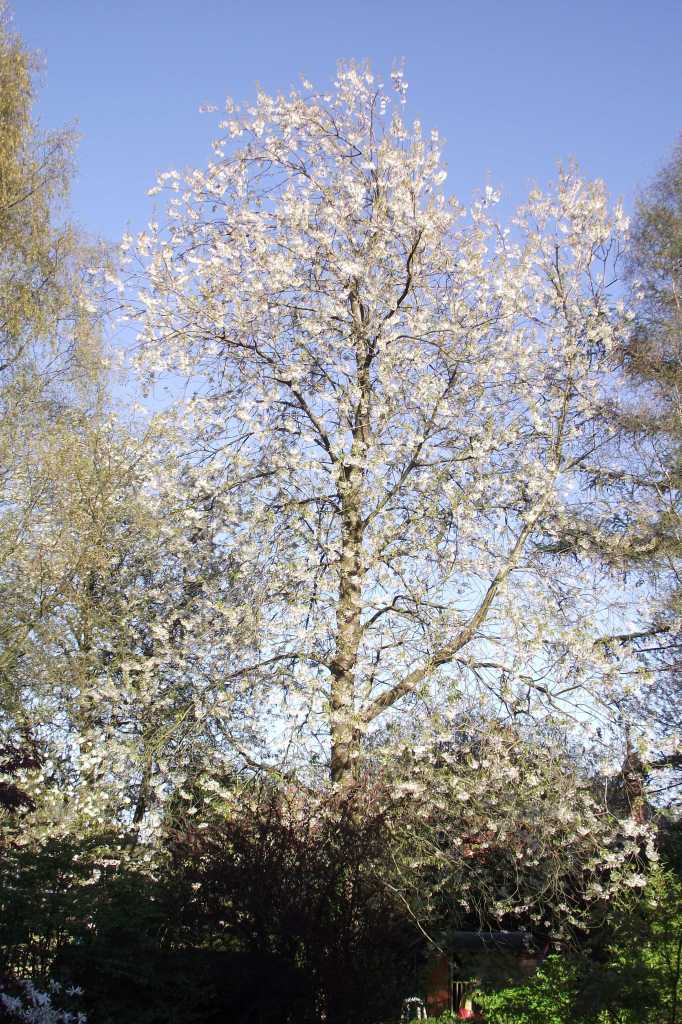
The wild cherry, just slipped this one in because I had one at the bottom of the garden. Unsurprisingly the avium comes from the fact it is generally propagated from seed deposited by our feathered friends.
Rhus


The stag’s horn sumach, is a bit of a curiosity, it only fruits on female plants although the male carries the flowers. It gets its name from the way the branches resemble a stag’s antlers also the stems carry a sort of brown velvety russet which is also reminiscent. A fairly undemanding, strong grower, it is easy to propagate as it produces plentiful suckers and can quickly turn into a thicket if allowed. The pictures could possibly be of Rhus typhina laciniata.
Ribes
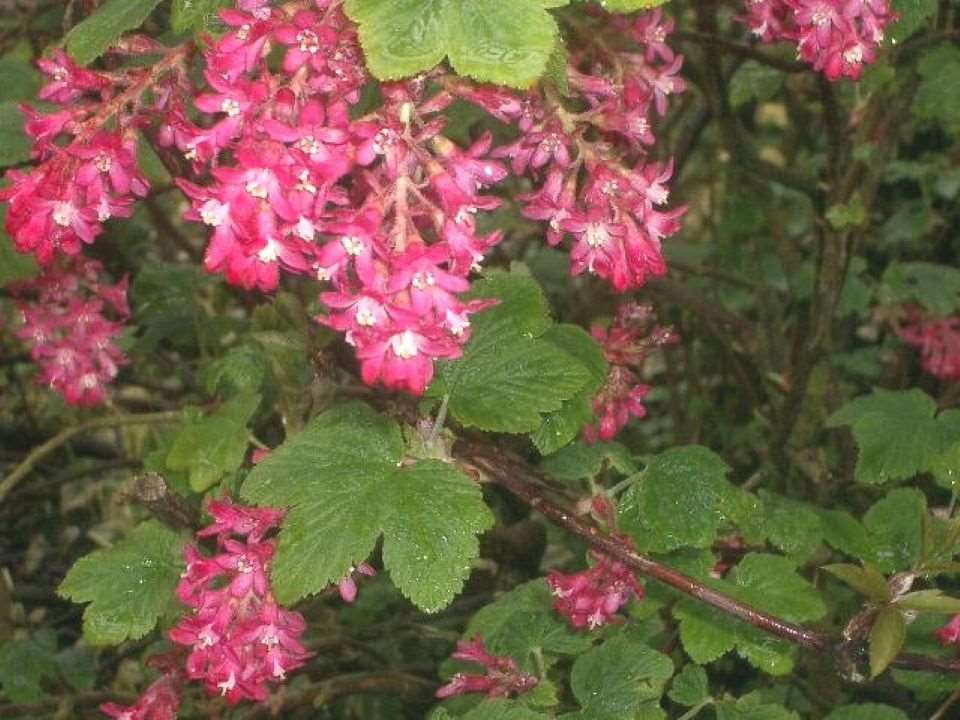

Flowering currants are one of those plants which belong to the era of when forsythia, philadelphus and ribes was just about all that was on offer. The flowers offered early nectar for bees and other insects but once flowered the actual shrub itself was hardly engaging for the rest of the year. Still has a place in the larger garden with some cultivars available, in particular an old favourite R.sanguineum ‘Kind Edward VII’. As you would expect the prevailing impression from the plant is the smell of currants.
Robinia

Known in the UK usually as the false acacia this tree is actually a legume even to the extent that the roots fixate nitrogen. I never really liked it, although the fresh leaves were attractive, it frequently carried areas of die back and a rather untidy form as can be seen in the photo’. In this case it did die completely one day so I had to tolerate it no further.
Rosa sericea subsp. omiensis f. pteracantha

This is real one-off, it was impossible to grow roses in my damp shaded garden without massive fungal problems but when I heard about this rose from parts of China and read an account of it growing in Nepal I had to have it! Grown for its spectacular thorned stems it had small nondescript white flowers followed by red hips of which unfortunately, I don’t have a picture, however the spectacular red stems and thorns make up for it.
Fallopia

The Russian vine or one time Russian glory vine, (syn. Polygonum baldschuanicum) was very popular for covering up unsightly structures until it was realised it could also cause untold damage to the structures and any shrubs and even trees in the vicinity. Superb when in flower but rather uninspiring for the rest of the year, definitely needs handling with care!
 A Plantsman's World