
Rhododendrons and Azaleas


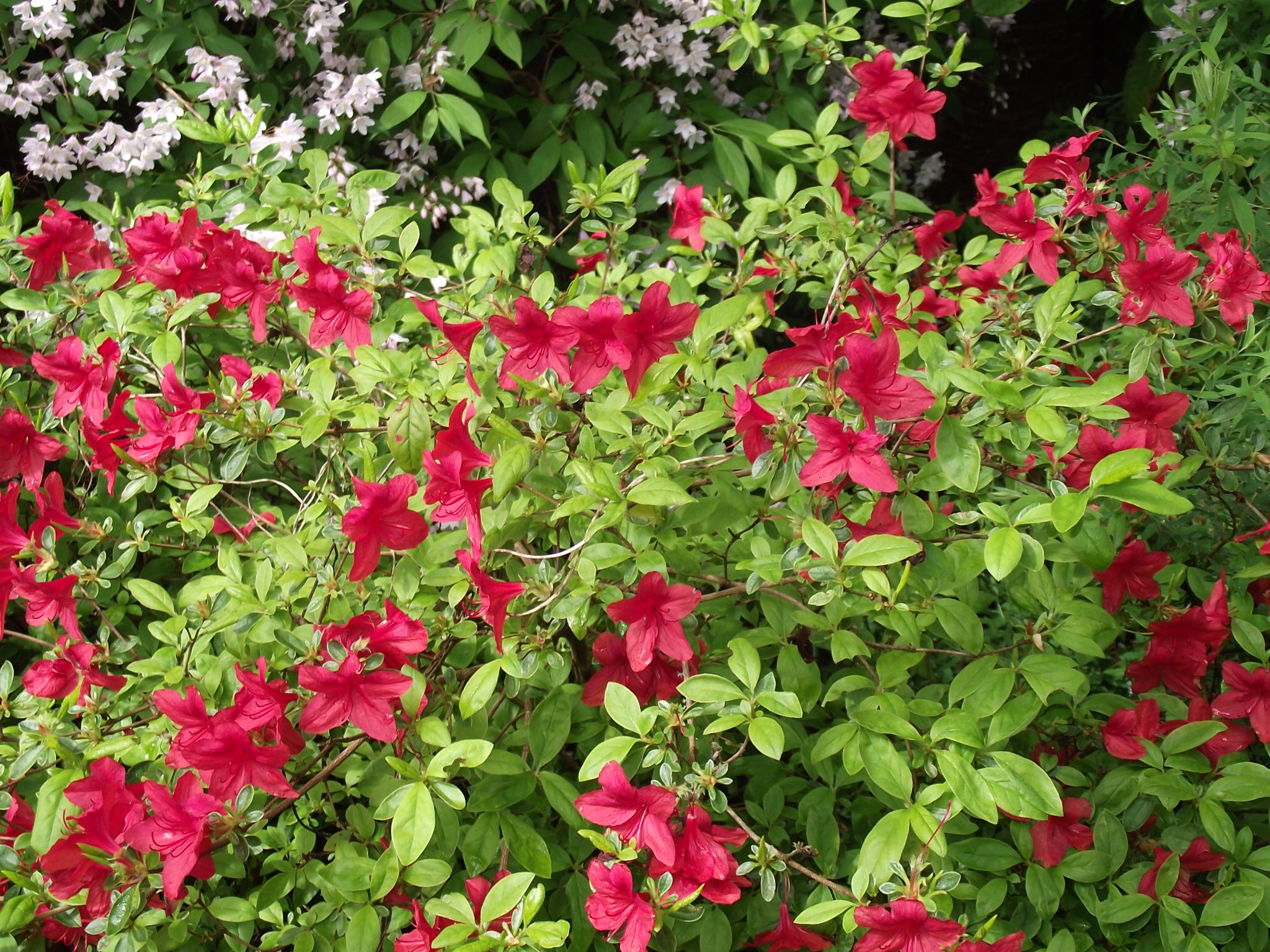
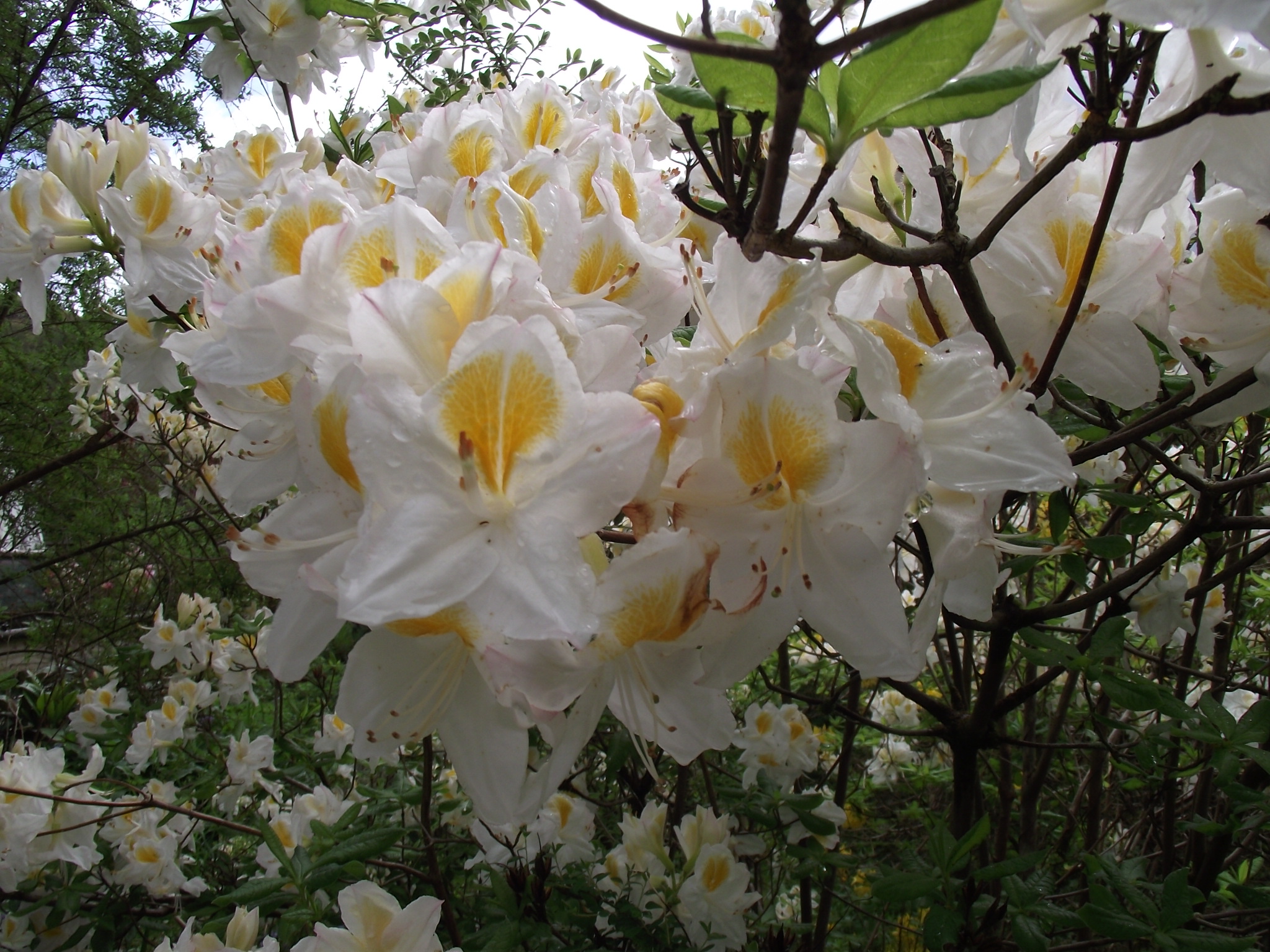

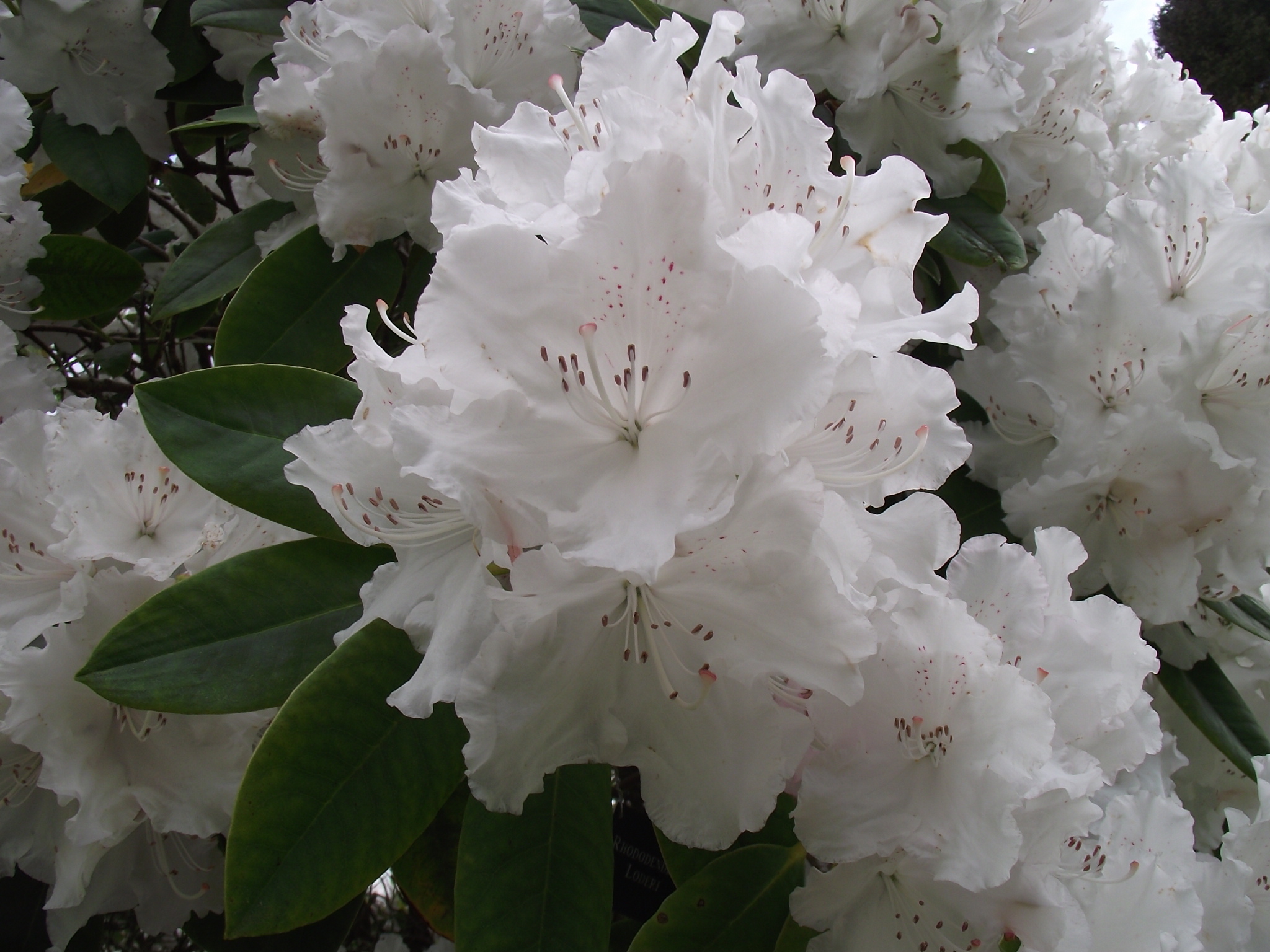


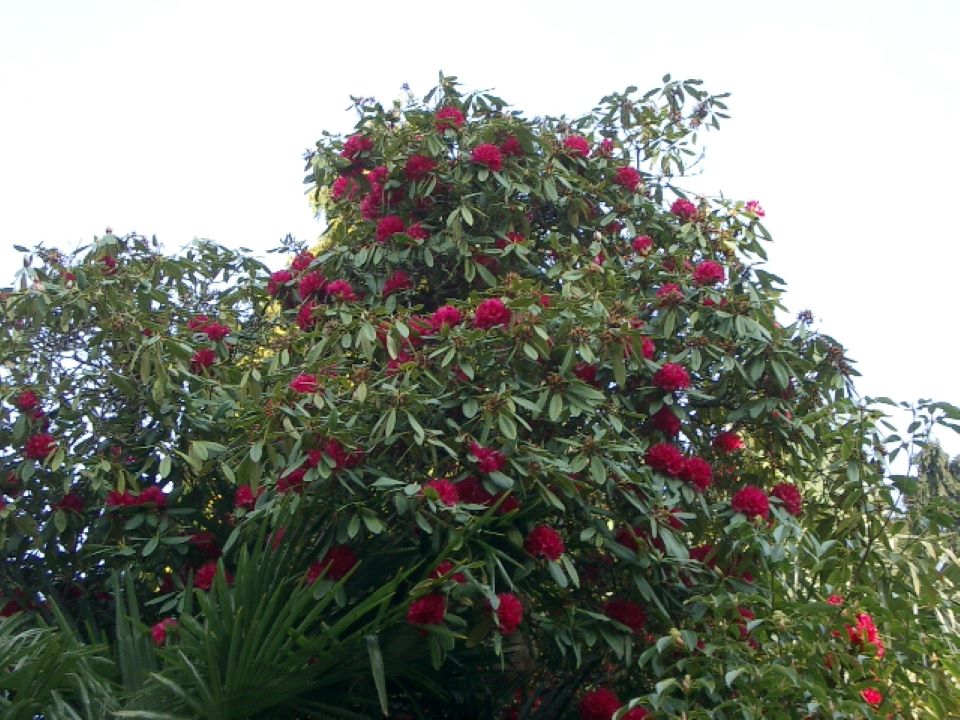
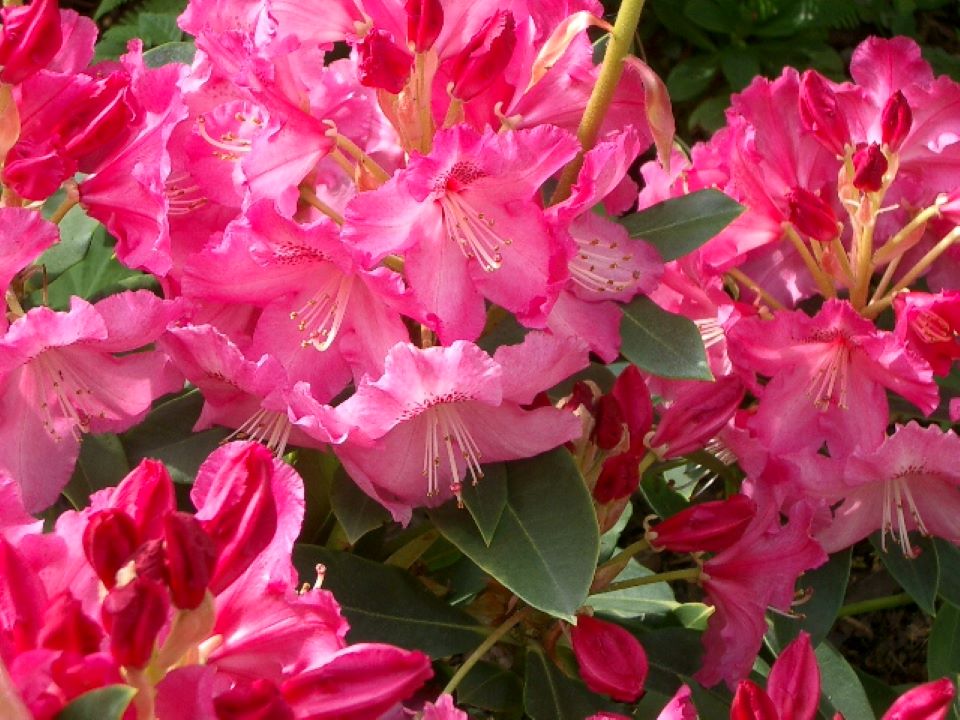
The pictures above are taken in my garden and a variety of botanical gardens that I have visited. Most rhododendron species are native to eastern Asia and the Himalayan region, but also occur in North America, Europe and Australia. Azaleas make up two sub-genera the deciduous hybrids, the best known being the Exbury Hybrids (Knaphill Hybrids) raised in the UK, and the evergreen shrubs or”Japanese Azaleas” which are often also grown as pot plants when they are sometimes known as Florist’s Azaleas. Generally speaking they are ericaceous plants and prefer an acidic, rich well drained soil to flourish, they are definitely lime intolerant and do poorly in alkaline conditions. A sight I have never seen, but I would imagine to be spectacular, are the rhododendron forests on the lower slopes of the Himalayas.

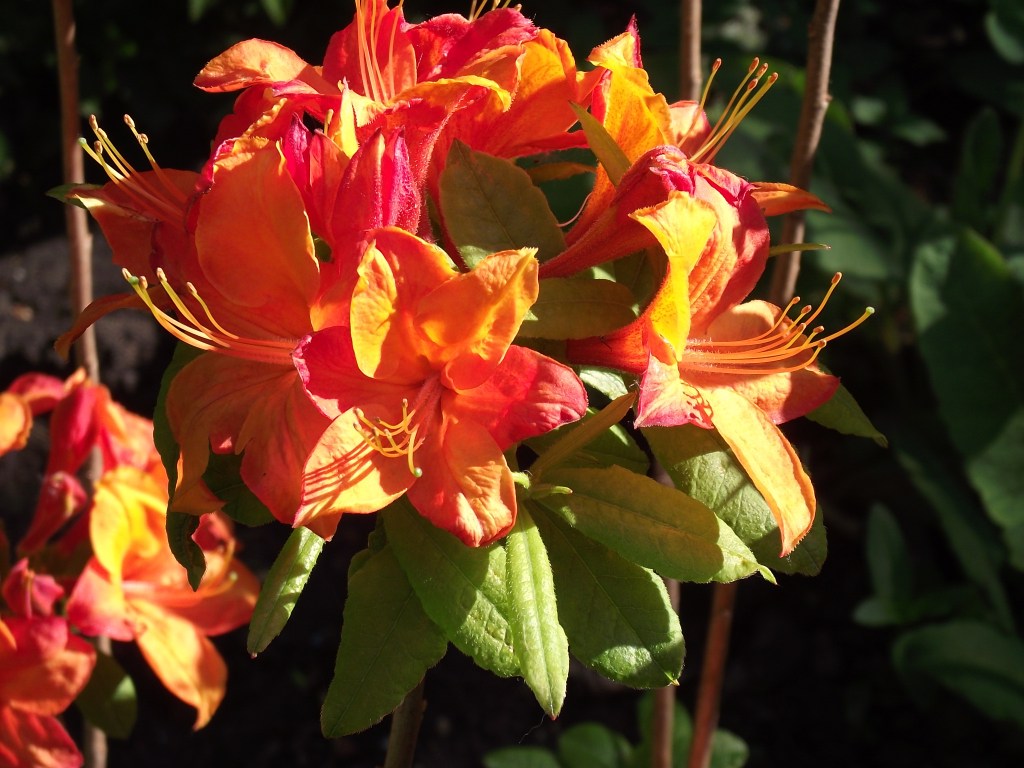

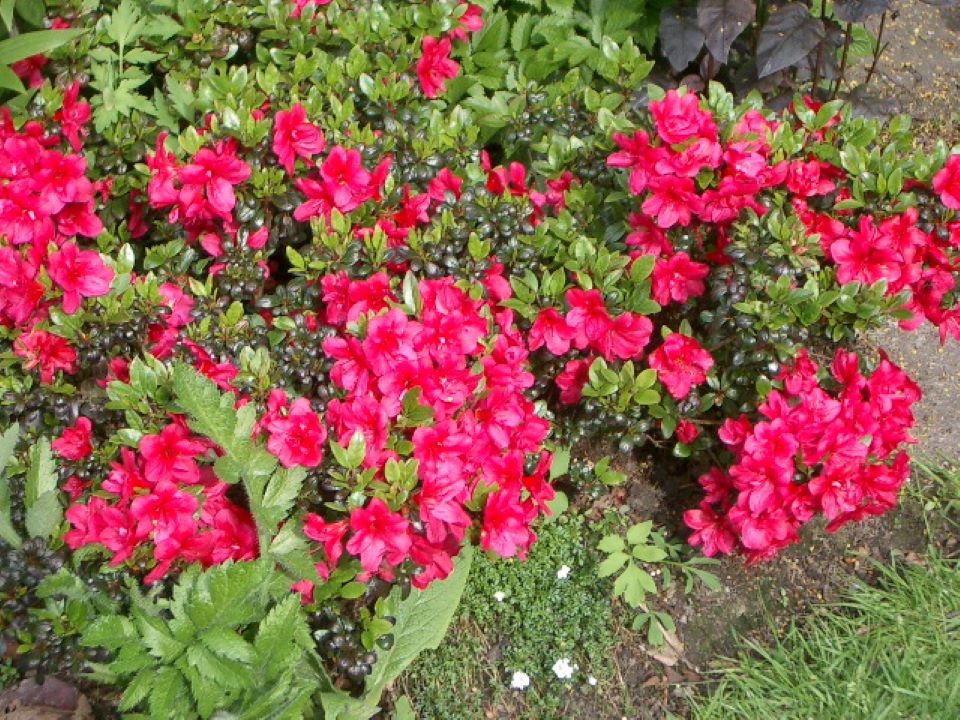


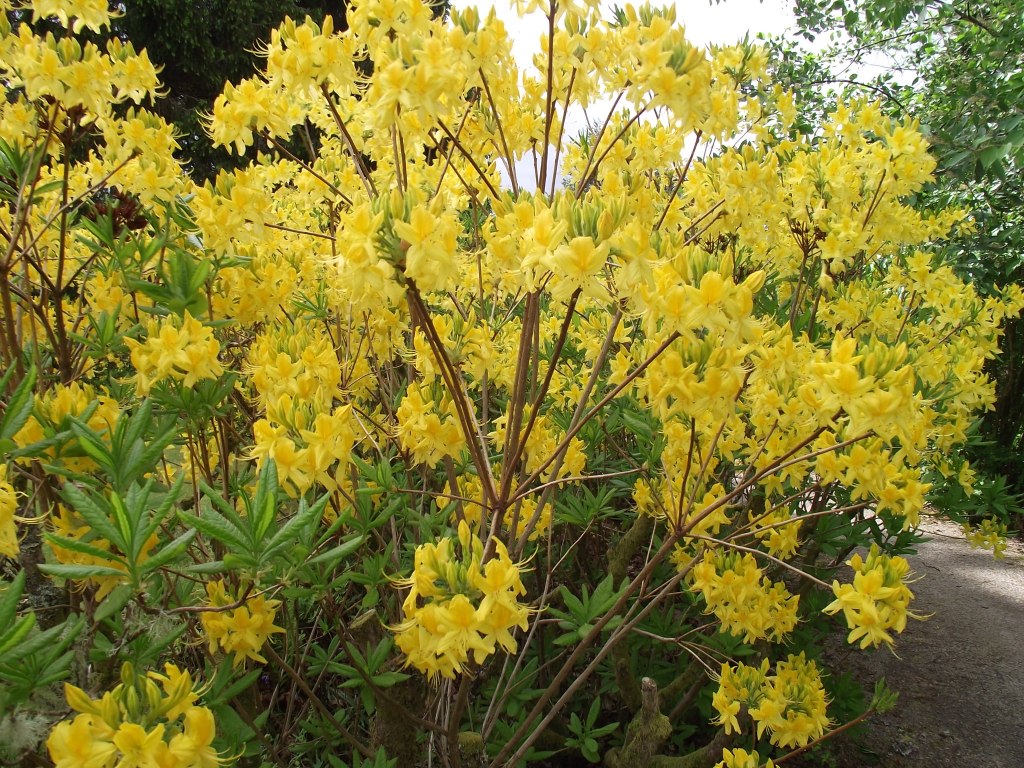
I have shown the generic name as Azalea, although strictly speaking it should be Rhododendron, to separate the thinner leaved subgenera from the plants that are usually known as rhododendrons. Azalea luteum is an outstanding plant in that it is highly scented and, although I have grown it, the picture was taken at a small gardens in Scotland, even though a bank of it was some distance from the garden entrance the scent was overwhelming as one arrived.


Indumentum is the quite attractive soft coating of brown hairs which is found on the underside of the leaf and sometimes on the young stems of some species of rhododendron, it can be far more pronounced on some rather than others and is completely natural…………
….……..however, a drastic solution:

At the side of the drive stood two large specimens of Rhododendron ponticum, probably the original specie and not the invasive hybrid that has resulted from the plant from the Iberian peninsula crossing with more cold tolerant species producing a hybrid capable of devastating a landscape and negatively altering the biodiversity.
Then along came:


Cushion scale is a sap sucking insect which unfortunately secretes honeydew, a sticky substance on which sooty mould thrives. The condition can affect not only rhododendrons but in my case camellias, skimmias and holly. Faced with the two large shrubs covered in mould, after spraying with a soap solution several times to no avail I decided to give them the chop. Drastic, maybe, but it is ponticum and has amazing powers of recovery, the following year there was plenty of new green shoots and in the second year it flowered. To remove the root mass was a job I didn’t want to contemplate so all in all a satisfactory conclusion.


 A Plantsman's World