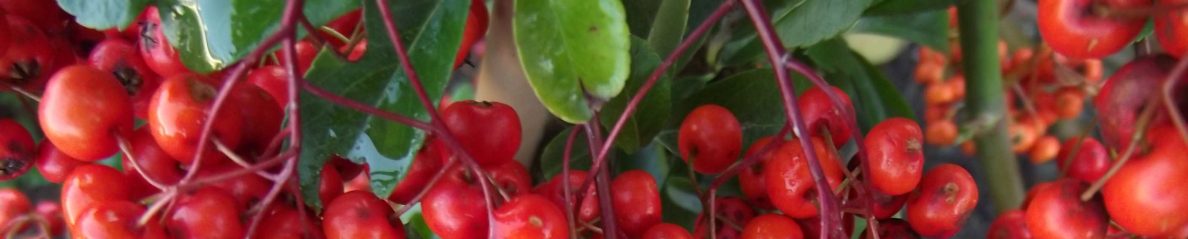
Six on Saturday 12/04/2025

The warmer weather continues but, much as I am enjoying it, I feel it has come far too early and would be welcome in about a month’s time as I have a feeling of trepidation about what is round the corner. Many plants are thrusting up new tender growth and I have already noticed some damage caused by the light overnight frosts and possibly the cold winds. We can’t put out bedding with confidence until the end of the third week in May. The local NT gardens don’t start planting until the second week of June, mind you, they have thousands of plants at risk. On the 2nd June 1975 snow stopped play in Buxton, only a few miles from me, between Derbyshire and Lancashire cricket clubs. Play was resumed the following day in beautiful sunshine and the following year, 1976, was one of the hottest summers on record. Buxton Cricket Club are celebrating the 25th anniversary with a special event this year. We gardeners are very much at the mercy of the weather, but spare a thought for the poor farmers and growers who have to make a living.

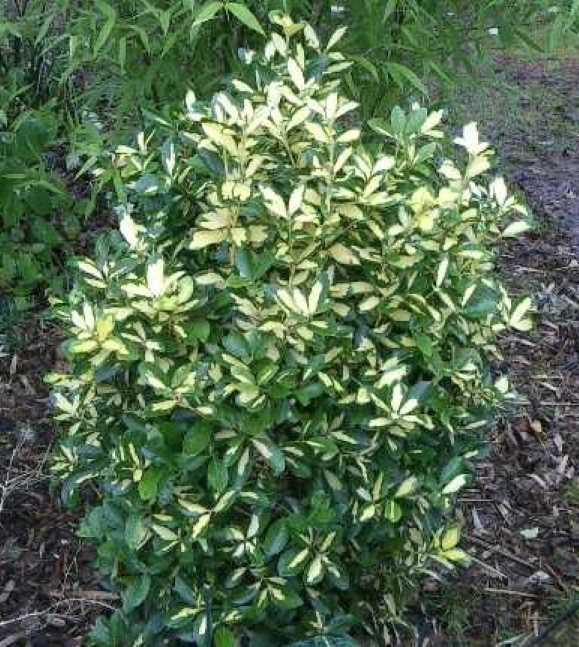
This is one of my favourite small shrubs, I look forward every year to the emergence of the colourful foliage. I had one in my last garden which was quite a bit larger, it could be that the drier, less fertile soil this one is in is limiting its growth, but I think it’s a little gem nevertheless.
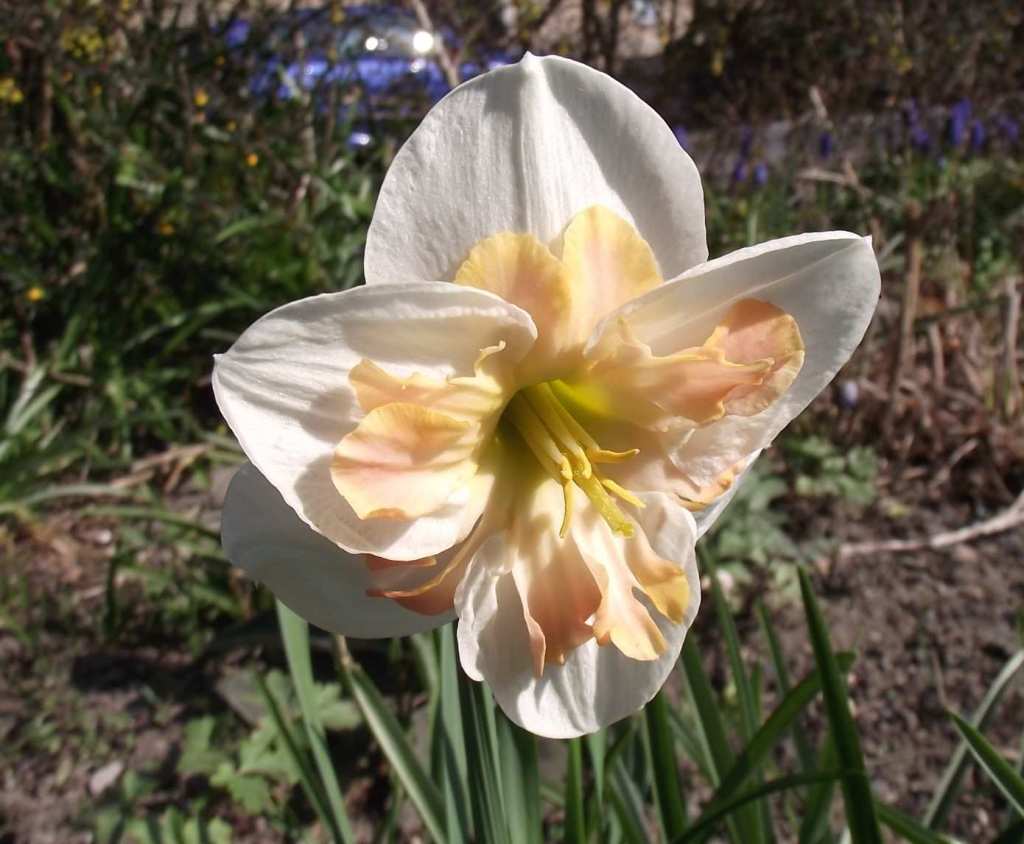
One of the remaining two flowers this year from a clump I planted about four years ago. I never seem to get longevity from my bulbs, tulips I can understand, as they need a good baking during the summer, but daffodils I tend to plant and forget about so probably my fault.

I used to grow numerous meconopsis as they are one of my favourite genera. This year is the first in my new garden that I am hoping to get some decent flowers. Crarae can only be raised vegetatively and I have never grown it before so fingers crossed! Crarae was raised at Crarae Gardens, Argyle, Scotland. If you are interested in meconopsis you might like to visit my page.
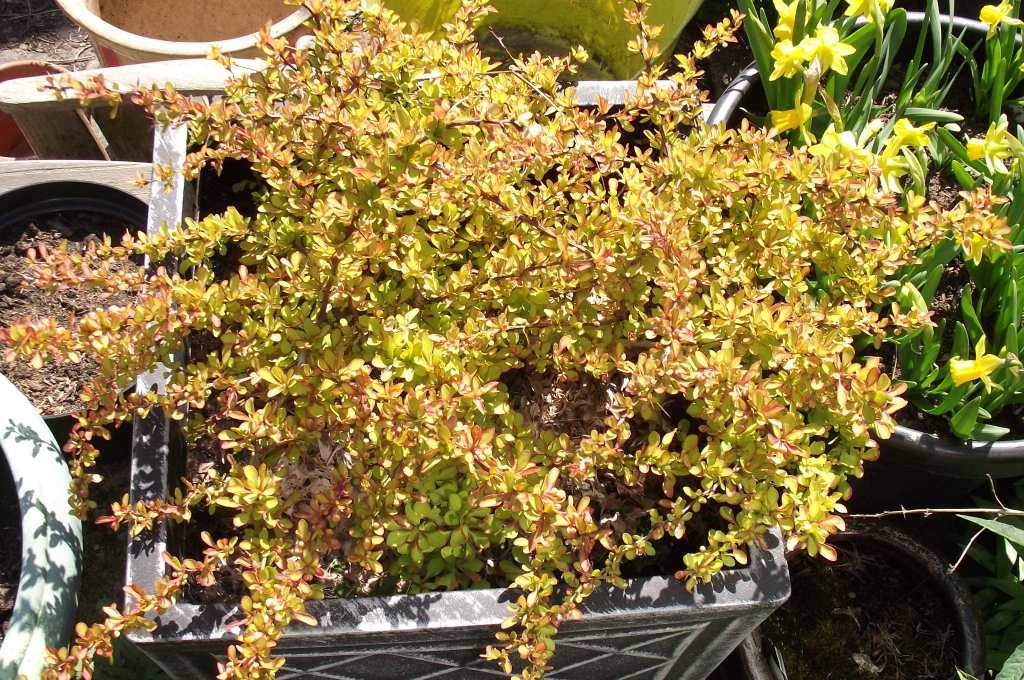
This berberis is another welcome splash of spring colour, it loses its reddish tinge as the year progresses. Like most berberis, it thrives here taking anything that the weather can throw at it.
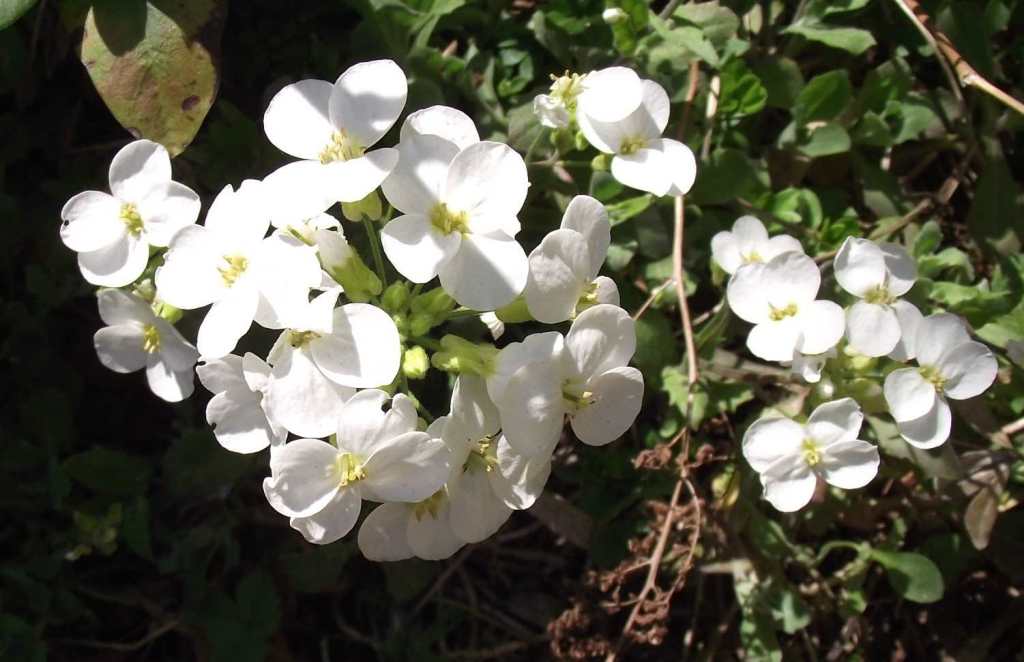
I grew the common or garden Rock Cress, or at least an improved form of it, from seed. It makes a useful early splash of white every year.
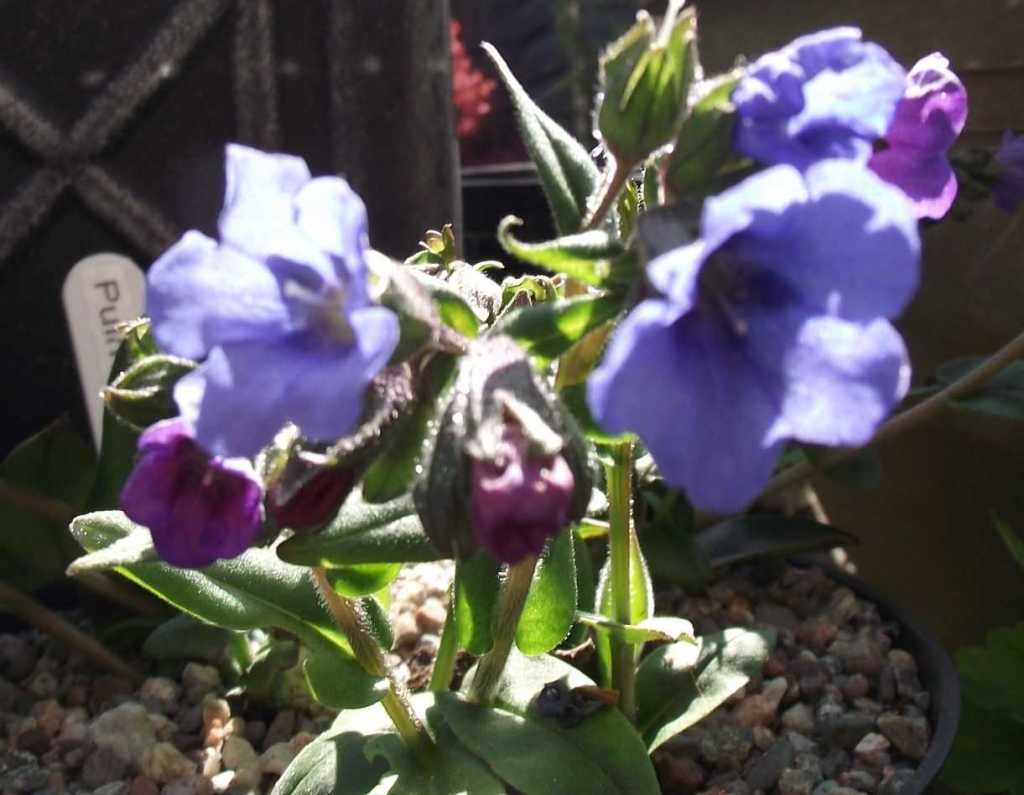
Currently growing in a pot until I find somewhere to put it, I bought this pulmonaria as a bare-root plant which is why it is flowering slightly later than normal. I have taken a real liking to pulmonarias over the last few years, as there are so many cultivars now, and can’t wait to increase my collection.

This meme is hosted by Jim Stevens who is to be found with all the details and links to plenty of other blogs to enjoy at Garden Ruminations.

Trees,climbers,shrubs and other random plants. (Part 9)

Further pictures and jottings from the archives.

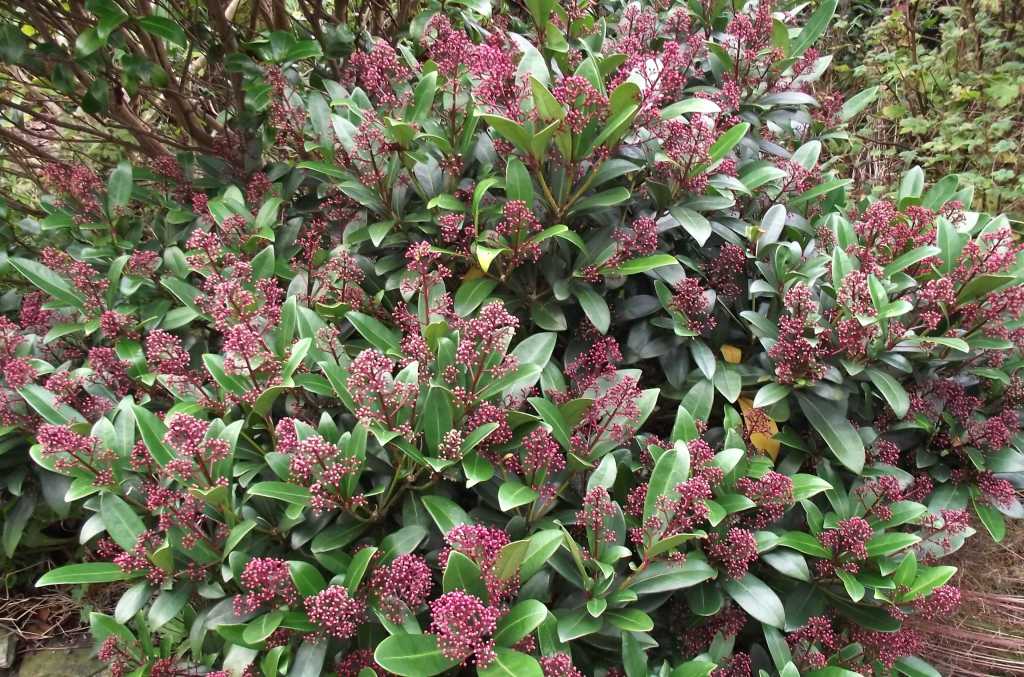
Skimmia

Small evergreen shrubs, very popular with garden centres as they carry their coloured buds through the winter and flower in the spring making an attractive package for containers. Like many similar shrubs a cool root run in acid soil is best in dappled shade. Although they will look good for one season in a container there is absolutely no substitute for a position in a suitable border.

Sophora

Not a very impressive picture, Sophora microphylla ‘Sun King’ is a large shrub which flowers through winter into spring, definitely for a well drained sheltered spot in full sun. My specimen never really attained its potential as it just wasn’t in the right spot.

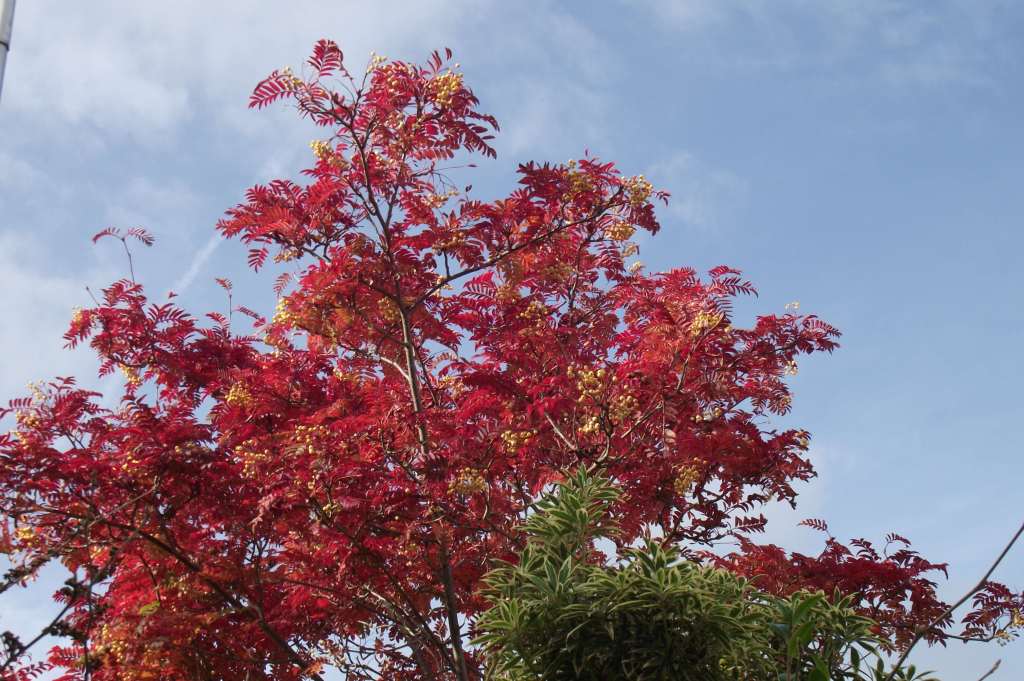
Sorbus (Rowan)

Rowans are my favourite medium sized trees for the smaller garden, in fact my favourite trees altogether so I was doubly blessed as ‘Joseph Rock’ is my favourite rowan. Also known as the mountain-ash, the rowan is steeped in both Nordic and Celtic folklore and figures in local superstition to this day. Sorbus is distributed throughout the northern hemisphere and into N.Africa and can be found growing in most soils and even out of mountain crevices it is also pollution tolerant. Although Joseph Rock has yellow/white berries, red is the more common colour by far, it’s just that I am rather partial to the contrast between the berries and the red autumn foliage colour. What more can I say about this rewarding member of the rose family?!

Spiraea

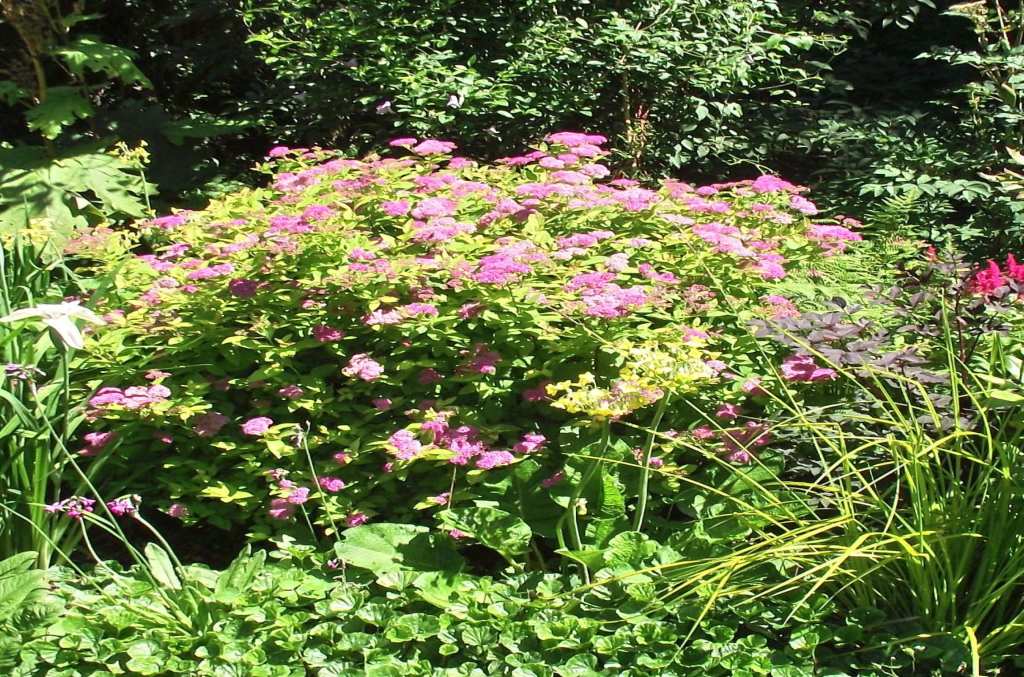
Another one of those sources of confusion between the botanical and common names arises here, many people will think of the attractive plumes of the spirea growing in the damp areas of the garden but, in fact, they are astilbes botanically not spiraeas. Spiraeas are a genus of deciduous leaved shrubs which are members of the rose family and found throughout the northern hemisphere in most soil types. Spiraea japonica ‘Golden Princess’ is an outstanding plant which I found many years ago. I believe that it evolved as a naturally occurring cross, basically nature doing its own thing. The plant I have now, is nowhere near as robust as the original and I am almost tempted to think that there is some sort of reversion going on or perhaps I should try it in another spot.

Syringia

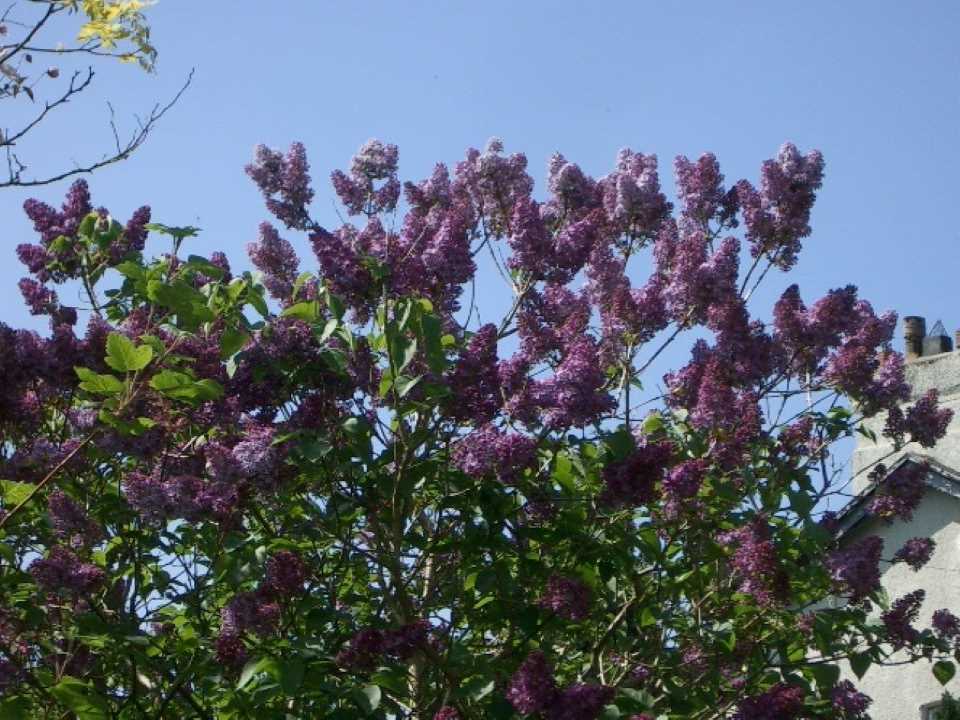
The wild or common lilac is the plant from which all modern cultivars have been bred. Easy to grow, a common sight for as long as I can remember, the heavily scented purple flowers were very popular with other than my superstitious mum who wouldn’t have them in the house. I first remember a white flowered variety appearing but now there are all sorts of variations ranging from reds, doubles (French lilac) and patio plants as the breeders have developed them for the domestic market. Despite this I still regard them as a one trick pony, aside from the scented flowers, and I have to say the scent is really something, the rest of the year the shrub itself is rather uninspiring.

Viburnum

Viburnum plicatum f. tomentosum ‘Mariesii’

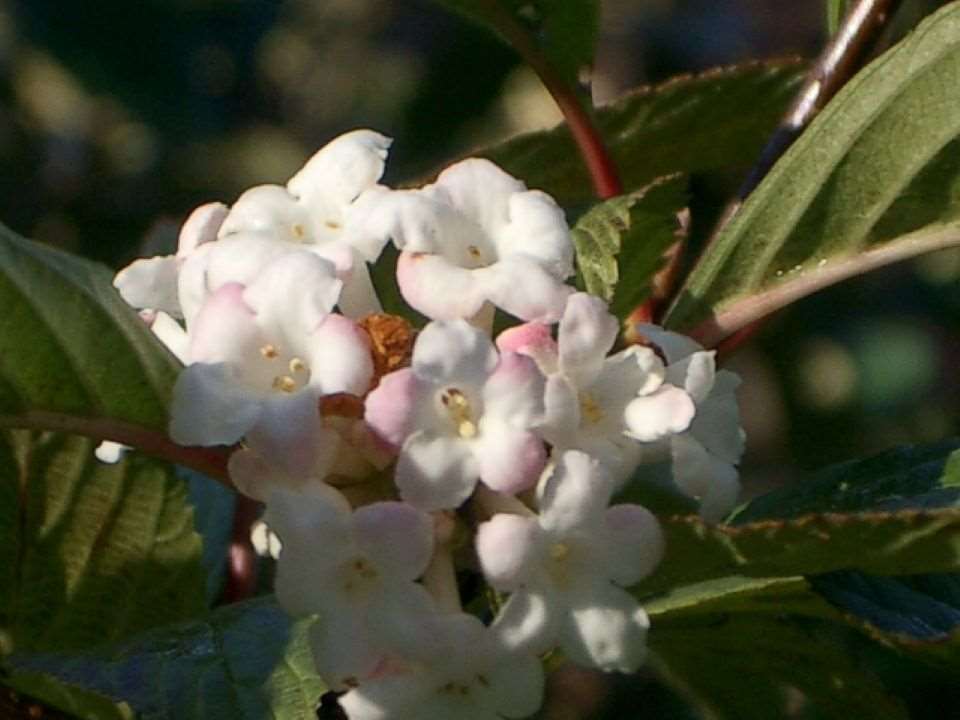
There is only one thing I can criticise with V.plicatum and that is it isn’t evergreen, nevertheless it still ranks as my all-time favourite shrub. Mine also had the advantage of being adjacent to a similar size specimen of Berberis thunbergii f. atropurpurea which was a perfect foil. The tiered branches of V.plicatum give it a pyramid shape, covered by a profusion of white flowers followed by red/black berries, what’s not to like? Although V.plicatum is not an evergreen in some ways it is perhaps a blessing as another species the evergreen V.tinus is very susceptible to Viburnum beetle attack which can severely damage the appearance of the plant, and being an evergreen, is much more difficult to rectify. Another fine viburnum is Viburnum x bodnantse ‘Dawn’, the original plant was bred at Bodnant Gardens in North Wales, the improved cultivar ‘Dawn’ being developed later. This remarkable plant flowers on bare wood anytime throughout the winter emitting a powerful sweet scent, which is why it is often recommended to plant near to the house to take advantage. Viburnum rhytidophyllum is a bold architectural plant but unfortunately I found the foliage interesting but a bit too coarse for my taste so I did actually uproot it, probably better off in a much bigger garden. Overall the Viburnum genus has provided me with two remarkable but totally diverse specimens. (Viburnum tinus photo’ taken in local park.)