
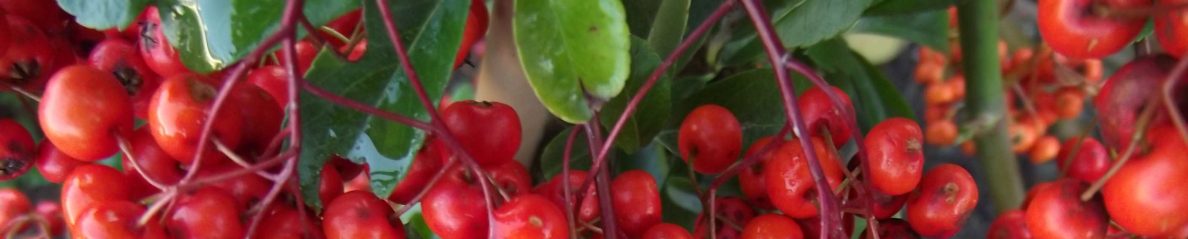
The heavy rain seems to have died down and temperatures have risen again. We are promised some thunderstorms in the near future, so we will have to wait and see what is in store for us.
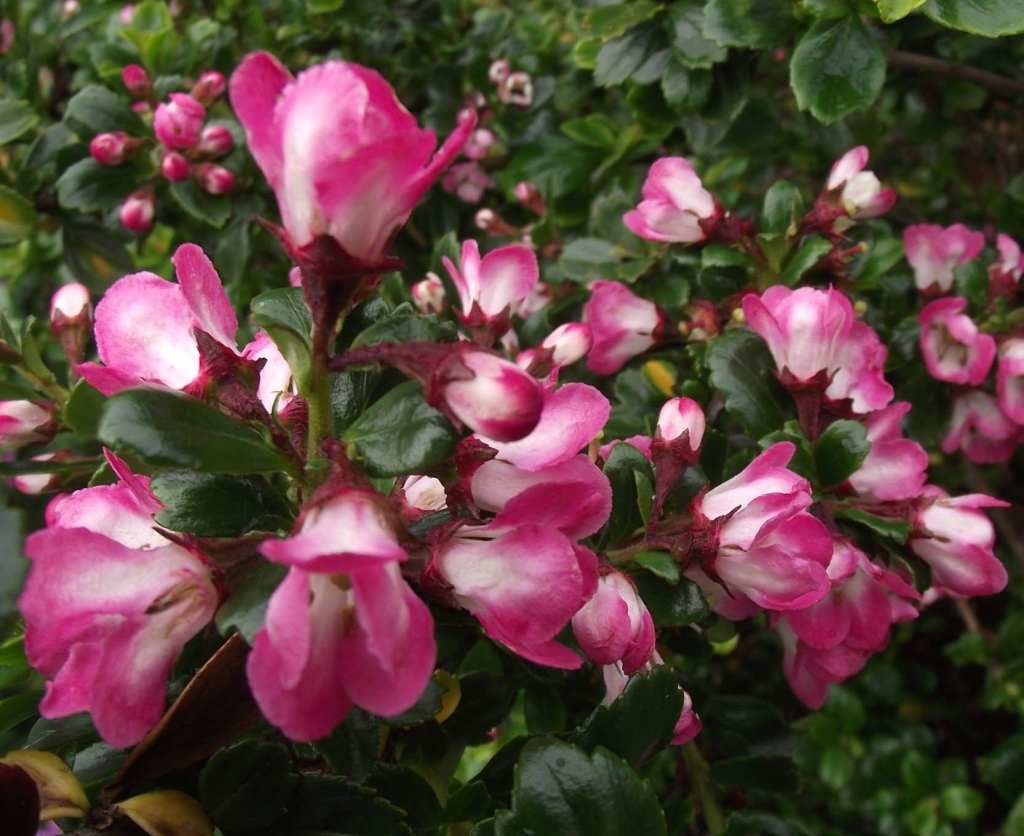
Although escallonias don’t seem to be as popular as they used to be, this one is so aptly named. The dark green, evergreen foliage makes an excellent foil for those plants in front of it.
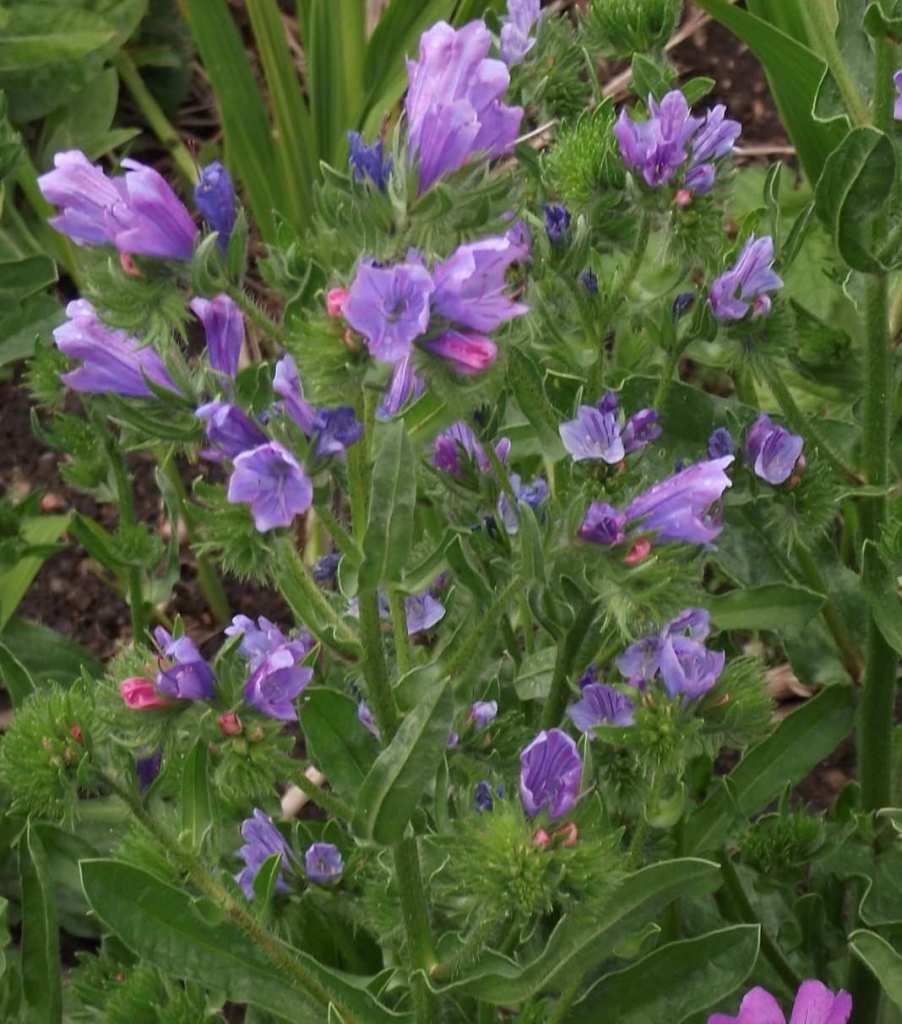
The common viper’s bugloss (Echium vulgare) is a native flower, which I first saw in a garden when I was in my early teens. We had neighbours who had returned from India after serving in the British Raj, which we youngsters found fascinating. Charles was a keen amateur astronomer and my father and I spent a few nights with him gazing at the stars. His wife Effie (Euphemia) was a very keen gardener and an archetypical, indomitable Victorian lady who did much to encourage me in the ways of gardening. One of her favourites was viper’s bugloss, which I have grown in her memory ever since. Echium plantagineum, the purple viper’s bugloss, actually comes from warmer climes, but it is flowering from a February cold sowing.
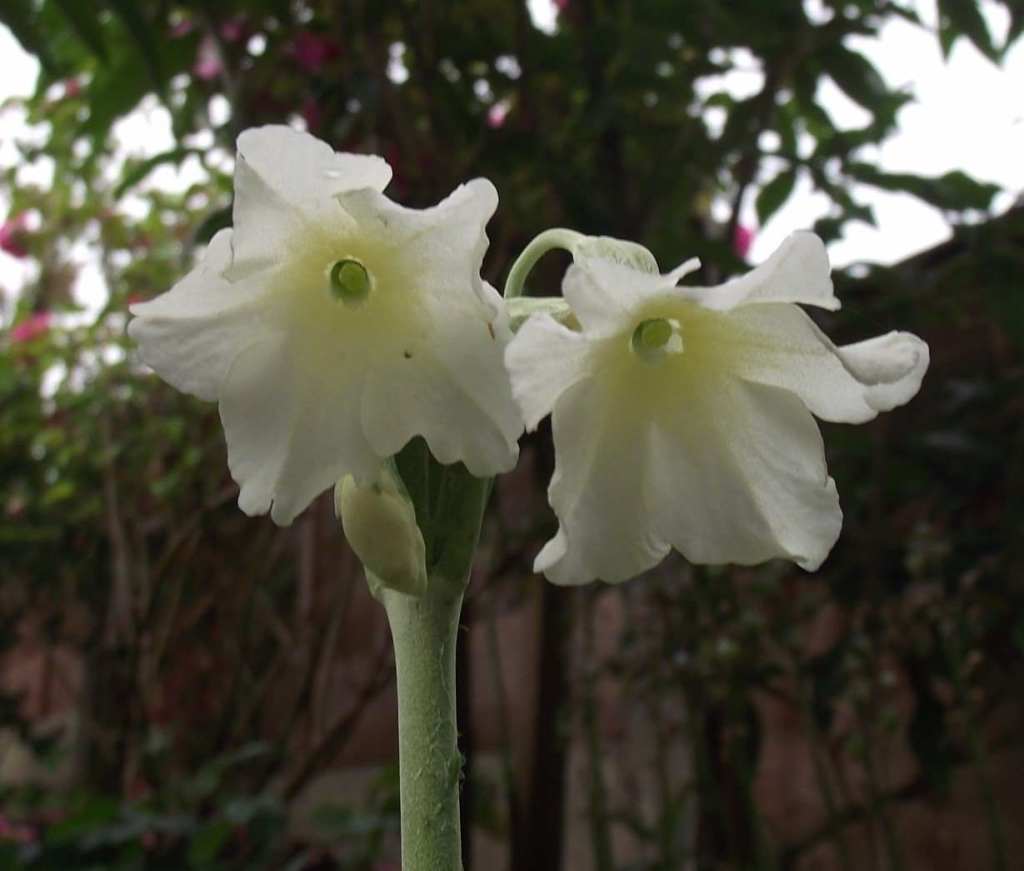

Primula alpicola the moonlight primrose is another little beauty for a damp spot.
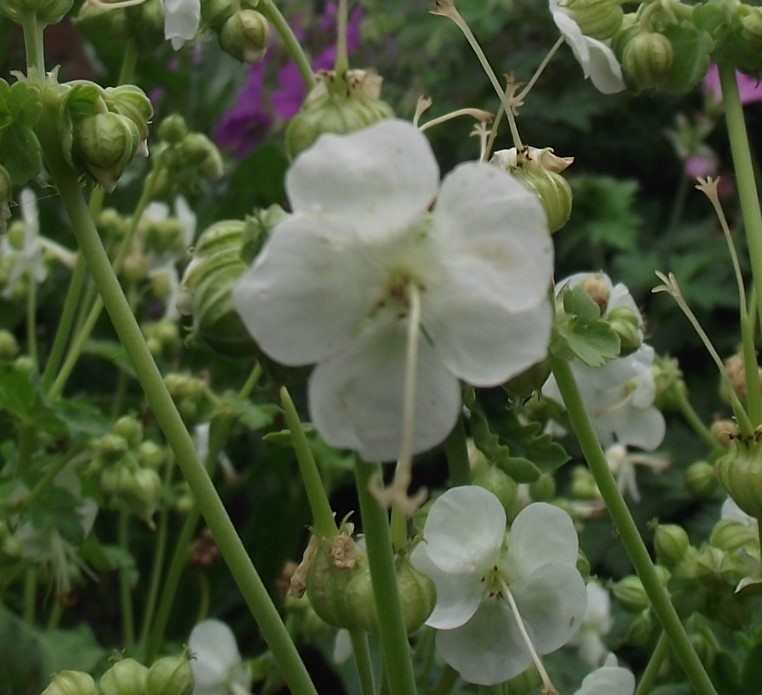

This geranium seems to grow in the poorest of conditions providing excellent ground-cover. Definitely a bee magnate!
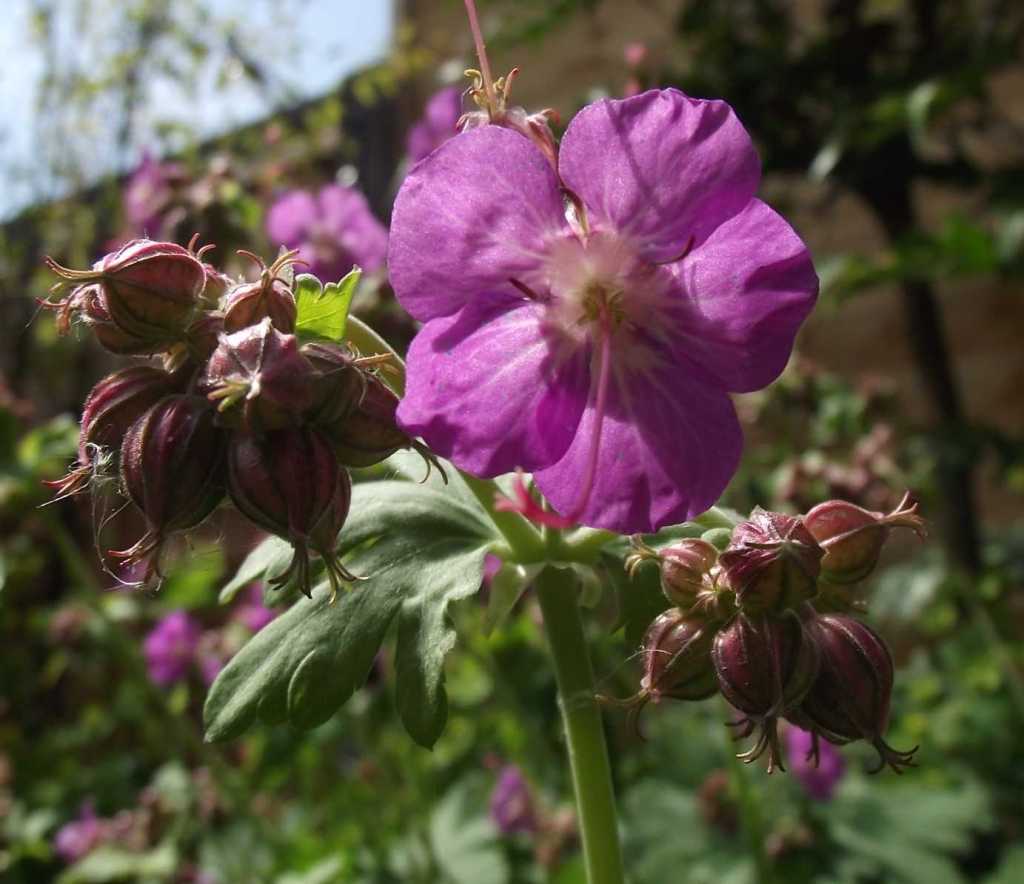

Grows virtually anywhere, autumn tints to the leaves, aromatic foliage, bee magnate. What more could anyone want?! Geranium macrorrhizum ‘Bevan’s Variety’ is very similar, in fact, to be honest, I can’t tell them apart.
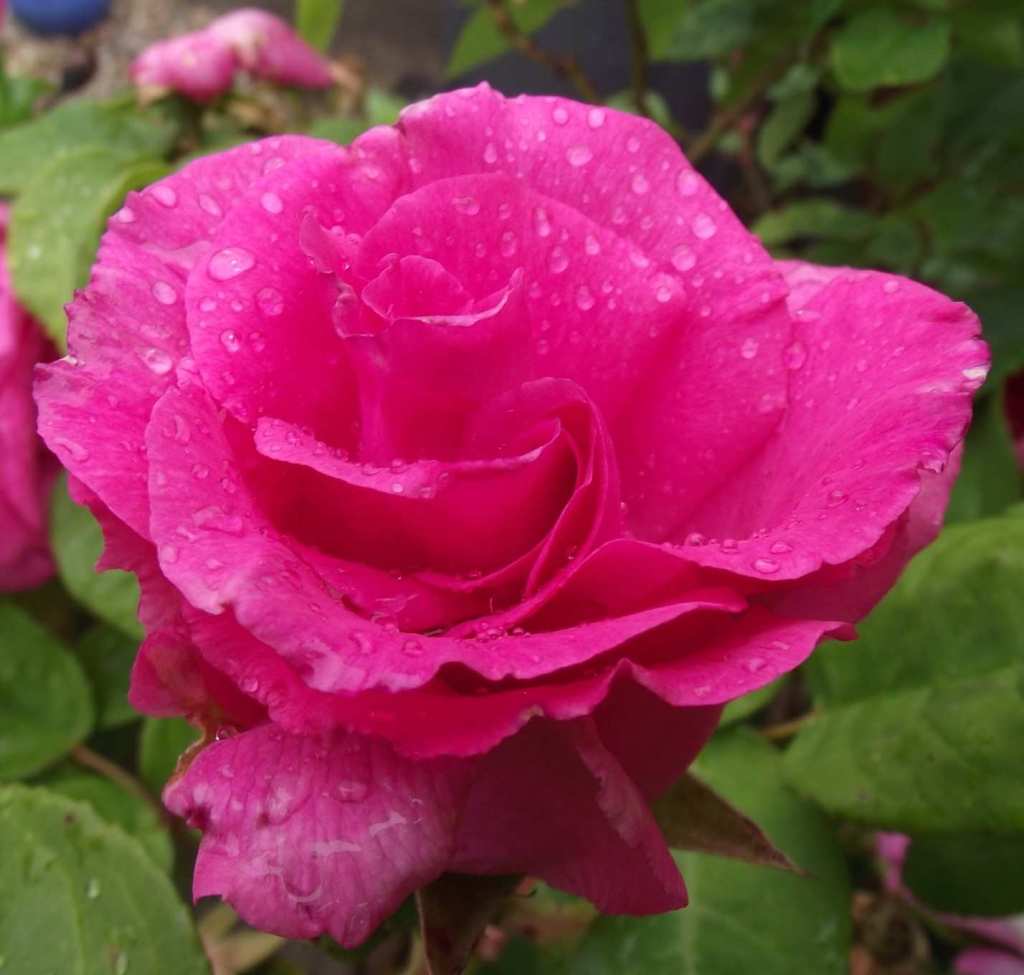
Finally a rose. I am really happy to be able to grow roses here, although I have limited them to the climbers and ramblers. I love ‘Zéphirine Drouhin’, it is the only rose that I managed to grow in my previous, shady, damp garden.
This meme is hosted by Jim Stevens who is to be found with all the details and links to plenty of other blogs to enjoy at Garden Ruminations.



 A Plantsman's World