
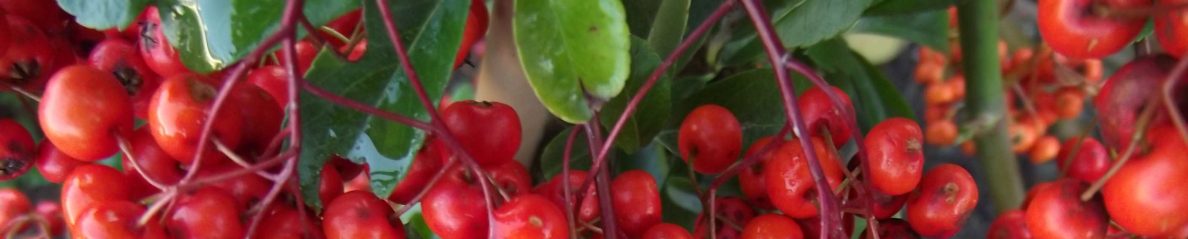
Continuing the saga of plants I have grown and photographed along with a few scribbles.

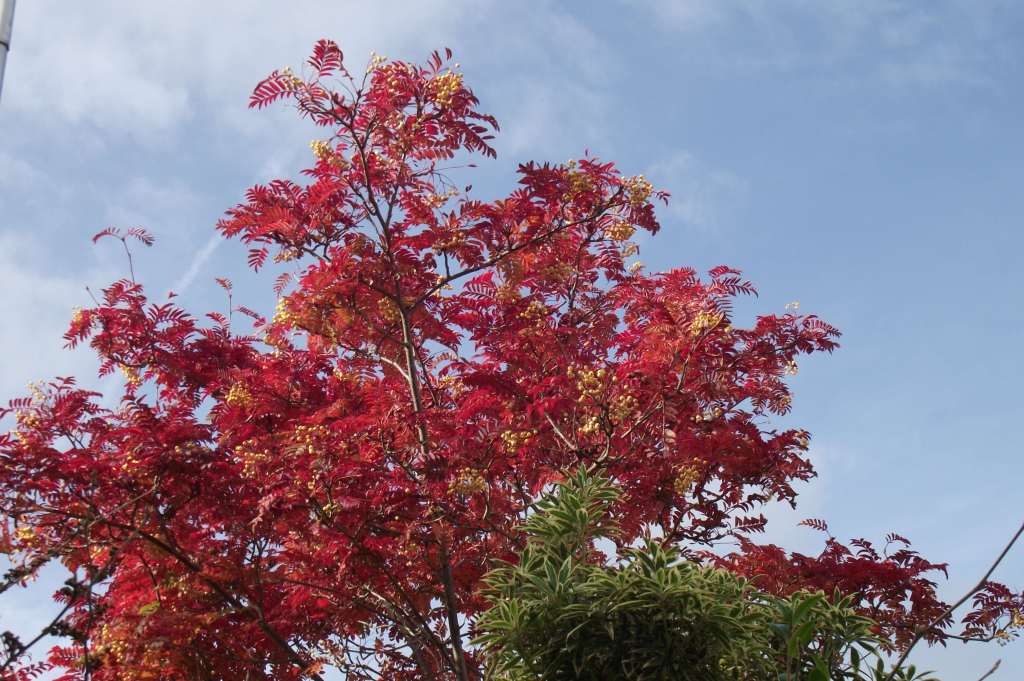
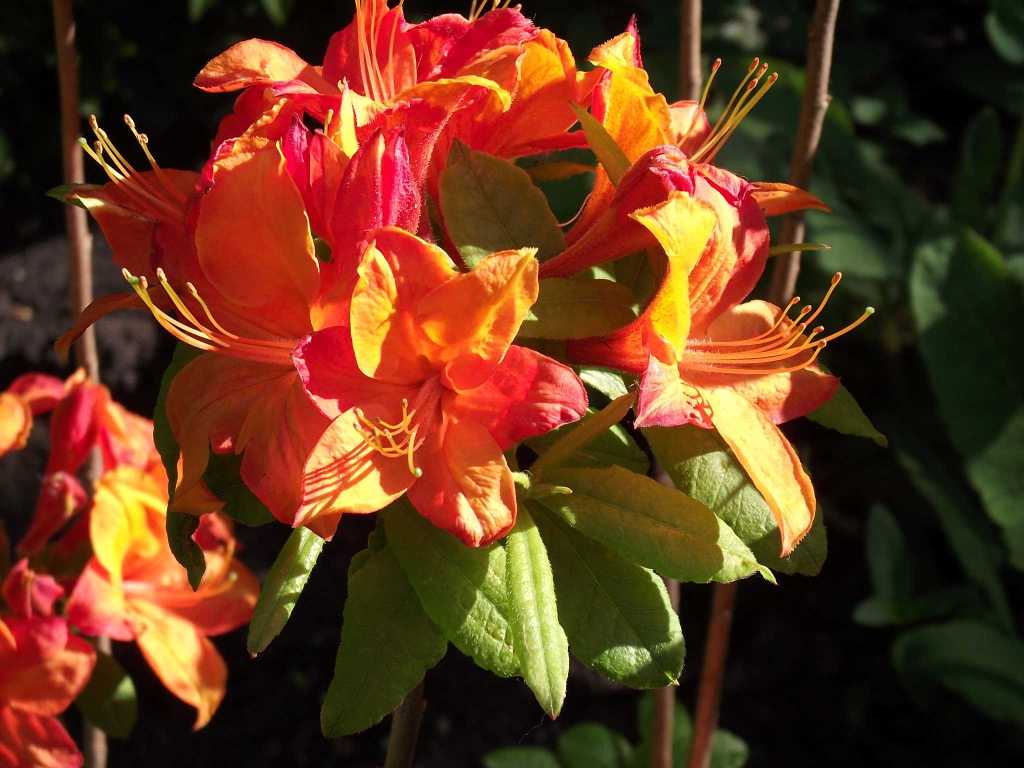
Mahonia
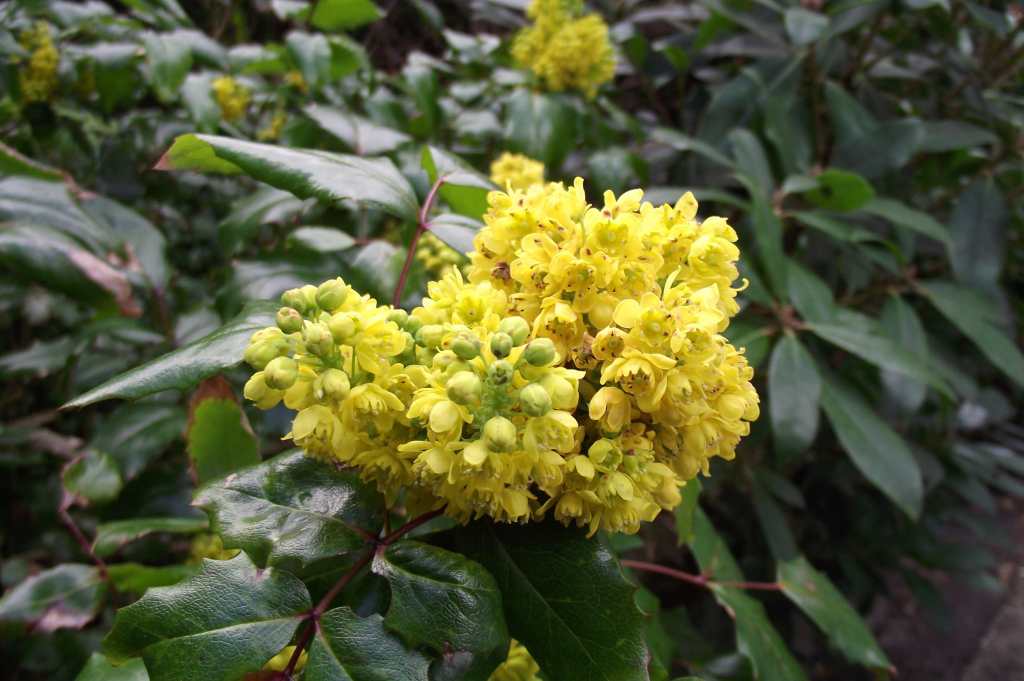


The mahonias are closely allied to berberis and as such the nomenclature can get a little confused with the generic name getting interchanged. Mahonia aquifolium, the Oregon grape, incidently the state flower, is generally a low growing (one metre) high spreading bush which is ideal for under-planting larger trees and shrubs, although stand-alone specimens in the wild grow to several metres. The flowers are followed by dark berries which are attractive to birds. I find the biggest problem is the evergreen foliage can become scrappy which detracts from the appearance so a heavy prune once in a while regenerates the growth. Mahonia japonica originates from Taiwan and it and its cultivars are now widely grown. These are very strong growing shrubs and like M.aquifolium benefit from a heavy prune from time to time. Although M.japonica is often classed as winter flowering I have known it in flower anytime from September to April depending on the prevailing weather conditions. Mainly in the spring, the yellow flowers attract blue-tits who just love to strip them. Do not go hand-weeding within a country mile of a large mahonia without wearing heavy gloves, the spines on the dead leaves in the leaf litter really hurt.
Parthenocissus

The Virginia creeper, as its name would imply, is an American native which is a useful deciduous climber for covering unsightly walls, out-buildings etc. because it attaches to the masonry by sucker pads and does not penetrate the fabric. The roots however, are a different matter, and can prove detrimental to such as old foundations but probably only on a par with others of a similar ilk. The flowers are insignificant, the foliage being the principal attraction, the berries that appear later are a good food source for the birds but are deadly poisonous to humans.
Passiflora
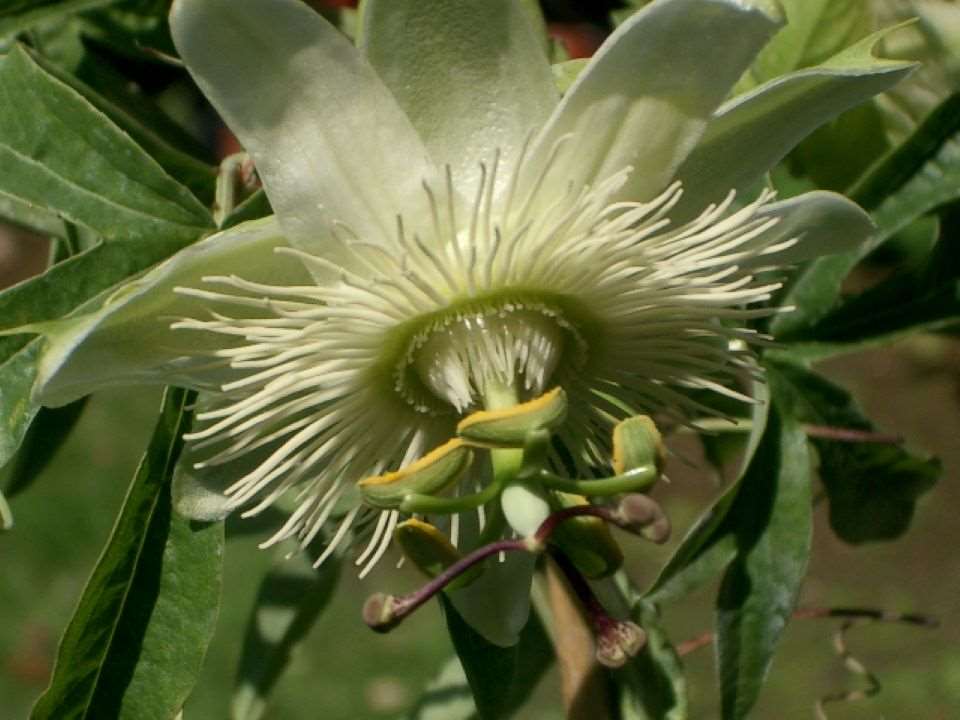
Sixty plus years ago the Passion Flower was a rarity but I was told about it as a child because of the Christian symbolism attached to the flower, it was also regarded as a subject for a cool greenhouse at best. Today there are only a few cultivars and ‘Constance Elliot’ AGM is probably the best known. What was once a talking point is now to be commonly found rampaging over fences and walls in in many urban gardens. The fruit is edible but by all reports rather insipid, I’ll leave it that.
Anemanthele lessoniana (Pheasant Grass)

This one appears under the all-inclusive banner of “other random plants” and because I forgot to include it earlier. I really like this grass, although I am not a big fan of grasses overall. Grown from seed, planted in containers, maybe it’s because I have not grown many grasses, but to actually see a group of these with the sun behind them is indeed impressive. Easy to grow but will seed around. (syn. Stipa arundinacea apparently.)
Philadelphus

Philadelphus, the mock orange, is another shrub, along with the likes of forsythia, which was among the limited choice we had back in the 1960’s and 70’s. The fact that it was deciduous and did not make a particularly attractive bush was offset by its pure white flowers and powerful scent over its short flowering period at the time. Today the plant breeders have developed many cultivars ranging from patio-size bushes to double flowered specimens, nevertheless it remains a tough hardy plant.
Pieris
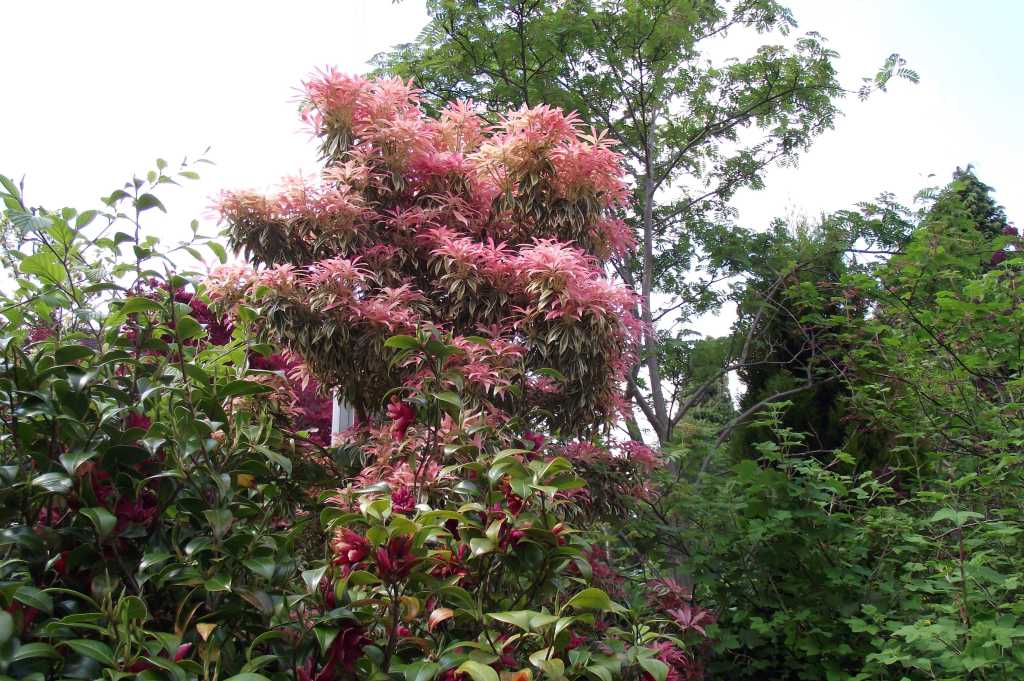
There are generally two species and their cultivars grown as ornamental shrubs in the UK. P. ‘Forest Flame’ is a typical cultivar of P.floribunda from the US and the other is P. japonica from Japan and Taiwan. P.floribunda types are the ones which have the red/pink new growth which frequently is hit by frost in exposed areas, whereas P.japonica has striking and often variegated leaves. Both have bunches of lily of the valley-like flowers in white or sometimes pink. They are both toxic to animals and humans although I believe P.japonica to be extremely so.

Pieris inundated with sooty mould.
 A Plantsman's World
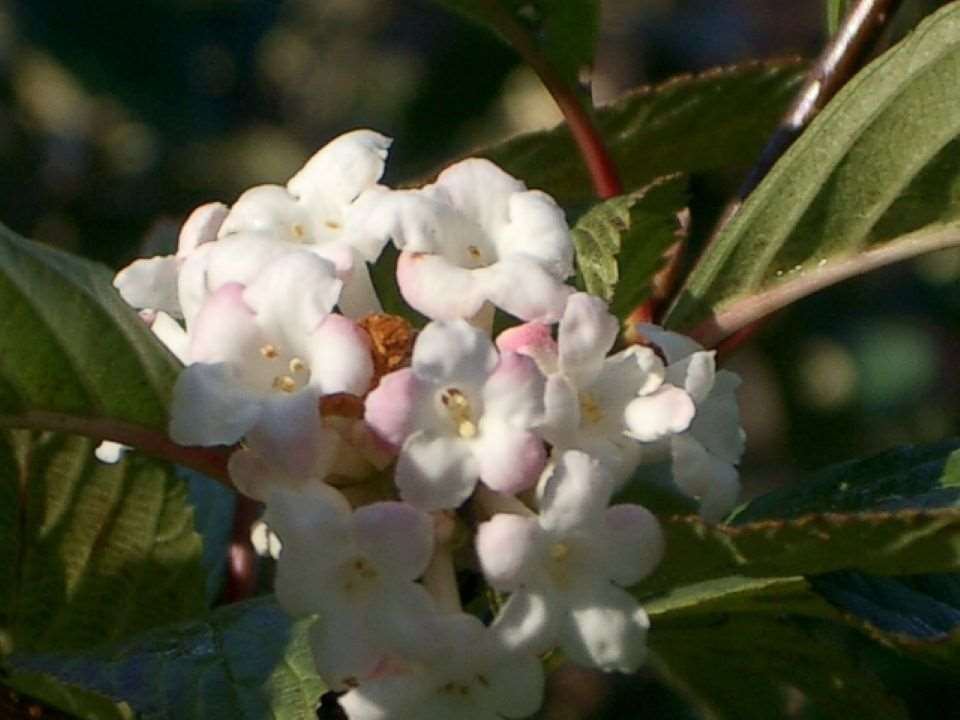
Oh my, the Pieris ‘Forest flame’ is gorgeous! The Mahonia is wonderful, too -I especially like the first white one.
LikeLike
Thank you Tracy, the white one is Viburnum bodnantse ‘Dawn’ which is one of my favourite shrubs. It is heavily scented and winter flowering often on bare wood.
LikeLike